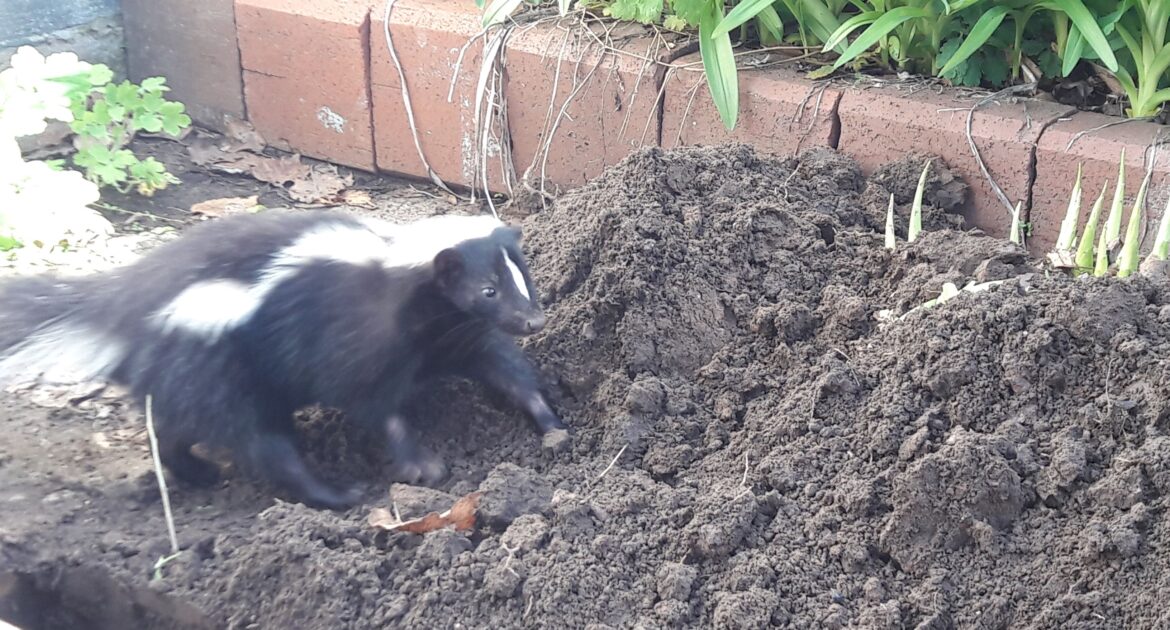
As cold weather sets in across Kitchener/Waterloo, protecting pets from skunks in Winter becomes increasingly important, especially as temperatures drop and wildlife searches for safe shelter. While many assume skunks hibernate and remain out of sight during the colder months, the reality is that areas like the Grand River trails and neighbourhoods near Victoria Park continue to attract active skunks seeking food or warmth. This situation can put pets at risk of startling these animals, getting sprayed, or even suffering health issues if they venture too close.
At Skedaddle, we offer guidance through practical winter skunk pet safety tips and strategies aimed at avoiding skunk encounters, ensuring the safety of every member of your family—paws included.
Skunk Behaviour in Winter: What Homeowners Need to Know
Understanding skunk behaviour in winter is essential for taking proactive measures to protect your pets. Unlike true hibernators, skunks enter a state of torpor, a deep rest that lasts days or even weeks. Despite this, they may emerge during mild winter days in search of food or water, typically at night, increasing the chances of pet encounters.
Key facts about winter skunk behaviour in Kitchener/Waterloo include:
- While primarily nocturnal, skunks might be seen during the day if searching for food or if disturbed.
- They select cozy, sheltered spots such as areas beneath decks, porches, or sheds, making these locations likely hotspots for encounters.
- Their ability to dig energetically allows them to create dens in accessible places for dogs or cats.
- Although they remain inactive for long periods, they venture out during mild spells or when their den is disturbed.
Being knowledgeable about these behaviours aids in predicting when and where skunks may appear around your property, paving the way for effective prevention.
Signs of Skunk Activity: What Should Pet Owners Watch For?
Even with general prevention steps, it’s important to recognize signs of skunk activity so you can keep pets away and take appropriate measures promptly. Skunks frequently leave telltale signs of their presence around homes and yards, particularly where they dig or forage for food.
Be alert for these signs around your property. Fresh mounds of dirt or new holes near the edges of decks, sheds, or porches can indicate skunk activity. Unusual odours, particularly a subtle, lingering musky scent near structures, are another warning. Look for torn-up sections of your lawn or garden where skunks may be foraging for grubs. Pets often react noticeably, showing excitement or fear while sniffing and pawing at specific spots. You may also spot visible tracks or fur near potential entry points, signalling that skunks are nearby.
When any of these warning signs are detected, pets should be kept on a leash or closely monitored outside. Early detection can facilitate prompt, humane intervention by skunk removal experts, minimizing the risk of unpleasant sprays or escalation.
Observing these signs can guide you toward contacting our team at Skedaddle for an inspection or protective upgrades.
Responding to a Skunk Encounter: What to Do if Your Pet Gets Sprayed
Despite the best prevention measures, skunk encounters may still happen. Knowing what immediate steps to take can minimize discomfort for your pet and expedite recovery for everyone at home.
Here’s what to do if your pet gets sprayed:
- Keep your pet outside until most of the odour and oils are removed to prevent the skunk scent from transferring to furniture and floors.
- Check your pet’s eyes; if they are irritated, rinse them gently with cool, clean water.
- Mix a safe neutralizing solution: Combine one quart of 3% hydrogen peroxide, 1/4 cup of baking soda, and a teaspoon of dish soap. Lather thoroughly, avoiding your pet’s eyes and ears.
- Let the solution sit for five to ten minutes, then rinse thoroughly. Repeat as needed.
- Dry and comfort your pet: Ensure they are warm and temporarily restrict outdoor exposure until the smell dissipates.
Avoid using tomato juice, as it is ineffective at neutralizing skunk odour. Keep your pets from licking any cleaning solution to prevent health risks. Be sure to wear gloves and old clothing during the process to protect yourself from the strong smell and potential skin contact.
If your pet’s symptoms persist or they seem unwell, consult a veterinarian. For a lingering smell, specialized cleaning or help from wildlife removal experts may be necessary.
Frequently Overlooked Tips for Skunk and Pet Safety
In Kitchener/Waterloo, many homeowners tend to rely on reactive measures such as odour removal or temporary barriers. However, at Skedaddle, we recommend a proactive approach—addressing risks before they escalate. Detailed below are five effective tactics to enhance winter skunk pet safety, some of which are often overlooked:
- Schedule a professional property inspection to spot potential den sites before the ground freezes.
- Seal exterior vents and crawl spaces, as these are less obvious but still attractive entry points for skunks.
- Educate all family members, including children, on the signs of skunk presence and safe outdoor habits.
- Rely on controlled, protected fenced areas for pets instead of open yards, especially at night.
- Maintain an updated record of your pet’s vaccination status; rabies remains a risk, albeit rare.
Implementing these steps ensures you stay ahead of potential problems and demonstrates your long-term commitment to your pet’s safety and comfort.
By remaining vigilant and prioritizing prevention, you help ensure your beloved pets view your property as a haven of security and warmth, rather than a source of unpleasant winter surprises. If you suspect skunks are already in the vicinity or would like personalized advice, reach out to Skedaddle for winter skunk pet safety tips and humane, effective solutions.
Give Your Pets a Safer Winter with Skedaddle’s Expertise
As winter deepens in Kitchener/Waterloo, understanding and preventing skunk encounters is vital for your pet’s well-being. Skunks remain active, searching for warmth and food near homes, increasing the likelihood of unpleasant incidents with pets. Proactive measures like sealing entry points, supervising outdoor time, and watching for subtle signs of skunk activity are essential for every pet owner.
Yet, thorough skunk-proofing and humane removal, especially during the challenging winter season, require professional expertise. Skedaddle’s seasoned technicians bring over 30 years of wildlife management experience to ensure your property is thoroughly inspected, vulnerable areas secured, and pets protected from immediate hazards and future intrusions.
Don’t allow skunks to compromise your peace of mind this winter. Contact Skedaddle today for expert, humane skunk control and enjoy the season, confident that your entire family, furry friends included, is safe and secure.

 Loading...