When you hear scratching in your walls or see chewed insulation in the attic, you want to know who you’re dealing with. In Ohio, two species cause most winter problems: red and grey, and each one behaves differently once inside a home. You may not see them directly, but the signs they leave behind can tell you a lot. When you understand how red vs grey squirrels in the winter behave, it becomes easier to figure out which one is trying to settle into your space.
You face more indoor activity this time of year because cold weather pushes animals toward warm, quiet areas. Attics, rooflines, and wall voids give safe shelter when the outdoors becomes icy. This is why squirrels invading homes in Ohio are so common from December through February.
Skedaddle Humane Wildlife Control in Columbus helps homeowners figure out who moved in, how they got inside, and how to guide them out using humane methods. But first, you need to know the differences between the two species you’re most likely dealing with.
Size Differences: Small vs. Large Winter Guests
Size is one of the easiest ways to tell red and grey apart. This matters because size affects how they move, how much noise they make, and what kind of entry points they use.
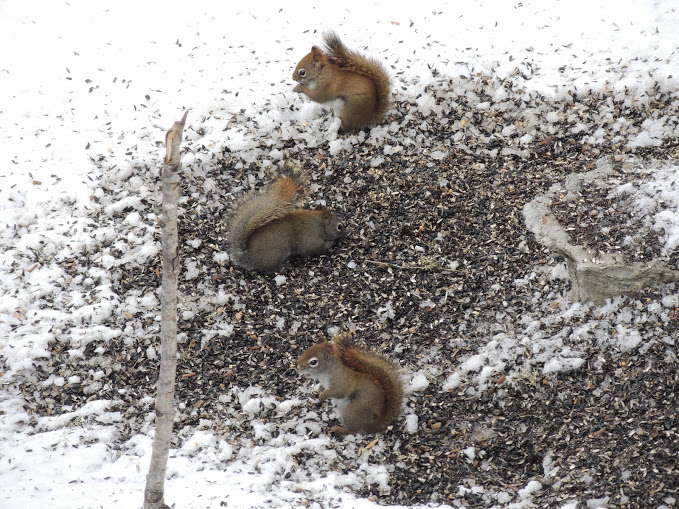
Red animals are much smaller. They move fast, can squeeze into tighter spaces, and usually stick to high areas. At a quick glance, many people think they’re younger versions of other species, but they’re full-grown adults. They often pick narrow gaps, roofline cracks, and small openings you wouldn’t expect anything to fit through.
Grey animals are bigger, louder, and stronger. They create more noise in attics, especially at dawn and dusk when they’re most active. Their size also lets them push or chew their way through weak spots in wood or vents. If the sounds above you seem heavier or more forceful, you may be dealing with the larger species.
Both types can fit through small openings, but the smaller species can take advantage of almost invisible gaps. Understanding this difference helps you picture who might be moving through your home’s upper levels during the cold season.
Coat and Color: What They Look Like in Winter
Color is helpful for ID, but winter coats can confuse homeowners. When temperatures drop, both species grow thicker fur, and their color can shift slightly.
Red animals are known for their reddish-brown fur, but in winter, this color can fade. The coat may look more muted, sometimes with a grayish tint, but you’ll still notice warm tones around the face, chest, or tail. A key winter sign is the ear tufts that develop—little pointed clumps of fur that stand out clearly.
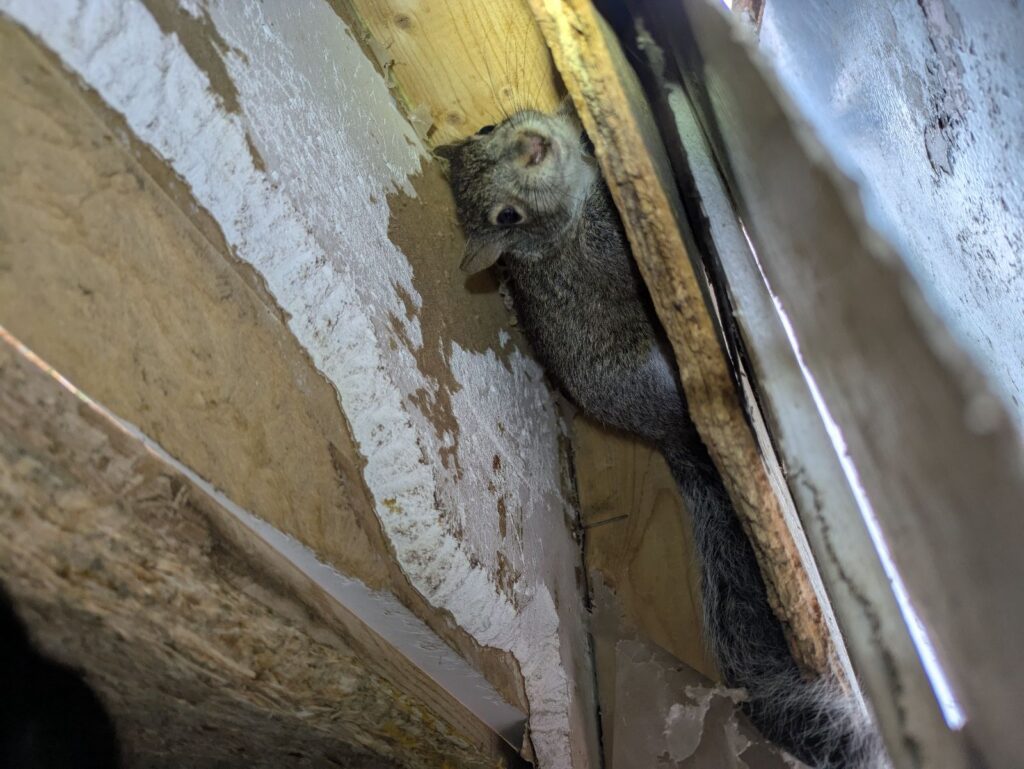
Grey animals keep a more uniform look all year. Their fur stays gray or gray-brown, and some may even appear black, which is still normal for the species. The tail is usually the biggest clue because it often has a pale outline that looks like a faint white ring.
Color alone can be tricky in cold months, but the ear tufts on red animals stand out, and the fluffy pale-edged tail of the grey species is a common giveaway. Even a quick glimpse through a window or security camera can help you identify squirrels in winter without getting too close.
Daily Behavior Indoors: Who Causes More Noise?
Behavior plays a huge role in knowing which species is in your home. The way they move, the areas they choose, and the patterns they follow can help you narrow it down.
Red Species
These smaller animals are energetic and quick. They’re active during most of the day and prefer tight spaces inside attics and roof corners. They often store food indoors, carrying seeds and nuts through insulation. Their rapid movement makes lighter, faster sounds against ceilings.
Grey Species
These animals take up more room and make heavier sounds. They often nest in larger open spaces, such as wide attic floors. They may drag insulation, push objects, and make slow, steady movements that feel louder or more noticeable. Their daily routine is predictable: early morning activity, midday quiet, and evening noise again.
Both types stay active all winter because neither species truly hibernates. They rest during storms but still move around when conditions improve. If you hear noise regularly, you are likely dealing with squirrels invading homes in Ohio rather than a single quick visit.
Entry Points: How Each Species Gets Inside
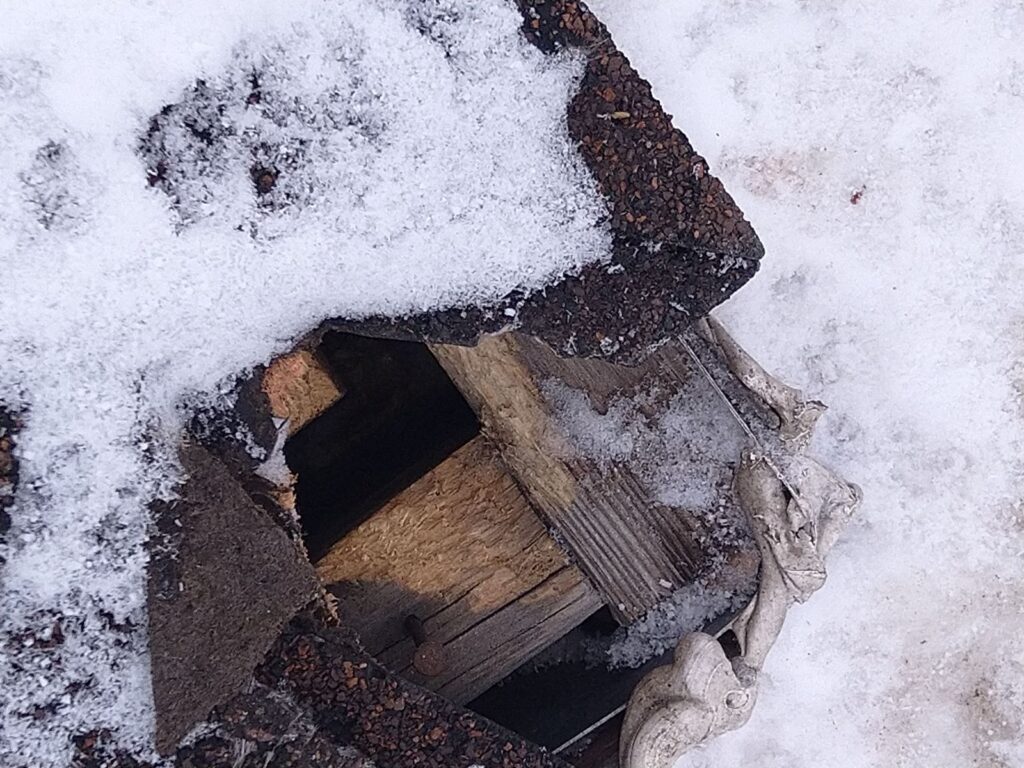
Winter brings ice, snow, and wind. As your home expands and contracts during freeze–thaw cycles, small weaknesses appear. Each species takes advantage of these openings in different ways.
Red Species
- Slip through tiny cracks in rooflines
- Move along small branches and cables to reach upper levels
- Nest in the narrow corners of attics
- Use vents or gaps too small for larger animals
Grey Species
- Push open loose soffits
- Tear through weak vents
- Enter through roof-to-wall intersections
- Chew soft wood at damaged roof edges
When Ohio’s winter storms hit, these weak spots become easier for animals to break open. This is why the cold season leads to more activity in attics and walls.
Damage Levels: Light Chewing vs. Heavy Destruction
Both species can cause problems inside a home, but the type of damage they leave behind can help you determine who is responsible.
Red animals cause smaller but frequent damage. They chew small holes, move insulation into piles, and store food indoors. Their nesting materials often look like shredded bits of insulation mixed with twigs or seeds.
Grey animals cause bigger structural damage. Their strong teeth and weight allow them to open larger entry holes. They may tear sections of insulation, break vent covers, or chew thicker wood. Their nesting areas tend to be bigger and more spread out.
If you hear heavier noises or find wide openings, you likely have the larger species. If you find tiny tunnels or small piles of food indoors, you may be dealing with the smaller species.
Territory and Personality: Who Is More Bold Indoors?
Even their personalities differ, and this affects how they behave in your home.
Red animals are territorial and prefer to defend smaller spaces. If this species enters your attic, you may hear short bursts of activity as they move around their chosen nesting area. They want quiet corners and are less likely to explore your entire attic.
Grey animals are confident explorers and will use a larger area. They walk across beams, move around insulation, and use different corners depending on temperature and airflow. They are more likely to chew new openings or adjust their nesting spot during storms.
Knowing this helps you picture what is happening above your ceiling. The type of activity tells you a lot about who is living inside.
Winter Patterns: Which Species Stays Longer?
Cold weather pushes both species indoors, but the length of their stay and their habits during winter look slightly different.
Red animals may leave more often during warmer breaks, especially if they stored a lot of food outdoors. They rely heavily on food caches and spend time retrieving what they buried earlier in the year.
Grey animals may stay indoors longer because they’re more willing to settle into a warm attic and ride out most storms. They will go outdoors for food but quickly return to the same spot night after night.
Both types seek warm, protected spaces, which is why red vs grey squirrels in winter is a common question in Columbus homes.
Why Both Species Choose Homes Over Trees in Cold Weather
Ohio winters are harsh. Snow piles up, branches ice over, and natural shelters break apart. Homes offer everything they need in one place: warmth, quiet corners, and protection from predators.
Some reasons include:
- Attics stay warm even when temperatures outside are below freezing
- Rooflines block wind and snow
- Insulation creates soft nesting material
- Homes are safer from owls, hawks, and other predators
Once either species finds these conditions, they often stay throughout winter.
How Our Team Helps Prevent Winter Activity in Columbus Homes
Homeowners should never try to remove wildlife themselves. Winter animals can be unpredictable, and the risks are high. At Skedaddle Humane Wildlife Control in Columbus, we use humane one-way doors that guide animals out and prevent them from getting back inside. This protects your home and keeps the animals safe.
Our process focuses on:
- Finding every entry point
- Making sure the animals exit safely
- Securing weak spots
- Using proper materials to stop future problems
You don’t have to guess which species moved in. Our team handles the full process while keeping your home protected.
A Simple Way to Get Answers Fast
When you’re unsure whether you’re dealing with red vs grey squirrels in the winter, you deserve quick clarity. These animals move fast and can cause damage before you even notice what’s happening. Homeowners across the area often struggle to identify squirrels in winter, especially when all the activity happens in the attic or roofline.
Skedaddle Humane Wildlife Control in Columbus helps you understand which species entered, how they got inside, and how to guide them out safely. Our work keeps squirrels invading homes in Ohio from turning your winter into a bigger problem.
Request an estimate to learn more about winter wildlife in Columbus homes and how we protect your home from the top winter animals in homes across the city.

 Loading...







