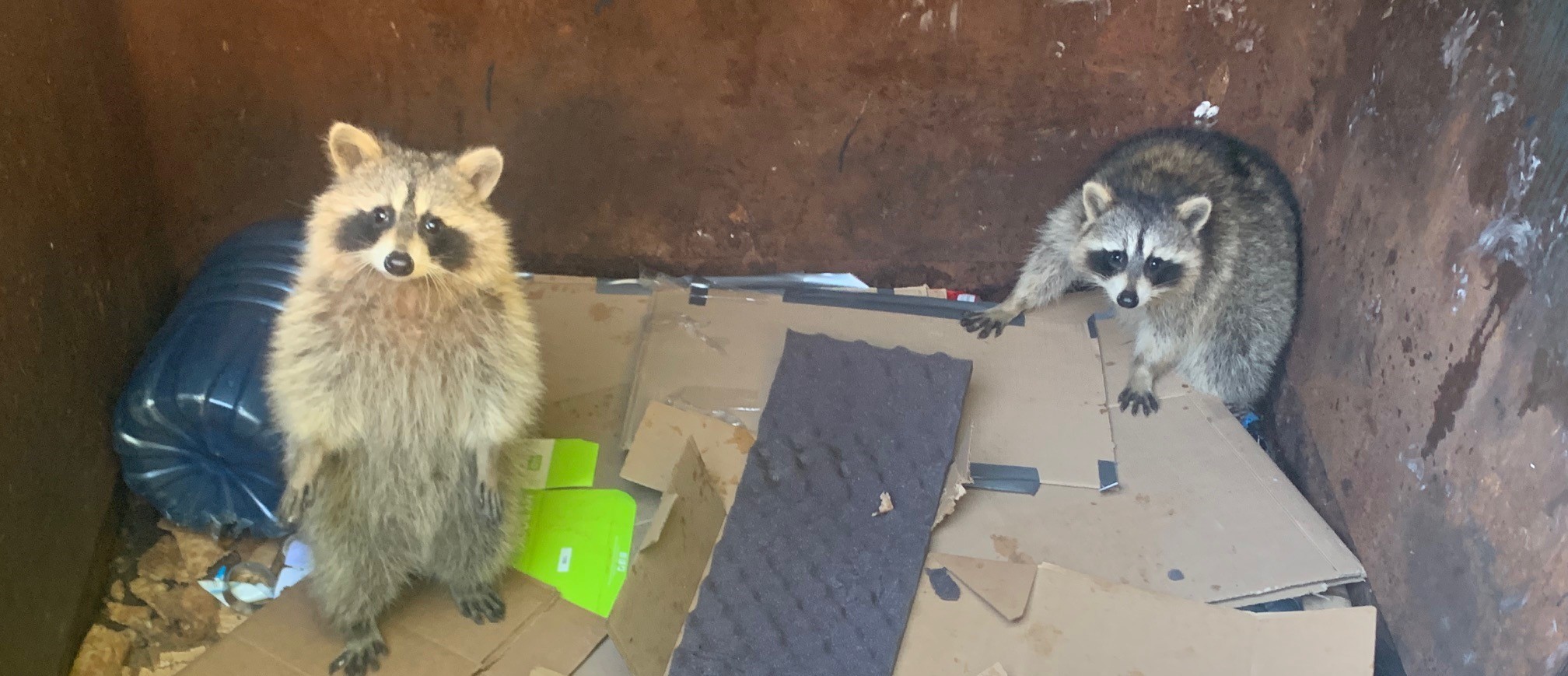
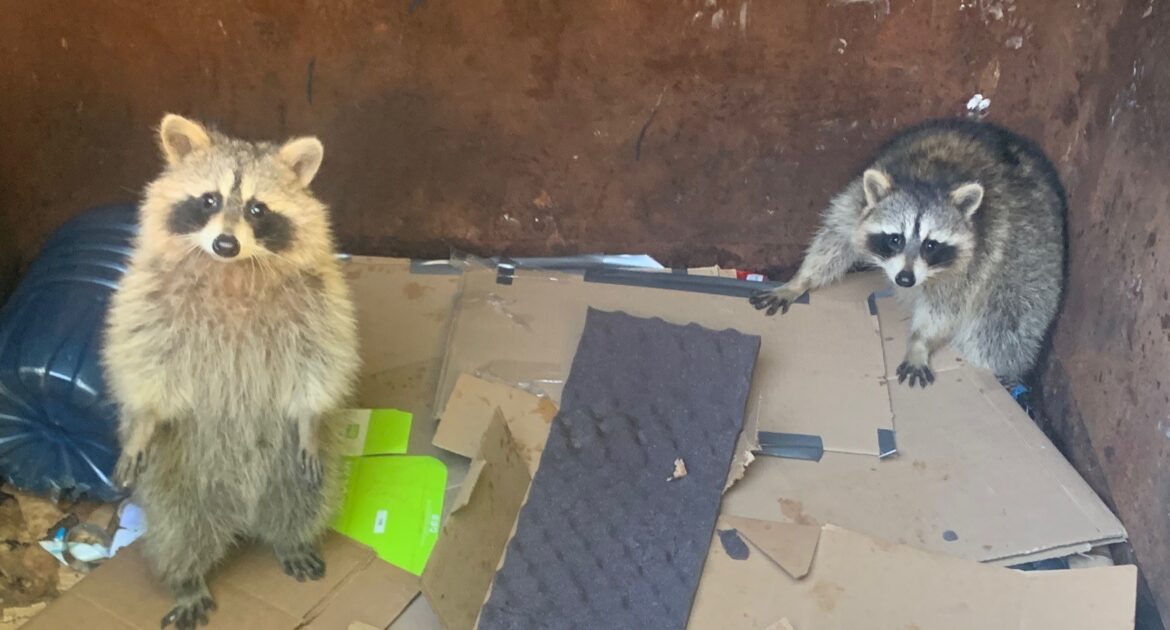
Have you ever woken up, made your coffee, and looked outside to find your driveway covered in last night’s dinner? It is a frustrating sight. The garbage can is tipped over. Bags are ripped open. Chicken bones and apple cores are scattered across the lawn. You do not have to guess who did it. You definitely have raccoons in the garbage. The masked bandit of the neighbourhood has struck again.
It is easy to feel angry when this keeps happening. Still, it helps to pause and think about why raccoons are coming around in the first place. These animals are not trying to cause trouble. They are simply looking for food.
Many homes unknowingly provide easy meals, especially when garbage, pet food, or shelter is easy to access. Without realizing it, homeowners may be inviting wildlife right onto their property.
Understanding what attracts raccoons is the first step toward stopping the problem. It is rarely about bad luck. In most cases, smells and easy access are the real cause.
In this blog, we explain the common mistakes that turn homes into raccoon magnets and why professional support from teams like Skedaddle Humane Wildlife Control in Kitchener/Waterloo can help keep wildlife away for good. By learning what draws raccoons in, you can take the right steps to protect your home long-term.
The Smell of Your Garbage
The number one reason you have raccoons in the garbage is simple: it smells delicious to them. You might think you tied that bag tight, but to a raccoon, it smells like a feast. These animals have an incredible sense of smell. They can sniff out leftovers from far away.
When you throw away food, especially meat, bones, or sweet fruit, the odour does not disappear. It sits in the bag and gets stronger, especially on warm days. If your garbage can is sitting right outside your garage or on the side of your house, you are broadcasting a signal to every animal nearby. They are scavengers. They are built to find food, and your trash can is often the easiest source in the area.
This doesn’t mean you are dirty. It just means that the scent of food is powerful. Even a wrapper that touched a hamburger can be enough to catch their attention. Once they know the food is there, they will be persistent. They will come back night after night to check if you have restocked the buffet.
Insecure Garbage Containers
The type of bin you use and how you use it plays a huge role in drawing animals to your property. A standard plastic bin with a loose lid is no match for a determined raccoon. Here is how your bins might be the problem:
- Loose or Broken Lids: If the lid does not snap on tight, it is not going to keep anyone out. Raccoons are very strong. They can easily pry off a lid that is just sitting on top. If the lid is cracked or warped, they will find a spot to grab and pull.
- Plastic Bags in the Open: Sometimes, the bin gets full, and you might leave an extra bag sitting on top or beside the can. This is an instant invitation. Without the hard shell of the bin to protect it, that bag is open season. It takes seconds for an animal to rip through the plastic.
- Lightweight Bins: Even if the lid is on, a light bin is easy to tip over. Raccoons are smart. They know that if they knock the can over, the lid often pops off. Once the bin is on its side, they can easily drag the bags out.
- The “Night Before” Habit: Many people put their garbage out the night before pickup. This is convenient for you, but it gives nocturnal animals a solid eight hours of darkness to work on getting into your trash. It provides them a consistent, nightly schedule to feed.
Access to Other Food Sources
While raccoons in the garbage are a common complaint, the trash isn’t the only thing drawing them to your yard. You might have other snacks lying around that you haven’t thought about. If the garbage is the main course, these other items are the appetizers and desserts.
- Bird Feeders: This is a huge attractant. You might want to feed the cardinals and blue jays, but you are also feeding the raccoons. They love birdseed. It is high in calories and easy to get. If the feeder is on a pole, they can climb it. If it hangs from a tree, they can reach it. The seeds that fall on the ground are also a free meal.
- Pet Food: Leaving a bowl of kibble outside for your dog or cat is like ringing a dinner bell. Even if the bowl is empty, the smell of the grease lingers. Raccoons love pet food. It is packed with nutrition and tastes good. Leaving water bowls out is also a draw.
- Fallen Fruit: Do you have an apple or pear tree? Fruit that falls on the ground and starts to rot is sweet and smelly. It is an easy, sugary snack for wildlife. If you leave garden vegetables unharvested, they will find those too.
- Greasy BBQs: After a summer cookout, your grill is covered in grease and food bits. If you don’t clean the drip tray or burn off the residue, the smell is very attractive. It smells like fat and meat, two of a raccoon’s favourite things.
Comfortable Shelter Options
Food is the main draw, but shelter is a close second. Raccoons need a safe, warm place to sleep during the day and to raise their babies. If your property offers free housing along with the free food, they will never want to leave. They are looking for places that feel like a hollow tree.
- Under the Deck: The space under a low deck is dark and protected from the rain. It is a perfect den site. If there is even a small gap in the lattice or the wood, they will squeeze through.
- Garden Sheds: Many sheds are raised slightly off the ground. This gap underneath is a classic hiding spot. Sometimes, they will even pry up a floorboard or find a loose vent to get inside the shed itself.
- Accessible Roofs: Raccoons are amazing climbers. Overhanging tree branches act like bridges to your roof. Once they are up there, they look for open chimneys or loose vents. They can tear through soffits to get into your attic.
- Uncapped Chimneys: An open chimney is just a dark tunnel that looks like a safe hole. It is a very common place for a mother raccoon to have her babies. It is warm, dry, and keeps predators away.
The Risks to Your Home
Having these animals around is more than just a nuisance. It can lead to real problems for your home and family. When they are digging through your trash, they make a mess that attracts other pests, like rats and wasps. But the damage rarely stops at the garbage can.
When raccoons get comfortable in your yard, they start looking for ways inside your house. They can rip off shingles and tear through wood. They can destroy insulation in your attic. They chew on electrical wires, which can be a fire hazard.
There is also the health risk. Raccoons carry parasites and diseases. Their droppings can be dangerous to humans and pets. If you have a dog, a confrontation with a raccoon can result in injuries for both animals. It creates a stressful environment for everyone living in the house.
How to Prevent Raccoons Near Your Home
Preventing raccoons starts with understanding what attracts them and knowing how to remove those temptations safely. While raccoons are a common part of city life, professionals can help make a home far less appealing to them. The goal is to remove access to food, shelter, and water so the property no longer meets their needs.
Our professionals at Skedaddle Humane Wildlife Control begin by assessing the areas that are most likely drawing raccoons in. This often includes reviewing how garbage is stored, identifying food sources, and spotting structural features that provide shelter. Based on this inspection, clear steps are taken to reduce wildlife interest and prevent repeat visits.
Common prevention measures supported by Skedaddle include:
- Securing Garbage Areas: We assist with proper storage locations and wildlife-resistant containers to reduce food smells.
- Removing Food Attractions: Our pros also identify outdoor food sources, such as pet bowls, fallen fruit, or bird feeders, that may need to be addressed.
- Inspecting Structures: We check your decks, sheds, roofs, and entry points where raccoons may gain access or attempt to den.
- Managing Water Sources: We help you empty birdbaths, leaky taps, or standing water because they can attract wildlife.
When raccoons have already established a routine or created a den, prevention alone is not enough. At that stage, our professional intervention becomes critical. Raccoons are persistent and highly adaptable, which makes removal without expert help difficult. Our team is trained to resolve active wildlife issues and put long-term measures in place to keep raccoons from returning.
Prevent Raccoons and Taking Back Your Home
Seeing raccoons in the garbage is a sign that your home has become a target. It starts with a tipped-over bin, but it can end with a family of animals living in your attic. By understanding what attracts raccoons, like accessible trash, pet food, and cozy den spots, you can see how you might be drawing them in.
The best way to prevent raccoons near home is to be proactive. But when the problem gets out of hand, you need a team you can trust.
If you are tired of cleaning up the morning mess, let us help. We can protect your home and ensure the animals are treated with respect. Contact Skedaddle Humane Wildlife Control in Kitchener/Waterloo today to request an estimate and learn more about our humane services.

 Loading...