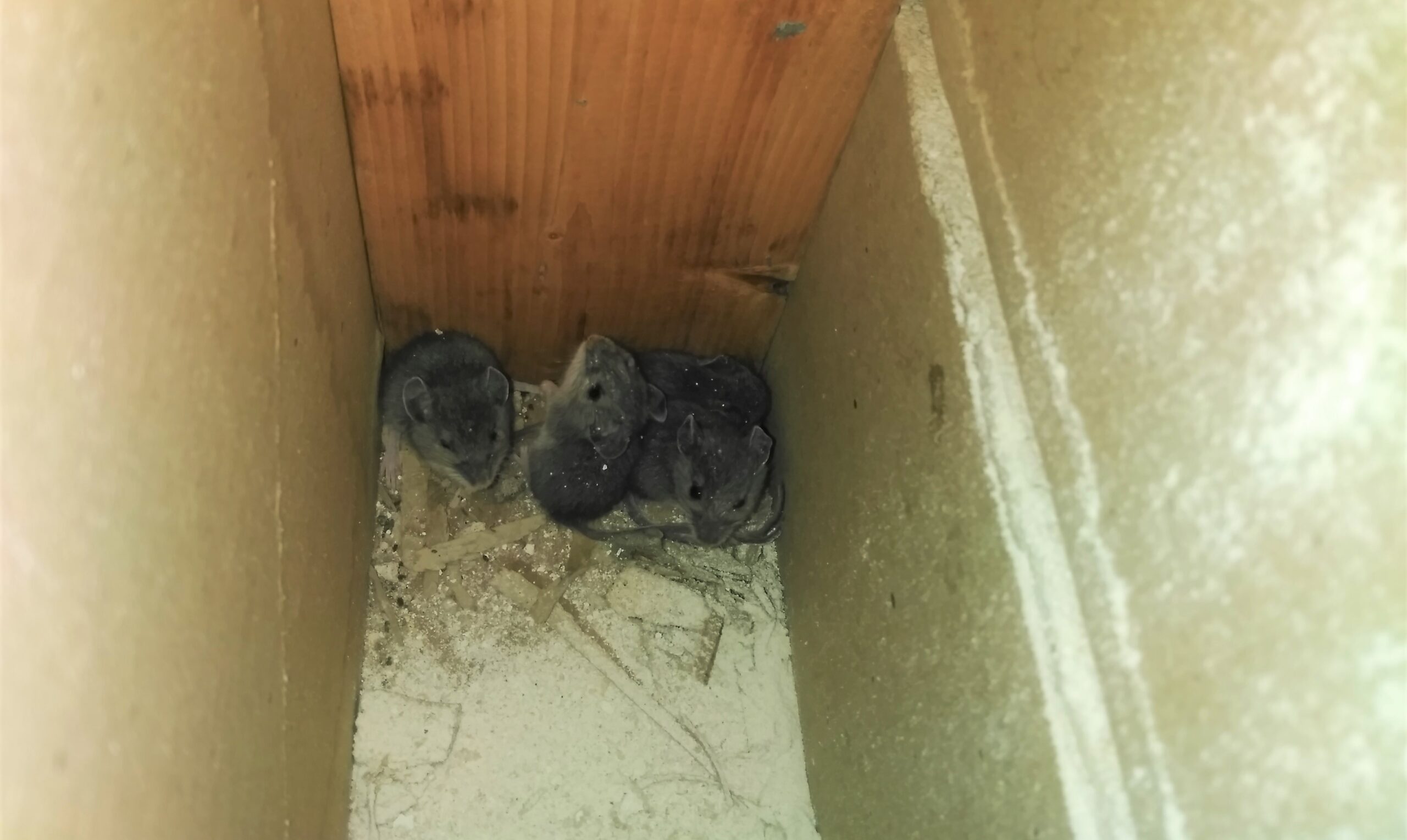
You prevent mouse problems in student rental properties by treating the whole building, not only the room where one was seen. Professional inspections, structural exclusion, planned maintenance, controlled garbage areas, and clear reporting can reduce the risk of an ongoing problem. Traps may catch individual mice, but they cannot stop new ones from entering through an open gap.
You face added challenges when several students share one property. Food may be stored in bedrooms, common garbage containers can fill quickly, and small signs may go unreported during busy school terms. Frequent move-ins and move-outs may also hide damage behind furniture, boxes, and appliances.
A fast response protects both the people and the building. Students should report scratching, droppings, gnaw marks, damaged food, and unusual odours without touching or cleaning the affected area. Skedaddle Humane Wildlife Control in Kitchener-Waterloo can inspect the property and complete the physical work. In this blog, we explain landlord responsibilities, building inspections, shared waste areas, food storage, tenant turnover, warning signs, and professional removal and prevention.
Are Landlords Responsible for Mice in Ontario?
Ontario landlords generally have a duty to maintain rental properties and take steps to control pests such as mice. The Landlord and Tenant Board states that landlords must keep rental properties in good repair and meet applicable health, safety, housing, and maintenance standards. The details of responsibility in a specific case may depend on how the problem began.
Tenants also play an important role. They should report signs promptly, keep their units reasonably clean, and provide lawful access for inspections and professional service. However, students should not be expected to handle droppings, open walls, place poisons, or complete removal work.
The immediate goal should be to inspect the property and stop the problem from spreading. Arguments about fault can delay work while damage and contamination grow. Landlords or property managers should arrange qualified professional help when signs are reported.
Student Rentals Create Several Connected Risks
Student housing often contains several bedrooms, a shared kitchen, common hallways, storage rooms, and busy garbage areas. Food and belongings may be spread throughout the building. One forgotten package can provide a meal in a room that seems clean.
Frequent changes in tenants can make early signs harder to connect. One student may hear scratching, while another finds damaged food in a different part of the building. Neither person may realize that both signs relate to the same hidden route.
Mice can travel between rooms and floors through walls, ceilings, utility openings, and shared service spaces. The place where one appears may not be close to the exterior entrance or nest. That is why the complete property needs to be assessed.
Structural Exclusion Protects the Whole Building
Long-term prevention starts with the exterior structure. A student property may have gaps around the foundation, roofline, siding, doors, vents, and utility lines. Our team looks for the complete set of possible entrances before recommending exclusion work.
- Complete Exterior Inspection: We examine the foundation, siding, roof edges, vents, windows, doors, and places where building materials meet. One obvious opening may be only part of the problem. Additions and past renovations can create hidden gaps. Our team documents the areas that need professional attention.
- Foundation and Siding Protection: Cracks, damaged mortar, loose siding, and gaps close to the ground can provide access. Wood, plastic, foam, and worn rubber may be damaged or chewed. The correct exclusion material depends on the location and surrounding structure. Our technicians secure these areas with durable products.
- Utility Penetrations: Water lines, electrical cables, heating equipment, and internet services must pass through exterior walls. Openings around these lines may lead directly into wall cavities. Upgrades completed at different times can leave several uneven spaces. We inspect these routes from the exterior and accessible interior areas.
- Doors, Vents, and Roof Edges: Worn door seals and loose vent covers are easy to overlook. Roof gaps, soffit damage, and openings near eaves may also provide upper access because mice can climb. These areas may be difficult to inspect safely from the ground. Our trained team uses the proper equipment to examine them.
Shared Garbage Areas Can Affect Every Unit
Several students living under one roof can create a large amount of waste. Shared containers may fill quickly, especially after parties, move-outs, or busy school weeks. Food smells near the building can attract mice to possible entry points.
- High Waste Volume: Several residents can produce more food waste than a bin area was designed to hold. Overflowing containers may provide a steady food source. This can support activity close to doors and foundations. Property managers need a waste system suited to the number of occupants.
- Damaged or Open Containers: Loose lids, cracks, and bags left outside containers can release strong smells. Waste stored beside a wall brings mice close to structural gaps. Droppings or gnaw marks may then appear around the storage area. Our professionals inspection can determine whether the activity has moved indoors.
- Poorly Placed Waste Areas: Garbage stored beside a basement window, back door, or foundation opening can increase risk. Bags and bins may also hide tracks or building damage. The waste location should be considered during a property assessment. Building owners can then arrange the required changes through their maintenance team.
- Turnover Waste: Move-out periods may leave unwanted food, garbage, furniture, and boxes behind. These materials can hide signs while providing food or nesting material. If droppings or contamination are found, students and landlords should not clean them themselves. Professional cleanup should be arranged.
Food Storage Across Several Rooms Adds Pressure
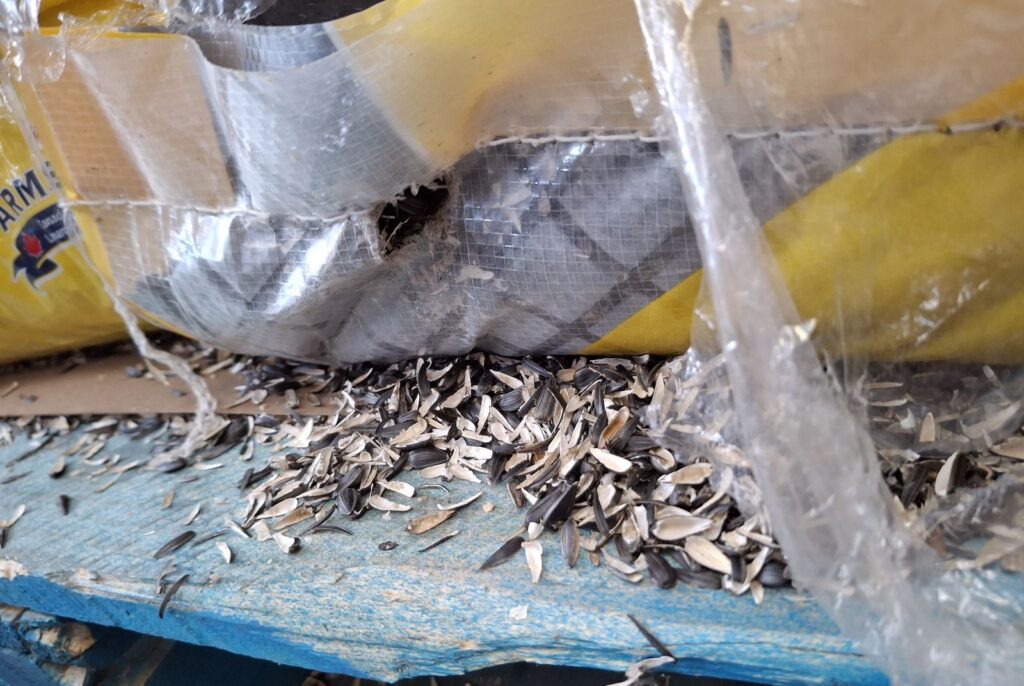
Student rentals do not always use food in the same way as a single-family home. Snacks, dry goods, takeout containers, and dishes may be kept in bedrooms or study spaces. This creates several possible feeding areas across the building.
- Food Stored in Bedrooms: Packages kept outside the kitchen may attract activity into sleeping and study areas. Cardboard boxes and thin bags can be damaged easily. Droppings or gnaw marks near stored food should be reported at once. Students should not touch the waste or attempt removal.
- Busy Shared Kitchens: Different school and work schedules can keep a kitchen active throughout the day. Spills, crumbs, dirty dishes, and full garbage containers may build up between cleaning periods. Even small food amounts can support repeated feeding. A clear property-management plan helps keep common spaces monitored.
- Limited Storage Space: Crowded cupboards may push groceries onto floors, counters, or open shelves. Food may also be stored in rooms when the kitchen lacks enough secure space. A landlord can review whether the unit has suitable cabinets and working appliances. Better facilities support the prevention plan.
- Food Left Between Leases: Forgotten packages may remain behind stoves, inside cupboards, or in storage rooms after a student moves. These sources can support mice while a bedroom appears empty. They may also hide droppings and damaged materials. Professional turnover checks can find problems before another tenant arrives.
High Tenant Turnover Can Hide Maintenance Problems
Many students rent a room for one school year or move between academic terms. Small wall gaps, worn seals, unusual sounds, or damaged food may never be reported. A new tenant may then enter a property with an existing problem.
Furniture, boxes, and seasonal belongings can cover signs along walls and floors. Activity behind a large appliance or storage shelf may remain hidden until the room is empty. Moving these items without knowing what is behind them may also disturb contaminated material.
Turnover provides a useful time for a professional inspection. Landlords and property managers can arrange checks of vacant rooms, shared areas, utility spaces, basements, attics, and the exterior. Students should not be asked to clean droppings or handle nesting materials during the move.
A Building-Wide Plan Matters
The room where a mouse appears may not contain the opening it used. It might feed in a bedroom, travel through a wall, and nest near a basement or ceiling. Focusing on the sighting alone can leave the main route untouched.
Duplexes, converted houses, townhomes, and larger student buildings often contain connected cavities. Plumbing lines, electrical wiring, heating ducts, and ceiling spaces may run through more than one unit. Activity can continue even when one tenant stops seeing signs.
A complete assessment covers affected units, common rooms, basements, attics, utility spaces, and exterior walls. It also considers garbage, food storage, property damage, and tenant reports. This creates one plan for the entire structure rather than a series of separate reactions.
Warning Signs Need a Fast Response
Early reports can help landlords limit contamination and building damage. Students should know which signs require attention, but they should not investigate inside walls or confined spaces. Our professionals can trace the activity safely.
- Scratching and Gnawing: Sounds may come from walls, ceilings, cupboards, or storage areas. They are often easier to hear when the building becomes quiet at night. Sound can travel through pipes and framing, making the source difficult to locate. Our team can inspect the connected spaces.
- Droppings and Stains: Waste may appear near walls, food storage, cupboards, or utility lines. Students should not sweep, vacuum, or touch it. Disturbing dry material can spread contaminated dust. Skedaddle can assess and clean the affected space when needed.
- Damaged Packages and Materials: Gnaw marks may appear on food packages, wood, insulation, plastic, or wiring. Damaged electrical lines can create a fire risk. A small damaged area may point to greater activity inside a wall. The space should be professionally inspected.
- Strong or Unusual Odours: Urine, nesting material, contamination, or a dead mouse in a hidden space may cause a lasting smell. Covering the odour does not identify or remove its source. The smell may travel through vents or connected walls. A technician can locate the affected area.
Mouse Problems in Kitchener-Waterloo Student Housing
Kitchener-Waterloo has many rentals serving students from the University of Waterloo, Wilfrid Laurier University, and Conestoga College. The housing includes detached homes, converted properties, townhomes, apartments, and purpose-built student buildings. Each design creates different entry and travel routes.
Seasonal timing can add to the challenge. Late-summer turnover may leave food and maintenance concerns behind, while cooler fall weather increases the search for indoor shelter. Winter activity may first become clear through scratching inside walls and ceilings.
The City of Waterloo licenses many rental units in buildings with three storeys or fewer. Its rental housing support page also provides information about rental licences, minimum standards, and inspection requests. Skedaddle can work with landlords and property managers to assess structural access and indoor activity.
Frequently Asked Questions
Does one mouse mean there are more in a rental?
One sighting may be part of a larger hidden problem. Mice often remain inside walls, ceilings, storage rooms, basements, or other quiet spaces. They may also move when students are asleep or away from the property. A complete inspection is needed to determine the amount and location of activity.
Can mice travel between rental units?
Yes, they can move through wall cavities, ceilings, floors, utility openings, and shared service spaces. A sighting in one unit does not prove that the exterior entrance is nearby. The same route may connect several rooms or apartments. A building-wide inspection can trace those connections.
Should tenants clean up mouse droppings?
No, students should not sweep, vacuum, touch, or move droppings. Disturbing dry waste can spread contaminated material into the air and nearby rooms. The surrounding area may also contain urine, nesting material, or damaged insulation. The landlord or property manager should arrange professional assessment and cleanup.
Why do mice return after traps are used?
Traps may catch individual mice without closing the openings that allowed them inside. New mice can continue entering while gaps remain around foundations, vents, doors, roofs, or utility lines. Hidden food and nesting areas may also remain in place. Ou professional exclusion addresses the source of the problem.
When should a student report signs to the landlord?
Scratching, droppings, damaged food, gnaw marks, stains, or strong odours should be reported promptly. Waiting can allow damage and contamination to spread into other parts of the building. Students should explain where and when they noticed the signs. They should not open walls or investigate hidden spaces themselves.
How often should a student rental be inspected?
The right schedule depends on the building’s age, condition, past activity, and number of tenants. Turnover periods and the start of colder weather are useful times for professional inspections. Additional checks may be needed after damage, renovations, or new reports. A recurring maintenance plan can help find small problems earlier.
Mouse Removal and Prevention With Skedaddle
Our team begins with a detailed inspection of the exterior and affected indoor spaces. We look for entry points, travel routes, nesting areas, damage, and contamination throughout the building. Tenant reports can help us connect signs from different rooms.
We then create a humane removal and exclusion plan suited to the property. Where appropriate, one-way doors allow wildlife to leave while preventing re-entry. Once the building is clear, we protect vulnerable openings with durable materials.
Our team also provides professional cleanup when droppings, urine, nesting material, or damaged insulation are present. Students, landlords, and maintenance staff are not asked to handle contaminated materials or complete physical removal. Our work focuses on solving the current problem and reducing the chance of another entry.
Protect the Entire Student Rental
Preventing mouse problems in Kitchener-Waterloo student housing requires more than reacting to one sighting. Structural inspections, professional exclusion, managed garbage areas, suitable food storage, turnover checks, and quick tenant reports all support a stronger plan. The entire building must be considered because rooms and units may connect through hidden spaces.
Students should report scratching, droppings, gnaw marks, damaged food, and unusual odours as soon as possible. They should not touch waste, open walls, use poison, or attempt removal. Landlords and property managers should arrange professional service before the problem spreads.
At Skedaddle Humane Wildlife Control in Kitchener-Waterloo, we handle detailed inspections, humane removal, professional cleanup, structural exclusion, and long-term prevention. Our team can find how mice are entering and where they are travelling inside the rental. Contact us to request an estimate and learn more about protecting your student property.

 Loading...