Have you ever walked out your front door and noticed fresh holes dug across your lawn? If you are wondering what landscaping choices make your yard a skunk buffet, the answer comes down to easy food and cozy shelter.
Things like overwatered turf, fallen garden fruit, unsecured compost, and ground-level decks turn a property into a five-star dining and lodging experience for skunks. Skunks are opportunistic omnivores, meaning they will gladly take advantage of the easy meals your landscaping provides. When your property offers a steady supply of grubs, insects, and dark hiding spots, these animals have no reason to leave.
In this blog, we will explain exactly what draws these creatures to your property and how our team at Skedaddle Humane Wildlife Control in Kitchener-Waterloo can safely resolve the issue. By the time you finish reading, you will know exactly why your yard is a magnet for these digging mammals.
What do skunks eat?
Skunks eat a varied diet that changes with the seasons, heavily favouring grubs, earthworms, and insects during the spring and summer. As opportunistic omnivores, they also consume berries, fallen fruit, nuts, small rodents, and bird eggs when available.
When the weather gets colder in the fall, they seek out high-fat foods to build up their energy reserves for winter. Their strong sense of smell helps them locate food hidden under the soil, which is why they are so famous for tearing up lawns to find a meal.
1. The “Grub Hub” Lawn
Lawns are one of the biggest attractions for these digging mammals. A lush and heavily watered yard offers an all-you-can-eat buffet of insects.
- Overwatered Turf: Heavy irrigation brings earthworms, grubs, and beetle larvae straight to the surface of your grass. When the soil stays wet, these animals can easily smell the insects hiding just out of sight. They will dig small, cone-shaped holes all over your grass to scoop up their meal.
- Newly Sodded Turf: Fresh sod is highly attractive because the loose soil and tender roots are often packed with insects. The unestablished roots make it incredibly easy for a skunk to peel back the grass like a blanket. They will simply roll the new sod out of the way to reach the tasty grubs underneath.
2. Fallen Fruit and Produce
Rotting fruits or vegetables left on the ground act as a major magnet for various skunks. Sweet corn, berries, and fallen apples emit strong, enticing smells that skunks can detect from far away. These smells can attract a variety of wildlife, including raccoons, skunks, and even rodents, to your yard.
Once skunks discover the source of the rotting produce, they will often return for more food. This can lead to repeated visits and a potential buildup of unwanted activity in your space. Besides eating the decaying fruit, skunks may also dig up your garden or rummage through trash in search of additional food sources.
To prevent attracting wildlife, it’s important to clean up fallen fruits and vegetables quickly. Regularly inspect your garden and yard for any produce that has dropped or begun to decompose. Proper disposal of this waste helps minimize smells and discourages skunks from turning your property into a regular feeding ground.
3. Unsecured Compost
Unsecured compost can be a big attraction for skunks and other animals. When compost piles are not properly covered or contained, they can release strong smells that draw wildlife in from far away. Skunks, in particular, are attracted to the smell of food scraps like fruits, vegetables, and eggshells that might be in your compost. They see this as an easy and reliable meal source.
Skunks have an excellent sense of smell, which makes them very good at finding food, even in dark, hidden corners of your yard. If your compost is left open, skunks may dig through it looking for scraps. This not only creates a mess but can also invite more unwanted animals, turning your yard into a hotspot for pests.
At Skedaddle, we ensure that your compost area is properly secured, deterring skunks from approaching and reducing any disturbances they may cause. A sturdy, animal-proof lid will help keep smells contained and keep skunks and other animals out. Turning your compost regularly and avoiding adding meat or dairy products can also cut down on strong odors, making your yard much less appealing to wildlife.
4. Prime Real Estate For Shelter
Food is not the only thing bringing these creatures into your yard. They also need a safe, dark place to sleep during the day and raise their young.
Ground-Level Decks, Sheds and Porches: Skunks actively seek out dark, quiet voids to live in and stay safe from predators. The open, unprotected gaps under a wooden deck or a concrete porch make perfect denning sites. Once they get underneath, they will dig a shallow burrow to get comfortable.
To protect yourself from potential damage caused by squirrels nesting on your property, it’s important to take measures to prevent their entry
5. Incidental Water and Food Sources
Uncovered trash cans can also serve as a source of food for wildlife. Skunks are excellent at scavenging for scraps in the garbage. To avoid this, secure your trash cans with tight-fitting lids or store them in a shed or garage. Minimizing access to your waste helps keep skunks safe and discourages them from frequent visits.
Leftover food from outdoor grills or picnics can easily attract wildlife as well. The smell of grilled meats and sweet drinks can lure skunks into your yard, even hours after you’re done eating. Always clean up outdoor areas thoroughly, putting leftovers and food wrappers into animal-proof garbage containers. This small effort keeps animals from relying on your yard for food.
Another overlooked source is compost piles. While composting is great for the environment, it can also attract wildlife if not managed properly. Food scraps like fruit peels or vegetable skins can entice skunks. To prevent this, avoid adding meat or dairy to your compost and use a secure, enclosed compost bin. This keeps your yard a safe and less tempting place for wildlife to forage.
6. Bird Feeders
Bird feeders can help attract beautiful birds to your yard, but they can also create some unexpected problems. If not properly managed, they may draw skunks and other unwanted wildlife looking for an easy snack. To avoid these issues, it’s important to be aware of what makes bird feeders so tempting to these animals.
- Bird feeders often spill seeds onto the ground, creating a feast for skunks, raccoons, and rodents.
- The smell of bird seed or suet can attract animals from far away, especially at night.
- Skunks may settle near your home if they associate it with a steady food source.
- Cleaning up spilled seed frequently is not enough, as determined wildlife can still find remaining crumbs.
By understanding the risks, you can recognize why bird feeders might turn your yard into a buffet for wildlife like skunks.
7. Overgrown Landscaping
Overgrown trees, shrubs, and tall grasses provide excellent cover for skunks. They can easily hide and build a den in the overgrown vegetation. Keeping your yard neat and well-maintained makes it less appealing for wildlife to move in. Regular maintenance can help prevent unwanted visitors.
Skunks look for places where they can feel safe from predators. Overgrown landscaping gives them plenty of hiding spots and a chance to stay hidden for long periods of time. Tall grass and thick bushes make it easy for them to stay undetected while they build nests or search for food. By clearing out overgrown areas, you can make your yard less attractive to skunks.
Trimming trees and shrubs not only improves the appearance of your property but also reduces the chance of skunks creating a home. Removing piles of leaves or wood can also discourage pests from settling in. Keeping your outdoor spaces clean and organized is an effective way to keep wildlife at a distance.
Skunks in Kitchener-Waterloo
Living in Kitchener-Waterloo means dealing with a unique set of challenges when it comes to maintaining your property and keeping wildlife at bay. The area’s climate, with its cold winters and warm, humid summers, creates the perfect conditions for certain pests to thrive. Animals like skunks are common in the region, and they often look for cozy places to shelter during the colder months or after heavy snowfalls.
The local building styles in Kitchener-Waterloo—such as homes with older attics, chimneys, and larger yards—can sometimes make properties more accessible to wildlife. Regional regulations, like those surrounding humane wildlife removal, must also be followed, ensuring all solutions are both effective and ethical. Additionally, seasonal challenges, like icy conditions in the winter or heavy rain in the spring, can impact the methods used to secure properties and prevent nesting or entry.
Common issues in the area include raccoons tearing into roof shingles, squirrels nesting in soffits, and skunks burrowing under decks. Each season brings its own set of wildlife concerns, which is why working with our professional Kitchener-Waterloo-based service is so important. With local expertise, you can be sure your property is protected effectively, while aligning with all regional guidelines.
Skunk Prevention With Our Professional Wildlife Team
Skunks can cause significant problems when they take up residence under your deck or shed. Their presence can lead to foul odors, structural damage, and potential health risks for your family and pets. To avoid these issues, it’s important to address the problem quickly and effectively. At Skedaddle Humane Wildlife Control, we specialize in skunk removal and prevention, using techniques that are both humane and reliable.
Our team of professionals understands skunk behavior and knows how to handle these situations carefully. After thoroughly inspecting your property, we develop a customized plan to remove the skunks and prevent them from coming back. Our one-way door system is key to the process, allowing skunks to leave their dens safely while ensuring they cannot re-enter. This method not only protects your property but also minimizes stress for the animals.
Once the skunks are gone, we secure the area by sealing off entry points with durable materials that can withstand attempts to return. Our prevention strategies are designed to give you long-lasting peace of mind. By choosing Skedaddle Humane Wildlife Control, you can trust that your skunk problem will be handled safely, professionally, and with your property’s long-term protection in mind.
Frequently Asked Questions
Can a skunk climb a fence?
No, these animals are very poor climbers and cannot scale a tall, smooth fence. However, they are excellent diggers and will easily burrow underneath a fence to gain access to your yard.
Do skunks hibernate in the winter?
They do not fully hibernate, but they do enter a deep sleep called torpor during the coldest months. They will occasionally wake up and leave their dens on milder winter nights to look for food.
What time of year do skunks have babies?
They typically breed in late winter and give birth to their babies in the early spring. This is why securing your decks and porches before the spring season is so important.
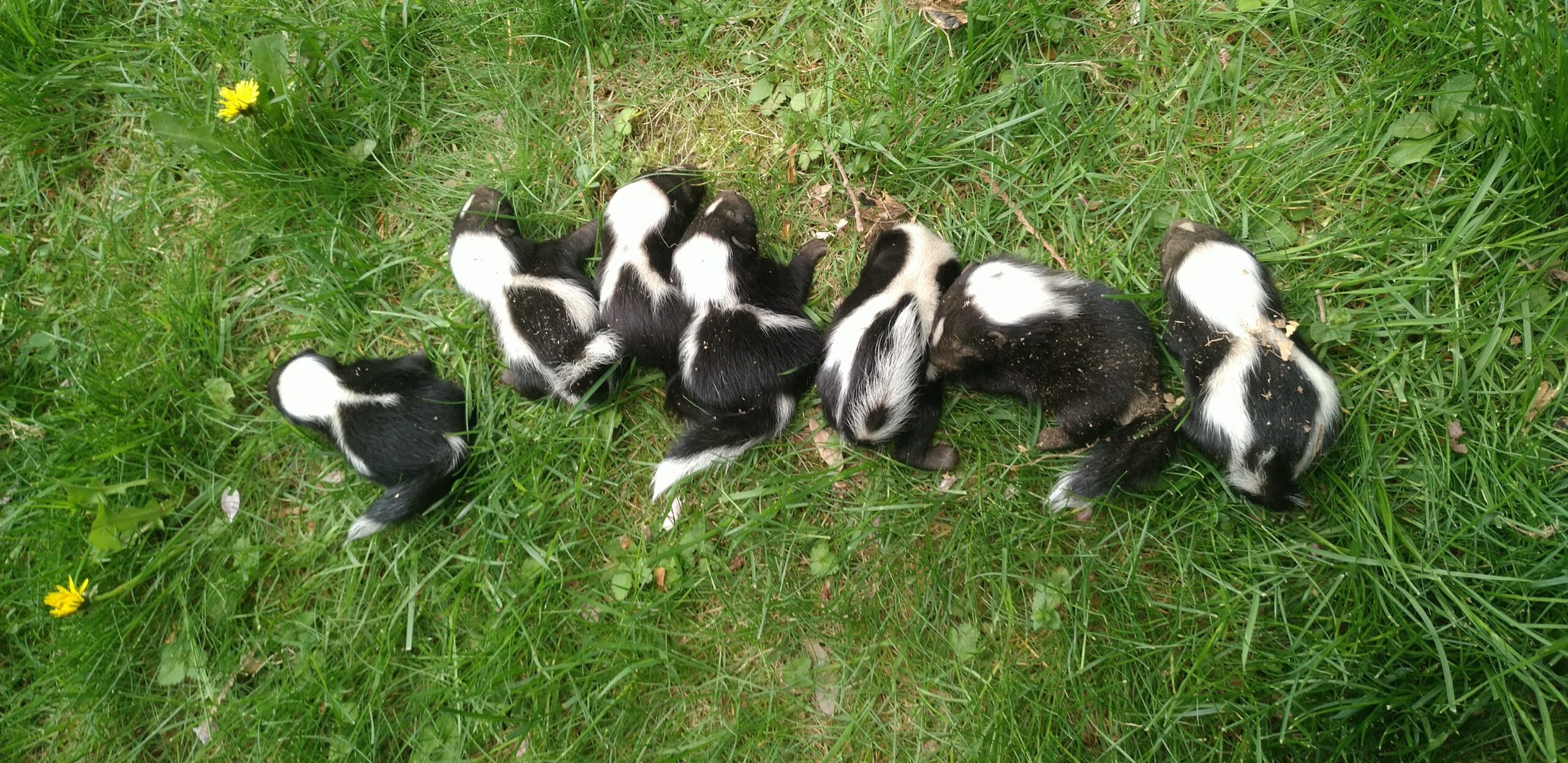
What if I find babies in my yard?
If you do come across baby skunks in your yard, it's important to keep your distance and not touch them. In most cases, their mother is nearby and will return for them after searching for food.
Reclaim Your Lawn From Nighttime Diggers
A healthy lawn and a beautiful garden take a lot of hard work to maintain. It is incredibly frustrating to wake up and see your pristine yard turned upside down by skunks. By understanding how overwatered grass, fallen fruit, and open spaces under your deck attract them, you can clearly see why they chose your property. However, once they settle in, getting them to leave requires a professional touch.
You do not have to live with the damage or the lingering odours. Our experts at Skedaddle Humane Wildlife Control in Kitchener-Waterloo are here to provide safe, effective, and permanent solutions for your home.
We handle the dirty work so you can simply enjoy your backyard again. Contact us today to request an estimate to learn more about our humane removal services. Let us protect your home and keep your yard looking its absolute best!

 Loading...







