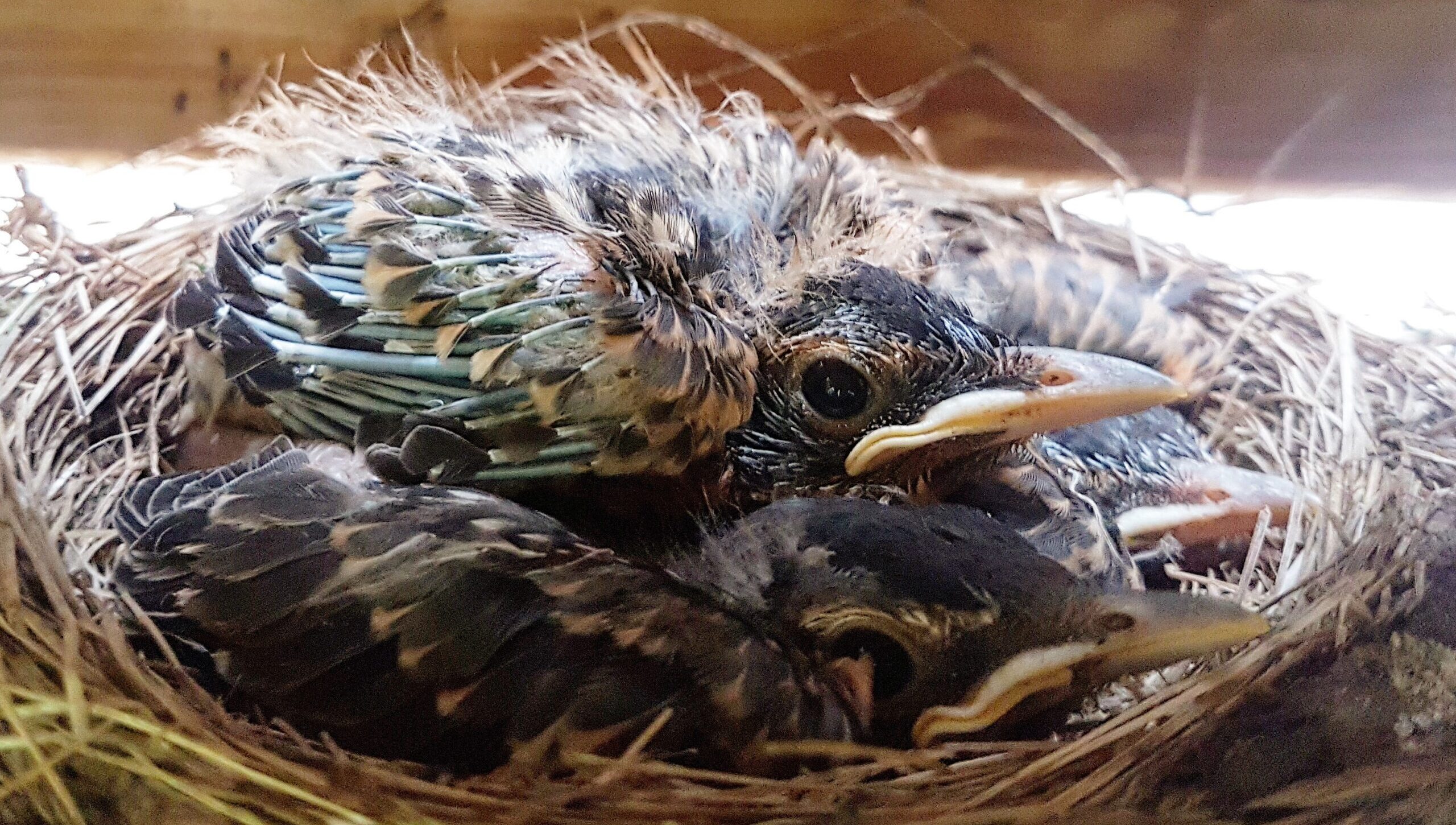
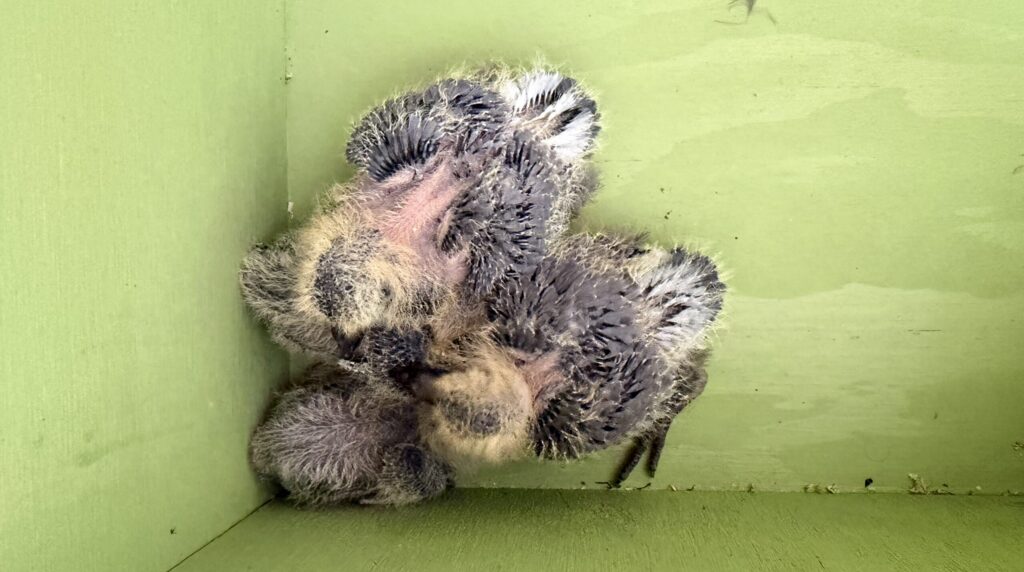
You might hear tiny chirps coming from your roof and wonder if you should take immediate action. The direct answer is no, you should not remove baby birds from your gutters if the nest is active. Disturbing an active nest is often illegal and deeply unsafe for everyone involved. Instead, wait until the chicks leave the nest, which usually takes two to three weeks. After they fly away, our experts at Skedaddle Humane Wildlife Control in Pittsburgh can clear the area and install proper protection.
It is important to address the situation correctly because animal issues escalate quickly. Think about why seeing one rat is rarely a one-time problem. Rats leave behind specific scents and territorial trails that attract other rodents right to your property.
The exact same rule applies to birds and other animals around your house. If one bird finds your roof safe and comfortable, others will notice and follow those same habits. We will guide you through the exact reasons why you should leave active nests alone and how our team handles the mess later.
When do birds lay eggs?
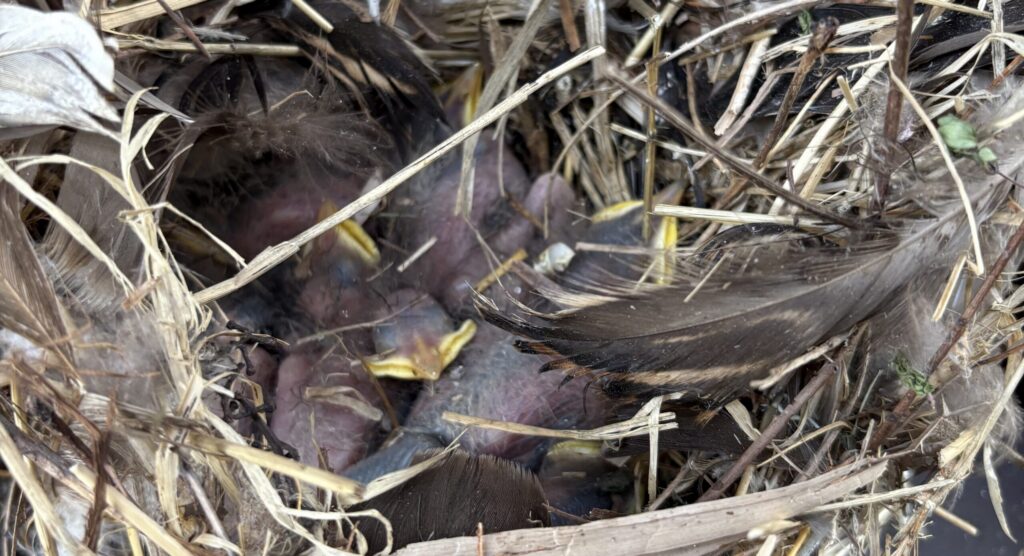
Most birds lay eggs in the early spring, usually between mid-March and late May. The exact timing always depends on the specific species and the local weather conditions in your area. As the days grow longer and temperatures rise, birds actively look for safe, enclosed spaces to build their nests. Your roof system offers the perfect hiding spot from natural predators flying overhead.
The incubation period typically lasts anywhere from 10 to 28 days before the eggs finally hatch. Once the eggs hatch, the parents will spend another few weeks diligently feeding the chicks until they are ready to fly. Because this specific timeline is relatively short, it is much easier to simply be patient. You only have to wait a brief period before the family moves on naturally. Understanding this timeline helps homeowners make smart, humane decisions.
Legal Protection For Nesting Animals
There are many important reasons why you shouldn’t remove baby birds from your gutters while the nest is active. The primary concern is always legality and the physical well-being of the animals. Here is why you must leave them alone:
- Protected by Strict Laws: Many bird species are legally protected by strict federal and provincial laws. This means you cannot touch, move, or destroy an active nest containing eggs or young chicks. Doing so can easily result in heavy financial fines and unnecessary legal trouble. You must always respect these strict environmental regulations.
- Risk of Severe Abandonment: Parent birds are highly sensitive to human interference and sudden environmental changes. If you get too close to the nest, the parents might completely abandon their babies in fear. This leaves the young animals completely unable to survive on their own without their mother. We always want to avoid causing this tragic outcome.
- Proper Timing is Essential: These young animals grow up very fast and leave their birthplaces quickly. You only need to wait a few short weeks for them to leave on their own schedule. It is always better to be patient and wait for nature to take its proper course. The wait is truly shorter than you might think.
Safety Hazards And Health Risks
Handling a nest on your own exposes you to several severe health risks. We always advise homeowners to stay away from the mess entirely. Consider these dangerous factors before making a move:
- Harmful Bacteria Exposure: Nests are constantly filled with fresh droppings and rotting organic materials. These messy elements create a perfect breeding ground for harmful bacteria and microscopic fungi. Breathing in these dangerous particles can lead to severe respiratory issues and long-term sickness. Our professional gear is always required to stay fully protected.
- Parasites and Biting Bugs: Wild birds frequently carry tiny pests like fleas, ticks, and biting mites. If you try to move a nest, these tiny pests can easily transfer to your clothes or bare skin. They might even find their way inside your house and start a massive indoor infestation. Keeping your distance prevents these bugs from spreading around.
- Dangerous Working Heights: Reaching your roof always requires a tall ladder and excellent physical balance. Working at these extreme heights is very dangerous for an untrained homeowner looking for a quick fix. A simple slip on a wet ladder can cause a serious, life-altering injury. Staying on the ground is the smartest and safest choice.
Property Damage From Clogged Systems
Leaving a nest up there forever is not an option either, because it causes massive damage to your home. Once the nest is empty, our professional removal is absolutely necessary to prevent these major structural problems:
- Severe Water Overflow: Abandoned nests completely block the normal flow of rainwater across your entire roof. When rainwater cannot travel down the spout, it rapidly spills over the metal sides. This sudden overflow destroys your landscaping and can easily flood your basement during a heavy storm. Water damage is incredibly frustrating to fix.
- Rotted Exterior Wood: Trapped moisture quickly breaks down your fascia boards and wooden roof eaves. Over time, the wet wood rots away and completely loses its critical structural strength. Fixing this extensive water damage is often very complicated and highly expensive for homeowners. Catching the clog early prevents this from happening.
- Sagging and Broken Metal: Wet nesting debris becomes extremely heavy after a long, soaking rainstorm. The extra weight from a soaked nest can easily pull the metal tracks away from the house. This constant downward pressure causes them to sag, bend, or break entirely off the exterior wall.
Attracting Other Pests To Your Property
Hidden bird nests can create even bigger problems for homeowners if left undiscovered. The leftover debris and scent of birds often attract snakes, raccoons, and other opportunistic predators. These animals are skilled climbers and will use downspouts, siding, or other structures to access the roof. Once they find easy food, they are likely to return regularly, turning your roof into a dangerous hunting ground.
The trouble doesn’t end with predators. Old, abandoned nests become ideal spots for insects to thrive. Ants, beetles, and even cockroaches are drawn to the warmth and shelter these nests provide. Over time, these insects will explore further, sneaking through tiny cracks and gaps into your attic or walls. This can quickly escalate into a frustrating infestation inside your home.
By leaving these nests unattended, homeowners risk more than just a mess. The combination of predators and insects turning your house into their habitat can lead to costly damages and potential health risks. Proactively removing abandoned nests and repairing any related damage is critical to maintaining a safe, pest-free living environment. Our regular roof inspections and professional pest control services can help resolve these issues before they spiral out of control.
Professional Wildlife Prevention With Skedaddle
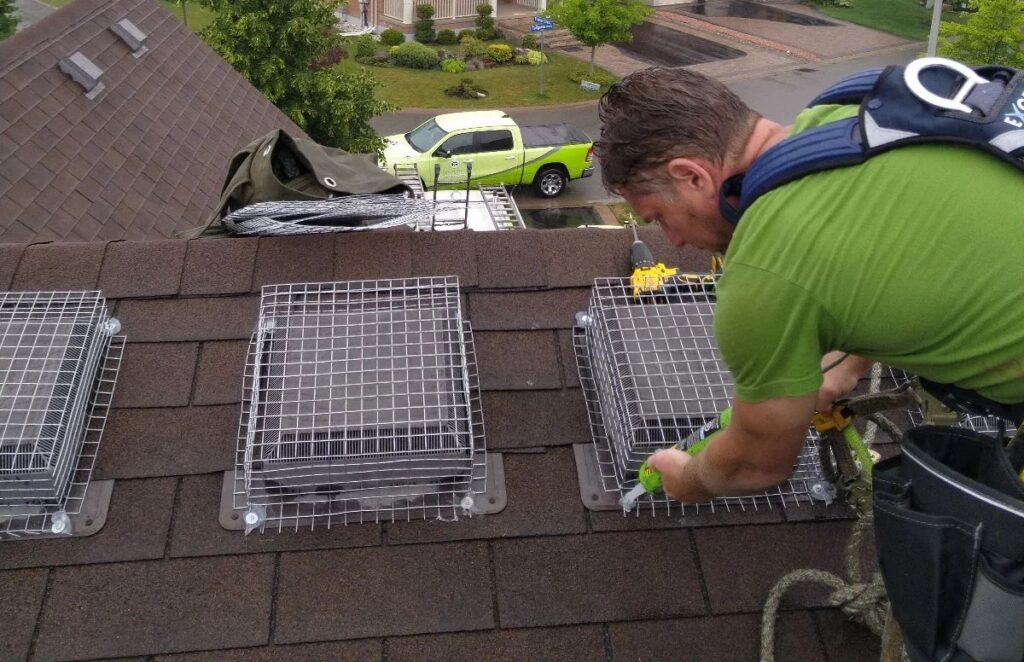
Our team takes pride in providing a long-lasting solution for your home once the wildlife has safely moved on. After removing the nest, we thoroughly clean and disinfect the area to eliminate any harmful bacteria or unpleasant odors left behind. This step ensures your attic or roofline is not only clean but also safe for your family’s health and comfort.
Once the area is sanitized, we install durable materials to permanently seal it and prevent any animals from returning. These strong barriers are designed to withstand changing weather conditions, ensuring they remain effective through every season. We carefully inspect the surrounding roofline, sealing every crack, crevice, or weak spot that could invite future issues.
Our goal is to give you peace of mind by making sure your home is fully protected with humane, professional methods. You can count on us for reliable, long-term solutions that keep wildlife out for good. Whether dealing with birds or other small animals, our services are built to keep your home safe, secure, and stress-free.
Nesting Birds in Pittsburgh: Protecting Your Home and Nature
Pittsburgh’s changing seasons create a welcoming environment for many bird species, including baby birds looking for safe nesting spots. However, your home’s roofline, vents, and eaves can sometimes become an unintended shelter. Protecting both your property and these little feathered friends requires thoughtful, humane solutions.
The region’s mix of older homes and modern architecture brings unique challenges. Many older homes in Pittsburgh have features like slate roofs or wooden trim, which can provide easy access points for birds. Adding to this, Pennsylvania’s seasonal weather can amplify the issue—spring and early summer are prime times for nesting birds, especially after a long winter when animals search for warmth and security.
Local regulations also play a role. It’s important to know that certain birds are protected under state and federal laws, making it illegal to disturb active nests. With this in mind, we use approved, bird-safe methods to address the problem. Our team carefully assesses the situation, ensures we comply with all wildlife protection rules, and provides a safe way to gently encourage birds to relocate if necessary.
Common challenges in the Pittsburgh area include birds like sparrows, starlings, and robins finding entry points through weak rooflines or damaged soffits. Don’t worry—our skilled team seals gaps, fortifies vulnerable spots, and ensures your home is properly prepared to face these issues, season after season.
This approach not only safeguards your home but also positively contributes to wildlife conservation efforts, creating balance and peace of mind for your Pittsburgh household.
Frequently Asked Questions
How long do baby birds stay in the nest?
Most young songbirds stay in their nest for two to three weeks after hatching from their tiny eggs. Once they grow their full flight feathers and gain enough strength, they will leave on their own.
Will birds return to the same nest next year?
Many bird species possess a strong homing instinct and return to the exact same nesting spot every single spring. This is exactly why professionally securing the area after they leave is incredibly important.
Can I move a nest if it is in a bad spot?
No, it is generally illegal and highly unsafe to move an active nest yourself under any circumstances. You must patiently wait until the babies are fully grown and gone before any type of removal takes place.
Do gutter guards keep birds away?
High-quality covers successfully block animals from entering the tight space entirely. They create a flat, slippery surface that is completely unsuitable for building a secure, stable, and warm home.
Are bird droppings actually dangerous?
Yes, the accumulated droppings carry harmful diseases and dangerous fungal spores that can severely harm human health. Our proper protective gear and professional sanitization are totally required when cleaning these highly affected areas.
Let Us Handle The Hard Work
Your home is one of your most important investments, and making sure it stays safe and secure is vital. When faced with wildlife problems, it’s always best to act with care and patience. Although it might seem tempting to remove nests or other debris as soon as you notice them, it is essential to leave active nests untouched until they are empty. This brief waiting period ensures that the animals can safely leave on their own, all while keeping you compliant with strict wildlife protection laws.
At Skedaddle Humane Wildlife Control in Pittsburgh, we specialize in humane and effective wildlife management to safeguard your home. Our trained professionals are ready to step in once the nest is unoccupied, carefully removing debris and implementing long-lasting prevention techniques. We take pride in handling the difficult and messy work so you can enjoy peace of mind without the hassle or risk.
If you’re ready to protect your property and solve your wildlife concerns permanently, we encourage you to contact us for a personalized estimate. With our reliable and experienced team, your home will remain safe, sound, and protected for years to come. Trust us to provide expert service and keep your household comfortable, safe, and wildlife-free.

 Loading...