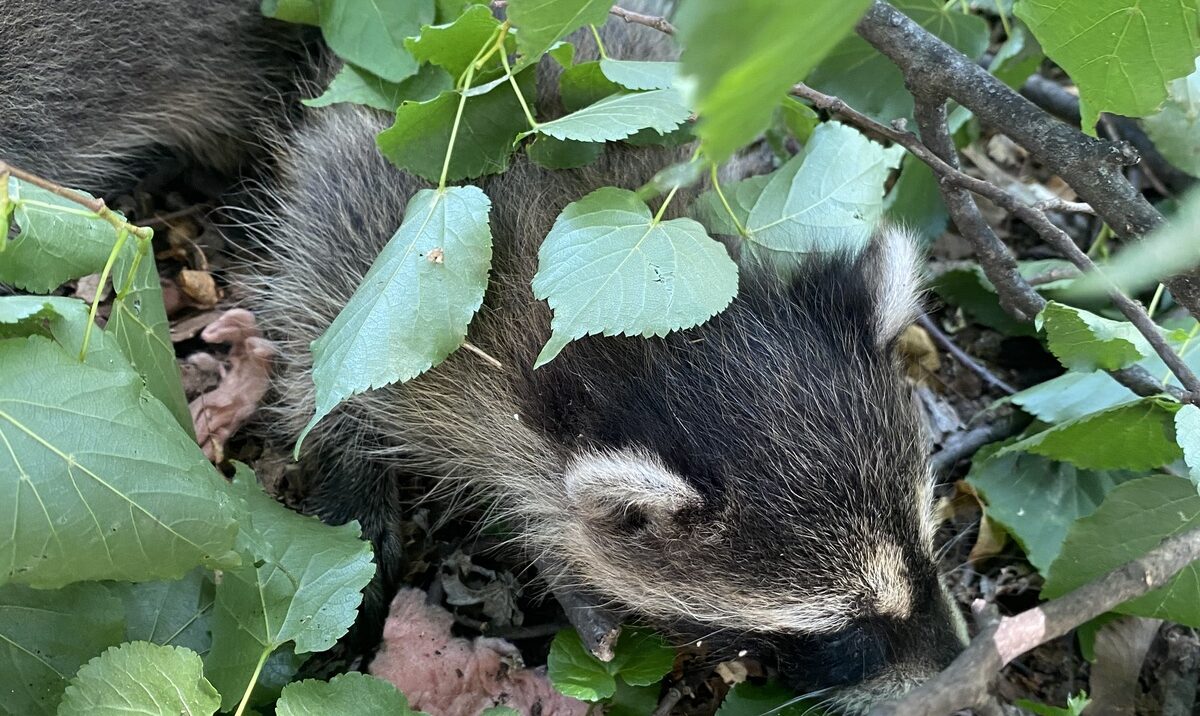
You may see raccoons in your Kitchener backyard after dark because they can find food, water, or a place to rest. Loose garbage lids, spilled seed, leaky taps, and gaps beneath decks can draw them in. Your yard may offer several things they need, which can give them a reason to return.
You might find torn garbage bags in the morning or see movement beside the shed at night. Those visits do not always mean something is living at your home. They may eat in your yard and sleep somewhere else. But repeat use of one gap, sounds from a hidden space, or droppings can point to a problem.
At Skedaddle Humane Wildlife Control in Kitchener, we check your yard and home to find what draws them there. We explain which changes can help and which spaces need our removal and prevention work. You should not approach, touch waste, disturb a den, or close an opening yourself. Below, we cover the main reasons for nighttime visits and how we help make your yard less inviting.
What Attracts Raccoons to Your Backyard at Night?
Food, drinking water, and shelter are the main things that draw raccoons to a yard at night. They can search for food with less noise and movement around them. A bin that is easy to open may become a regular stop. A quiet space nearby can give them a place to rest too.
Food and shelter do not have to be in the same yard. Raccoons may eat near your patio and sleep beyond your fence. They may also rest beneath your deck while finding food elsewhere. One sighting does not tell you where they live or why they came.
We check the whole yard instead of looking only where you saw movement. Our team looks for food within reach, places to drink, and gaps that lead to shelter. This helps us tell a passing visit from regular use of a den. We then plan work to protect your home and reduce the reasons to return.
Food Sources That Bring Repeat Visits
Your yard may offer more than one place to find food. You might notice torn garbage bags but miss the spilled seed near a garden. We look at each source and explain how to limit access.
- Garbage and Food Waste: Loose lids, cracked bins, exposed bags, and food scraps can provide an easy meal. Raccoons may return when they keep finding food in the same spot. We check the bins and the space where waste is stored. Our advice may include stronger lid locks and a safer storage spot that keeps food out of reach.
- Food Near Patios and Barbecues: Food left outside and grease around cooking areas may draw them toward the patio. A visit beside the barbecue does not prove that a den is nearby. We check whether food stays within reach after everyone goes indoors. Our plan can include changes to the setup, while any area with droppings or soiled waste should be left for our team.
- Spilled Seed and Fallen Fruit: Seed beneath feeders and fallen fruit around trees can still be found after dark. These foods may bring visitors even when they sleep on another property. Having a garden or feeder does not mean your home has a problem. We check how much food is within reach and suggest ways to reduce spills through a suitable feeding and yard-care plan.
- Food Beneath the Lawn: Digging can happen when they search for food in the soil. Torn grass does not prove that something lives beneath your deck or shed. We compare the lawn damage with tracks, sounds, and use of nearby gaps. If lawn care is needed, we explain why it may help without claiming that it will solve every part of the problem.
Water Sources That Can Draw Them In
Water can make your yard more useful, especially when it is there each night. Bowls, buckets, puddles, leaky taps, and water features may give them a place to drink. Water alone does not explain every visit. We look at it along with nearby food and shelter.
Our team checks for water that does not need to be there. A dripping outdoor tap or a wet patch that keeps forming may need repair. We point out the issue and explain which type of help is needed. A plumber or yard-drainage expert should handle that work when it falls outside our services.
Ponds, fountains, and pools need their own plan. They cannot all be covered or changed in the same way. A poorly fitted cover or barrier may affect safe use. We suggest steps that suit the feature and the signs we find, rather than telling you to remove every source of water.
Sheltered Spaces That May Become Dens
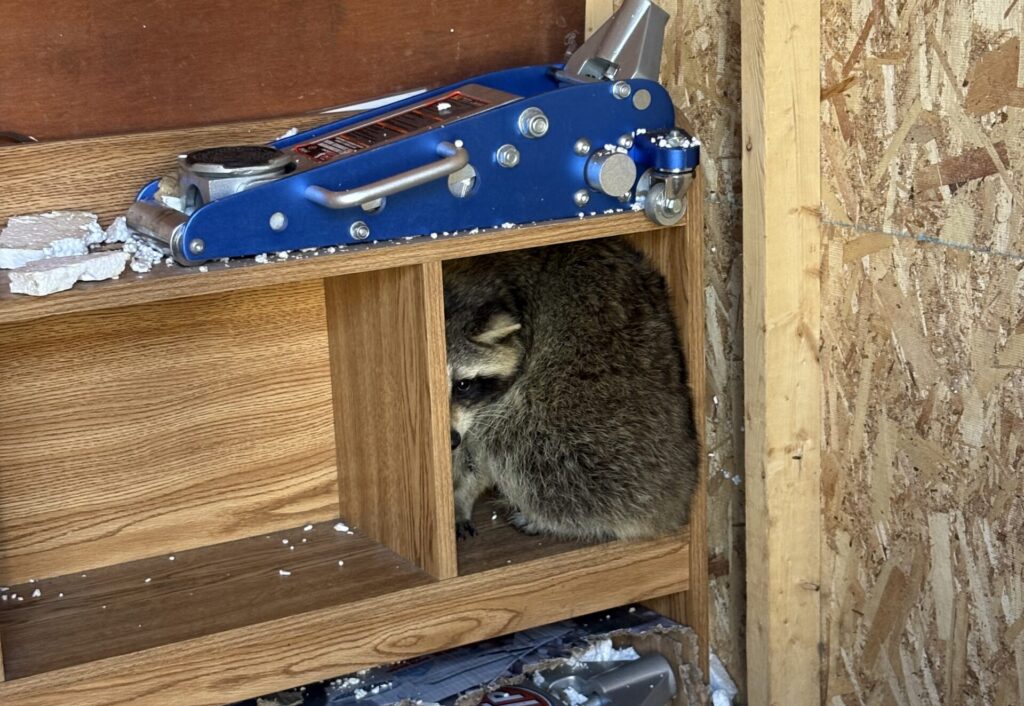
Your yard may offer shelter even when no clear food source is nearby. A quiet gap can give raccoons a place to rest or raise young. We check whether the space is used for a short stop or as a regular den.
- Hidden Gaps Around Stored Items: Spaces around stored items or thick plants near a building may offer cover. Some may be used for brief rest, while others can hide a den. A stack of materials alone does not prove that anything lives there. If signs suggest use, our team should check the space before the items are moved or disturbed.
- Spaces Beneath Decks, Porches, and Sheds: Gaps at ground level can lead to quiet spaces beneath these structures. Repeat trips through one opening tell us more than a single sighting beside it. We check the space and look for young that may still need their mother. Once removal is complete and the area is clear, we can protect the edges against return visits.
- Roof and Attic Openings: Raccoons can climb to loose vents, damaged roof edges, or open chimneys. Seeing one on the roof does not prove that it entered your house. We check the damage and find out where each gap leads. If the space needs removal and protection, our team plans the work before closing the route.
Practical Ways Skedaddle Helps Make the Yard Less Inviting
A useful plan should fit what is happening at your home. The same changes will not solve every yard problem. We explain which steps reduce access to food and water, and which spaces need our hands-on work.
- Keep Stored Food and Waste Out of Reach: We check for weak bin lids, open bags, and food stored where it can be reached. Our advice may include sturdy latches, a safer storage spot, and waste routines that follow local rules. We also look at feeding areas that may bring repeat visits. This gives you a clear plan based on your yard, rather than relying on one new bin to solve everything.
- Deal With Leaks and Unneeded Water: We point out leaking taps, lasting puddles, and containers that hold water near signs of activity. Our team explains when a repair or drainage check could help reduce the draw. A plumber or other skilled worker should complete those repairs when needed. Ponds and other fixed features need a plan that keeps them working and safe to use.
- Close Off Shelter Beneath Structures: We check the gaps beneath decks, porches, and sheds before planning barriers. When the space is clear, we fit strong materials to suit the structure and the ground below it. Some barriers need to reach below the edge to help stop digging. Adults and young must be accounted for before any route is closed.
- Protect Roof Gaps and Check Climbing Routes: We look at damaged vents, roof edges, and other gaps that may lead inside. Our team adds suitable protection where an entry risk is found. Nearby branches or other climbing routes may also lead us to suggest help from a tree-care expert. Tree work alone will not close a hole in the house, so protection of the opening still matters.
These steps address different parts of the problem. Less food may reduce visits, while strong barriers help keep a cleared shelter closed. We explain how both parts fit into the plan so the work goes beyond the first sign you noticed.
When Yard Visits Need Professional Help
A raccoon walking through the yard does not always need removal. The concern grows when there are signs of a den, damage, waste, or entry into your home. Tell us what you have seen without following or going near raccoons.
- The Same Gap Is Used Again and Again: Regular movement beneath a structure or through a roof opening may point to a den. You might see an adult disappear into the same gap on several nights. That pattern helps us decide where to check. Do not block the route to see what happens, since an adult or young may still be inside.
- Waste or Damage Appears Nearby: Droppings, damaged barriers, broken vents, or repeated mess around stored food deserve a closer look. Several clues together tell us more than one mark or torn bag. We check whether the signs point to feeding, shelter, or a route indoors. Leave waste untouched and wait for our inspection before repairing a gap that may be in use.
- Sounds Come From a Hidden Space: Scratching, shifting, or calls beneath a deck may mean the space is being used. Sounds above a ceiling can point to shelter in a different part of the home. Young may stay inside while an adult goes out to feed. We check the space before removal or any work that would stop them from getting back in.
You do not need to search for more clues before calling us. What you have already noticed can help guide our visit. We handle the closer check and decide which areas need removal, cleanup, or protection.
Why a Den Must Be Checked Before It Is Closed
Less food or water does not prove that a den is empty. Raccoons can feed outside your yard and still use your deck or attic for rest. A shelter may stay in use after other changes are made. That space needs its own check and, when needed, a removal plan.
Adults may leave for a while when young remain inside. A quiet space may also hold an adult that is resting away from the entrance. Seeing one leave or hearing no sound for a night does not prove that all are gone. We check the space before barriers close their way in and out.
Removal, barriers, and changes to food access each serve a purpose. Removal clears the space, while barriers protect the gaps that allowed entry. Our yard advice helps reduce other reasons to return. Doing the work in the right order helps protect both your home and anything still inside.
Backyard Activity Around Kitchener Homes
Kitchener yards may have decks, sheds, gardens, fences, and mature plants close together. Green spaces nearby can form part of the wider route through an area. These features alone do not mean your home has a den or entry problem. We check your yard and the signs of how it is being used.
The state of the building matters too. A damaged barrier or open gap can provide access at an old or new home. Age alone does not tell us whether something can get inside. Our team checks the materials, openings, and routes found at the property.
Food and shelter needs may change through the year. Young can also affect how and when removal should take place. A useful plan must fit the conditions we find now. We base our advice on your home rather than assuming every visit has the same cause.
Reduce the Draw and Close the Gaps with Skedaddle
At Skedaddle, we check food, water, shelter, travel routes, and ways into the house. We work out which spaces need removal and which gaps need protection. We also explain yard changes that may reduce repeat visits. You do not need to search hidden areas or go near a den before calling us.
When a space needs clearing, we use humane methods that suit the location and the young that may be present. Our one-way doors allow wildlife to leave but prevent re-entry where they are suitable. We check the occupied space before choosing this method. Gaps are secured at the right stage, once the removal process allows it.
Our team uses strong materials to protect weak entry points and checks for cleanup needs. We also point out repairs that need help from another skilled worker. These may include a leaking tap, a drainage issue, or tree work. Leave waste and suspected dens untouched while we plan and carry out the wildlife work.
Frequently Asked Questions
Do repeat visits mean there is a den in the yard?
No, repeat visits do not always mean there is a den on your property. Food or water may bring them back while they rest somewhere else. Regular use of one gap gives us a stronger reason to check for shelter. We compare that pattern with sounds, damage, and other signs before planning removal.
Can raccoons visit a yard without open garbage?
Yes, garbage is only one thing that may draw them in. Food in the soil, water, shelter, or a route to another place may bring them through your yard. Bins that stay untouched do not explain the whole pattern. We look at the yard as a whole instead of checking only the waste area.
Does lawn digging mean something is living beneath the deck?
No, digging in the lawn may be a search for food in the soil. It does not prove that a den is beneath a nearby deck. Repeat use of an opening, hidden sounds, and other clues need a separate check. You should not crawl underneath or disturb a hole to find out what is there.
Will less food make an occupied shelter empty?
Less food does not always make raccoons leave a shelter. They may eat elsewhere while still resting or raising young on your property. Closing the gap after a food change can leave them trapped inside. Our team checks the space and plans removal before barriers are put in place.
Does one sighting mean removal is needed?
No, one sighting may be a passing visit rather than a sign of a den. Where it happened, how often it happens, and other clues help us decide what is needed. Some homes may need yard advice or protection of weak spots rather than removal. We explain which steps fit the signs found at your property.
Give Nighttime Visitors Fewer Reasons to Return
You may see repeat nighttime visits because your yard offers food, water, shelter, or more than one of these. A feeding visit does not always mean a den is nearby. Regular use of a gap, hidden sounds, damage, or waste gives us more reason to check. Those signs need a closer look rather than a guess based on one sighting.
A practical plan starts with finding what your yard offers. Safer food storage, repairs to leaks, and strong barriers around cleared shelters can all help. We must check whether a space is empty before closing access. Leave waste and suspected dens untouched while our team plans the work.
At Skedaddle Humane Wildlife Control in Kitchener, we find what is drawing raccoons to your home and explain ways to reduce it. We provide humane removal, use one-way doors where suitable, and protect weak entry points. Our team also checks cleanup needs and points out other repairs when needed. Contact us to schedule a professional assessment or request an estimate to learn more.

 Loading...