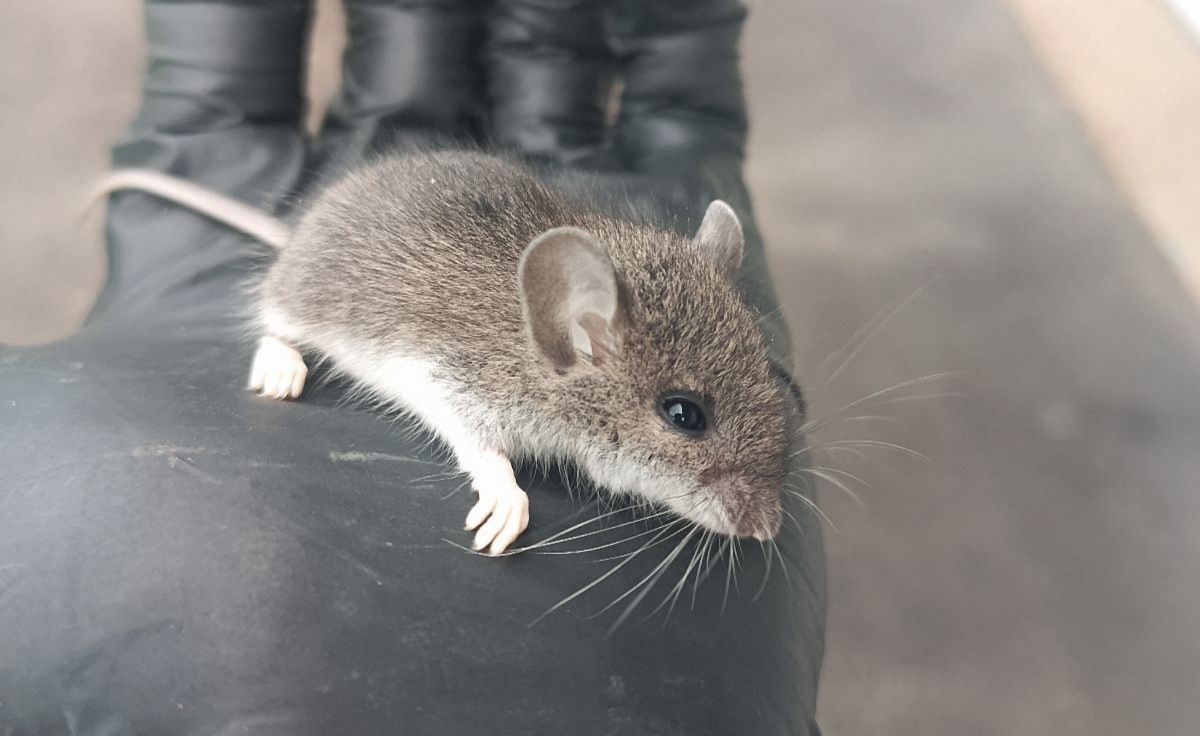
As the Rocky Mountains tower over Denver, homeowners in Lakewood may find themselves overshadowed by a herd of uninvited guests—mice. Every winter, as the temperature drops, the issue of rodents in homes becomes more common and pressing. For many residents, the seasonal battle against these animals can feel overwhelming.
Mice are opportunistic creatures, seeking any available shelter from the cold, and our homes provide the warmth, food, and safety they crave. If you’ve started noticing the rustle of tiny paws behind your walls or the unmistakable signs of gnawing and droppings, you’re not alone. Understanding why mouse problems surge in cold months, what environmental factors affect Lakewood, and how to prevent rodents in cold weather is key to keeping your home safe and healthy this winter.
Why Mice Invade Lakewood Homes as Winter Approaches
Mice are expert survivors of harsh conditions, and their instinct to find warmth intensifies as autumn fades into frigid months. Lakewood, situated near Morrison and the edge of the vast Denver metro area, faces unique environmental challenges. As outdoor supplies of seeds and insects dwindle, mice lose both food and reliable shelter. Human homes stand out in an otherwise chilly landscape—offering not only steady warmth but also easy access to water and food remnants.
Several factors can attract a winter rodent invasion:
- Central heating keeps interiors warm, often attracting rodents to stay through the coldest nights.
- Traditional homes and new builds alike contain small cracks along foundations, gaps around windows, and utility line entries—easy pathways for sneaky rodents.
- Proximity to natural areas, like those near Morrison, increases the odds of wildlife seeking shelter in our neighborhoods.
Once inside, mice quickly multiply. A single pair can turn into dozens rapidly, leading to a full-blown infestation before spring. Understanding this annual cycle is the first step in mounting an effective defense against winter rodents.
Unique Environmental Factors Contributing to Rodent Infestations
Lakewood’s distinctive geography, climate, and housing patterns work together to create prime conditions for mice looking for shelter as temperatures drop. Our homes are often located near open spaces, parks, and wooded areas. Features that make this community scenic also increase our exposure to wildlife.
Several key environmental factors contribute to the increased risk of winter rodent invasion:
- Seasonal Weather Shifts: Sudden cold snaps force mice to seek warm, stable environments rapidly. The area’s fluctuating autumn and winter temperatures leave them searching for immediate refuge.
- Housing Age and Design: Older neighborhoods have homes built with materials that may have gaps or settle over time, while newer developments can have construction-related entry points that go unnoticed.
- Urban-Nature Interface: Living near Morrison and other green corridors brings humans and wildlife into frequent contact, raising the likelihood of mice entering homes as the outdoor environment becomes inhospitable.
- Landscape Features: Bird feeders, compost bins, and woodpiles offer mice food and shelter close to the house, further elevating the risk.
By recognizing how the environment impacts rodent behavior, homeowners can make informed decisions when defending their property.
The Most Common Signs of a Winter Rodent Invasion
Early detection is critical to stopping infestations before they escalate. In our decades of experience, we’ve found that these are the most frequent warning signs residents notice:
- Noises in the walls or attic, especially at night when mice are most active
- Small, rice-shaped droppings in pantries, along baseboards, or under sinks
- Gnawed food packaging, electrical wires, or holes in insulation
- Nests of shredded paper, fabric, or dried vegetation in hidden corners
- Strong ammonia-like odors lingering in enclosed spaces
- Scratching or scurrying sounds after dark
If you notice one or more of these indicators, a larger population is likely hidden from view. A single mouse sighting usually means many more are nesting behind the scenes. This situation not only presents a nuisance but also poses real risks to your family’s health and your home’s integrity.
Let’s explore prevention strategies that target the root causes rather than relying on temporary fixes.
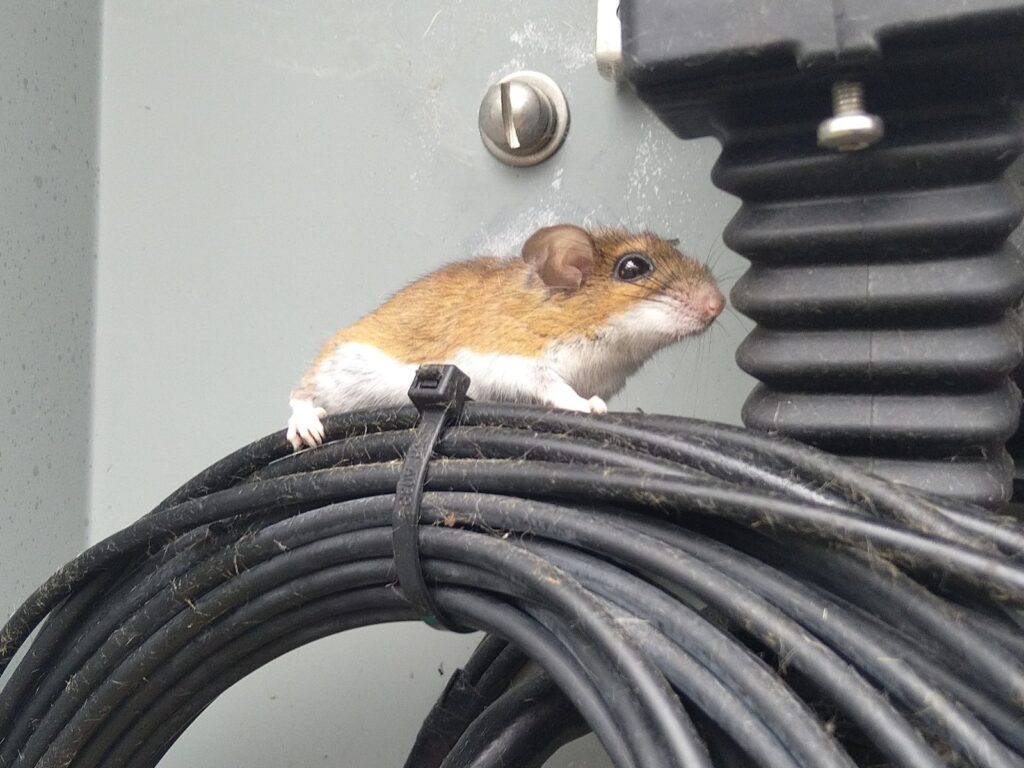
How to Prevent Mice in Cold Weather: Proven Strategies for Homes
Prevention always trumps remediation, especially with fast-breeding animals like mice. The secret to effectively preventing rodents in cold weather is twofold: understanding their behavior and sealing every possible entry, tailored to the quirks of homes.
Our hands-on experience has shown that mice can slip through gaps as small as a dime, making even the tiniest openings important to address. While traditional traps and poisons might remove a few rodents, they rarely solve the root problem, leaving entry points and attractive habitats untouched. That’s why thorough inspections are essential. Focusing on areas like weep vents, foundation cracks, utility lines, attic vents, and loose siding can make all the difference, especially where a mix of older and newer construction presents unique challenges.
Our team follows a comprehensive, systematic approach:
- We conduct a thorough examination of the entire exterior and interior, from basement to attic, searching for subtle signs and tiny holes.
- We use heavy-gauge steel screening and specialized exclusion sealant, designed to withstand Colorado’s seasonal extremes, to block every route in.
- We remove contaminated materials and provide advice on how to safely clean and restore affected areas, ensuring your home is secure and healthy.
By acting early, you save yourself from not just the stress of a winter rodent invasion but also from unnecessary property damage and health hazards.
Practical Entry Point Sealing Tips for Residents
Effective mouse-proofing requires expertise and attention to detail. Weather conditions can cause building materials to expand and contract, creating new gaps each season. Sealing these vulnerable points is vital to keeping rodents outside year-round.
Homeowners should pay close attention to common entry points where rodents can gain access. This includes gaps around exterior doors and window frames, openings where utilities and pipes enter walls, and foundation cracks, weep vents, or settled bricks. Attic and roof vents, especially those near overhanging branches, are also vulnerable, as are garage and crawl space vents. Addressing these areas proactively can significantly reduce the risk of a rodent infestation.
Some important tips for sealing your home:
- Use weather-resistant materials to protect your home from small animals and the elements.
- Apply high-quality, flexible exterior sealants to cracks and gaps, allowing for movement with seasonal weather.
- Install door sweeps and ensure garage doors close tightly.
- Store food in airtight containers and promptly clean up crumbs and spills, reducing what attracts mice in the first place.
Regularly checking and maintaining these seals—especially after seasonal snow, heavy rain, or temperature swings—enhances protection against rodent entry.
Our Comprehensive and Humane Approach to Mouse Removal and Prevention
At Skedaddle, we know that no two homes—or rodent invasions—are ever the same. That’s why our strategy is built around thorough inspections, proven exclusion methods, and a focus on long-term results for homeowners.
Our wildlife technicians begin with a detailed assessment, identifying subtle signs of activity that might be missed by untrained eyes. We explain every finding so you understand where vulnerabilities exist. Rather than relying on short-term fixes like traps or poisons, we seal each entry point with durable, weatherproof materials. One-way doors are used to let mice exit safely without re-entry, protecting your family while remaining humane. Cleaning and restoration are included, with removal of contaminated insulation or debris and guidance on safe restoration options. Additionally, we provide advice on outdoor maintenance—such as managing compost, securing trash, and trimming vegetation near your foundation—to add an extra layer of protection.
These measures are designed specifically for climate, construction styles, and local rodent behavior. Our goal is to help you enjoy peace of mind all winter long.
When you understand the reasons behind winter rodent invasion and take proactive steps now, you can prevent damage, health risks, and the frustration of repeated infestations. The journey to a safe, rodent-free home begins with a single step: a thorough inspection and a plan customized for your property. Let’s take action before mice can make themselves comfortable for another long winter.

Take Back Your Home from Winter Pests
When winter cold settles, rodents waste no time seeking refuge in the warmth of your walls and ceilings. These unwelcome guests don’t just sneak inside for shelter—they reproduce rapidly, cause structural and electrical damage, and pose genuine health risks to your family. With Lakewood’s distinctive environment and home construction, even the smallest vulnerability can lead to a significant infestation if not addressed swiftly.
You don’t have to tackle this challenge alone. Skedaddle’s proven, humane approach is tailored for homes—identifying every entry point, employing durable exclusion techniques, and ensuring a thorough cleanup of hazardous droppings and materials. Don’t let another winter go by worrying about rodent activity in your home. Reach out to Skedaddle today for a comprehensive inspection and lasting protection, so you can enjoy a safe, rodent-free home all season long.


 Loading...







