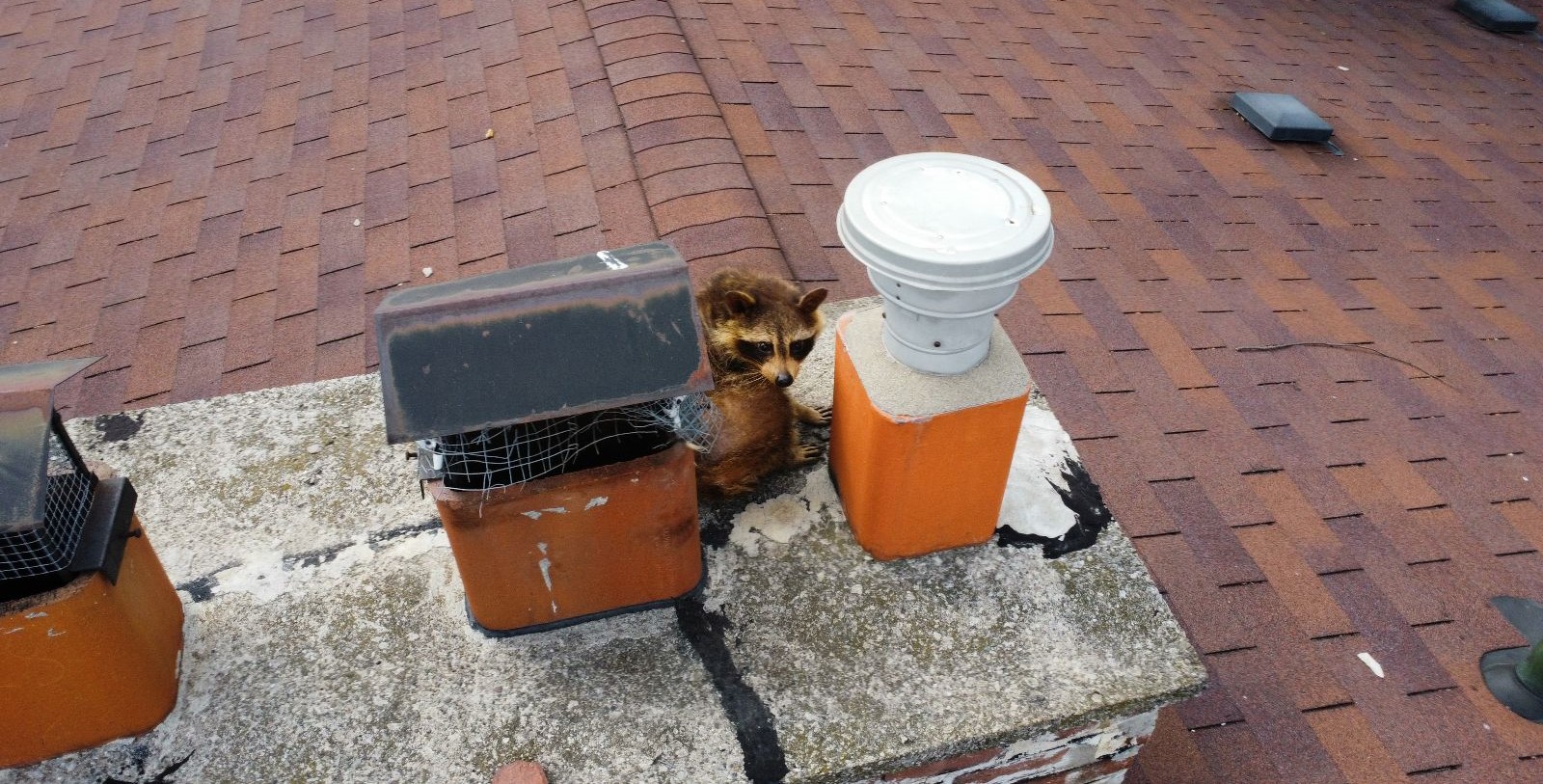
You may not think much about your chimney unless you use your fireplace. But when warm weather arrives, chimneys can quickly become a target for animals looking for shelter. These spaces are dark, warm, and protected, which makes them attractive during nesting season.
In London, our team at Skedaddle Humane Wildlife Control often sees how common raccoons in the chimney really are. From above, a chimney can look like a hollow tree. Once a raccoon finds a way inside, the space can be used quietly for weeks before sounds, smells, or damage become noticeable.
Knowing how raccoon chimney entry happens helps explain why chimney wildlife removal is often needed. In this blog, we explain how common this problem is, the steps raccoons take to get into chimneys, and what needs to happen to resolve the issue safely.
Why Chimneys Attract Raccoons So Often
During spring, raccoons look for nesting spaces that feel safe, quiet, and protected. Chimneys meet those needs in ways many homeowners do not expect. Once access is available, a chimney can quickly turn into a preferred nesting site. Why are chimneys the best spot for raccoons?
- Chimneys Copy the Shape of Natural Dens: In the wild, raccoons raise their young in hollow trees. A chimney has a similar tall and enclosed shape. This makes it feel familiar and secure. Because of this, raccoons may choose chimneys over other parts of a home.
- The Space Stays Undisturbed for Long Periods: Many chimneys are not used daily, especially outside of winter. This creates long stretches of quiet time. Quiet spaces help raccoons feel safe while resting or caring for young. The lack of disturbance encourages them to stay.
- Roof Access Makes Entry Simple: Raccoons are strong climbers and move easily across rooflines. Once on the roof, the chimney is easy to reach. If a cap or flashing is damaged, entry can happen quickly. This makes chimneys a common target during nesting season.
Step 1: Rooflines Lead Raccoons Toward Chimneys
Raccoons are strong climbers and skilled movers. Rooflines provide natural pathways across a home, especially where branches, fences, or neighbouring structures offer access.
From the roof, a chimney becomes easy to reach. Flat surfaces and nearby ledges allow raccoons to explore safely. Chimney caps that are loose, damaged, or missing can quickly become entry points.
This is often the first step in raccoon chimney entry. Once the roof is accessible, the chimney becomes part of the animal’s regular movement pattern.
Step 2: Chimney Caps Are Tested or Displaced
Many chimneys have caps designed to keep debris and animals out. Over time, these caps can weaken, shift, or break. Raccoons are curious and persistent, especially when searching for a nesting space.
A raccoon may push, pull, or climb onto the cap to test it. If the cap moves or bends, access becomes easier. Even small gaps can allow entry once the animal finds the right angle.
When caps fail, raccoons in the chimney become much more likely. This step often happens without noise, making it hard to notice right away.
Step 3: The Chimney Becomes a Nesting Space
Once inside, a chimney can quickly turn into a nesting site. The interior provides darkness, warmth, and protection from weather. These conditions are ideal for raising young.
Mother raccoons may bring nesting materials down into the chimney. Babies remain hidden while the mother enters and exits. This is often when scratching, chirping, or thumping sounds begin.
At this stage, chimney wildlife removal becomes more complex. Babies cannot leave on their own, and timing matters to avoid problems inside the home.
Step 4: Activity Increases as Babies Grow
As babies grow, movement inside the chimney increases. Sounds may become louder and more frequent. Activity often peaks early in the morning or at night.
Homeowners may notice:
- Repeated Noises Near the Fireplace: Noises may come from inside the chimney or fireplace area. These sounds often repeat throughout the day or night. As babies move more, the noise becomes harder to ignore. Repeated sounds usually mean the space is being used daily.
- Scratching or Rustling Sounds: Scratching and rustling can happen as animals shift or climb inside the chimney. These sounds may travel down into the home. They often increase as babies grow and become more active. The noise can seem random but follows a daily pattern.
- Strong Odours From the Chimney: Odours can develop as the chimney is used more often. Nesting materials and waste build up over time. These smells may move into living spaces through the fireplace. Strong odours are a sign the chimney is being used regularly.
This activity is a clear sign that raccoons in the chimney are no longer just passing through. The space is being used daily, which can increase damage over time.
Why Raccoons Choose Chimneys Over Other Spaces
Chimneys offer advantages that attics or walls may not. They are vertical, enclosed, and harder for predators to access. Many chimneys are also unused for months at a time.
For raccoons, a chimney can feel like a natural tree hollow. The shape and height provide security. This explains why raccoon chimney entry happens even in well-maintained homes.
Once established, the chimney may be reused in future seasons unless properly protected.
Risks of Leaving Raccoons in the Chimney
Leaving raccoons in the chimney can lead to several problems. Damage to chimney liners, caps, and nearby roofing materials can occur. Nesting debris may also block airflow.
Health concerns can develop as waste and nesting materials build up. Odours may enter living spaces, and insects may be attracted to the area.
These risks are why chimney wildlife removal should be handled carefully and at the right time.
How Chimney Wildlife Removal Is Handled Professionally
When raccoons are confirmed inside a chimney, removal must be planned. Timing depends on whether babies are present and how the animals are using the space.
One-way doors may be used to allow adult raccoons to exit without returning. This prevents panic and limits damage. Doors are temporary and removed once activity stops.
After the chimney is clear, protection is installed to prevent future access. This process keeps removal humane and effective.
Why Baby Season Changes the Timeline
Spring baby season affects how quickly removal can happen. Babies rely fully on the mother and cannot exit on their own. Sealing too early can trap them inside.
During this time, monitoring is required before final protection is installed. Removal may take longer, but careful timing prevents bigger problems later.
This is why raccoon chimney entry should never be rushed. Patience protects both the home and the animals involved.
Preventing Repeat Chimney Entry
Once removal is complete, prevention becomes the priority. Chimney access points are reinforced to stop return visits.
Protection may include:
- Securing Chimney Caps Properly: Chimney caps help block access from above. If a cap is loose or damaged, raccoons can push their way inside. Securing the cap properly helps keep the opening closed. This removes one of the most common entry points.
- Reinforcing Roofline Access Points: Raccoons often reach chimneys by travelling along roof edges. Weak spots along the roofline make access easier. Reinforcing these areas limits movement across the roof. This makes it harder for raccoons to reach the chimney again.
- Blocking Repeat Entry Paths: Raccoons often return to places they used before. Blocking past entry paths helps stop this behaviour. When familiar routes are no longer available, return visits are less likely. This helps protect the chimney in future seasons.
These steps help reduce the chance of raccoons in the chimney returning in future seasons.
Chimney Wildlife Removal You Can Rely On
Raccoons getting into chimneys is a common issue, especially in spring. Knowing how raccoon chimney entry happens helps explain why professional removal is important.
If you are dealing with raccoons in the chimney or need help with chimney wildlife removal, professional support ensures the situation is handled safely and correctly. Skedaddle Humane Wildlife Control provides humane solutions designed to protect homes long-term.
Request an estimate to learn more about your options.

 Loading...







