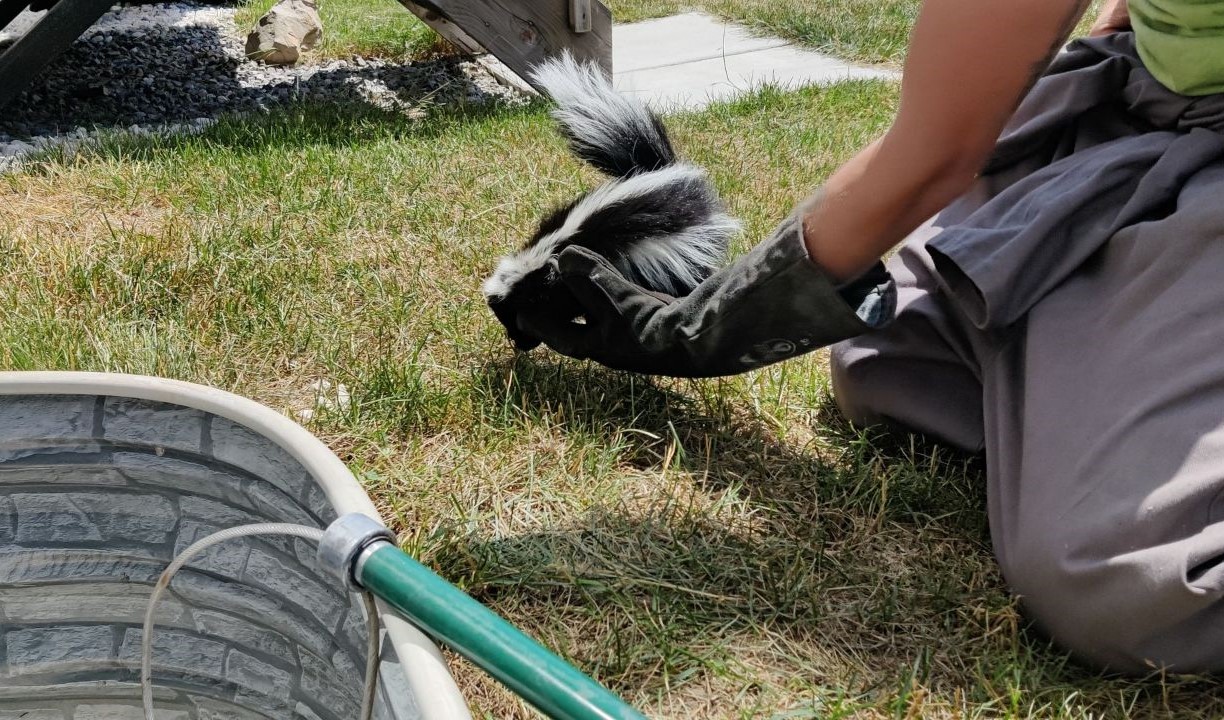
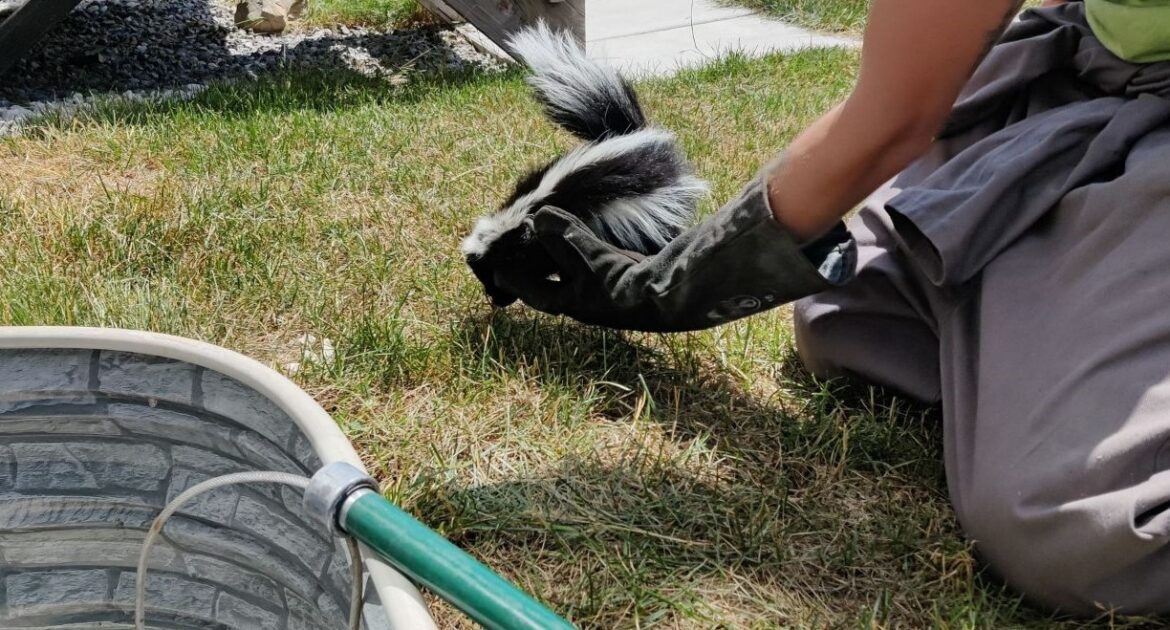
As temperatures drop and winter sets in, many London homeowners and businesses are surprised to discover skunks under their decks. The cold months encourage these creatures to seek warm, hidden spaces, and your deck can be an inviting shelter. It’s easy to underestimate the seriousness of this situation until a sudden, lingering odour or unexpected animal encounter transforms your property into a seasonal challenge.
At Skedaddle, we understand the balance between removing wildlife and appreciating the ecological role of skunks, especially during the harsh months, and we’re here to help you protect both your home and the local environment.
Understanding Skunk Behaviour in Winter
Skunks in London do not hibernate. Instead, they enter a state called torpor, where their activity significantly drops but they do not sleep through the entire winter. This is why skunks may remain unseen for weeks while under your deck, venturing out only occasionally in search of food and water.
During winter, skunks:
- Seek out quiet, insulated spaces such as the ground below decks, porches, or sheds.
- Use existing holes, gaps, or soft earth to dig their way in.
- Stay mostly inactive for long stretches, venturing out only during mild spells.
Signs that skunks have moved under your deck often include faint odours, small piles of dirt, and visible holes near the structure. These creatures prefer digging for shelter over climbing, so watch for freshly disturbed earth rather than entry from above. Understanding these behavioural patterns helps us address concerns with empathy and accurate information, paving the way for humane and effective solutions.
Ecological Benefits: Why Skunks Matter
While discovering skunks under the deck in winter can be alarming, it’s worth recognizing their important contributions to the urban ecosystem. Rather than treating them as nuisances to be eliminated, we encourage a thoughtful approach that balances well-being with respect for wildlife.
Skunks provide several ecological benefits throughout winter:
- Natural pest control: Their diet includes grubs, beetles, larvae, and other insects that can damage lawns and gardens.
- Rodent management: Skunks consume mice and small rodents, helping to reduce the local population.
- Limiting overpopulation: Skunks serve as both predator and prey, contributing to a balanced ecosystem.
Understanding these positive effects can foster community tolerance and support for humane approaches. A thoughtful perspective on winter wildlife allows us to engage with our surroundings rather than seeing every encounter as an emergency.
How Do Skunks Behave Under Decks During the Winter?
When skunks settle under structures for winter, their behaviour adapts to the environment:
- They choose sites that offer insulation, dryness, and obscurity from predators.
- Movement is minimal during long cold spells; activity increases during milder weather.
- They usually establish and maintain a single entry and exit point.
Skunks are generally non-aggressive but will defend themselves if startled, especially in confined spaces beneath decks. To recognize their presence, look for these signs: soil disturbances, faint skunk odours, and occasionally seeing a skunk emerging during a thaw.
Recognizing that skunks seek shelter rather than confrontation can help deescalate stressful situations, further supporting humane approaches.
Prevent Skunks Under the Deck: Smart Steps for Homeowners
The best way to deal with skunks in winter is through prevention, especially before the ground freezes. Protecting your property requires a combination of observation, maintenance, and proactive strategies—many of which we handle expertly at Skedaddle.
Several effective steps to help prevent skunks from settling include:
- Inspect the perimeter of your home, shed, and deck in the fall for any openings or signs of digging.
- Remove attractive food sources by keeping garbage secured, clearing fallen fruit, and storing pet food indoors.
- Trim vegetation and clear debris from around the area to reduce cover for wildlife.
- Fill existing holes and reinforce vulnerable areas with heavy-gauge wire mesh.
- Schedule a professional wildlife inspection to assess risk and recommend tailored solutions.
These actions not only discourage skunks but also help protect against other wildlife seeking shelter.
If you suspect skunk activity or want to ensure your space is protected, our Skedaddle team can provide expert guidance and physical reinforcement. Our process involves thorough inspection and durable exclusion to keep your home safe year-round.
Winter Skunk Removal Tips: Humane, Effective, and Safe
Removal of skunks under your deck in winter can become complicated by the animals’ dormant state and the frozen soil. Our approach at Skedaddle emphasizes the safety of both homeowners and the animals themselves, using humane and proven methods developed with over 30 years of experience.
Our winter skunk removal tips include the following:
- Never attempt removal if you suspect babies may be present, as mother skunks are particularly defensive during this time.
- Do not block entry points without ensuring all animals have vacated, or you risk trapping them inside.
- Use professional assessment to detect less obvious entry points or hidden dens.
- Wait for natural mild spells when skunks may emerge voluntarily, then install one-way doors to enable exit without return.
- Allow experienced technicians to handle screen installation and any necessary clearing or cleaning safely.
We at Skedaddle make wildlife removal as safe, clean, and stress-free as possible—protecting both the human and animal residents of London. All contaminated materials are removed, and deodorizing products are applied as needed.
With our hands-on humane approach, we help prevent unnecessary suffering, reduce the likelihood of property damage, and foster a sense of respect for urban wildlife.
The Skedaddle Difference: Long-Term Prevention and Peace of Mind
Effective skunk control isn’t just about addressing this winter’s problems but securing your property for the future. Our technicians are trained to dig and install tough barriers around decks, porches, and sheds, preventing future entry by skunks and other wildlife.
Our preventive process typically involves:
- Digging and burying heavy-gauge steel mesh 8-12 inches below ground level.
- Sealing all existing holes and weak points in the structure.
- Restoring the appearance of your yard or garden by blending new barriers with your landscaping.
- Advising you on additional steps to further wildlife-proof your property.
You’ll also benefit from our years of local experience, specialized tools, and a commitment to both customer service and animal welfare. Throughout each step, our technicians provide clear explanations and compassionate service.
Now that we’ve explored the hidden problem of skunks in winter, their ecological benefits, and the best ways to ensure safety through prevention and humane removal, you’re prepared to make informed decisions for your home and your community.
Safeguard Your Home and Embrace Peaceful Coexistence
Winter invites skunks to seek shelter beneath structures, often going unnoticed until an unmistakable odour signals their presence. Recognizing their valuable ecological roles, it’s essential to address these situations with both care and expertise. Proactive inspection, maintenance, and humane intervention are key to preventing unwanted encounters and ensuring skunks do not become a recurring winter challenge.
Don’t let your home become the next den site for skunks this season. Skedaddle’s highly trained technicians combine thirty years of local experience with compassionate, hands-on methods to deliver safe, thorough wildlife removal and long-term prevention. If you suspect skunk activity or want to prevent future issues, contact Skedaddle for a professional assessment today. Embrace lasting peace of mind, knowing your property and the surrounding wildlife are protected year-round.

 Loading...







