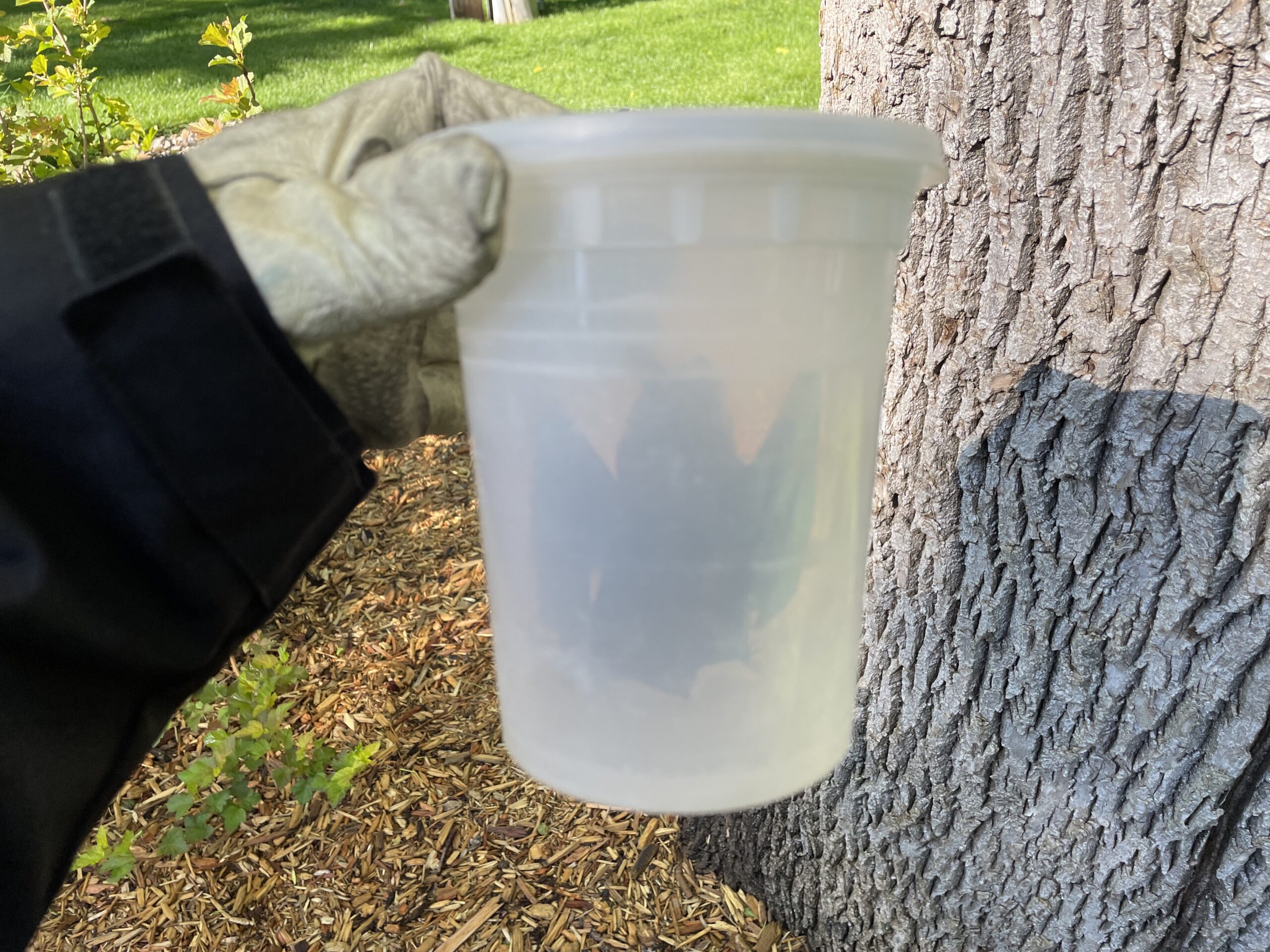
Winter in Madison is beautiful, but it is also very cold. When the snow starts to fall and the wind picks up, you probably rush inside to turn up the heat and get comfortable. You are not the only one looking for a warm place to stay safe from the freezing temperatures.
While many animals migrate south or dig holes in the ground, others look for a spot closer to where you live. You might be wondering if your house could be a target for local wildlife. Specifically, do bats hibernate in Madison homes during winter?
The answer is yes. These flying mammals often choose houses as a safe place to sleep through the cold months. Your attic or walls offer the perfect protection they need to survive until spring. While they are fascinating animals that help the environment by eating insects, you definitely do not want bats hibernating in homes. They can cause damage and leave behind messes that are unsafe for your family.
It is important to know that you should never try to handle this problem on your own. These animals are protected, and removing them during winter is complicated. You need to let professionals handle the situation to make sure it is done legally and safely. If you suspect you have bats in your attic, our team at Skedaddle Humane Wildlife Control is here to help. We use humane methods to protect your home.
In this blog, we explain why bats hibernate in Madison homes, where they hide during winter, and why professional bat removal is the safest way to protect both your home and these protected animals.
Why Your Home Is the Perfect Winter Shelter
To understand why these animals enter your house, it helps to think about what they need to survive winter. In the wild, they look for caves or deep rock crevices because those spaces stay at a steady temperature above freezing, even during extreme cold. In cities, these natural shelters are rare or completely unavailable, which forces them to look for other safe places to hibernate.
Your home acts like a large, man-made cave. It provides warmth, blocks harsh wind, and keeps predators away. As temperatures drop, these animals enter a state called torpor, which is a deep sleep that helps them save energy. To survive, they need a space that stays cool but not freezing and does not warm up too much. Attics and wall spaces often provide the stable conditions they are looking for.
The Attic: A Bat’s Favorite Bedroom
The attic is the most common place to find a colony during the winter. Since heat rises, your attic captures a lot of warmth from the rest of your house. It is also usually dark and quiet because you probably do not go up there very often. This makes it the ideal spot for bats to rest undisturbed.
These animals are very small. They can squeeze their bodies into tiny gaps in your insulation. They might also hang from the rafters or tuck themselves into the soffits. Because they are in a deep sleep, you might not hear them at all. However, on warmer winter days, they might wake up and move around to find a better spot.
Here is why the attic is so attractive to them:
- Thick Insulation: Insulation traps heat inside the attic, creating a warmer environment than the outdoors. Bats can nest beneath or within this material to reduce heat loss during cold nights. The insulation also helps buffer temperature changes, allowing them to remain in a stable resting state longer.
- Rough Wood Surfaces: Wooden beams and rafters provide strong, textured surfaces that are easy to grip. Bats rely on these surfaces to hang safely while resting. The structure of attic framing gives them many secure spots to settle without slipping or falling.
- Ventilation: Attic vents allow air to circulate slowly without creating strong drafts. This airflow helps manage humidity levels inside the attic. Proper humidity is important for keeping wings from drying out during long periods of rest.
Hiding Inside Your Walls
While the attic is popular, these animals also love the spaces inside your walls. This can be even more concerning because it brings them closer to your living space. If there is a gap in your siding or a hole near a window frame, they can crawl right into the wall void.
Once inside the wall, they can move up and down to find the perfect temperature. If it gets too cold near the top of the wall, they might crawl down closer to where your heating pipes run. This ability to move makes them hard to locate without professional tools.
If they are in your walls, you might notice:
- Scratching Sounds: Light scratching or squeaking noises may be heard through walls, especially at night or early morning. These sounds often occur when bats briefly wake and reposition themselves. Because walls carry sound easily, even small movements can seem louder.
- Stains on Walls: Over time, oils from fur can leave dark marks near entry points outside the home. These stains usually appear where bats repeatedly enter or exit. They often develop slowly and are easy to miss at first.
- Drafts: Small holes used for entry can allow cold air to pass through outlets or switch plates. You may feel unexplained drafts in certain rooms. These air leaks often point to hidden openings inside the wall system.
Chimneys and Vents offer Easy Entry
Another common place for these animals to hibernate is inside chimneys and vents. Your chimney is essentially a large, open tunnel that leads straight into a warm, sheltered area. Even if you have a chimney cap, if it is loose or has a hole, a small animal can easily slip inside.
Brick chimneys are especially easy for them to climb. The rough texture of the brick or stone gives them plenty of places to hang on. They might roost near the top of the chimney or go further down to stay warm. Vents for your dryer or bathroom fans are also risky. If the external covers are broken or missing, it is like opening a front door for wildlife.
Why chimneys and vents are vulnerable:
- Direct Path: These openings provide a straight route from outdoor cold into the warmth of the home. Once inside, bats can settle in areas protected from wind and snow. The structure itself helps retain heat.
- Neglected Maintenance: Chimneys and vents are often overlooked during regular home checks. Damage can go unnoticed for months or even years. This creates long-term access points that remain open season after season.
- Warm Airflow: Warm air escaping through vents acts as a signal during winter. Bats are drawn to this heat as they search for safe places to rest. Over time, vents become familiar and repeatedly used entry points.
The Problem with Winter Wake-Ups
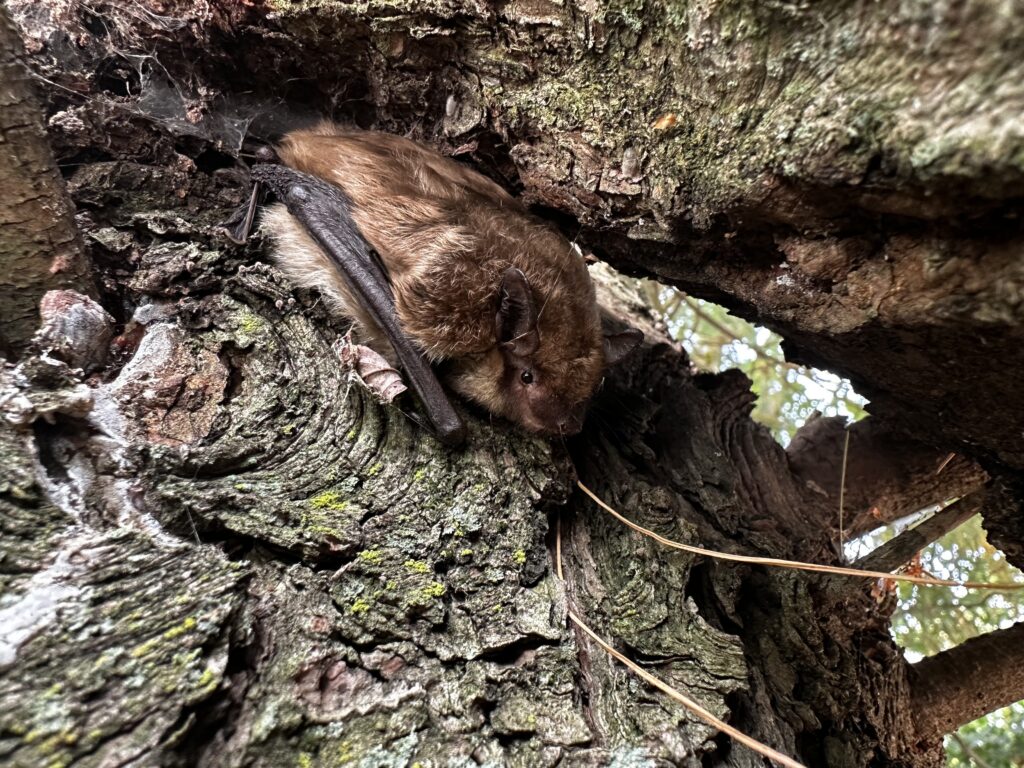
Even though they hibernate, these animals do not sleep perfectly through the entire winter. In Madison, we sometimes get “false springs” where the temperature rises for a few days. When this happens, the colony inside your home might wake up.
When they wake up, they are often dehydrated and hungry. They might try to fly out to find water. If they are confused or if their normal exit is blocked by snow, they might accidentally wander further into your house. This is often when homeowners discover they have a problem. Finding a flying mammal in your living room or kitchen in January is a clear sign you have a colony hibernating somewhere in the structure.
This can be scary for you and dangerous for the animal. They use up vital fat reserves every time they wake up. If they wake up too many times or cannot find a safe place to go back to sleep, they might not survive the rest of the winter. This is why it is vital to have a professional assess the situation rather than trying to chase it out yourself.
Professional Bat Removal in Madison
Discovering bats inside your home can feel overwhelming, especially during winter. Trying to deal with the situation on your own is risky and often illegal. These animals are protected, and contact with droppings or close handling can create health concerns. Winter also makes removal more complex, since forcing them out during cold weather can be fatal.
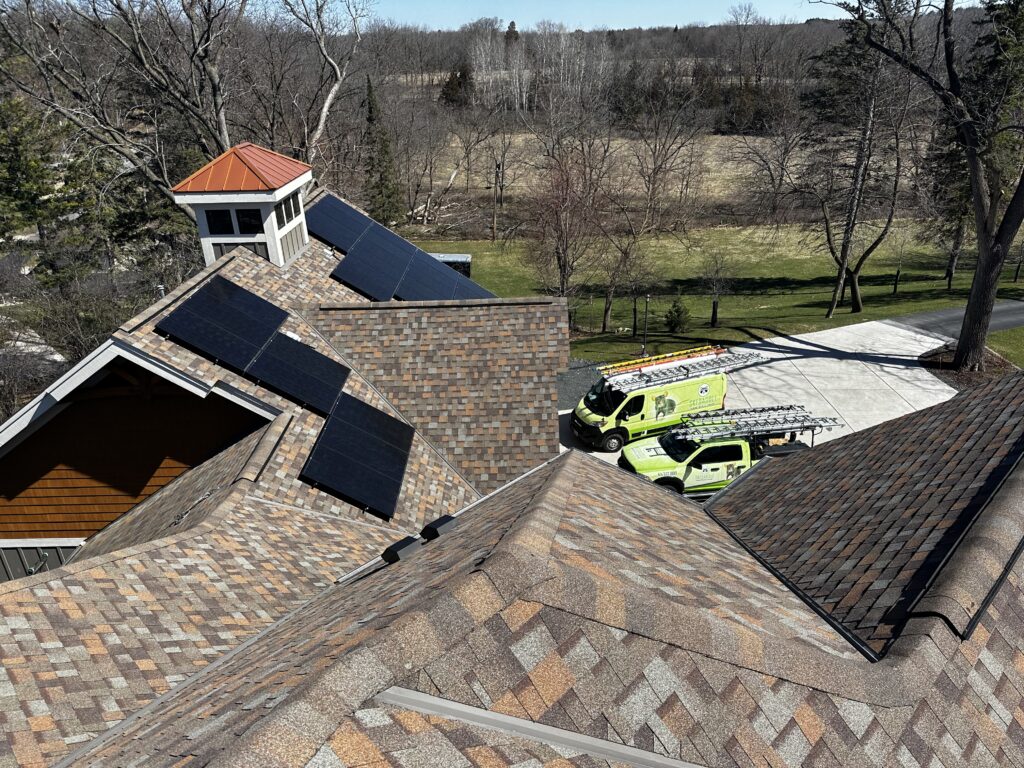
At Skedaddle Humane Wildlife Control, we specialize in bat removal in Madison and understand how winter conditions affect the process. We begin with a full inspection to find where the animals are resting and how they entered the home. During colder months, the focus is on containment and protection until conditions allow for safe, humane removal.
When spring arrives and bats become active again, we use one-way doors that allow them to leave without returning. Afterward, we seal entry points and restore affected areas so the home stays protected long term.
Protect Your Home This Winter
Winter should be a time to feel comfortable inside your home, not worried about noises in the walls or attic. Knowing that bats do hibernate in homes helps explain why these issues often appear during colder months. Once inside, they can remain hidden until warmer days cause movement.
If you notice signs like droppings, stains near rooflines, or sounds above your ceiling, it is important not to wait. The longer the problem continues, the more damage can occur to insulation and indoor air quality.
Let Skedaddle Humane Wildlife Control in Madison handle the situation safely and professionally. We manage the entire process with care, from inspection to prevention. Request an estimate today to learn more about bat removal in Madison and take back peace of mind in your home.

 Loading...







