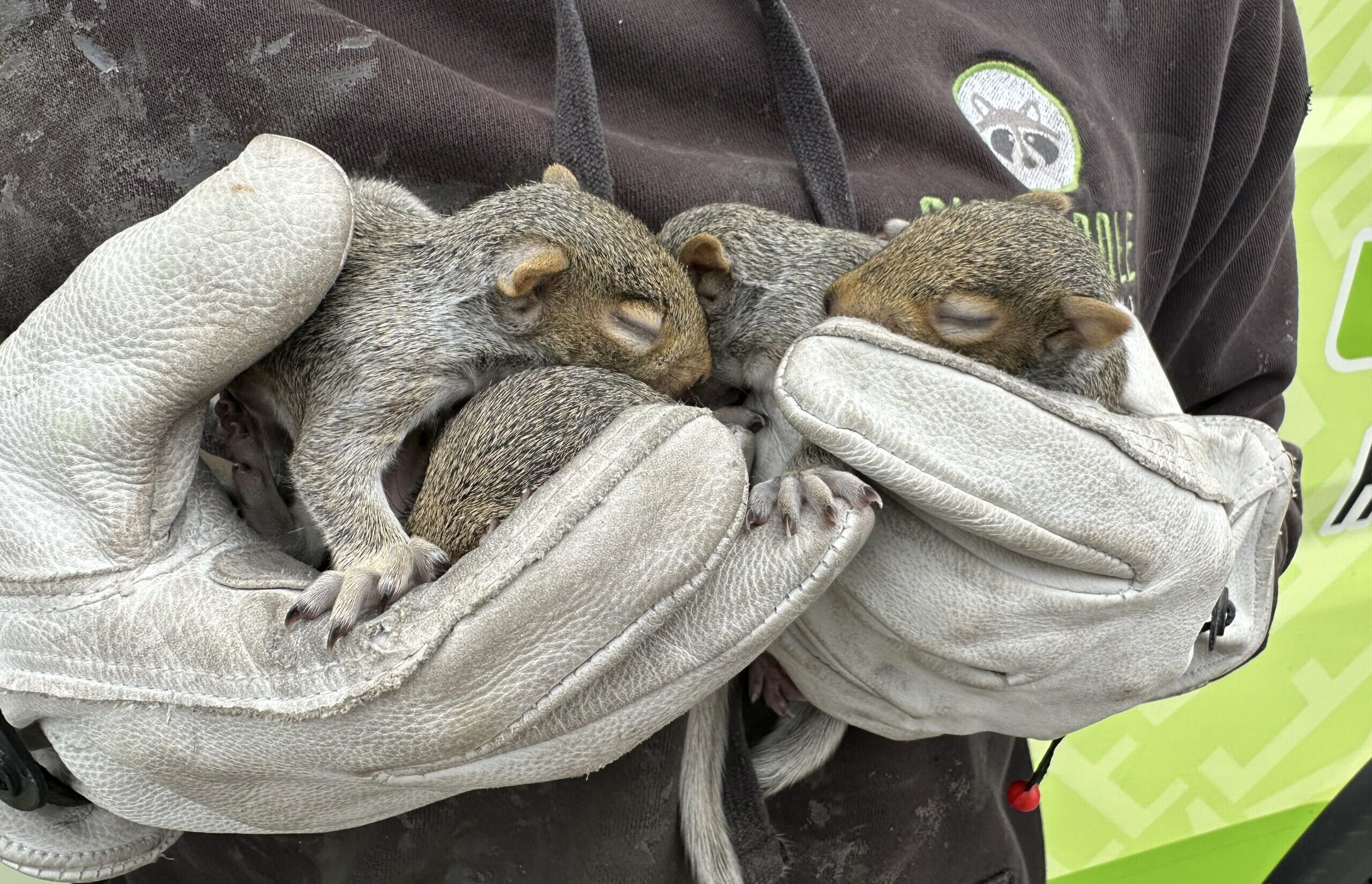
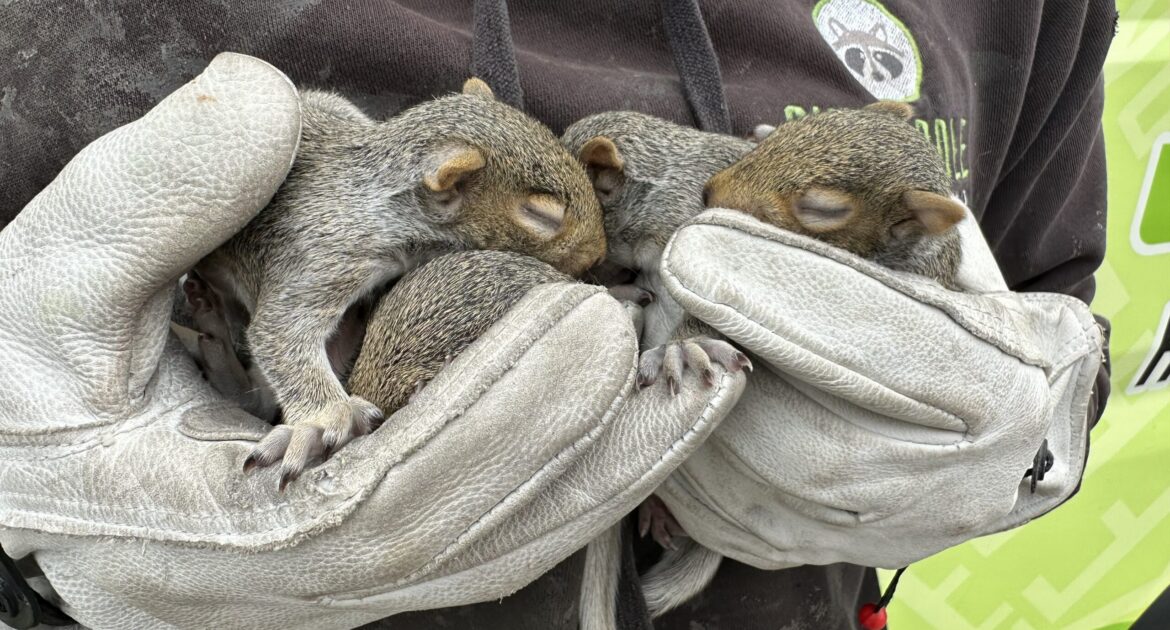
You might think cities are built just for people, but if you look closely, you will see we are not alone. Raccoons, squirrels, and birds have moved in right alongside us. What urban wildlife can teach us about adaptation and survival is that flexibility is the key to success. These animals show us that being able to change your habits, diet, and even your schedule is necessary when your environment changes. They are masters of making the best out of a tough situation.
When you see a squirrel navigate a power line or a raccoon open a secured bin, you are witnessing urban wildlife adaptation in real-time. These animals are smart, capable, and determined to stay warm and fed. While their survival skills are impressive, they can cause big problems when they decide your home is their new den. If you are dealing with clever animals getting too close for comfort, Skedaddle Humane Wildlife Control in Madison is ready to help you reclaim your space without harming the wildlife.
In this blog, we explore how urban wildlife adapts to city living and provide humane solutions for managing wildlife conflicts around your home.
How do animals survive in the city?
Animals survive in the city by using the buildings, food sources, and shelters that humans create to their advantage. Instead of hunting in a forest, they scavenge in alleyways. Instead of sleeping in hollow trees, they nest in warm attics.
This ability to use human-made structures is the main reason how wildlife survives in cities. They treat our neighbourhoods like a new kind of wilderness where resources are everywhere if they know where to look.
Behavioral Flexibility is Key to Survival
The most important lesson urban animals teach us is that you have to be willing to change your routine. In the wild, animals have set patterns. In the city, those patterns might get them hurt or leave them hungry. So, they switch things up. This is called behavioral flexibility. It means an animal can look at a problem, like a busy road or a locked fence, and figure out a new way around it.
You might notice that the animals near your home act differently than the ones you see in nature documentaries. They are learning from you and your neighbours every day. Here are a few ways they change their behaviour to survive:
- Nocturnal Shifts: Many animals that might be active during the day in the wild become creatures of the night in the city. By coming out when you are asleep, they avoid cars and people.
- Dietary Adaptations: Urban animals are not picky eaters. They switch from natural food sources to whatever they can find in garbage bins, compost piles, or even pet food bowls left outside.
- Navigating Danger: Some intelligent animals, like coyotes or foxes, learn to watch traffic patterns. They figure out when it is safe to cross the street to avoid getting hit by cars.
Rapid Physical Changes
It is not just behaviour that changes. Sometimes, the bodies of these animals change too. This happens much faster than scientists used to think was possible. The pressure of living in a “concrete jungle” forces animals to evolve to fit their surroundings. This shows us that survival requires the right tools for the job.
For example, scientists have found that some lizards in cities have developed larger toe pads. This helps them grip onto smooth surfaces like glass windows and metal siding, which are much harder to climb than rough tree bark. Mice in big cities have developed stronger stomachs to digest the fatty, processed food humans throw away. These physical changes help them thrive in an environment that would otherwise be very difficult for them. It is a powerful reminder that nature is always working to find a way to keep going.
Communication Changes in a Noisy World
Have you ever tried to have a conversation on a busy street corner? You probably had to shout to be heard. Animals face the same problem. Cities are loud places with sirens, traffic, and construction noise. If animals kept speaking at their normal volume, they would never find mates or warn each other of danger.
To solve this, many urban birds have changed their tune. They sing at a higher pitch so their voices can cut through the low rumble of traffic. Some even sing louder or change the time of day they communicate to ensure their message gets across. This aspect of urban animal behavior shows just how aware these creatures are of their surroundings. They adjust their voices to make sure they can still connect with one another, even when the world around them is noisy and chaotic.
Habitat Repurposing: Your Home Becomes Theirs
One of the biggest lessons in adaptation is learning to use what is available. In the wild, a hollow log or a cave is a perfect home. In a city like Madison, those natural shelters are hard to find. However, humans build excellent substitutes. Your home provides warmth, protection from the rain, and safety from predators.
Animals look at a house and see a collection of perfect nesting spots. They are not trying to be pests; they are just trying to stay safe. They are experts at finding tiny weaknesses in your home’s exterior. Here is how they repurpose your house for their survival:
- Nesting in Chimneys: To a raccoon or a bird, a chimney looks just like a hollow tree. It is safe, enclosed, and warm, making it a perfect spot to raise babies.
- Roosting in Attics: Bats and squirrels love attics because they mimic the safety of high caves or tree canopies. Your insulation makes excellent bedding material for them.
- Commuting on Roofs: Squirrels and rats use power lines and fences as highways. This keeps them off the ground and away from dangers like cats or cars.
Losing Fear of Humans
In the wild, animals are naturally afraid of people. This fear keeps them safe. But in the city, animals see people every day. Over time, they realize that most people will not hurt them. Some people even feed them. This causes animals to lose their natural fear, which is known as habituation.
While it might seem cute when a squirrel comes close to you in the park, this urban animal behavior can be dangerous. When animals lose their fear, they get bolder. They might try to break into your house more aggressively or approach your pets. It is important to remember that these are still wild animals. They need their space, and we need ours. At Skedaddle, we believe in keeping that boundary strong for everyone’s safety.
What This Means for Madison Homeowners
For those of you living in Madison, you know that winters can be harsh. We deal with snow, ice, and freezing temperatures. Urban wildlife feels this cold just as much as you do. The drive to survive leads them to seek out the warmest place possible: your home.
The adaptation skills of these animals mean they are constantly testing your home for entry points. They can feel the warm air escaping from a small crack in a vent or a gap in the roof edge. Because they are so determined, they will chew through wood, aluminum, and plastic to get inside.
Once they are in, they do not want to leave. This is why professional help is so important. We understand how these animals think and how they use their adaptations to get into places they shouldn’t be.
Frequently Asked Questions
Why can't I just seal the hole myself?
Sealing a hole without checking for animals first is a bad idea. You might trap an animal inside your walls or attic. If it is a mother with babies, she will cause massive damage trying to get back to them, or the babies could pass away inside your home. We use special hands-on techniques to ensure every animal is out before securing the entry point.
How do you get them out without hurting them?
We use specialized one-way doors. These devices allow the animals to leave your home to find food, but they cannot open the door to get back in. This gently locks them out so they simply move on to a different shelter. It is a humane and effective way to solve the problem.
Why do animals keep coming back to my house?
Animals leave scent trails. If one animal has lived in your attic, others will smell it and think it is a good place to live. That is why we not only remove the animals but also clean the area and secure your home against future visitors.
Ways to Prevent Wildlife from Entering Your Home
Our professional wildlife team at Skedaddle can help you take steps to keep animals away and protect your home. Here are some simple yet effective solutions:
- Seal All Entry Points: Our team will inspect your home for any holes, cracks, or gaps where wildlife could get in and make sure they are securely sealed.
- Remove Food Sources: We can guide you on how to store garbage, pet food, and other attractants so animals are less likely to visit your property.
- Install Protective Barriers: Skedaddle can place specialized covers or barriers on vents, chimneys, and other openings to keep wildlife out while maintaining proper airflow.
Taking these steps with our expert care helps ensure your home is safe and protected from future wildlife issues.
Helping Wildlife Stay Wild
The resilience of nature is amazing. Urban wildlife adaptation proves that life will always find a way to continue, even in the middle of a busy city. However, we can admire their survival skills without sharing our homes with them. Coexistence is possible, but it works best when animals stay in their own outdoor habitats.
If you hear scratching in the walls or notice signs of wildlife around your property, do not wait. The longer they stay, the more comfortable they get. At Skedaddle Humane Wildlife Control in Madison, we’re here to help you. We can assess your property, humanely remove our wild neighbours, and protect your home from future visits.
How wildlife survives in cities is a fascinating story of nature’s cleverness. But your home should remain your sanctuary. If you suspect you have unwanted guests, request an estimate from us today to learn more about how we can protect your family and your home.

 Loading...







