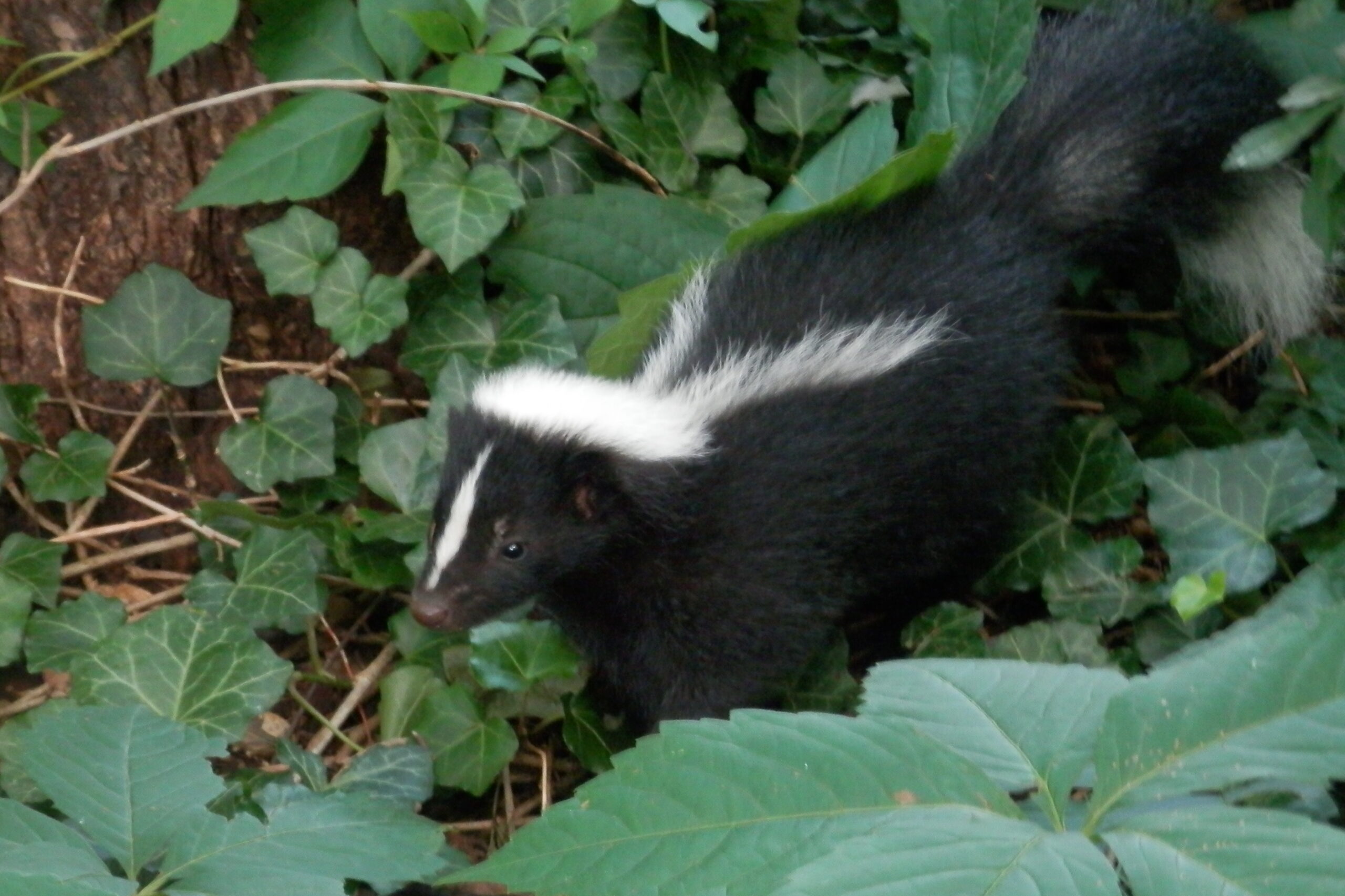
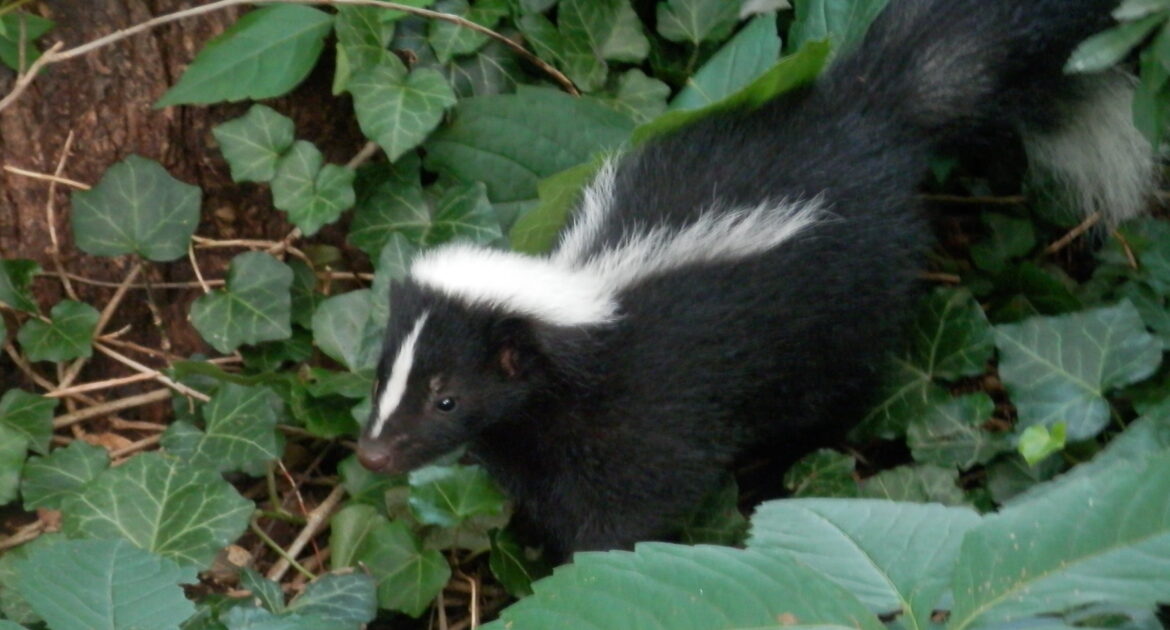
If skunks are digging up your lawn in Marietta, it usually means one thing: they’re hunting for food. Skunks are nocturnal foragers that dig small, cone-shaped holes in search of grubs, beetles, and other soil-dwelling insects. While this natural behavior helps control pests, it can quickly leave your yard looking damaged and unkempt.
The good news is, you can stop it. By eliminating the attractants that draw skunks in—such as lawn grubs, unsecured garbage, or easy shelter under decks—you make your property far less appealing. Pairing these preventative steps with professional wildlife services ensures both immediate relief and long-term protection. At Skedaddle, we provide Marietta homeowners with humane, effective solutions to keep skunks from digging up lawns and turning backyards into foraging grounds.
Understanding Why Skunks Dig Yards
The first step in preventing skunk lawn damage is understanding why it occurs. Skunks are nocturnal creatures, usually active at night. If you discover small, shallow holes or patches of grass peeled back in the morning, there’s a strong chance skunks were hunting for food.
Skunk Dietary Habits
Skunks dig yards in search of:
- Grubs and beetle larvae, a favorite food hidden beneath the grass
- Earthworms and other insects living just below the surface
- Areas where the soil is loose or moist, making it easier to dig
A lush, healthy yard can attract a buffet of grubs and bugs for these animals. If your grass is struggling due to a grub infestation, you’re more likely to attract skunks looking for an easy meal. The holes they create tend to be about 3–4 inches wide and cone-shaped, often scattered in clusters throughout your yard.
Recognizing Signs of Skunk Lawn Damage
Identifying if skunks are damaging your lawn is critical for taking appropriate action. Many homeowners mistake skunk activity for that of other animals, like raccoons or armadillos. Skunks leave tell-tale signs that help you differentiate them:
- Small, shallow holes, about the size of a quarter, scattered around the grass
- Rolled-back patches of turf, often overnight
- Musty or pungent odors lingering in certain areas
- Dirt mounds or clear entry points at the edges of decks, sheds, or porches
- Sightings of striped skunks during dusk or nighttime hours
Pets returning indoors with a sudden foul smell or visible paths leading to concealed spaces, such as under your deck or shed, also indicate skunks. If you frequently observe these signs, it’s time to investigate what’s attracting skunks to your yard.
What Attracts Skunks to Your Lawn?
Understanding what brings skunks to your yard will help you target the root causes rather than merely addressing the symptoms. Generally, these creatures are not out to cause trouble—they’re searching for food and shelter. Here’s what commonly lures them:
- Grub and insect infestations in the lawn
- Overgrown grass or neglected yards that offer good foraging opportunities
- Accessible pet food, compost, or open trash left outside overnight
- Spaces under sheds, porches, or decks that provide shelter
- Water sources such as koi ponds, leaking hoses, or open birdbaths
A healthy lawn may seem inviting to you, but if there’s excess moisture and abundant grubs just below the surface, it becomes very appealing to skunks. Focusing on long-term prevention is key to breaking the cycle of skunks digging in your lawn.
Before sharing proactive strategies, let’s explore why quick-fix deterrents often fail in the long run.
Why Long-Term Lawn Care Is the Best Solution
Many homeowners initially look for quick ways to deter skunks, including sprays or sound-making devices. However, these provide only temporary relief and fail to address the underlying reasons skunks are attracted. The hidden insight to emphasize is that effectively preventing skunk lawn damage relies on ongoing maintenance and grub control—not short-lived deterrents.
Consistent care can transform your yard from a food source into a healthy, less inviting area for skunks.
Our decades of expertise at Skedaddle have shown that the most effective solutions for preventing skunks from digging up your lawn include regular inspection and management of grub populations using appropriate treatments, keeping grass trimmed and removing brush piles or debris that create hiding spots, ensuring pet food and garbage are brought inside at night, sealing and screening vulnerable structures to block burrowing, and maintaining proper drainage to prevent excessively moist soil conditions.
By combining these practices, homeowners can significantly reduce the appeal of their property to skunks while promoting a healthier, safer yard overall.
Proactive Steps for Preventing Skunk Lawn Damage
The key to keeping skunks from digging up your property is to make your lawn less appealing and harder to access. These preventive actions are simple yet effective for long-term peace of mind:
- Identify and treat grub infestations. Lift a section of sod—if you find more than five grubs per square foot, professional-grade management may be needed.
- Keep grass mowed and yard debris cleared away to reduce hiding places when skunks forage.
- Schedule seasonal lawn aerations to improve root health and decrease compacted, bug-rich soil.
- Fix leaky outdoor faucets and eliminate standing water, which attracts insects and, consequently, skunks.
- Store food—pet bowls, birdseed, and even garbage—in sealed containers, especially at night.
When these steps fall short or if you face repeat visits, professional help may be necessary. Engaging experts ensures both your safety and that of the animals involved.
Let’s look at how Skedaddle can assist Marietta homeowners.
When to Call Skedaddle for Professional Skunk Deterrent Services
Persistent skunk activity despite preventive measures or discovery of dens beneath structures indicates the need for expert assistance. Professional intervention becomes necessary when certain clear signs appear. These include persistent skunk activity despite ongoing lawn care, repeated sightings of skunks around your property during daylight or nighttime hours, evidence of burrowing under decks, porches, or sheds, strong and persistent odors that don’t dissipate, and concerns that skunk babies may be denning under outdoor structures.
Recognizing these warning signs early allows homeowners to act promptly, preventing further lawn damage and reducing the risk of structural issues or health hazards.
At Skedaddle, our specialized wildlife technicians know how to humanely and safely address these challenges:
- Detailed property inspections to assess entry points and identify all signs of skunk activity
- Gentle removal of any adult or baby skunks using industry-leading, hands-on techniques
- Installation of heavy-gauge steel mesh barriers, buried 8–12 inches deep, to permanently block access beneath decks or sheds
- Professional cleaning and deodorizing of contaminated areas, ensuring a safe environment for you and your family
- Long-term advice to help keep your property protected season after season
Trust our decades of experience and local knowledge to provide solutions that work—and continue working.
Restore Your Lawn and Peace of Mind with Skedaddle’s Expert Skunk Solutions
A beautiful lawn shouldn’t be spoiled by persistent digging or the lingering threat of skunks making their home beneath your deck. Understanding the reasons skunks are drawn to your yard—primarily the promise of food and shelter—empowers you to make proactive changes that deter future visits. However, when simple prevention isn’t effective, unresolved skunk activity can escalate into costly property damage, stubborn odors, and potential health concerns.
Don’t let skunks undermine your home comfort or curb appeal. The Skedaddle team utilizes decades of humane wildlife control expertise to thoroughly remove skunks, protect your property, and prevent re-intrusions. If you’re seeing signs of skunk activity in your Marietta yard, take action before the damage worsens. Contact Skedaddle today for a customized inspection and enjoy a lawn that’s safe, fresh, and truly yours—season after season.

 Loading...







