If you hear scratching, scurrying, or rustling noises in your attic, it can be unsettling. Many homeowners assume that all squirrels behave the same, but there are important differences between Eastern grey squirrels and Southern flying squirrels. Understanding which species may be in your attic can help protect your home and ensure any solution is safe and humane.
At Skedaddle Humane Wildlife Control in Marietta, we frequently help homeowners with squirrel issues. Knowing the difference between grey and flying squirrels is the first step in preventing damage and maintaining a comfortable home.
Atlanta’s Most Common Squirrel Species
In Atlanta, the two species most often found in attics are Eastern grey squirrels and Southern flying squirrels. Grey squirrels are larger and active during the day, while flying squirrels are smaller, nocturnal, and more secretive. Both species are attracted to homes because they offer warmth, shelter, and safe places to nest.
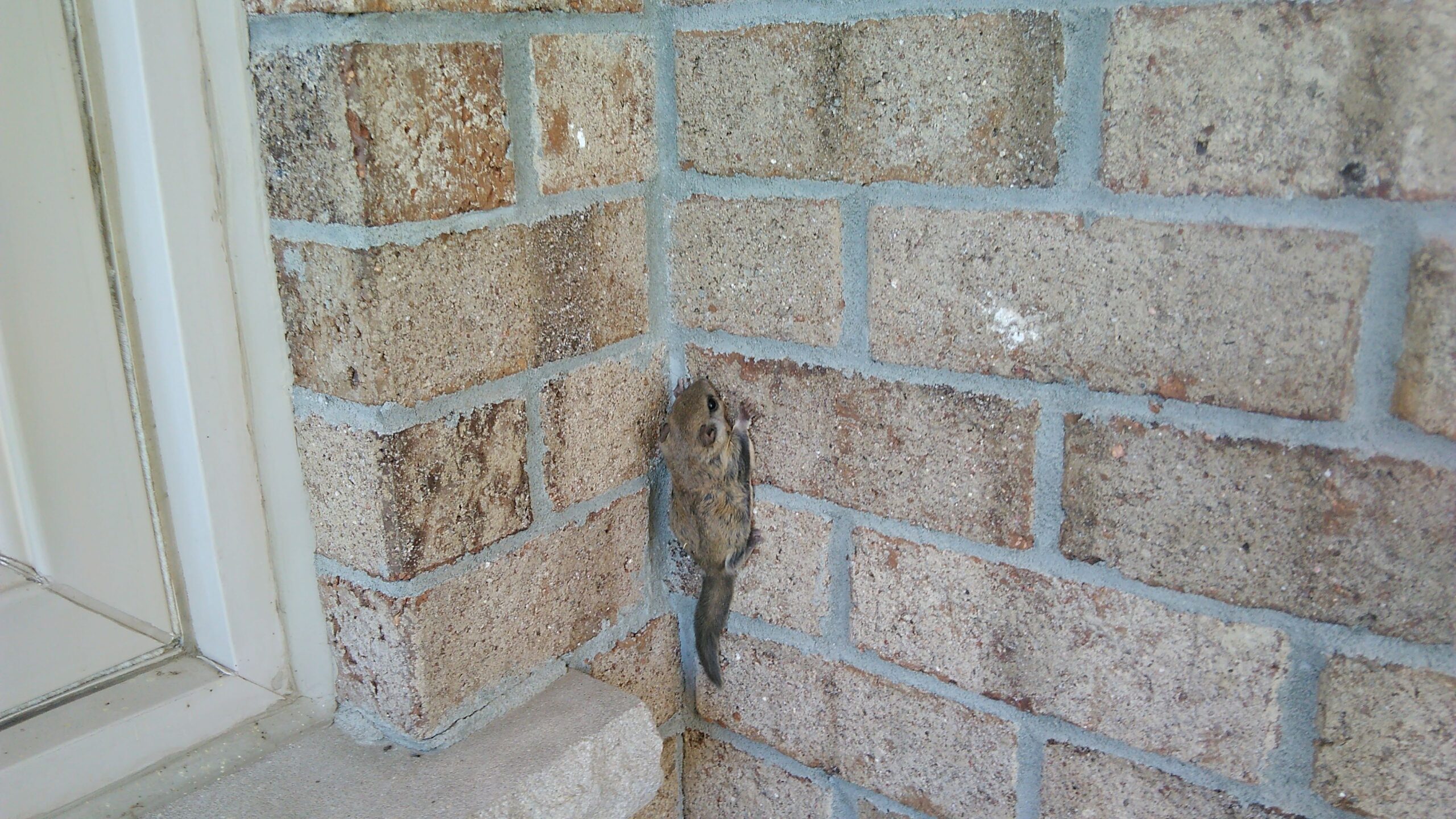
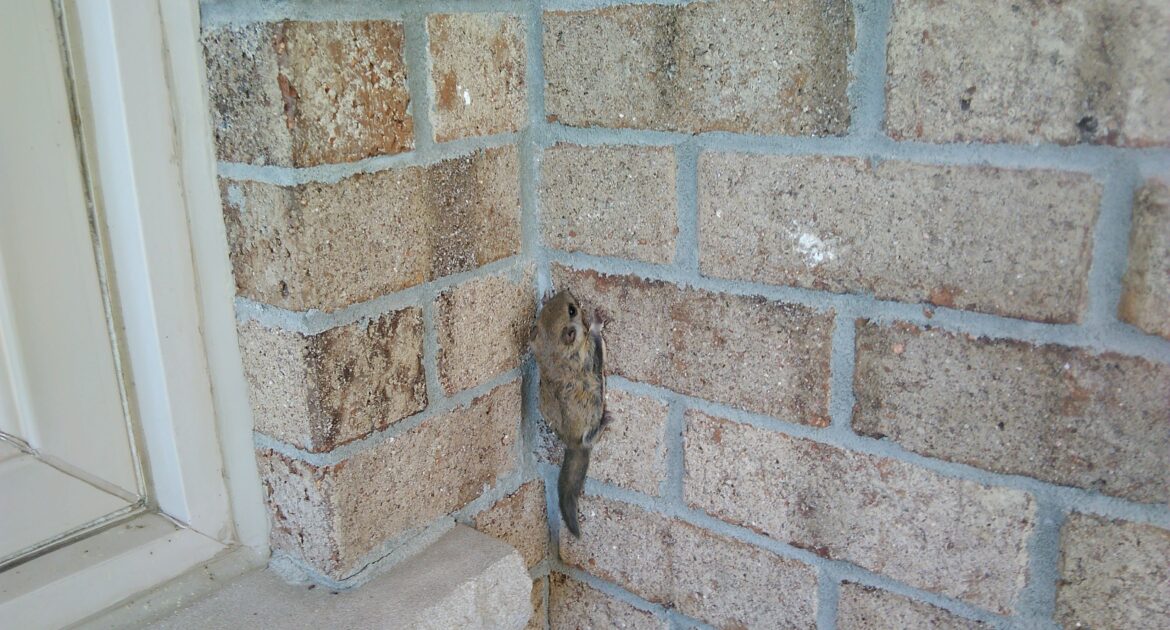
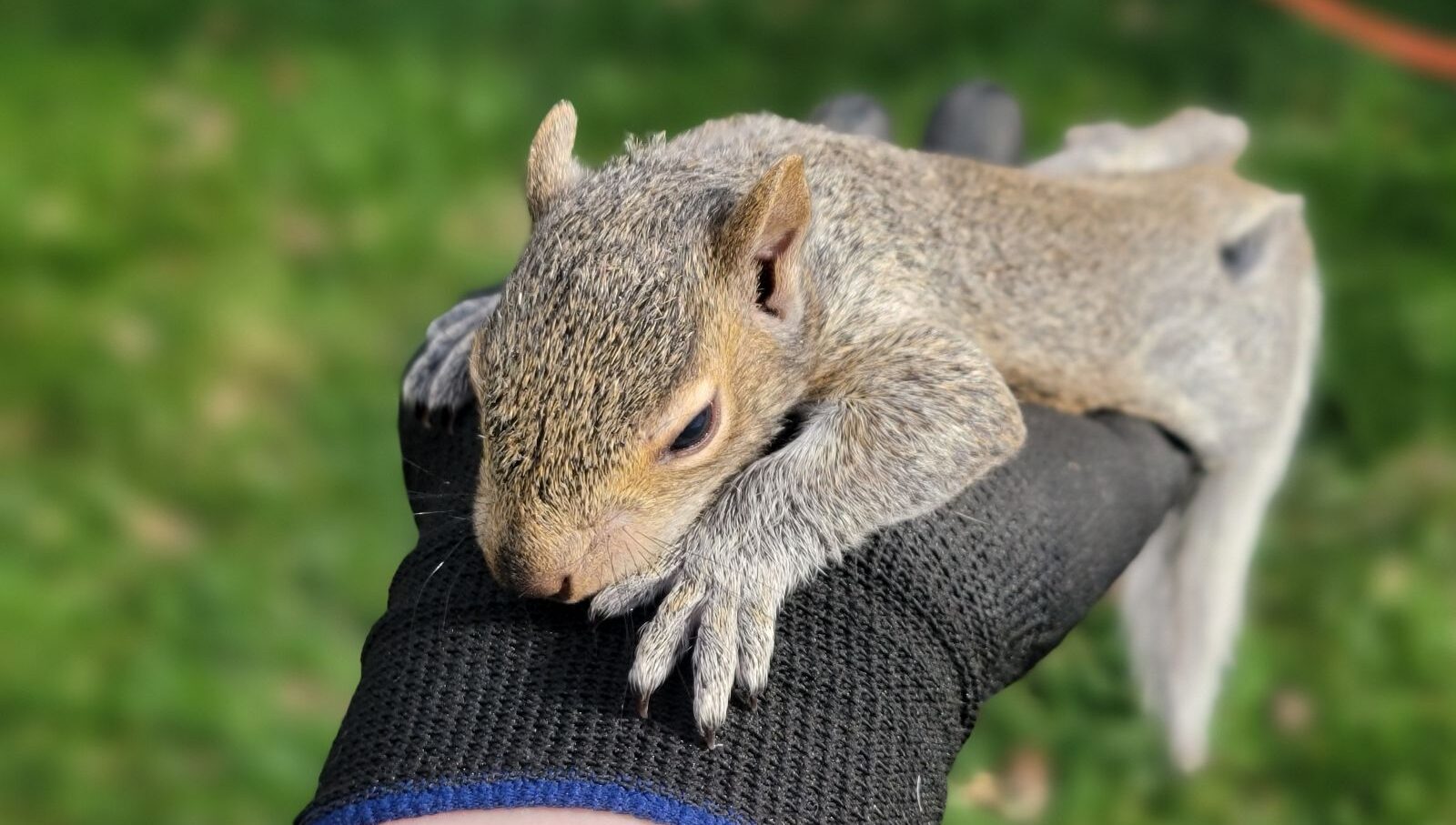
Grey squirrels are typically one to one and a half pounds, with bushy tails and grey fur. Flying squirrels are smaller, with soft grey-brown fur, large dark eyes, and a thin membrane between their front and back legs that allows them to glide between trees. Urban expansion has reduced natural habitats, which increases the chances of both species seeking shelter in attics and rooflines.
Differences in Appearance and Behavior
Identifying squirrel species in Atlanta often comes down to observing physical traits and activity patterns.
Grey squirrels are active during the day and are often seen climbing trees or running across yards. They are noisy and energetic, frequently chewing on rooflines, fascia boards, and siding. Their droppings are larger, and they may collect nesting materials such as leaves or shredded insulation.
Flying squirrels are nocturnal and rarely seen during the day. They move quietly and enter homes through small gaps in vents or rooflines. Their droppings are smaller and less noticeable, and their nests are often more hidden than those of grey squirrels.
Listening to when the noises occur can provide clues. Daytime activity usually points to grey squirrels, while nighttime scurrying often indicates flying squirrels.
Why Squirrels Choose Atlanta Attics
Both grey and flying squirrels seek attics because they provide warmth, safety, and secure nesting spaces, particularly during colder months.
Attics are attractive because they maintain higher temperatures than the outdoors and provide protection from predators such as hawks, owls, and neighborhood cats. They also offer easy access to food sources like kitchens, pantries, or nearby bird feeders. Nesting materials are often abundant, with insulation and stored items providing cozy spaces for raising young.
Urban areas like Atlanta have fewer natural tree cavities and other safe nesting sites, which increases the likelihood of squirrels moving indoors. Once they find a secure spot in an attic, they are likely to stay for the season.
Signs That Squirrels Are Inside
Early detection can prevent damage and contamination. There are several signs that indicate squirrels are in your attic, and some clues can help identify the species.
Common signs include scratching or rustling sounds in ceilings and walls, chewed wood, insulation, or wiring, nesting materials scattered in corners or on the attic floor, and droppings of varying sizes.
Species-specific clues can help distinguish between grey and flying squirrels. Grey squirrels tend to make louder noises during the day and leave larger droppings and more visible nests. Flying squirrels are usually quiet, active at night, and enter through small vents or soffit gaps, leaving smaller droppings and less obvious nests.
Professional inspection is often the safest and most effective way to confirm which species is present. Squirrels can hide in wall voids and hard-to-reach spaces, making it difficult to identify them without trained expertise.
How Squirrels Enter Atlanta Homes
Squirrels are agile climbers and can gain access through surprisingly small openings. Understanding how they enter can help homeowners prevent future infestations.
Grey squirrels often enter through larger gaps, such as damaged rooflines, fascia boards, or chimneys. Flying squirrels, being smaller, exploit tiny cracks, roof vents, and soffits. Trees that overhang the roof or touch the house can serve as direct routes to attics.
Identifying entry points allows professionals to implement long-term, humane exclusion methods that prevent squirrels from returning. It also reduces the risk of damage to insulation, wiring, and structural components.
Preventing Squirrel Entry and Damage
Humane prevention is the most effective way to reduce squirrel damage in your home. Professional solutions are safer and more reliable than DIY methods, which often fail to address underlying vulnerabilities.
Key preventive measures include:
- Sealing rooflines, vents, and soffits to block entry points.
- Trimming tree branches away from the roof to limit access.
- Securing birdseed, pet food, and other attractants.
- Scheduling professional inspections to identify vulnerabilities before problems occur.
- Keeping attics organized and free from clutter to minimize nesting opportunities.
Prevention not only protects your home but also keeps wildlife safe by reducing their need to enter human structures. A consistent maintenance plan can significantly decrease the likelihood of squirrels returning in the future.
Why Professional Help Matters
Squirrels are intelligent and persistent, and even small gaps or weaknesses can allow them to re-enter a home. Professional wildlife experts have the experience and tools to identify entry points, determine the species, and implement safe, humane solutions.
Humane exclusion methods ensure that squirrels leave without harm and cannot return. Reinforcing vulnerable areas protects homes from future intrusions. Professionals also provide education on ongoing prevention, helping homeowners minimize attractants and structural weaknesses.
Prompt, professional intervention reduces the risk of damage to insulation, wiring, and structural elements, while keeping your home safe and comfortable.
Keeping Your Home Squirrel-Free Year-Round
Understanding grey versus flying squirrels in Atlanta helps homeowners take the right steps to protect their homes. Grey squirrels are larger, active during the day, and tend to leave more obvious signs, while flying squirrels are nocturnal, quiet, and harder to detect. Both species seek warmth and safe nesting sites in attics, especially during colder months.
Working with professionals ensures that identification, removal, and prevention are all handled safely and humanely. At Skedaddle Humane Wildlife Control in Marietta, we help homeowners with identifying squirrel species in Atlanta, protecting their homes, and preventing future intrusions.
With the right knowledge and professional support, your home can remain a comfortable and squirrel-free environment year-round. Early intervention and humane prevention are the keys to a peaceful home without unwanted guests in the attic.

 Loading...







