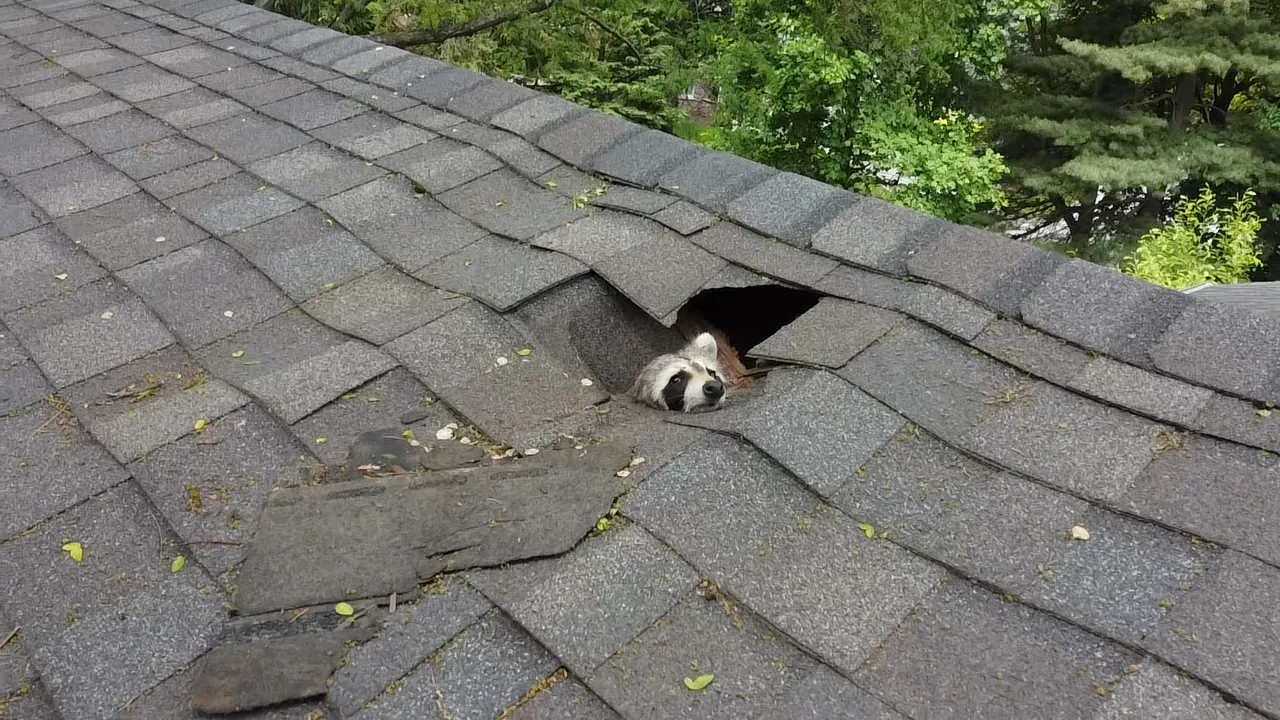
The design of your home could be allowing wildlife inside. Tiny gaps in your foundation, loose roof vents, and spaces around doors or windows might not seem like a big deal, but to animals looking for a warm, dry home, these spots are like an open invitation. Wildlife like squirrels, raccoons, birds, and bats are experts at finding their way inside through even the smallest openings. Once they’re in, they can cause serious damage—not to mention the health risks they pose to you and your family.
At Skedaddle Humane Wildlife Control in St. Paul, we’ve seen it all. Homeowners are often surprised by how easily animals can move in and start making themselves comfortable. You may think your home is secure, but even modern houses are full of hidden gaps and cozy spaces that attract wildlife. Animals aren’t just sneaking in by accident—they’re actively seeking out the safety and shelter your home provides.
This blog will help you understand why the design of your home is so attractive to wildlife and explain the most common entry points animals use. We’ll also share what you can do to keep them out for good—using humane and effective solutions. Don’t wait until wildlife becomes a problem. Learn how you can protect your home and stay one step ahead.
How to Stop Wildlife From Getting In?
To stop wildlife from getting in, you need to hire our professionals to secure all entry points on your house. We use heavy-gauge screening and professional sealants to block holes while making sure animals can still leave safely. It is the only guaranteed way to protect your property long-term.
You should never try to handle animal removals or seal holes yourself. Doing the work on your own often traps creatures inside, leading to more damage and stress. Instead, our team performs a full property check to find every hidden gap.
Keeping your house secure requires ongoing maintenance and expert knowledge. We understand how different creatures behave and what parts of your house they target most. By trusting us, you ensure your property stays safe without putting yourself at risk.
Roofline Vents and Eaves
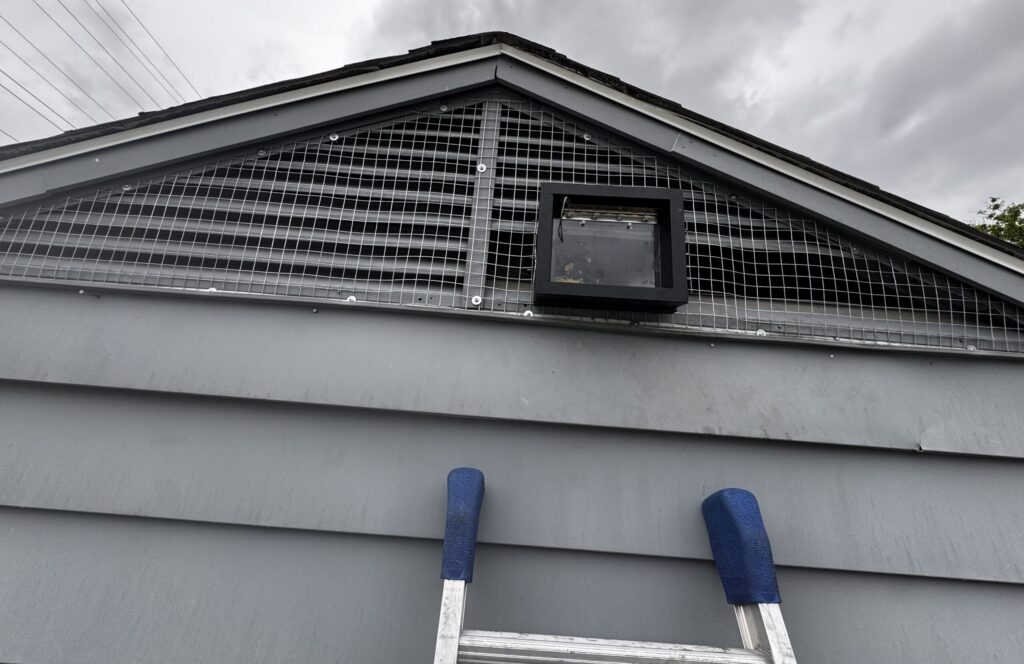
Roofline vents and eaves are common areas where animals find their way indoors. Wide vent covers and complex rooflines offer easy, hidden access to your attic. Creatures often view these spaces as perfect spots to build a warm, safe nest away from the weather.
You will often find that uncovered chimneys and deep overhangs act as open doors for a variety of animals. Since these spots are high up, you usually cannot see the damage from the ground. Over time, creatures can push through weak screens or chew on wooden parts to make the holes larger.
Our professionals have the right tools to reach and secure these high areas safely. We inspect every inch of your roofline to spot any damage or weak points. We then install strong barriers that keep creatures out for good, protecting your attic from future problems.
Elevated Decks and Porches
Large decks and open porches create the perfect ground-level shelter for many animals. These spaces offer darkness, protection from the weather, and easy access for critters looking for a safe spot. It’s important to address this issue quickly to prevent long-term damage and unwanted guests. Let’s explore how to keep these areas secure and free from pests.
- Dry and Shaded Spaces: These areas provide a dry, dark, and quiet place for animals to hide from the sun and rain. Because the space is protected from the weather, creatures feel very safe setting up a permanent home there. They can sleep undisturbed during the day and forage for food at night. This makes the space under your deck highly attractive.
- Unsealed Edges: Many decks are built without strong barriers around the bottom edges. This open design leaves a clear path for animals to walk right under your boards. Once they get underneath, they often dig burrows in the dirt or chew through your foundation walls. It provides a direct tunnel toward the inside of your house.
- Access to Food: Porches are often located near garbage bins, pet food bowls, or garden plants. This puts animals very close to a reliable food source while they stay hidden. They can grab a quick meal and run right back under the safety of the deck. We always find that easy food access makes these spaces a top target.
Decorative Exterior Trim
Ornate woodwork and decorative trim make your house look beautiful, but they also create big problems. These design choices often provide perfect footholds for climbing animals. Creatures use these carved edges like a ladder to scale the sides of your property.
You might notice that overlapping boards and textured siding give animals an easy grip. Once they climb up, they can reach vulnerable spots like your roof or second-story windows. They will then look for small cracks or soft wood to chew through and enter the house.
We know exactly how animals use these decorative features to navigate your exterior walls. Our team can spot the tiny chew marks and scratch patterns left behind on your trim. We offer solutions that protect your house without ruining the beautiful design of your exterior.
Openings Around Utilities
Pipes, wires, and vents that go into your house can leave small openings around them. These gaps might seem harmless, but animals like mice, squirrels, and rats can squeeze through even the tiniest spaces. It’s important to check these areas to keep unwanted critters out of your home.
- Plumbing Gaps: Pipes that enter your brick or siding almost always have small spaces around them. Animals can easily squeeze through these unsealed gaps to get into your basement or wall voids. Over time, they can push the materials away to make the hole much larger. This gives them a fast, warm route right into your house.
- Electrical Conduits: Wires and electrical boxes mounted on the outside of your property create similar risks. The holes drilled for these wires are rarely sealed perfectly during construction. Creatures will feel the warm air leaking out from inside and follow it straight indoors. Our team finds these tiny gaps and secures them properly.
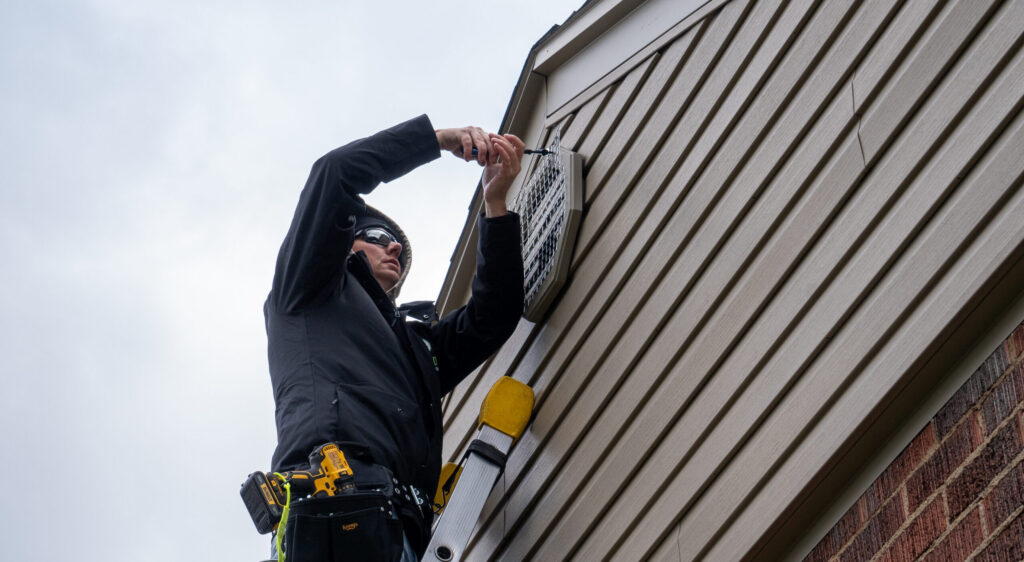
- HVAC Vents: Air conditioning pipes and heating vents provide another easy path for animals. They often pull off the lightweight covers to get inside the ductwork. Once inside, they can travel through your whole house and cause massive damage to your system. We use professional-grade covers that animals cannot remove or chew through.
Landscaping Decisions
Landscaping choices can have a big impact on keeping animals away from your home. Certain plants or features may attract wildlife, making it easier for them to get close to your house. By planning your yard carefully, you can create a safe and secure outdoor space.
- Dense Shrubbery: Bushes planted directly against your exterior walls offer excellent cover for animals. They can hide in the leaves while they dig at your foundation or chew on your siding. Since the bushes block the view, you will not see the damage happening until it is too late. Keeping plants trimmed back is an important step.
- Overhanging Tree Limbs: Trees that touch your roof act like a natural bridge for animals. Creatures simply climb the trunk and jump onto your shingles to start looking for a way in. We see this problem constantly, especially with older, established trees. It completely bypasses all the security on the ground level.
- Mulch Beds: Thick layers of mulch placed right next to your foundation hold moisture and heat. Small animals love to burrow in the warm mulch during the colder months. From there, it is a very short trip through a crack in your foundation. Our professionals know how to spot animal trails hidden in these garden beds.
Common Design Features That Invite Animals Indoors
Before we look at the specific areas of your house, it helps to see the big picture. Here is a quick list showing how the design of your home is allowing wildlife inside right now.
First, complex rooflines with multiple peaks and valleys create hidden pockets where animals can chew through shingles safely out of sight. Second, large modern windows often have poorly sealed frames that give small creatures a direct tunnel into your wall voids. Third, open crawl spaces and raised foundations offer instant shelter from cold weather and heavy rain.
Fourth, attached garages provide a huge, easily accessible room that animals use as a stepping stone to enter your main living areas. Finally, modern designs that blend indoor and outdoor spaces remove the natural barriers that once kept animals away. Each of these architectural choices makes your property highly attractive to passing animals.
Professional Prevention With Our Team
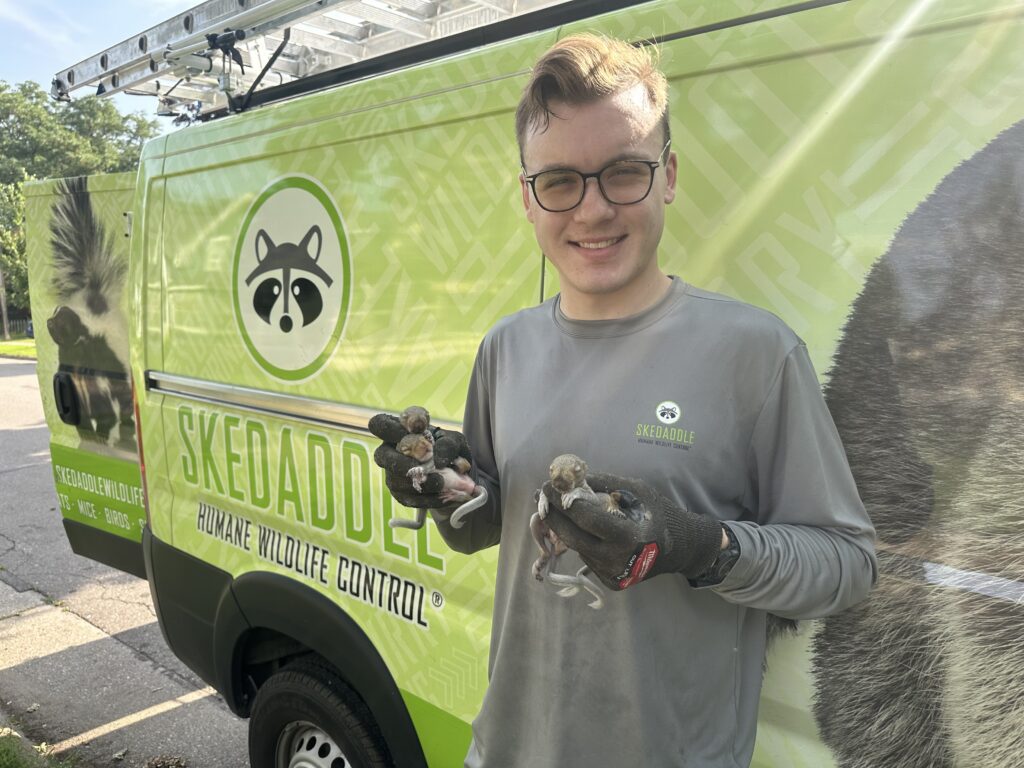
Keeping animals out requires a careful, professional approach to wildlife prevention. Our team at Skedaddle relies on proven exclusion techniques to secure your property. We never use live trapping or relocation because those methods do not solve the root cause of the problem. If the holes stay open, new animals will simply move in to replace the old ones.
Instead, we install special one-way doors over the entry points we find. These doors allow the animals to leave your house safely to find food and water. Once they are outside, the door stops them from coming back in. After we are sure the space is empty, we remove the door and seal the area permanently.
You can trust us to handle the entire process from start to finish. Our team cleans up the mess and fixes the damage left behind. By calling us, you protect your investment and keep your neighbourhood safe.
Wildlife in St. Paul: Living Alongside Nature
St. Paul is home to a diverse range of wildlife, from raccoons and squirrels to birds and bats, drawn here by the city’s green spaces and nearby water sources. The local climate plays a big role in animal behaviour—long winters and warm, humid summers mean these critters are often seeking shelter in attics, basements, and wall spaces.
The unique styles of homes and buildings in St. Paul, many featuring older construction with gaps, vents, or loose material, can unintentionally provide easy entry points for animals looking for a safe space. Regional regulations ensure that homeowners must use humane methods to manage wildlife, making our professional wildlife removal not only ethical but also a legal necessity in most cases.
Seasonal challenges also emerge, such as increased activity during spring and fall when animals are nesting or preparing for winter. Common issues in the area include raccoons rummaging through garbage, bats roosting in attics, or squirrels chewing through wood and insulation.
By addressing these climate and building considerations and staying informed on local regulations, St. Paul residents can effectively protect their homes while also preserving the natural balance of their community.
Frequently Asked Questions
Do new houses attract animals?
Yes, new houses often attract animals because they are built in areas where natural habitats were recently cleared. The creatures simply stay in the area and move into the newly built structures.
How do I know if an animal is in my walls?
You will usually hear scratching, scurrying, or squeaking noises coming from inside the walls or ceiling. You might also notice strange smells or find droppings around the outside of your property.
Can animals chew through my siding?
Yes, many creatures have very strong teeth and can easily chew through wood, vinyl, and even thin aluminum. They look for weak or rotten spots to start making a hole.
Should I clean up animal droppings myself?
No, you should never clean up animal droppings yourself. Droppings can carry dangerous diseases, so you should always call Skedaddle to handle the cleanup safely.
Do fences keep animals out of my yard?
Fences do not keep most animals out of your yard. Many creatures are excellent climbers and will use the fence as a pathway to reach your house.
Protect Your Property Today From Wildlife
Animals getting into your home can cause damage and stress, but you don’t have to face this problem alone. Your home might be inviting animals inside without you even realizing it. Openings in your roofline, gaps around your deck, or other weak points in your house can provide easy access for wildlife. Once inside, these creatures can create messes, destroy insulation, and even pose health risks. Acting quickly is important—don’t wait for the damage to get worse.
You deserve to live in a home that is safe, clean, and free from unwanted guests, and that’s where we come in. At Skedaddle Humane Wildlife Control, we specialize in removing animals in a way that is both effective and humane. Whether you are dealing with squirrels, raccoons, bats, or other animals, our trained experts in St. Paul and Plymouth have you covered.
Our team doesn’t just remove the animals; we also identify and seal off entry points to help stop them from coming back. We take pride in doing the hard work so you don’t have to. Reach out to us today to get a free estimate and learn how our exclusion services can protect your home. Peace of mind is just a call away!

 Loading...







