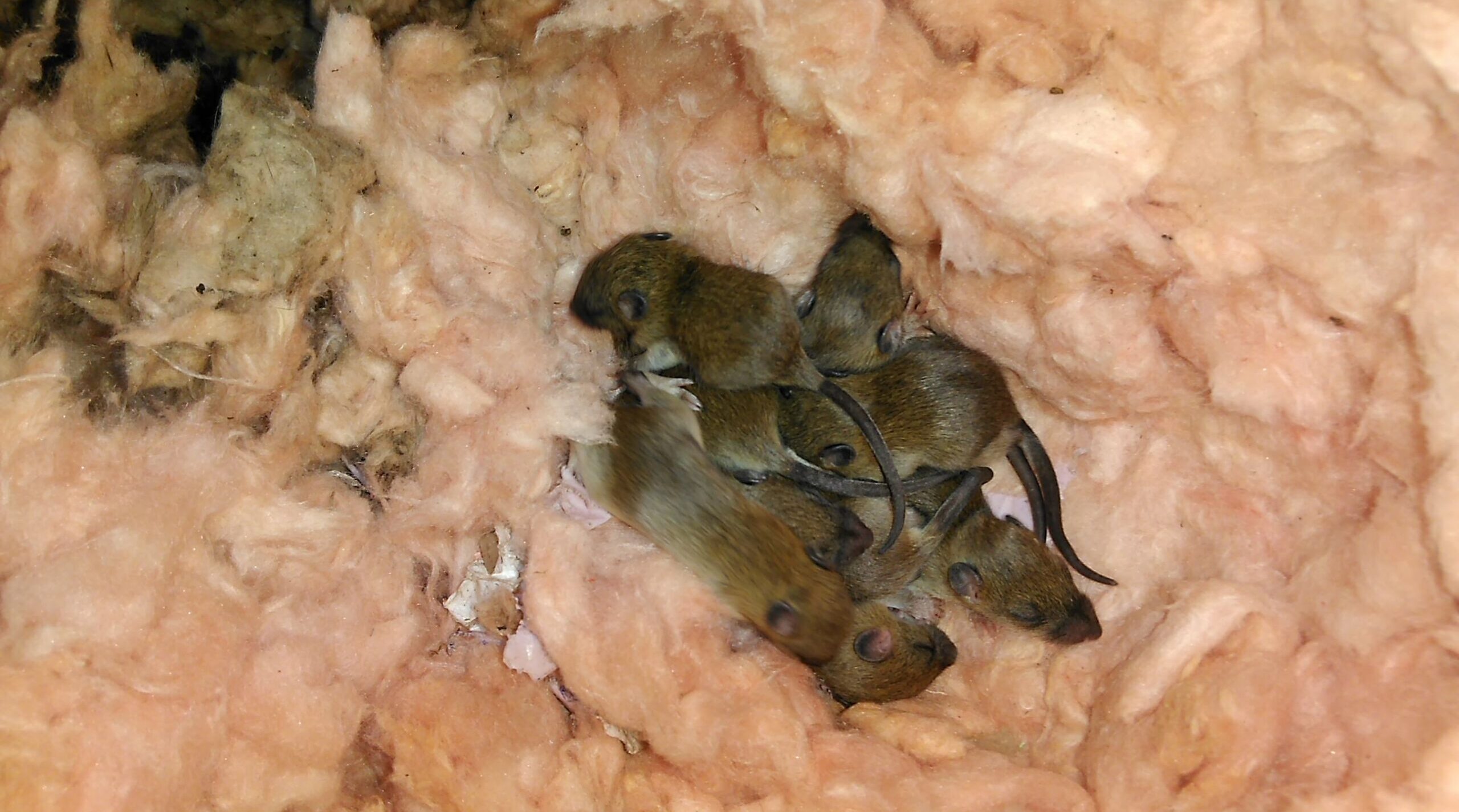

Many homeowners in Atlanta are surprised when they hear strange noises coming from their attics. Scratching, rustling, or scurrying sounds often happen at night, and while they might be mistaken for normal house noises, they can indicate the presence of roof rats. These nocturnal, agile rodents are highly adaptive and are drawn to the warmth and safety of attics. Understanding their habits is essential for keeping your home secure and minimizing potential damage.
At Skedaddle Humane Wildlife Control in Marietta, we help homeowners deal with roof rat concerns safely and humanely. Knowing how roof rats enter homes, what signs to watch for, and the best prevention strategies can protect your property and give you peace of mind. In this blog, we’ll cover roof rats in Atlanta attics, explain how they invade homes, describe the risks they pose, and provide expert guidance on keeping them out.
Roof Rats: Atlanta’s Agile Attic Dwellers
Roof rats are smaller and more agile than other rodent species, with long tails, sharp claws, and a natural ability to climb almost any surface. They are primarily active at night, which is why they often go undetected until significant damage or contamination occurs. Roof rats prefer elevated areas such as attics, rooflines, and ceilings, which offer protection from predators and easy access to warmth.
These rodents are highly adaptable and thrive in both urban and suburban areas. Their climbing skills allow them to travel along tree branches, wires, gutters, and rooflines to reach homes. Once they find an accessible attic, they can establish nests and remain hidden for weeks or even months.
Some important facts about roof rats:
- They weigh between five and eight ounces, with body lengths ranging from six to eight inches.
- Roof rats are social creatures and often live in small colonies if space allows.
- They build nests using shredded insulation, paper, or other soft materials, creating hidden spaces where they feel safe.
Understanding their behavior is critical for identifying infestations and taking steps to protect your home.
How Roof Rats Invade Atlanta Homes
Learning how roof rats invade Atlanta homes can help homeowners protect their attics and avoid damage. Roof rats are excellent climbers and can exploit even small openings in a home’s exterior. They are motivated by warmth, shelter, and access to food, making residential attics an appealing target.
Common entry points include:
- Overhanging tree branches that provide direct access to the roof.
- Roof vents, soffits, and fascia boards, especially if they are loose or damaged.
- Small gaps around chimneys, plumbing, or electrical lines.
- Worn or improperly sealed siding that creates a path for entry.
Roof rats can squeeze through gaps as small as half an inch. Once inside, they look for safe nesting spots, sources of food, and materials to construct their nests. Even seemingly insignificant openings in the roofline or attic can allow them to establish a colony if not addressed.
Because they are nocturnal, roof rats are rarely seen during the day. Homeowners often only become aware of their presence after hearing noises, finding droppings, or noticing damage. Being proactive in sealing vulnerable areas is critical for preventing infestations.
Signs of Roof Rat Infestations
Detecting roof rats early is essential for minimizing damage and preventing potential health risks. The following signs often indicate their presence:
- Rustling or scratching sounds in ceilings, walls, or attics, particularly at night.
- Droppings scattered along beams, walls, or stored items.
- Gnaw marks on wood, insulation, wiring, or other materials.
- Nests constructed from shredded paper, insulation, or fabric.
- Strong, unpleasant odors from urine and droppings.
Often, multiple signs appear together. For example, homeowners may notice droppings and hear nocturnal noises in the same areas. Ignoring these warning signs can lead to more extensive damage, as roof rats are persistent and can reproduce quickly.
Professional inspections are valuable because roof rats are skilled at hiding. Experts can assess areas that are difficult to reach, identify the source of noises, and determine whether damage is occurring behind walls or above ceilings. Early detection reduces both repair costs and potential health risks.
Risks and Damage From Roof Rats
Roof rats do more than create noise in your attic; they can cause significant damage and pose health concerns for homeowners.
- Structural damage: Roof rats chew on insulation, wood, and stored items, which may weaken rooflines or support structures over time.
- Electrical hazards: Chewed wires can increase the risk of electrical shorts or fires.
- Contamination: Food and surfaces may be contaminated with urine or droppings, which can carry bacteria.
- Health concerns: Exposure to rodent waste can cause bacterial or viral infections if left unchecked.
Even a small population of roof rats can multiply quickly, increasing the extent of damage and risk to your home. This makes early professional intervention crucial for safeguarding property and preventing infestations from growing.
Roof rats may also contribute indirectly to damage by disturbing insulation or stored materials while building nests. This hidden damage can go unnoticed for months, making professional evaluations critical to detect vulnerabilities and protect your home.
Atlanta Roof Rat Prevention
Preventing infestations is the most effective way to protect your home from roof rats. Implementing Atlanta roof rat prevention measures reduces the likelihood of entry and limits the potential for costly damage.
Some of the most effective prevention strategies include:
- Professional sealing of all vents, soffits, rooflines, and small gaps in siding.
- Trimming trees so branches do not touch or overhang the roof.
- Keeping attics and storage areas organized and free from materials that can be used for nesting.
- Securing outdoor trash, compost bins, and other food sources.
- Scheduling regular professional inspections to identify vulnerabilities before infestations occur.
Prevention is more effective than reacting to infestations after they occur. While some homeowners attempt DIY fixes, these methods rarely address all access points or prevent roof rats from returning. Professional guidance ensures that all vulnerable areas are reinforced and that your attic remains protected long-term.
The Role of Professional Support
Roof rats are intelligent, adaptable, and persistent. Even small gaps in a home’s exterior can provide access. Working with professionals ensures that roof rat problems are addressed safely, effectively, and humanely.
- Professionals inspect the property thoroughly to locate hidden entry points.
- Exclusion methods prevent roof rats from returning once they have left.
- Vulnerable areas are reinforced to minimize the chance of reinfestation.
- Homeowners receive guidance on ongoing maintenance and monitoring for long-term protection.
Professional support provides peace of mind by addressing infestations comprehensively and safely. Homeowners benefit from the experience and tools of trained specialists who know how to secure attics without harmful methods.
Maintaining a Roof Rat-Free Home
Understanding roof rats in Atlanta attics allows homeowners to take proactive measures to protect their homes. These rodents are nocturnal, highly agile, and drawn to elevated areas where warmth and shelter are abundant. Detecting early signs and implementing professional prevention measures reduces both potential damage and health risks.
At Skedaddle Humane Wildlife Control in Marietta, we provide expertise in identifying signs of infestations, implementing humane solutions, and maintaining long-term protection. Regular inspections, monitoring, and preventive strategies can keep your attic safe year-round.
By focusing on prevention, professional evaluation, and ongoing maintenance, homeowners can significantly reduce the likelihood of roof rats entering their attics. Roof rats may be clever and persistent, but with proper guidance and professional support, you can stay one step ahead and protect your property from damage.
Maintaining a roof rat-free home is not just about avoiding noise or droppings—it is about preserving the structural integrity of your attic, protecting your stored items, and ensuring a healthy, safe living environment for your household.

 Loading...







