You may notice new noises under your floors when winter sets in. You may see soil pushed up near the foundation or feel cold drafts coming from unexpected places. When temperatures drop, activity beneath homes often increases quickly.
You may not realize how common rats in Milwaukee homes become during colder months. As outdoor shelter disappears and the ground begins to freeze, rats are forced to change how they survive.
That is when burrowing beneath homes becomes more common, as foundations provide warmth, protection, and stable ground.
You may think the problem starts inside, but it often begins underground. Rats dig beneath foundations to escape the cold and reach warmer soil close to the structure. These underground paths follow clear patterns that professionals see every winter.
At Skedaddle Humane Wildlife Control, we see this behaviour season after season. In this blog, we explain how rats burrow beneath homes to escape the cold and why rat removal in Milwaukee should always be handled by trained professionals.
Foundation Gaps Allow Rats to Start Burrowing Beneath Homes
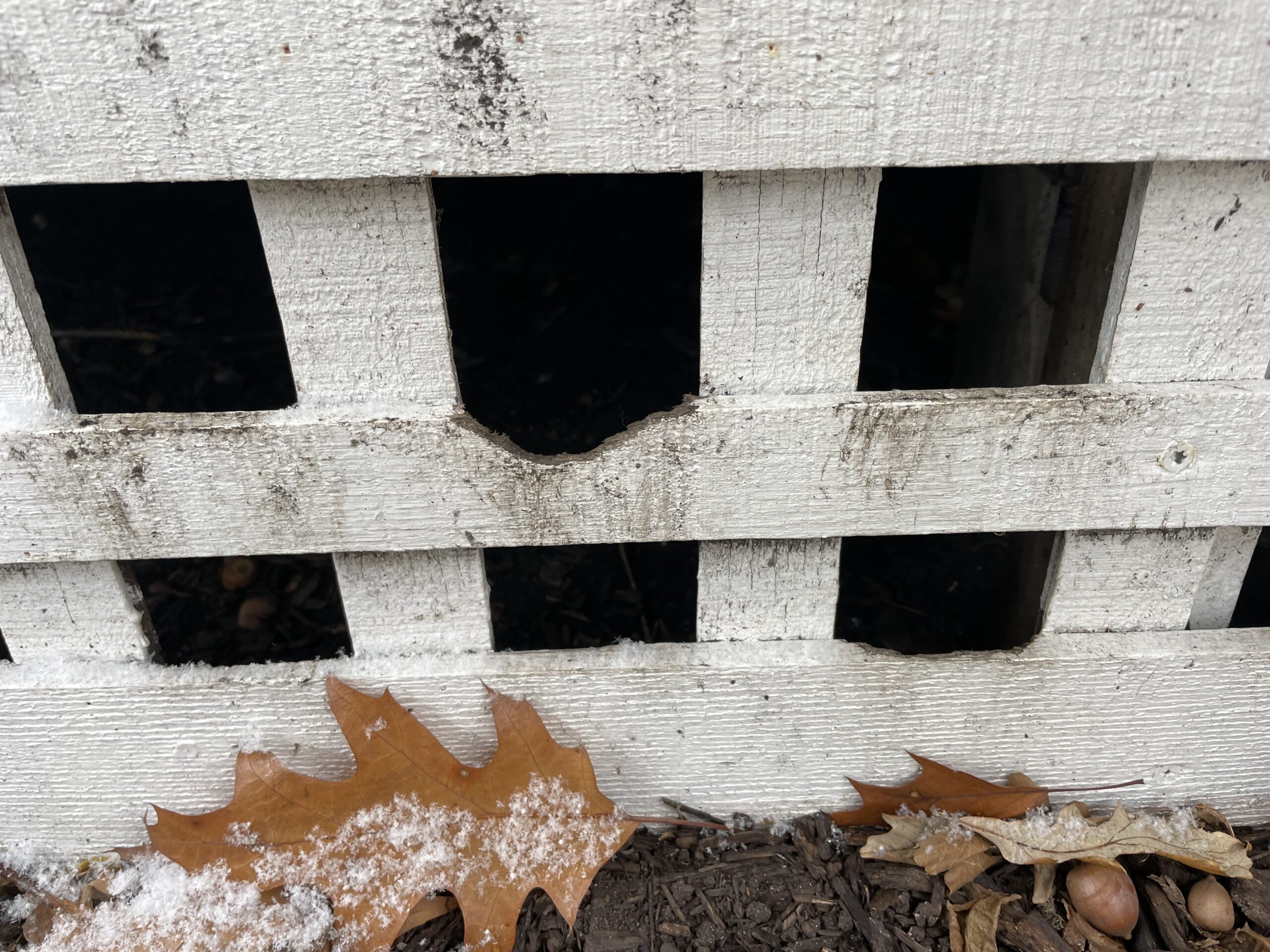
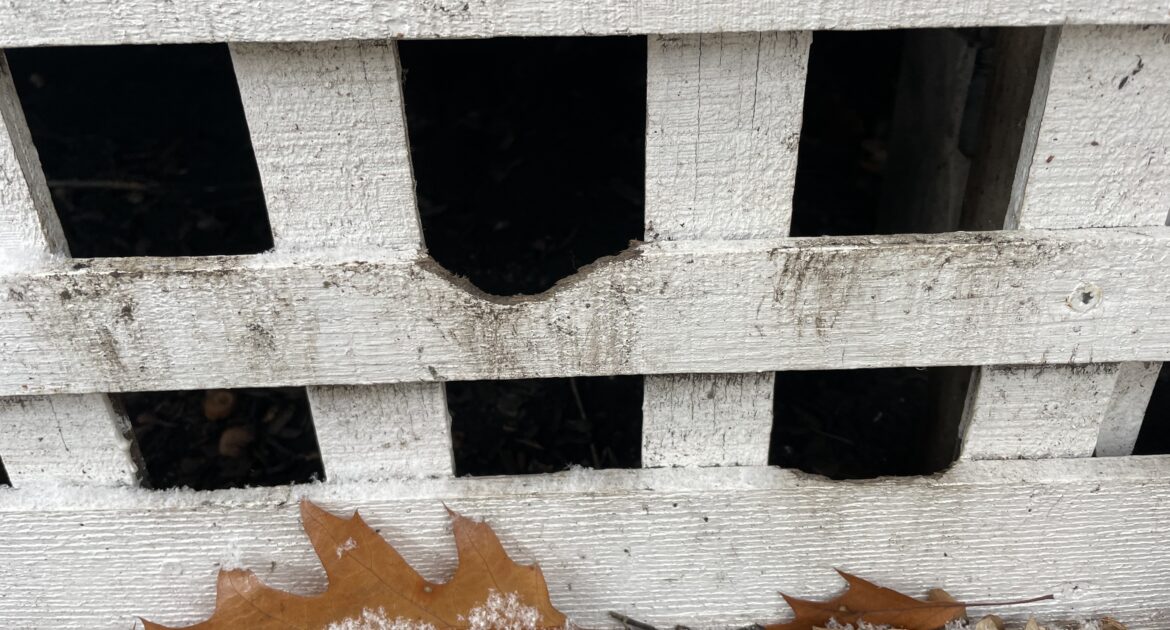
You may not see how small foundation gaps can be, but rats depend on them to begin burrowing beneath homes. Cracks in concrete, spaces around pipes, and openings near utility lines weaken the soil near the foundation. These weak points make it easier for rats to start digging underground, often without being noticed from the surface.
As foundations settle and soil shifts over time, these openings slowly change shape. What starts as a minor gap can become a reliable underground access point. Once digging begins, activity often moves closer to the base of the home, especially during colder months.
How do foundation gaps support rat burrowing?
- Cracks Form Natural Digging Points: Concrete expands and contracts as temperatures change, which causes small cracks to form along foundation walls and footings. Rats take advantage of these cracks because the soil around them is already weakened. As digging continues, the crack slowly opens into a usable underground entry point that leads beneath the home.
- Utility Lines Create Loose Soil Paths: Pipes and utility lines pass through foundation walls and disturb the soil around them. This soil stays softer than the surrounding ground, especially during winter when nearby soil freezes. Rats follow these loose paths because they require less effort to dig. Repeated movement turns these areas into well-used underground routes.
- Repeated Movement Widens Tunnels: Once rats find a safe underground path, they continue using it. Each trip pushes soil aside and smooths the tunnel walls. Tight spaces slowly open into wider passages over time. This repeated movement allows rats to travel faster and dig deeper beneath the home.
- Escaping Heat Draws Rats Inward: Warm air escapes from foundation areas during cold weather and heats the surrounding soil. Rats sense this warmth underground and dig toward it as temperatures drop. As they move closer to the foundation, the soil becomes easier to tunnel through. This heat makes foundations a strong target for winter burrowing.
Construction Disturbance Forces Rats to Burrow Toward Nearby Homes
You may notice burrowing activity increase after construction begins nearby. Digging, drilling, and heavy equipment can destroy underground tunnel systems that rats use for shelter. When these tunnels collapse, rats are forced to move quickly to find new protection. Nearby homes often provide the most stable ground.
Disturbed soil also changes how rats dig. Freshly moved earth is easier to tunnel through than frozen winter ground. This allows rats to dig faster and reach foundations more easily. Once burrowing shifts toward a structure, new tunnels can form beneath the home.
Let’s break down how construction pushes rat burrowing toward homes.
- Existing Burrows are Destroyed: Construction equipment often collapses underground tunnel systems that rats have relied on for shelter. Nesting areas and travel routes can disappear in a short time. With no protection left, rats begin digging new tunnels right away. Foundations nearby offer solid ground and warmth beneath the structure.
- Vibration Makes Old Tunnels Unsafe: Heavy machinery creates constant vibration in the soil. This movement causes tunnel walls to weaken or collapse, making them unsafe to use. Rats avoid these unstable paths to prevent being trapped. Burrowing shifts toward the steadier soil beneath home foundations.
- Loose Soil Speeds Up Tunneling: Recently disturbed ground stays soft longer than frozen winter soil. Rats can dig faster and with less effort in these conditions. Once loose soil is found near a foundation, burrowing becomes easier. Underground access can form quickly after construction begins.
- Burrowing Spreads Across Properties: Construction disturbance does not stay limited to one yard. Rats travel underground across property lines while searching for shelter. Tunnel systems expand outward as digging continues. Nearby homes become part of the burrowing network as rats follow the easiest underground routes.
Rat Burrow Systems Form Beneath Foundations
You may not realize how detailed rat burrow systems can become once digging starts beneath a home. These are not random holes, but connected tunnel networks built for movement, shelter, and escape. Foundations matter because the soil nearby stays firmer and warmer, which helps tunnels hold their shape and remain usable throughout the winter.
Rat burrow systems work under homes in four distinct ways.
- Main Tunnels Follow Foundation Walls: Rats dig main tunnels along foundation walls because the soil there stays firm and protected. Concrete surfaces help support tunnel shape and guide the direction of digging. This reduces the risk of collapse and allows steady movement. Foundation lines become the main routes beneath the home.
- Side Tunnels Provide Escape Routes: Rat burrow systems include smaller side tunnels branching off the main paths. These routes give rats multiple ways to move if danger appears underground. If one tunnel is blocked, another remains open. This design makes burrowing beneath homes more reliable during winter.
- Hidden Exits Stay Underground: Many tunnel openings never break through the surface. These hidden exits remain below ground and are difficult to notice. Because signs are minimal, activity can continue without detection. Burrow systems are able to grow quietly beneath homes over time.
- Warm Soil Keeps Tunnels Active: Heat from the home warms the soil around the foundation during cold weather. This warmth prevents the ground from freezing as deeply as open areas. Rat tunnels stay open and usable for longer periods. Underground movement continues even during harsh winter conditions.
Rat Burrowing Spreads Along Structural Edges
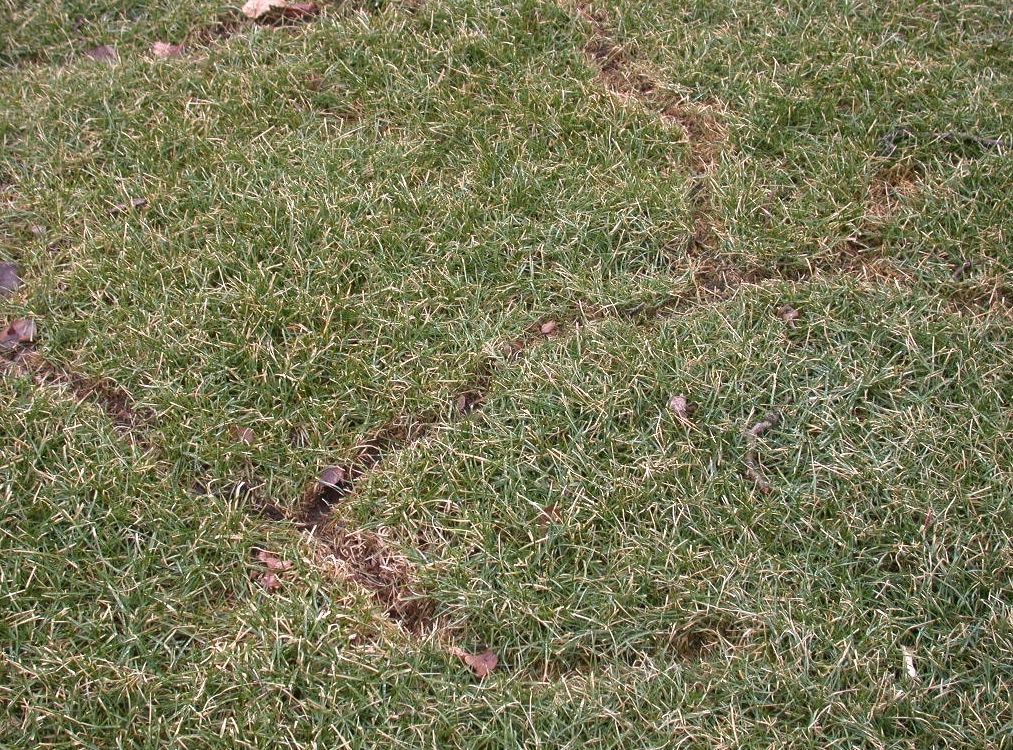
Once rats reach a foundation, burrowing often spreads sideways. Structural edges offer steady support and warmth. Rats dig along the outline of the building. Over time, tunnels extend beneath more areas of the home.
Corners, steps, and additions change soil pressure. Rats adjust tunnels to follow these features. Digging becomes more focused along these edges.
As tunnels grow, coverage increases. What begins near one corner can spread beneath large sections of the structure. Burrow networks become harder to control.
Underground Rat Tunnels Connect to Interior Spaces
As burrows reach deeper foundation areas, access points increase. Crawl spaces, basements, and utility zones sit close to underground tunnels. Rat burrowing brings activity closer to interior spaces without surface signs.
Soil erosion around footings creates small gaps. Rats line up tunnels with these weak points. Underground paths connect directly to foundation openings.
Once these routes exist, movement becomes steady. Rats use the same paths repeatedly. Burrowing continues unless professionally addressed.
Rat Removal in Milwaukee With Our Professional Team
You may feel unsure what to do when burrowing signs appear. Underground activity should never be handled alone. Rat removal in Milwaukee requires training, planning, and proper equipment.
At Skedaddle, we focus on humane, professional solutions. We use one-way doors that allow animals to leave safely while preventing re-entry. This clears the structure without trapping or forcing activity deeper underground.
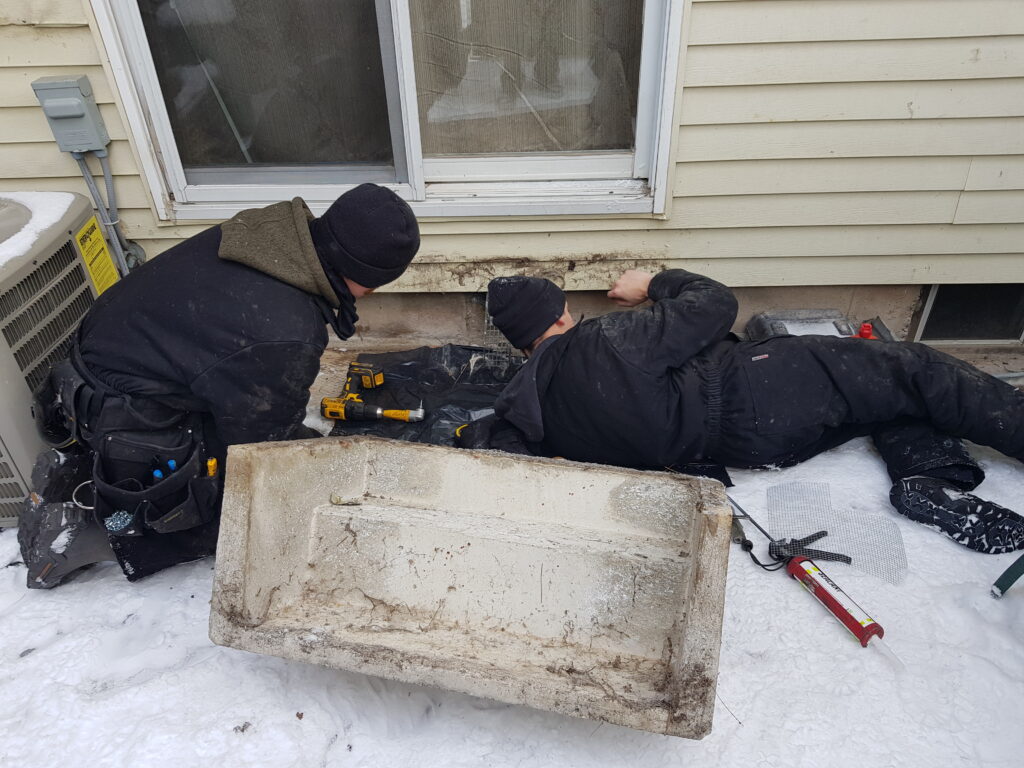
After removal, entry points are sealed and reinforced. This helps prevent future burrowing and access. Our approach focuses on long-term protection for rats in local homes.
Protect Homes From Rats in Milwaukee Homes This Winter
You deserve peace of mind when winter activity starts beneath your home. Rats in Milwaukee homes often begin with rats burrowing under the house as cold weather sets in. Understanding how burrowing works helps explain why professional help matters.
When underground signs appear, rat removal should always be handled by trained professionals. At Skedaddle Humane Wildlife Control in Milwaukee, we provide humane solutions designed to stop burrowing, protect foundations, and prevent repeat problems.
Request an estimate today to learn how we can help protect your home from winter burrowing with professional care you can trust.

 Loading...