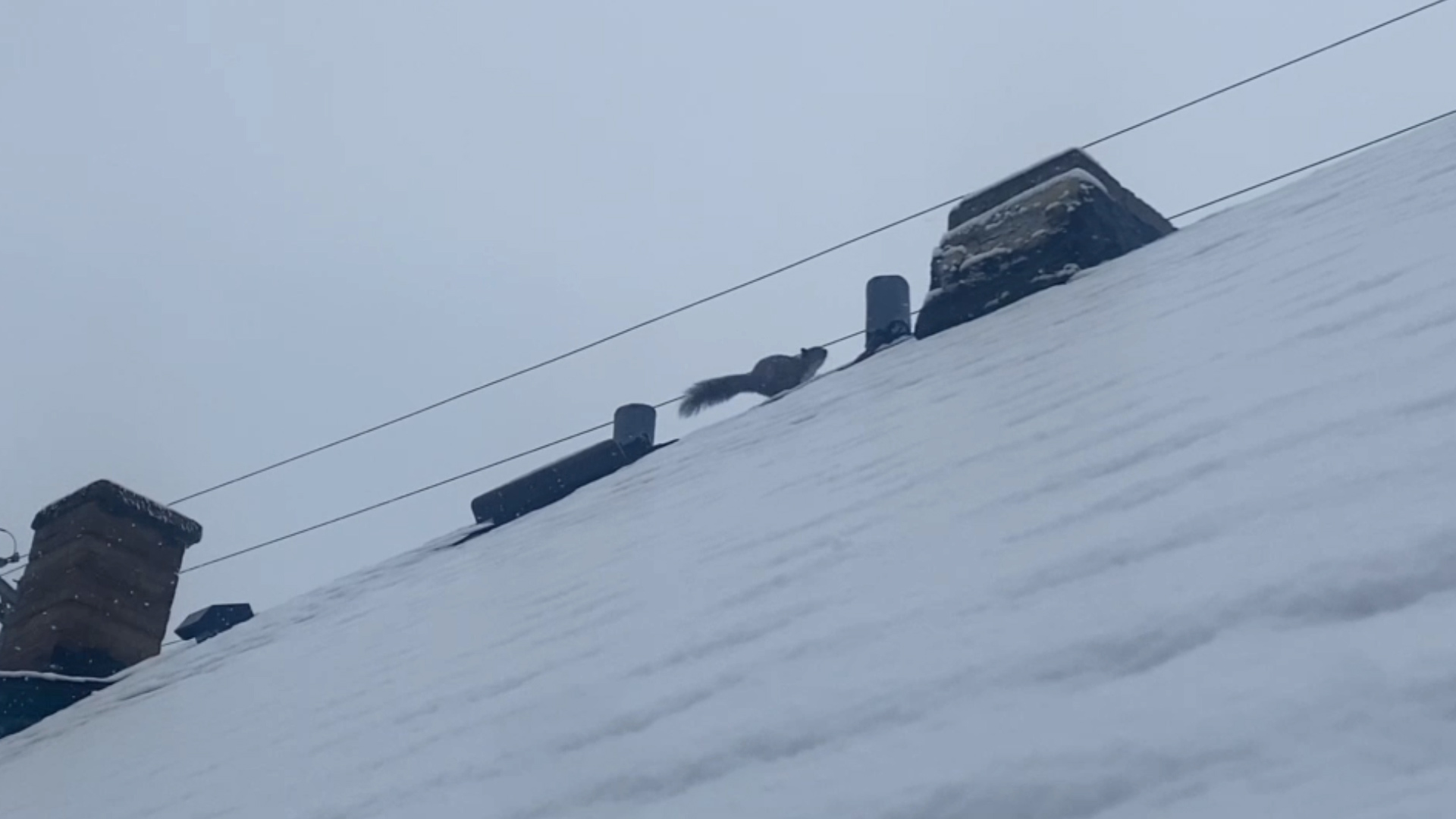
You notice sounds the fastest during the cold season. A small thump above you. Light scratching near the roofline. A soft rolling noise inside a wall. When these sounds appear in winter, they often point to one thing: squirrels in rooflines. These animals stay active all year, and when the weather turns harsh, they start looking for a warm space to hide. Homes across Milwaukee and Madison give them exactly what they need.
You may wonder how these animals survive the freezing temperatures. They do it by turning your home into a safe Wisconsin winter squirrel shelter. Once inside, they build nests, find food, and settle into quiet corners where the cold can’t reach them. This is how indoor squirrel problems in Milwaukee start, especially when storms make the outside world uncomfortable for wildlife.
These animals don’t hibernate. They stay awake, search for food, and use your attic, soffits, and rooflines as protection. This blog explains the simple ways squirrels survive indoors, how they get inside in the first place, and why your home becomes their best winter shelter. We’ll also share prevention steps you should know and how our team at Skedaddle Humane Wildlife Control in Milwaukee uses humane methods like one-way doors to help you stay safe.
How Squirrels Get Into Rooflines Before Winter Starts
Squirrels don’t wait for the cold to arrive. They begin planning early. Your roofline offers warmth, height, and safety, and they use any small opening to slip in. Once inside, they can stay sheltered for months.
Gaps in Soffits and Fascia
Soffits and fascia help seal the edges of your roof. When the wood becomes worn or softened by moisture, small gaps form. Squirrels notice these weaknesses quickly.
They may use:
- Loose soffit panels
- Bent or peeling boards
- Small holes made by weather
- Rotting wood that breaks under pressure
A squirrel only needs a small edge to grip. If a panel lifts even slightly, they can widen it with their teeth and paws. From there, the roofline becomes an open doorway.
Roof Vents and Small Openings
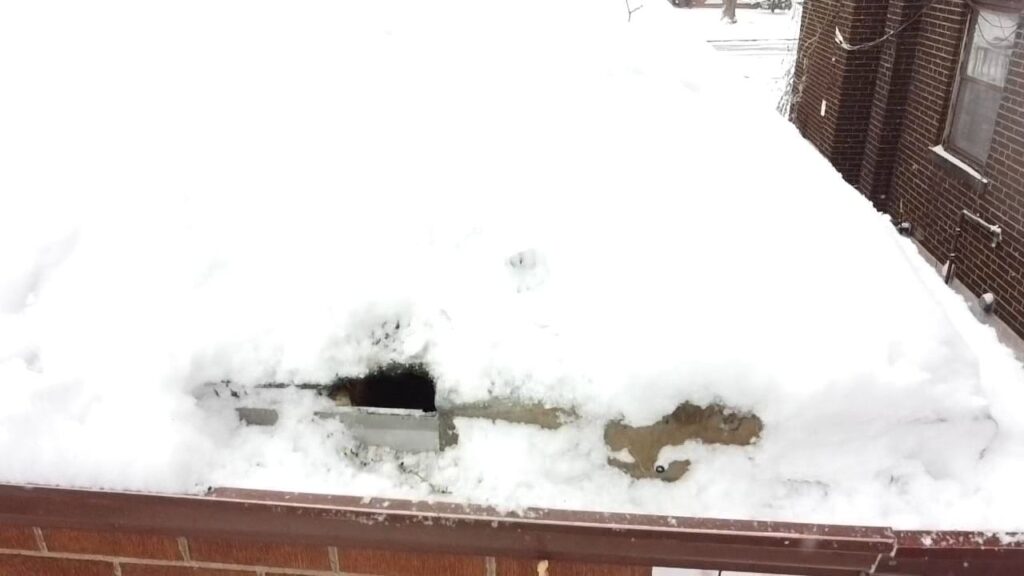
Many homes in Milwaukee use plastic or thin aluminum roof vents. These materials help airflow but don’t stand up well to strong paws.
Squirrels may target:
- Attic vents
- Ridge vents
- Gable vents
- Small gaps around pipes or cables
When they push against a vent cover or chew the edges, the opening grows wider. Once a vent breaks or bends, the attic becomes reachable.
Tree Branches That Touch the House
Trees and wires make perfect bridges. When branches hang close to the roof, squirrels use them as pathways.
Squirrels can easily travel across:
- Maple and oak branches
- Power lines
- Fence lines
- Garages and sheds that sit close to your home
Once they reach your roof, they explore for the nearest weakness. This is one of the top reasons for indoor squirrel problems in Milwaukee.
How Squirrels Survive Winters Indoors
Inside a roofline or attic, squirrels follow a simple pattern: stay warm, stay fed, and stay hidden. They don’t sleep through the whole season. Instead, they rest in cycles and leave their shelter when they need food.
Here are the main ways they survive winter inside your home:
1. They Build Warm, Protective Nests
Nests are called “dreys,” and squirrels create them using whatever soft materials they can find.
Inside your roofline, they may gather:
- Insulation
- Fabric pieces
- Leaves
- Twigs
- Shredded paper or cardboard
A warm nest helps them save energy while keeping heat inside. This makes attics and rooflines much more comfortable than tree cavities during a Wisconsin winter.
2. They Rely on Stored Food Caches
Squirrels spend fall hiding food in every possible spot, from yards to gardens to under frozen leaves. They remember most locations using their strong spatial memory.
Their winter food sources include:
- Nuts they buried in fall
- Seeds they stored under snow
- Extra food hidden in tree crevices
- Leftover berries or acorns
A squirrel that has access to a roofline can leave, grab food, and return quickly, making your home a perfect Wisconsin winter squirrel shelter.
3. They Use Fat Reserves to Stay Warm
Just like many animals, squirrels gain weight before winter. This stored fat keeps them warm and helps them go longer between meals.
Indoors, their bodies don’t need to work as hard. A warm attic lets them use less energy, meaning fat lasts longer. This is one of the reasons squirrels in rooflines can stay for months without being noticed.
4. They Stay Active Instead of Hibernating
Squirrels do not hibernate like bats or groundhogs. Instead, they slow down but stay awake. They sleep more, stay close to the nest, and avoid long trips outside.
Their indoor winter routine often includes:
- Short trips outside on warmer days
- Resting inside the roofline during storms
- Staying quiet for long periods
- Moving between nesting spots when needed
This active cycle makes winter survival easier than hibernation and keeps them healthier.
How Rooflines Help Squirrels Stay Safe
Rooflines give squirrels natural protection. The height keeps predators away, and the insulation helps trap heat.
A roofline also offers:
- A dry space during snow and freezing rain
- A steady temperature compared to outdoor swings
- Quiet areas with little disturbance
- More than one hiding spot if they need to move
When you combine these benefits, it becomes clear why indoor squirrel problems in Milwaukee are so common. Homes are simply safer than trees during winter storms.
Why Squirrels Stay for the Entire Winter Season
A squirrel builds a nest inside a roofline, it’s all over.It has no reason to leave. Your home gives the animal everything it needs to make it through the cold months. The space is warm, food is easy to reach outside, and the animal feels safe from harm. That combination makes your home a perfect winter shelter.
Here’s why they stay all winter:
- Less Energy Used: Staying warm in harsh weather takes a lot of energy for a small animal. A roofline traps heat and protects them from strong winds, snow, and freezing air. When they don’t have to fight the cold, they save energy and stay healthier through the season.
- Food Is Easier to Reach: Squirrels still need to leave the shelter to grab food, but the trip is quick. They can climb out, find nuts or seeds, and return to safety in just minutes. The short travel time means they spend less time exposed to dangerous cold or hungry predators.
- New Nests for Babies: Winter litters don’t happen often, but they are possible. When a winter birth does occur, the roofline becomes a stable home for raising young. The insulation, steady temperature, and quiet corners make it a safer choice than a tree cavity in freezing weather.
- No Predators Inside: Hawks, owls, foxes, and coyotes hunt often during winter, and a squirrel outside is an easy target. Inside a roofline, no predator can reach them. This safe space gives them a better chance of surviving the season.
Once they settle in, you may hear noises off and on, but the shelter stays active until spring. They return to the same cozy space every day because it gives them everything they need to make it through winter.
Why Indoor Squirrel Problems Start in Milwaukee and Madison
Milwaukee and Madison have long, cold winters with sharp temperature swings, and these changes push squirrels to look for steady shelter. Winter storms can loosen shingles, bend vents, pry wood apart with ice, and weaken soffits under heavy snow.
When all of these small weaknesses line up with a squirrel’s natural habits, the roofline becomes the easiest place for them to slip inside. That’s why homes across the region see so many squirrels in rooflines every winter.
Simple Prevention You Should Know
You can’t seal your own roofline, but you can learn how squirrels take advantage of openings so you know when to call for help. Prevention is important because these animals return to the same shelter year after year.
Here are patterns to watch for:
- Branches touching the roof
- Noises during early morning or late afternoon
- Small gaps near soffits
- Chewed vent edges
- Loose siding near the roofline
When our team at Skedaddle visits a home, we look for all these areas. We use humane tools and one-way doors that let wildlife leave safely without letting them back in. This step is important because it protects your home without harming the animal.
Safe Winter Squirrel Control With Skedaddle
Our professionals handle wildlife issues through humane and safe steps designed for your home. We follow a detailed process that focuses on long-term results. This includes inspecting weak points, installing one-way doors, and securing the home so squirrels can’t enter again.
We never ask you to handle animals or attempt repairs yourself. Winter rooflines can be unsafe to navigate, and wildlife can be unpredictable when stressed. Our trained team knows how to manage every part of the process correctly.
A Warmer Home Without Winter Squirrel Trouble
Squirrels in rooflines can turn winter into a season full of noise, damage, and stress. These animals stay active, use your home for warmth, and return year after year if the space stays open. When you want to protect your home and prevent long-term problems, our team is here to help.
If you’re dealing with squirrels in rooflines, facing indoor squirrel problems in Milwaukee, or want to stop your home from becoming a Wisconsin winter squirrel shelter, reach out to Skedaddle Humane Wildlife Control in Milwaukee.
Request an estimate to learn more and keep your home protected.

 Loading...