
You may find one bat inside your Minneapolis home during September without having a colony. However, repeated sightings can point to a hidden roost in the attic, walls, chimney, or roofline. Signs such as droppings, odors, sounds, and several bats leaving at dusk make a larger problem more likely.
You may notice more activity in September because young bats can now fly and maternity colonies begin separating. Some species also start migrating or moving toward winter hibernation sites. This added movement can lead to more sightings around roofs and occasional entry into living spaces.
You should never touch a bat, enter a contaminated attic, clean guano, or seal an opening yourself. At Skedaddle Humane Wildlife Control in Minneapolis, we inspect the full building and follow Minnesota’s seasonal guidance when planning humane exclusion. In this blog, we explain the difference between one visitor and a hidden roost, the mess they can leave, and how our professional removal and prevention protect your home.
Do Bats Make a Mess in Attics?
Yes, bats can create a mess in attics when droppings and urine collect beneath a long-term roost. One isolated visitor may leave very little evidence. A colony can create much larger areas of contamination.
Guano may build up on insulation, attic floors, boxes, and other materials. Urine can stain wood and create strong odors that spread into nearby rooms. Contaminated insulation may also need to be removed and replaced.
You should not sweep, vacuum, touch, or attempt to remove guano. Disturbing dried waste may release particles into the air. Our trained team can assess the contamination and complete professional cleaning and attic restoration.
One Visitor or a Hidden Roost?
One sighting does not always show the size of the problem. A bat may enter a living space by mistake, or it may have moved from a roost inside the building. Several signs can help our professional wildlife team determine which situation you have.
- One Isolated Sighting: A single bat may enter through an open door, window, fireplace, or interior gap. This does not always mean a colony is present. The home should still be inspected, and any possible contact with people or pets must be taken seriously.
- Repeated Indoor Sightings: More than one sighting over several days or weeks may point to a hidden roost. They could be moving from an attic or wall into the living area. Our team can trace the route without asking you to open walls or enter hidden spaces.
- Activity Near the Roof at Dusk: Several bats leaving the same roofline gap around sunset may indicate a roost. The opening may sit near a vent, soffit, chimney, fascia joint, or loose piece of siding. A professional exterior inspection can confirm the active route.
- Sounds Inside Walls or Ceilings: Light scratching, squeaking, or fluttering may come from a hidden group. These noises can become more noticeable around dusk when they prepare to leave. Our team can determine whether the sound matches bat activity.
- Guano in One Area: Droppings below a vent, roof gap, chimney, or attic space can point to repeated use. A growing pile suggests more than one short visit. You should leave the material for our trained professionals to inspect and remove.
Why September Encounters Increase in Minneapolis
Young bats born earlier in the summer can often fly by late summer or early fall. Maternity colonies then begin to separate as the season changes. This movement may lead to more sightings around roofs, yards, and living spaces.
Minnesota is home to eight bat species. Some prepare to migrate, while others begin moving toward places where they can hibernate. Cooler weather and shorter days change their travel and roosting patterns.
A young or confused bat may enter an occupied room while moving through the building. September is also important because permanent exclusion becomes safer after pups can fly and colonies begin to break apart. Our professionals must still inspect the roost before deciding when work can begin.
Signs of a Hidden Roost
Bats can remain hidden inside narrow spaces around the attic and roofline. You may notice small signs before realizing that a colony is present. Repeated activity is more concerning than one brief sighting.
- Several Bats Leaving at Dusk: A group emerging from one part of the roof can point to an active roost. They may leave one at a time over several minutes. Our team can watch the activity and identify the opening.
- Squeaking or Fluttering Sounds: Soft noises may come from an attic, wall, chimney, or ceiling. The sounds may increase near sunset or before sunrise. A professional assessment can identify the source.
- Guano Below an Opening: Small, dark droppings may collect on siding, windowsills, decks, attic floors, or insulation. Repeated buildup can reveal where they enter or rest. You should not touch or disturb the material.
- Dark Roofline Stains: Oils from repeated contact may leave dark marks around a small opening. Urine may also stain wood, drywall, insulation, or exterior materials. These signs help our team trace the active route.
- Strong Attic Odors: A long-term roost can create a musty or ammonia-like smell. The odor may spread into rooms below the attic. Our professional sanitation and contaminated-material removal may be required after exclusion.
How a Roost Affects the Attic
Guano and urine can build up beneath a roost over time. This waste may stain wood, drywall, insulation, storage boxes, and attic floors. Strong odors may also move beyond the attic.
Contaminated insulation may not work as well and could require professional replacement. Moisture from urine can affect wood and other building materials. Droppings may also support fungal growth when the conditions are right.
You should not enter the attic or disturb affected areas. Moving dried waste can release harmful particles into the air. At Skedaddle, we can assess the damage and plan professional restoration after humane exclusion is complete.
Small Openings Used to Enter Minneapolis Homes
Bats can fit through very small gaps in a building. An opening may be hard to see from the ground but still lead into an attic or wall. The room where one appeared may be far from the outside entrance.
Common access points include:
- Roofline Gaps: Spaces may form where shingles, fascia, soffits, and other materials meet. Wind, moisture, age, and seasonal movement can make these gaps worse. We inspect the full roof edge for active and possible openings.
- Loose Soffits and Fascia: A shifted soffit panel or damaged fascia board may provide access. They can slip behind these materials without making a large hole. The opening may lead straight into the attic.
- Damaged Vents: Gaps around roof, gable, or exhaust vents can become entry points. Thin or loose screens may not offer lasting protection. Our technicians inspect the vent and the materials around it.
- Chimney and Flashing Gaps: Spaces around flashing, caps, or masonry may offer a protected route. Bats may roost inside a chimney or move from there into another part of the home. A full inspection must happen before any opening is sealed.
- Utility and Siding Openings: Gaps around cables, pipes, siding, windows, and trim may lead into walls. They can follow these hidden spaces through the building. Our team traces the route to find the true entry point.
Why Exclusion Timing Matters
The Minnesota Department of Natural Resources recommends avoiding permanent bat exclusion from May 15 through August 1. Pups may be unable to fly during this period. Blocking adults outside could leave the young trapped in the roost.
Mothers may search for another way into the home while trying to reach their pups. Trapped young may also move toward living spaces while looking for an exit. Both situations can make the problem worse.
After September is often a better time because pups can fly and colonies begin to disband. However, the date alone does not prove that the roost is empty. Our team must inspect the site and confirm the right timing before installing any exclusion devices.
How Professional Inspection Finds the Full Problem
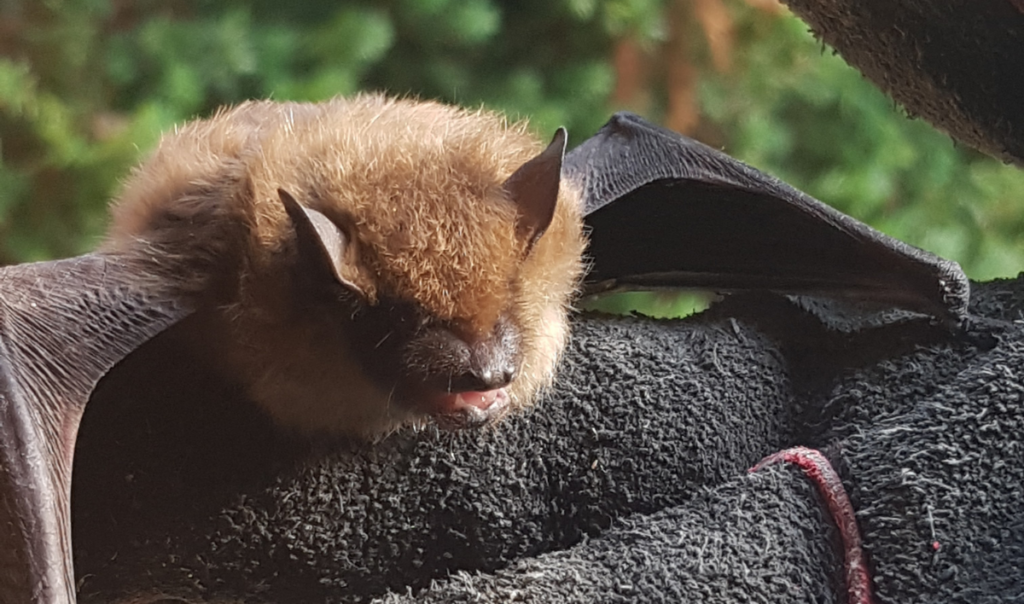
Our team checks both the inside and outside of your Minneapolis home. We inspect the attic, walls, chimney, roofline, soffits, fascia, vents, flashing, siding, and utility openings. This full assessment helps us find routes that are difficult to see.
Guano, stains, odors, sounds, and activity at dusk can reveal a hidden roost. The room where you found one bat may not contain the main opening. We use all the signs together to determine whether the sighting was isolated or connected to a colony.
Our findings guide the timing and placement of one-way doors. They also show which areas require sanitation, restoration, and permanent exclusion. You do not need to enter the attic, handle waste, or search for openings yourself.
Bat Removal and Prevention with Skedaddle: Important Facts
At Skedaddle Humane Wildlife Control in Minneapolis, we begin with a detailed inspection. Our professional wildlife team identifies active roosts, entry points, contamination, and damage. We schedule exclusion around Minnesota’s seasonal guidance and the colony’s stage.
When the timing is right, we install one-way doors at the active openings. These devices allow wildlife to leave during normal nighttime activity but prevent re-entry. We confirm that the roost is clear before permanently securing the gaps.
Our team then removes guano and contaminated materials and completes professional sanitation where needed. We restore damaged attic areas and seal vulnerable openings with durable materials. You do not have to touch a bat, enter the attic, clean waste, or complete repairs yourself.
September Bat Problems in Minneapolis
September colony dispersal, migration, and preparation for hibernation can increase movement around Minneapolis homes. You may see more activity near roofs or find one inside a living space. One sighting may be isolated, but repeated encounters require a full inspection.
Small gaps around soffits, vents, chimneys, flashing, siding, and utility lines may provide access. One opening can lead into an attic, wall, or ceiling space. Repeated dusk activity, noises, stains, odors, or guano may point to a hidden roost.
One indoor bat should not be ignored when possible contact cannot be ruled out. This is especially important when someone was sleeping, a child was alone in the room, or a pet may have made contact. Minnesota health officials or a medical provider should assess possible rabies exposure, while Skedaddle inspects and protects the building.
Frequently Asked Questions
Why do bats enter Minneapolis homes in September?
Young bats are flying, colonies are separating, and some species are preparing to migrate or hibernate. This added movement can bring them closer to buildings. A small exterior opening may then lead into an attic or living space.
Does one bat mean there is a colony?
No, one bat does not always mean a colony is present. Repeated sightings, guano, odors, sounds, or several bats leaving at dusk make a hidden roost more likely. Our professional inspection can determine the full situation.
What do bats in an attic sound like?
They may create light scratching, squeaking, fluttering, or movement sounds. Activity may become easier to hear near sunset or before sunrise. The noises are often softer than people expect.
Is bat guano dangerous?
Accumulated guano can support fungal growth and create health concerns when disturbed. Dried waste may release particles into the air. You should not sweep, vacuum, touch, or remove it yourself.
What should you do after finding a bat in a bedroom?
Do not touch or release it before receiving professional guidance. Possible contact involving a sleeping person, child, or anyone unable to report contact requires prompt advice from Minnesota health officials or a medical provider. Rabies exposure must be assessed quickly.
When can bats be excluded in Minnesota?
Minnesota recommends avoiding permanent exclusion from May 15 through August 1. After September is often preferred because pups can fly and colonies are separating. Our professionals must still confirm that the timing and conditions are right.
Who should inspect a Minneapolis home for bats?
Our trained wildlife professional should assess the full building. Skedaddle can identify the roost, locate entry points, plan humane exclusion, clean contamination, and prevent re-entry. We handle the work without asking you to enter hidden spaces.
Find Out Whether One Bat Is Hiding a Larger Problem
September can bring more bat encounters as young begin flying, colonies separate, and some species prepare to migrate or hibernate. One sighting may be an isolated visitor. Repeated sightings, guano, odors, noises, stains, or several bats leaving at dusk may point to a hidden roost.
An attic can become contaminated by droppings and urine over time. You should not touch a bat, enter a contaminated attic, clean guano, or seal an opening yourself. Proper seasonal timing is also needed to avoid trapping pups or separating them from adults.
Possible contact in a bedroom or sleeping area requires prompt guidance from Minnesota health officials or a medical provider. At Skedaddle Humane Wildlife Control in Minneapolis, we can then inspect the building and determine whether a larger colony is present.
Our professional wildlife team handles humane exclusion, sanitation, attic restoration, and permanent prevention. We identify every entry point and install one-way doors only when the timing is safe. Contact us to request an estimate and learn more about protecting your Minneapolis home.

 Loading...







