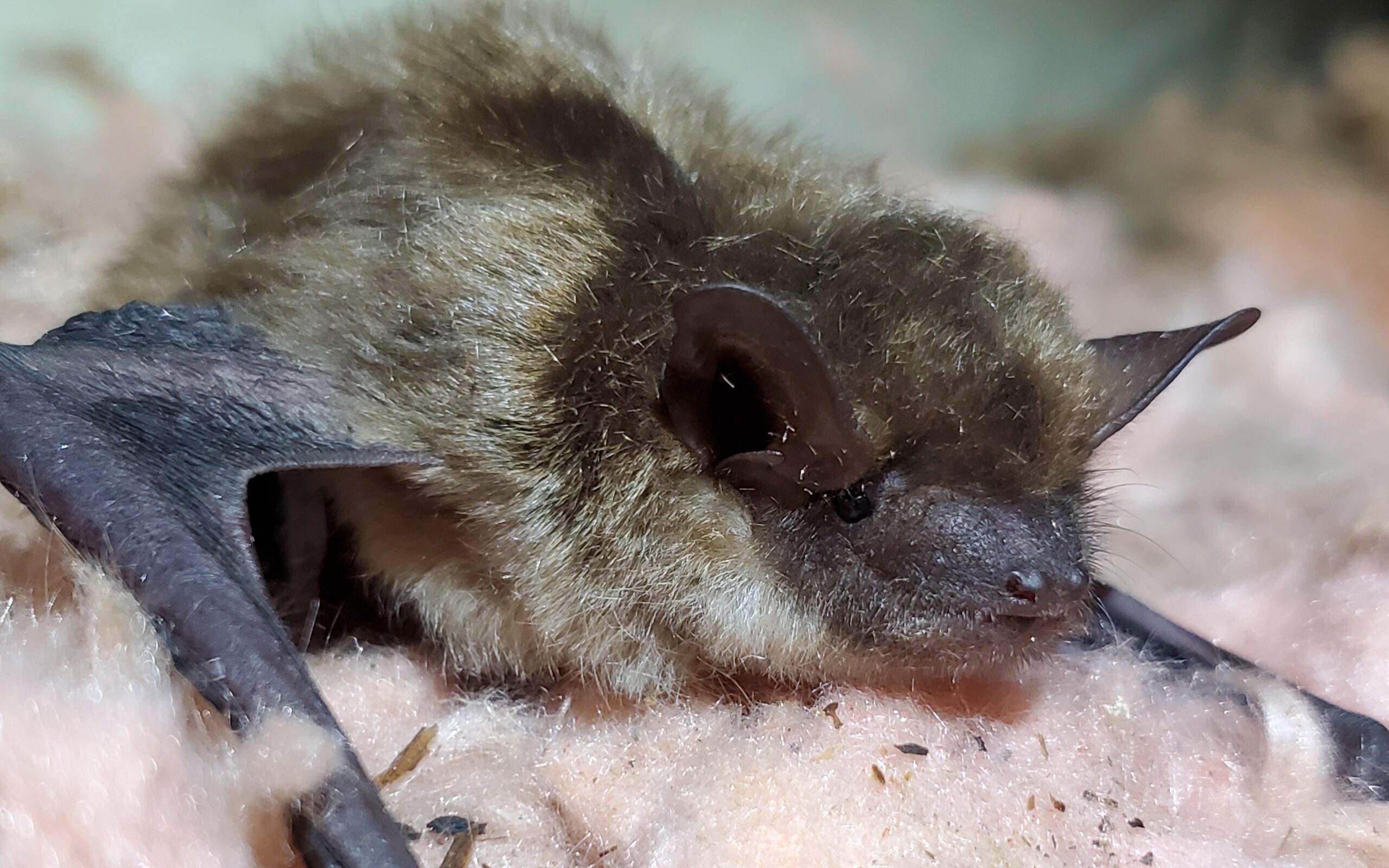
A fungus that causes a deadly disease in bats has been detected in B.C., and if these animals are living in your home, this news matters to you. White-nose syndrome has already wiped out large numbers of them across North America, and its arrival in B.C. makes it more important than ever to handle these situations carefully and with professional help. The fungus doesn’t harm people, but the way homeowners respond can make a real difference for both their family and the local population.
You might not even know they’re living in your attic or walls. These animals are quiet, mostly active at night, and very good at staying out of sight. But if they’re there, the right response matters and the wrong one can cause serious problems. Do not touch them, do not try to chase them out, and do not seal any openings until our professionals have assessed the situation.
At Skedaddle Humane Wildlife Control in Coquitlam, we handle these situations safely and humanely every season. In this blog, we walk you through what white-nose syndrome means for Coquitlam homeowners, what to do if you find them in your home, and how our team protects both your property and the animals themselves.
Do Bats Bite?
Yes, bats can and do bite, especially when they feel cornered, threatened, or handled by a person. Their teeth are very small, which means a bite can happen without you feeling it or leaving an obvious mark. This is one of the most serious reasons why you should never try to pick up, catch, or handle one on your own under any circumstances.
Rabies is the biggest health concern associated with these bites in Canada. They are one of the most common carriers of rabies in B.C., and any direct contact, including a bite or scratch you may not have noticed, should be treated as a possible exposure. If you wake up to find one in your bedroom, or if there’s any chance someone in your home had contact with one, call health authorities right away. In B.C., you can reach HealthLink BC at 8-1-1 for guidance.
These bites are not something to wait and see about. Because the bite can be so small, many people don’t realize contact occurred, which is why health authorities treat potential exposures seriously regardless of whether a bite wound is visible. Keep everyone away, call our team to handle containment, and contact health authorities if any contact may have occurred.
What Is White-Nose Syndrome and Why It Matters
White-nose syndrome is a disease caused by a fungus called Pseudogymnoascus destructans. It grows on the skin of these animals while they hibernate, disrupting their sleep and causing them to burn through their fat reserves too quickly. Those affected often die before winter ends. In spring 2026, the B.C. government reported another detection of this fungus in the province — a sign that the disease is continuing to spread. You can read the full announcement here: B.C. Government — White-Nose Syndrome Detection
The fungus does not affect people. You cannot catch white-nose syndrome, and it poses no health risk to humans or pets. But the disease is devastating for these populations, which play an important role in controlling insects across B.C. A single one of these creatures can eat thousands of insects in a single night. When their numbers drop, the impact is felt across local ecosystems, including the gardens and properties of Coquitlam homeowners.
B.C. residents have been asked to report unusual winter activity and any sick or dead animals to wildlife authorities. If you see them flying in winter, find one on the ground, or notice unusual activity around your home, do not touch it – report it and call our team. Handling a sick animal puts you at risk, and removing it without the right equipment can make the situation worse. Our team responds to these situations with the care they require.
Signs They Are in Your Attic, Walls, or Living Space
Bats are quiet and mostly invisible, but they do leave signs behind. Here’s what to look for if you think they might be in your home:
- Droppings Near Entry Points or in the Attic: Droppings (called guano) are small, dark, and tend to pile up in the same spots over time. You’ll often find them near entry points on the exterior of the home, on the ground below roofline gaps, or accumulated in the attic. Do not touch or disturb droppings. They can carry a fungal condition called histoplasmosis that affects the lungs. Call our team right away if you find them.
- Scratching or Fluttering Sounds at Dusk: Bats are most active around dusk and dawn when they leave and return to the roost. Soft scratching, fluttering, or high-pitched squeaking sounds near the roofline or in the attic during these times often point to their activity. These sounds are easy to miss or dismiss, but if you hear them regularly at the same time of day, it’s worth calling our team for an inspection.
- Staining Around Entry Points: Bats leave behind an oily residue from their fur as they squeeze through entry points repeatedly. This creates dark staining around gaps in soffits, along rooflines, and near vents. If you notice brown or black staining around a small opening on the exterior of your home, it’s a strong sign that these animals are using that spot regularly to get in and out.
- One in Your Living Space: An animal flying through your living room, bedroom, or hallway is the most obvious sign and the most urgent one. This almost always means there’s a roost somewhere in the building. Keep everyone away, keep it contained in one room if possible, and call our team immediately. Do not try to catch it yourself.
Why You Should Never Touch or Handle One
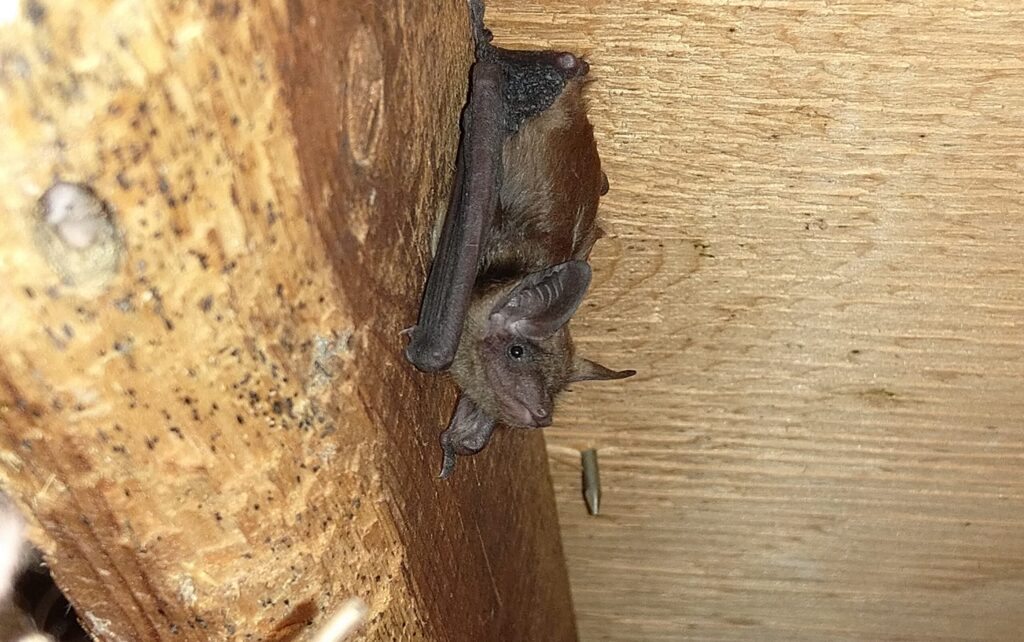
This is one of the most important things to know if you find one in your home. No matter how still it seems, how sick it looks, or how easy it would be to pick it up – do not touch it. Here’s why:
- Bites Are Often Invisible: Their teeth are tiny. A bite or scratch can be too small to see or feel, especially on thicker skin or through clothing. This means people are sometimes exposed to rabies without realising it. If anyone in your home may have had contact with one, call HealthLink BC at 8-1-1 right away and let our team handle it.
- Sick Animals Are Higher Risk: One found on the ground, moving slowly, or active during the day is showing signs that something is wrong. Sick animals are more likely to bite when handled and with white-nose syndrome active in B.C., unusual behaviour is something to take especially seriously. Call our team and local wildlife authorities. Do not pick it up.
- You Could Make the Situation Worse: Trying to chase one out of your home or handle it yourself often causes it to fly deeper into the living space, makes it harder for our team to contain, and increases the risk of contact. The safest thing you can do is keep everyone out of the room, keep it contained, and let us take it from there.
- Reporting Matters Right Now: With white-nose syndrome spreading in B.C., sick or unusual sightings are especially important to report. B.C. residents have been asked to contact wildlife authorities when they spot them. Our team can help you do this properly while also making sure the situation is handled safely and your home is assessed for a larger roost.
Why You Should Never Seal Entry Points While They’re Still Inside
Sealing the spots where they’re getting in seems like the obvious fix, but doing it while they’re still inside creates a much bigger problem. Here’s what can go wrong:
- They Get Trapped and Die Inside: Sealing an active entry point while these animals are inside traps them in your walls or attic. Trapped bats will push deeper into the building looking for another way out – sometimes ending up in your living spaces. Those that don’t find a way out will die inside the wall, creating serious odour problems that are difficult and expensive to address.
- Young Ones Can’t Fly Out on Their Own: Maternity season runs roughly from May through August in B.C. During this time, females are raising young that can’t yet fly. If entry points are sealed during maternity season, flightless young get trapped inside with no way to leave. This is both inhumane and a significant practical problem – our team waits until the young are capable of leaving before any exclusion work begins.
- Sealing Without Inspecting Misses the Full Picture: One getting in through a single spot is likely part of a roost using several entry points. Sealing one gap without finding and addressing all of them just changes which route they use – it doesn’t solve the problem. Our team inspects the full roofline and exterior before any sealing work begins so every entry point gets addressed at the same time.
How Humane Exclusion Protects Your Home and These Animals
Humane exclusion is the safest and most effective way to deal with this situation for you and for them. Our team installs one-way door systems at active entry points that allow these animals to fly out on their own at night but prevent them from getting back in. This approach empties the roost over time without trapping anyone inside and without causing harm in the process.
Timing is critical. We don’t start exclusion work during maternity season when young ones are present and can’t yet fly. Starting too early traps flightless young inside, which is harmful and creates additional problems. Our team assesses the situation first, determines whether young are present, and schedules the work for the right time so the exclusion is both effective and humane.
Once the roost is confirmed empty, we seal every entry point with durable materials that hold up over time. This is not a quick patch, it’s a complete closure of every spot that has been used or could be used in the future. Our goal is to make sure your home is fully protected going forward, with no gaps left open that could invite a new roost the following season.
What Coquitlam Homeowners Should Know
Coquitlam’s mix of mature neighbourhoods, forested hillsides, and proximity to the Coquitlam River creates ideal conditions for large populations of these creatures. Several species are common in the region, and many of them roost in buildings during the warmer months — particularly in attics, soffits, and wall cavities. As the surrounding forest areas continue to be developed, they get pushed further into residential areas and become more likely to establish roosts in homes.
Older properties in Coquitlam are especially vulnerable. Gaps along aging rooflines, worn soffit panels, and deteriorating seals around vents and chimneys all give them easy access points. A crack as small as half an inch is enough for most species to squeeze through, which means even a well-maintained home can have entry points that aren’t visible without a close inspection.
The arrival of white-nose syndrome in B.C. adds urgency to these calls in the Coquitlam area. Sick or disoriented animals showing unusual behaviour, including winter activity or one found on the ground, should be reported to the B.C. Wildlife Disease Reporting hotline. Our team works in line with provincial guidelines and handles every situation with the seriousness and care it requires.
Removal and Prevention with Skedaddle
When these animals are in your home, whether it’s one in your living space or a full roost in your attic, call our team at Skedaddle Humane Wildlife Control right away. We start with a full inspection of your property, checking the roofline, soffits, vents, chimney, and any other area where they may be getting in or roosting. We look at the full picture before we do anything else.
We use one-way door systems that let them leave on their own without being able to get back in. It’s a humane approach that respects these animals while solving the problem completely. We never seal an entry point until the roost is fully vacated, and we time our work carefully to avoid maternity season so no young are affected.
After the roost is empty and the entry points are sealed, we assess the full exterior of your home for any remaining vulnerabilities. Guano cleanup, if needed, is also handled by our team with the proper protective equipment – do not attempt to clean up droppings yourself. We handle everything from the first inspection to the final seal so you don’t have to deal with any part of it on your own.
Frequently Asked Questions
Is white-nose syndrome dangerous to people or pets?
No. The fungus only impacts these animals - it does not affect humans or pets. The concern for homeowners is the health risks that come from droppings and the potential for rabies exposure - both of which are reasons to call our team rather than handle the situation yourself.
How do I report a sick or unusual sighting in B.C.?
B.C. residents have been asked to report sick, dead, or unusual activity to the B.C. Wildlife Disease Reporting system. Do not touch the animal before reporting. Our team can also help guide you through the process when we respond to your call.
Can they get into my home through a window screen?
A damaged or improperly fitted screen can be enough. These animals can squeeze through very small gaps, and a screen with a tear or a gap along the edge is a potential entry point. Our team checks all windows and screens as part of a full property inspection.
How long does exclusion take?
The timeline depends on the size of the roost and the time of year. Work cannot start during maternity season when young ones are present. Once the timing is right, the one-way door system is left in place long enough to confirm the roost is fully empty before the entry points are sealed permanently.
What should I do if I find one on the ground outside?
Do not touch it. One found on the ground during the day is showing signs of illness or injury. Keep people and pets away and call our team and your local wildlife authority right away. With white-nose syndrome active in B.C., unusual sightings should be reported promptly.
Will they come back after exclusion?
If the exclusion work is done properly, meaning every entry point is found and sealed, they should not be able to get back in through the same spots. Our team inspects the full exterior so nothing gets missed and the work holds up over time.
This Situation Needs Professional Help — Not a Quick Fix
White-nose syndrome has reached B.C., and situations involving these animals in Coquitlam homes need to be handled more carefully than ever. They should never be touched, entry points should never be sealed while they’re still inside, and guano should never be cleaned up without the right protective equipment. Every one of these mistakes can make things worse – for your family and for these animals.
The right response is always to call our team first. We inspect the full property, handle the situation humanely, and seal your home properly once the roost is confirmed empty. You don’t have to deal with any part of it yourself.
At Skedaddle Humane Wildlife Control in Coquitlam, we’ve got the right solution for you. Contact us today to request an estimate and find out how we can protect your home and handle the situation safely from start to finish.

 Loading...







