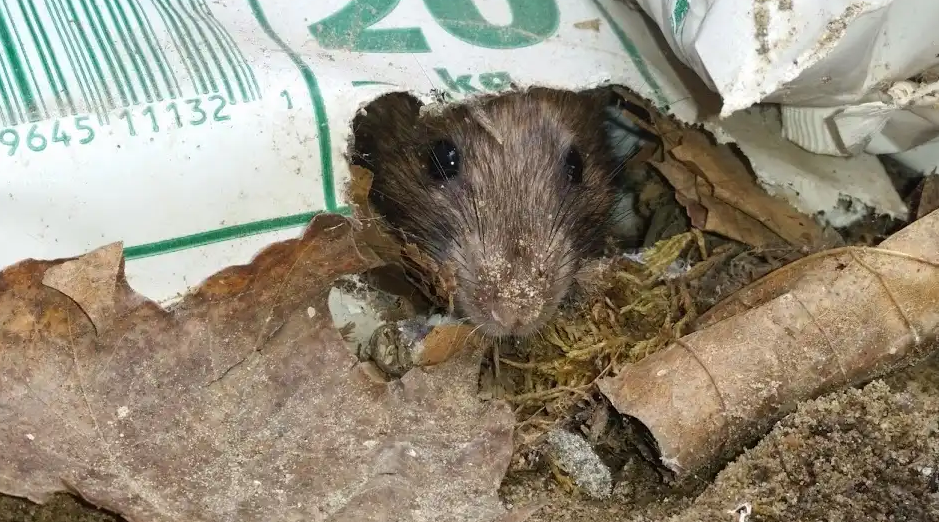
Have you ever noticed rats returning to the same spots near your pantry, garbage, or pet food bowls? It can feel like they are deliberately targeting your home, and in a way, they are. At Skedaddle Humane Wildlife Control in Minneapolis, we see homeowners puzzled and frustrated by repeated rat activity. The truth is that rats have incredible memories when it comes to finding food, and they use their intelligence to revisit areas that offer a reliable meal. Understanding this behavior is key to preventing repeated activity and protecting your property safely and humanely.
We work with homeowners to manage rat activity without harming the animals. By learning how rats remember food sources, we can develop strategies that reduce repeat visits while keeping wildlife safe. In this blog, we will explore how rats remember where food is located, how this affects homes, and how we help homeowners prevent recurring problems effectively.
How Rats Navigate Their Environment
Rats are highly intelligent animals with an exceptional ability to navigate their surroundings. They can remember detailed layouts of homes, including hidden corners, crawl spaces, and even small openings that provide access to food or shelter.
- Research shows rats can recall food locations for several weeks and even months.
- They establish habitual paths, following familiar routes between nesting areas and food sources.
- Their memory allows them to maximize efficiency, reducing energy spent searching for food.
For homeowners, this means that seeing rats repeatedly in the same areas is not random. Once they discover a reliable food source, they are likely to return consistently, making early detection and intervention essential.
The Role of Smell in Food Memory
Rats rely heavily on their sense of smell to find food, which is far more sensitive than humans. They can detect even tiny crumbs or hidden food that we might overlook.
- Odors play a key role in reinforcing memory. Once a rat discovers a source of food, the smell helps it return repeatedly.
- Common food sources that rats remember include:
- Pantry items like cereal, grains, or flour
- Pet food bowls left accessible
- Trash bins and compost areas
- Bird feeders located near the home
Even cleaning occasionally is often not enough to prevent repeat visits. Consistent access to food makes it easier for rats to remember and return to the same location. At Skedaddle, we educate homeowners on ways to reduce attractants safely and effectively.
Social Learning Spreads Knowledge
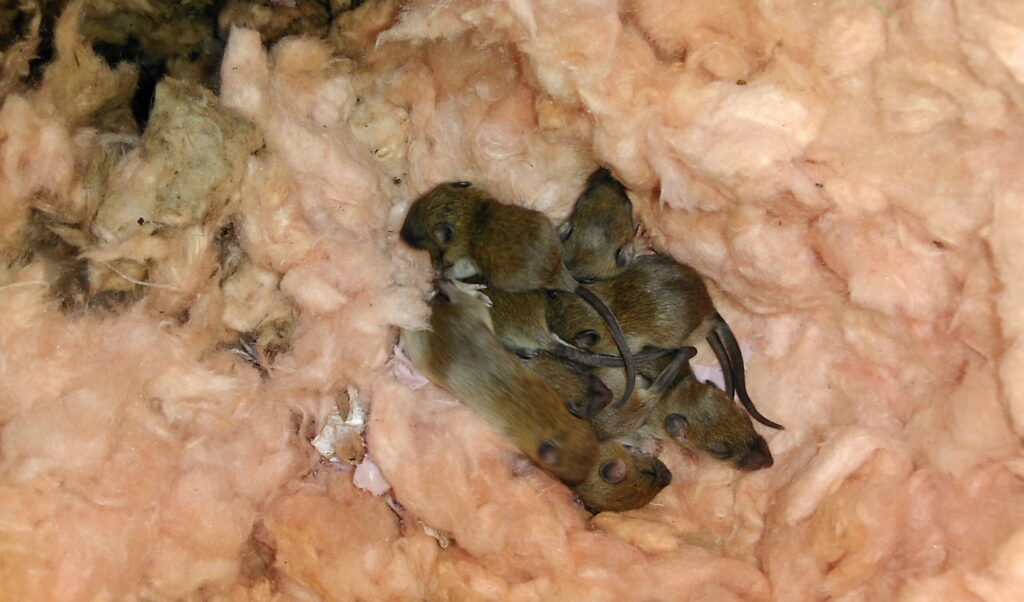
Rats are social creatures, which adds another layer to their behavior. They do not operate alone, and information about food sources spreads quickly within their groups.
- One rat discovering a food source can lead to multiple rats returning to the same spot.
- Studies show that rats will teach younger or subordinate rats about safe and abundant food locations.
- This social learning accelerates the rate at which rat activity spreads in a home or neighborhood.
For homeowners, this means a single rat can lead to an entire group visiting your property if food sources remain available. This is why addressing rat activity early is critical to prevent repeated and expanded visits.
Timing and Memory: How Long Rats Remember
Rats’ memory for food sources is impressive, especially when it comes to consistent and high-quality food.
- Experiments have shown rats can recall the location of food for several weeks or more.
- They are more likely to revisit areas that are safe, easily accessible, and near shelter.
- Factors that strengthen memory include:
- Consistency of food availability
- Safety of the route to reach the food
- Proximity to shelter or nesting sites
This memory explains why rats seem to “return” to the same spots repeatedly, even after cleanup or minor deterrents. Recognizing these patterns allows homeowners to focus their prevention efforts in the right areas.
How This Affects Homeowners
Repeated rat visits are not just a nuisance—they can have real consequences for property and safety.
- Rats can gnaw on wires, insulation, and structural materials, leading to potential fire hazards and costly repairs.
- Food contamination is a serious concern when rats repeatedly access pantries or pet food.
- Stored items in garages, basements, and attics can be damaged by nesting or chewing activity.
Statistics indicate that untreated rat activity can result in thousands of dollars in property damage annually. One study found that structural and contamination issues from rodent activity cost homeowners in the U.S. over $1 billion every year. Early identification and professional intervention are crucial to preventing this kind of long-term damage.
Misconceptions About Rat Behavior
Many homeowners underestimate how intelligent and persistent rats can be. Believing common myths can delay proper action and allow issues to grow.
- Myth: Rats only visit once or twice before leaving
- Truth: Rats remember reliable food sources and often return repeatedly
- Myth: Removing visible food is enough to solve the problem
- Truth: Rats can detect hidden food and continue returning to consistent opportunities
- Myth: Rats are purely random in their activity
- Truth: Their repeated visits are driven by memory, social learning, and environmental cues
Understanding the reality of rat behavior helps homeowners avoid frustration and implement long-term, humane prevention strategies.
How We Help Homeowners Prevent Repeat Visits
At Skedaddle Humane Wildlife Control in Minneapolis, we take a professional, humane approach to managing rat activity. Our goal is to prevent repeated visits by addressing the underlying causes rather than reacting only to sightings.
Our services include:
- Identifying Hotspots: We locate areas that rats frequently visit to target prevention strategies effectively.
- Assessing Structural Vulnerabilities: We examine your home for potential entry points or sheltered areas that rats may use.
- Providing Safe Prevention Guidance: We recommend strategies to remove attractants and reduce access without harming rats. This includes property-proofing, food storage advice, and sanitation improvements.
- Education for Homeowners: We provide guidance on how to maintain a rat-free environment long-term.
By combining expert knowledge of rat behavior with safe, humane strategies, we help homeowners minimize repeated activity while protecting wildlife.

Long-Term Prevention Strategies
After high-risk areas are identified, implementing long-term prevention strategies is key to reducing repeat visits.
- Seal potential entry points professionally to limit access
- Store food and pet supplies in containers rats cannot reach
- Keep garbage and compost areas secured with tight lids and regular cleaning
- Maintain attics, garages, and sheds to reduce hidden shelter opportunities
- Ensure yards are free of debris piles or clutter that can provide cover
These proactive measures, combined with professional guidance, create an environment that discourages rats from returning while keeping the animals safe.
Understanding Rat Memory is the Key to Prevention
Rats are intelligent animals with an impressive memory for food sources, which is why they often return to the same spots in homes. Their ability to navigate, remember, and share knowledge with others can make infestations persistent and challenging for homeowners.
At Skedaddle Humane Wildlife Control in Minneapolis, we focus on humane, professional solutions that protect property and wildlife. By understanding rat behavior, addressing access points, and removing attractants, homeowners can prevent repeated visits and reduce property damage. Awareness and proactive management are essential to staying ahead of rat activity and keeping homes safe.
Contact Skedaddle today to learn how we help homeowners manage rat activity safely, effectively, and humanely. Protecting your home does not mean harming wildlife—it means understanding and addressing behavior intelligently.

 Loading...







