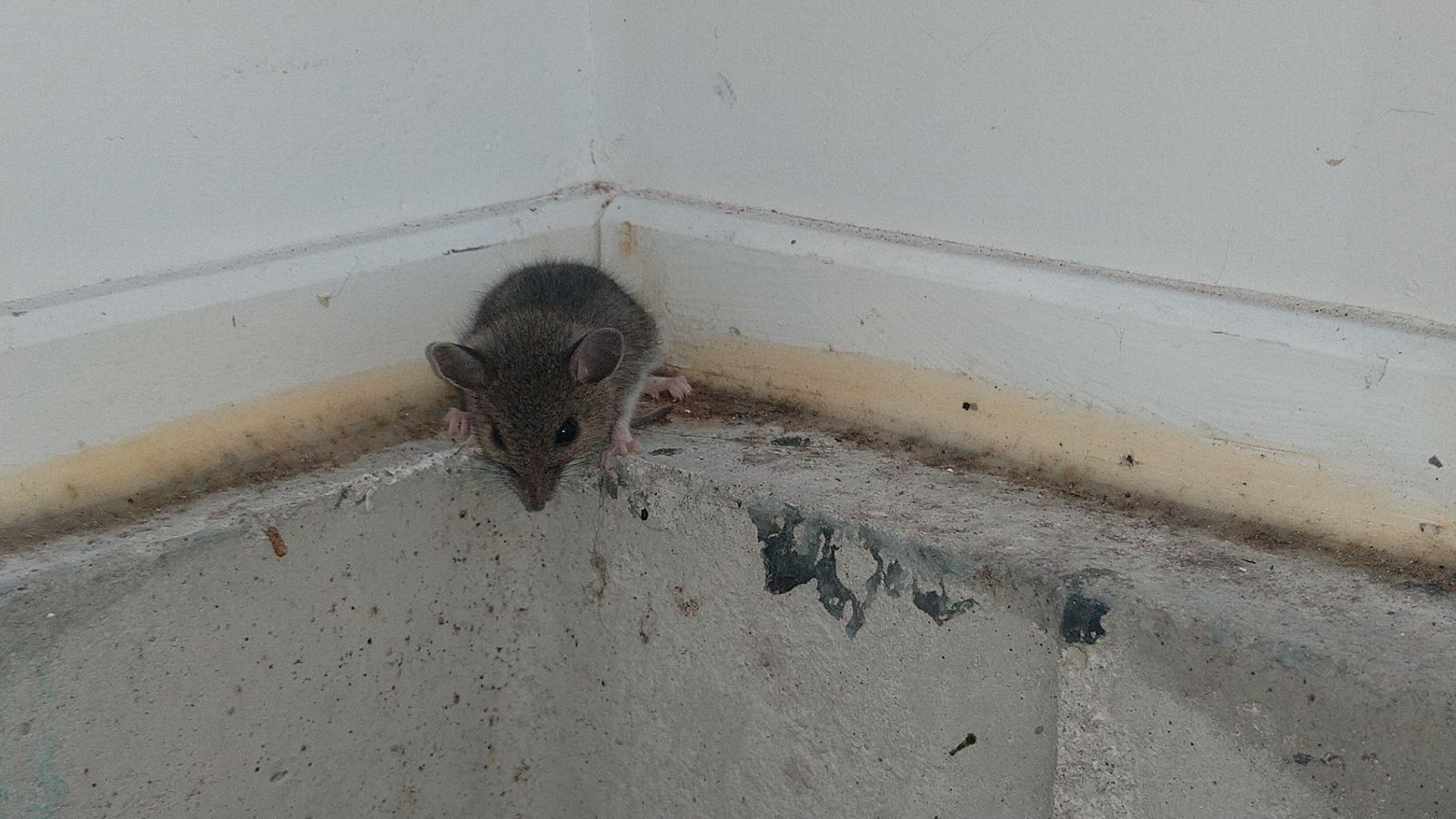
You work hard to make your house a comfortable place for your family. It is where you sleep, eat, and relax. But sometimes, uninvited guests try to move in. We are not talking about your in-laws. We are talking about wildlife. Animals like raccoons, squirrels, bats, and mice are always looking for a warm place to stay, especially when the weather changes. They want a safe spot to sleep and raise their babies. Unfortunately, your attic or basement often looks like the perfect home to them.
When animals get inside, they can cause a lot of trouble. They might chew on wires, ruin insulation, or leave messy droppings behind. This is not safe for your house or your health. So, how do we stop them?
The answer is wildlife entry point sealing. This means finding every small hole or crack and closing it up tight so animals cannot get in.
At Skedaddle Humane Wildlife Control in Montreal, we have spent many years helping homeowners protect their property. We know exactly how these animals think and where they try to hide. We do not just guess; we use proven methods to keep your home safe. Our team handles all the hard work so you do not have to worry about climbing ladders or crawling in tight spaces. We are here to share our best prevention methods for sealing your home and keeping it animal-free.
In this blog, we will share our best prevention methods for sealing your home and keeping it animal-free. From identifying potential entry points to offering tips on safeguarding vulnerable areas, we aim to provide you with the knowledge you need to protect your property effectively.
Why Sealing Matters More Than Trapping
Many people think the best way to handle a wildlife problem is to set a trap. But traps are often a temporary fix. If you catch one animal but leave the hole in your roof open, another animal will just move in. It is like leaving your front door wide open. Trapping can also be stressful for the animal and does not solve the root of the problem.
We focus on a long-term solution. Our goal is animal proofing home structures from the top to the bottom. By blocking the ways animals get in, we protect your house for years, not just a few weeks. This approach is better for your wallet because it prevents future damage. It is also much better for the animals because it forces them to find shelter in nature where they belong.
The Full Home Inspection
Before we seal anything, we have to find out what is going on. Animals are very sneaky. They can fit through tiny spaces that you might not even notice. For example, a mouse can squeeze through a hole the size of a dime. A bat needs even less space. Raccoons are strong and can rip open weak spots on your roof.
Our technicians start with a detailed inspection. We look at your home from the very peak of the roof down to the foundation. We look for:
- Chew marks on wood or wires.
- Stains from animal fur or urine.
- Droppings left behind.
- Loose shingles or siding.
- Gaps around pipes and vents.
Once we know where they are getting in, and where they might try to get in later, we create a plan to seal those spots.
Securing the Roof and Attic
The roof is the most common place for animals to enter. It is high up, safe from predators, and usually leads to a warm attic. Raccoons and squirrels are excellent climbers and love to break into roof areas. To stop them, we have to be very thorough. We use strong materials that animals cannot tear through.
Here are the best prevention methods we use for the roof line:
- Protecting Roof Vents: Plastic vent covers are no match for a raccoon’s teeth. We install heavy-gauge galvanized steel screening over all vents. This material is tough. Animals cannot chew through it, but it still lets air flow out of your attic properly.
- Securing Soffits: The soffit is the material under the overhang of your roof. Raccoons are known to push up on loose soffits to squeeze inside. We secure these areas with extra reinforcement to make sure they stay locked in place.
- Sealing Roof Edges: The place where the roof meets the walls (the drip edge) can sometimes have gaps. Bats love these spots. We use our special sealant to close these gaps completely so nothing can slip through.
- Chimney Caps: An open chimney is like an open door for birds, raccoons, and squirrels. We install durable stainless steel caps that keep animals out while still letting smoke escape safely.
Protecting the Foundation and Lower Levels
While some animals like to climb, others prefer to stay low. Mice, rats, and skunks often look for entry points near the ground. They will search for cracks in the foundation or gaps around things like utility pipes. If there is a way in, they will find it.
We pay close attention to the bottom half of your home to stop these ground-level invaders. Here is how we handle lower entry points:
- Weep Vents: Brick homes have small gaps at the bottom called weep vents to let moisture out. Mice often use these as a front door. We install special stainless steel inserts that allow the wall to breathe but stop mice from entering.
- Utility Lines: Pipes for air conditioning, gas, or electricity enter your home through the walls. Often, the holes cut for these pipes are too big. We seal the space around these lines with our wildlife exclusion sealant or steel wool to block access.
- Decks and Porches: Skunks and groundhogs love to dig dens under porches, sheds, and decks. To stop this, we dig a trench around the structure and install a heavy-duty screen into the ground. We bend it into an “L” shape. When an animal tries to dig down, they hit the screen and cannot get under.
- Garage Doors: If the rubber seal on the bottom of your garage door is worn out, mice can slip right under. We can help identify these issues so the proper weather stripping can be installed to create a tight seal.
The Materials We Use Make the Difference
You might see “spray foam” at the hardware store and think it is a good way to plug a hole. However, spray foam is not enough to stop a determined animal. Mice and squirrels can chew right through dried foam in minutes. It makes a mess and does not solve the problem.
At Skedaddle, we only use professional-grade materials that are designed to withstand animal attacks and harsh Canadian weather.
- Galvanized Steel Screening: As mentioned before, this is our go-to for vents and large holes. It does not rust quickly, and it is too hard for teeth to penetrate.
- Wildlife Exclusion Sealant: We use a high-quality silicone sealant. It is better than regular caulk because it stays flexible. Houses expand and contract with the heat and cold. Our sealant moves with the house, so it does not crack or shrink, keeping the seal tight for years.
- Metal Flashing: For corners and edges that need extra protection, we use metal flashing. This creates a smooth surface that animals cannot grip or chew on.
Allowing Animals to Leave Safely
You may wonder what happens to animals already inside once entry points are sealed. We never trap animals in walls or attics, as that would be cruel and cause serious odour problems. Instead, we use a humane solution.
A one-way door is installed over the main entry point while all other openings are sealed. This door lets animals leave to find food and water but blocks them from getting back in. With no other access points, they move on to another den in the area.
If babies are present, which is common in warmer months, we remove them by hand and place them in a protected reunion box outside. The mother safely retrieves them and relocates her family to a new den.
Other Prevention Methods
Besides sealing your home, there are a few other things we look for to keep animals away. Our technicians will assess your property and let you know if there are things in your yard that are attracting wildlife.
- Tree Trimming: Tree branches that hang over your roof act like a bridge for squirrels and raccoons. We often recommend trimming these back to make it harder for animals to jump onto your roof.
- Food Sources: Leaving pet food outside or having unsecured garbage bins is a dinner bell for wildlife. We will advise you on how to store waste properly so you are not feeding the neighbourhood animals.
- Garden Maintenance: Overgrown bushes against the house give animals a hiding spot while they look for a way in. Keeping gardens tidy helps reduce the comfort level for these animals near your foundation.
You Don’t Have to Handle Wildlife Alone!
Dealing with wildlife can be stressful, but you do not have to do it alone. The best way to keep your home safe is to rely on our professionals who know how to spot the signs and stop the intruders. Our wildlife exclusion services are designed to give you peace of mind. We use durable materials and humane methods to ensure your home stays yours.
If you suspect you have animals in your home, or if you just want to prevent them from ever getting in, Skedaddle Humane Wildlife Control in Montreal is here to help. We stand by our work with a lifetime guarantee on our workmanship and materials.
Request an estimate today to learn more about how we can protect your family and your home with wildlife entry point sealing.

 Loading...