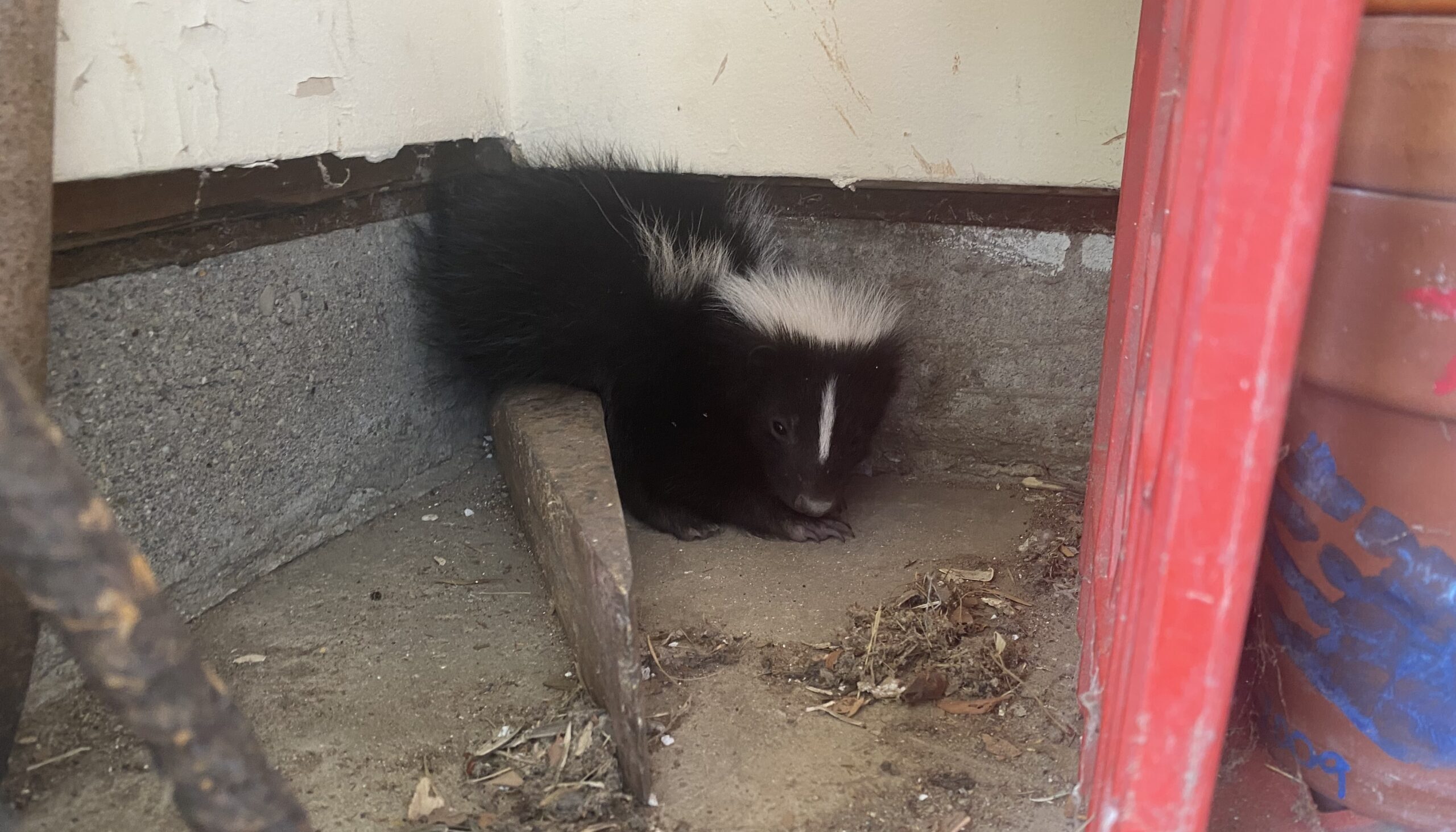
You might be surprised to learn that skunks do have a good memory. They remember where to find food, where they feel safe, and how to return to the same spots again and again. This is why you may see the same activity happening around your property over time.
You may notice signs like digging, smells, or repeated visits in the same area. That is not random. Skunks rely on strong memory and routine to survive, and once they find a good place, they will keep coming back.
You are not alone in dealing with this. At Skedaddle Humane Wildlife Control in Minneapolis, we help homeowners understand these patterns and handle them safely. In this blog, you will learn why skunks have a good memory, how that affects your property, and how our team helps protect your home using safe, proven methods.
Do skunks mate for life?
No, skunks do not mate for life. They come together during the breeding season, but they do not stay with one partner long-term.
You may notice more activity during late winter and early spring. This is when mating happens, and it can lead to increased movement around your property. Males often travel widely during this time.
After mating, the female raises the young on her own. She looks for a safe and quiet place to build a den. This is why homes and yards often become attractive spaces during this period.
Learning and Problem Solving Skills
Skunks are known for their ability to learn quickly. They can figure out how to access spaces that provide shelter and food. You may think a space is secure, but they can test and remember weak points. Once they succeed, they remember how to return to that same spot again.
This learning ability makes them very persistent. They will continue using the same path or entry point if it works for them.
- Quick Problem Solvers: Skunks can figure out how to get around barriers. They remember what worked before and repeat the same actions. This makes them very hard to ignore once they settle in. Their behaviour is based on memory, not chance.
- Testing Entry Points: They often explore small gaps and weak spots. If they find a way in, they remember that location. They will return to the same area again and again. This creates ongoing problems if not handled properly.
- Routine Behaviour: Once they learn a safe path, they stick to it. They follow the same routes each night. This routine is guided by memory and habit. It makes their movement predictable over time.
Strong Memory for Food Sources
Skunks rely heavily on memory to find food. They remember where food is located and return to those spots regularly. You may notice repeated digging in the same area. This is because they recall where they found food before.
Their ability to remember these locations helps them survive. It also means they will revisit your property if it provides what they need.
- Remembering Food Locations: Skunks can recall where they found food days or even weeks later. They return to the same areas to search again. This can lead to repeated damage in your yard. Their memory keeps them coming back.
- Tracking Scent Trails: They use scent to guide their movement. These scent markers help them remember paths and feeding areas. This makes it easier for them to return to familiar spots. It also increases activity around your home.
- Nightly Patterns: Skunks often follow the same feeding routine each night. They rely on memory instead of searching randomly. This creates a pattern of repeated visits. Over time, this becomes a bigger issue.
Social Memory and Awareness
Skunks rely on memory to stay safe in their environment. They may not live in large groups, but they still remember the places that worked well for them before. This helps them move with confidence and avoid danger. Over time, they build strong habits based on what they already know.
They often return to the same shelter again and again. Spaces like decks, sheds, and porches can become familiar and trusted areas. Once they feel safe in one place, they will keep coming back. This repeated behaviour is guided by memory, not chance.
They also remember where they felt unsafe. If they had a bad experience in one area, they will avoid it in the future. This makes them cautious but consistent in how they move. Their memory helps them balance safety and survival each night.
Strong Links Between Smell and Memory
Smell plays a big role in how skunks remember things. They use scent to recognize places and paths. You may notice strong odours around certain areas. These scents are not just random—they are part of how skunks navigate.
Their memory is closely tied to smell. This makes their behaviour more consistent and predictable.
- Scent Recognition: Skunks remember areas by their scent. This helps them find their way back easily. They rely on this sense more than sight. It guides their movement every night.
- Marking Areas: They may leave scent markers in key spots. These markers help them remember important locations. This includes feeding areas and shelter spots. It reinforces their routine.
- Long-Term Memory: These scent-based memories can last a long time. Even after a period away, they can return to the same place. This makes it harder to break the cycle without proper help.
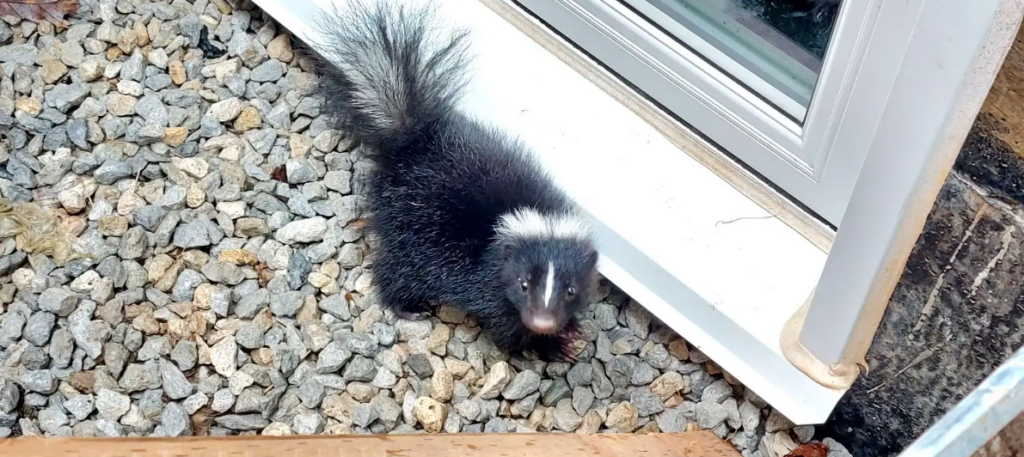
Adaptability and Environmental Learning
Skunks are very adaptable and learn quickly from their surroundings. They watch, explore, and remember what works best for them. This allows them to adjust to new spaces with ease. Their behaviour improves over time as they gain more experience.
They learn how to move through different environments. They remember safe paths and avoid areas that feel risky. This helps them settle into new spaces faster than expected. Their ability to adapt comes directly from their strong memory.
They also learn how to use structures for shelter. Once they find a space that protects them, they remember it and return often. Over time, they become more efficient at finding food and shelter. This makes them harder to keep away once they settle in.
Skunk Removal With Our Professional Team
Skunk activity around your home can quickly become a serious issue. Once they settle in, their memory keeps them coming back to the same spots. This leads to repeated damage, smells, and stress around your property.
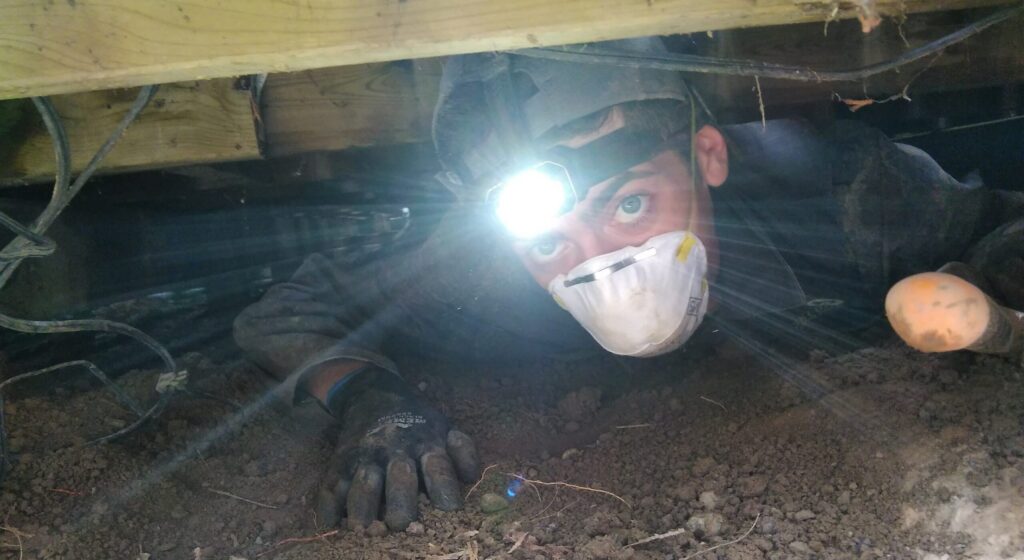
Our team uses safe and proven methods to handle the situation properly. We install one-way doors that allow skunks to leave safely while preventing them from returning. This approach solves the problem without direct contact.
After removal, we secure the area completely. We seal entry points and remove the conditions that attracted them in the first place. This gives you long-term protection and peace of mind.
Wildlife in Minneapolis: Local Challenges
You live in an area where seasonal changes have a big impact on behaviour. Cold winters push skunks to look for warm, safe shelter. When spring arrives, activity increases as they search for food and space. This creates ongoing movement around homes.
Many homes in Minneapolis have features that attract skunks. Decks, sheds, and low structures provide easy shelter. These spaces are easy to remember and return to over time. Once they find these spots, they often come back again.
Weather also plays a key role in their behaviour. Rain and melting snow soften the ground, making it easier for them to dig. This allows them to create or expand shelter spaces near your home. These conditions increase the chances of repeated activity if the area is not secured.
Frequently Asked Questions
Do skunks remember where they live?
Yes, skunks remember safe places. They return to the same den if it worked well before. Their memory helps them feel secure in familiar spaces. They are more likely to choose a place they already trust instead of finding a new one. This is why the same spots are used again and again.
Do skunks come back after leaving?
Yes, they often return if the area still offers shelter. Their memory guides them back. If nothing has changed, they see no reason to stay away. They remember how to get in and where to hide. This makes it easy for them to return without hesitation.
How far do skunks travel?
They usually stay within a set area. They remember paths and stay close to known locations. This helps them find food and shelter without taking risks. They do not wander far unless they have to. Their memory keeps them moving in familiar zones.
Are skunks active every night?
Yes, they follow regular patterns. Their memory helps them stick to the same routine. They often come out at the same times each night. This makes their behaviour predictable once they settle in. Over time, these habits become very consistent.
Why do skunks keep coming back?
They remember food and shelter. If those remain, they will return. Their memory tells them the area is safe and reliable. Even small food sources can keep them interested. This is why the problem continues until the source is removed.
Stop Repeat Visits Before They Start
You protect your home best by understanding how strong memory affects behaviour. Skunks remember safe spaces, food sources, and entry points. This is why the same problems can happen again and again. Once they find a place that works, they will keep returning to it over time.
You may not always see the risk right away. Small gaps, hidden spaces, and quiet areas can all attract them without you noticing. These spots can quickly turn into shelters if they feel safe and undisturbed. Once they settle in, their memory keeps guiding them back to the same location again and again.
This is why early action is so important for your home. When the problem is handled properly, it stops the pattern before it grows. Waiting too long can lead to more activity, more damage, and more stress around your property. A strong, complete solution helps prevent repeat visits for good.
You do not need to deal with this on your own. At Skedaddle Humane Wildlife Control in Minneapolis, we handle the entire process for you. We remove skunks safely, secure your home, and prevent future issues using proven methods. You can request an estimate today to learn more and keep your home protected all year.

 Loading...