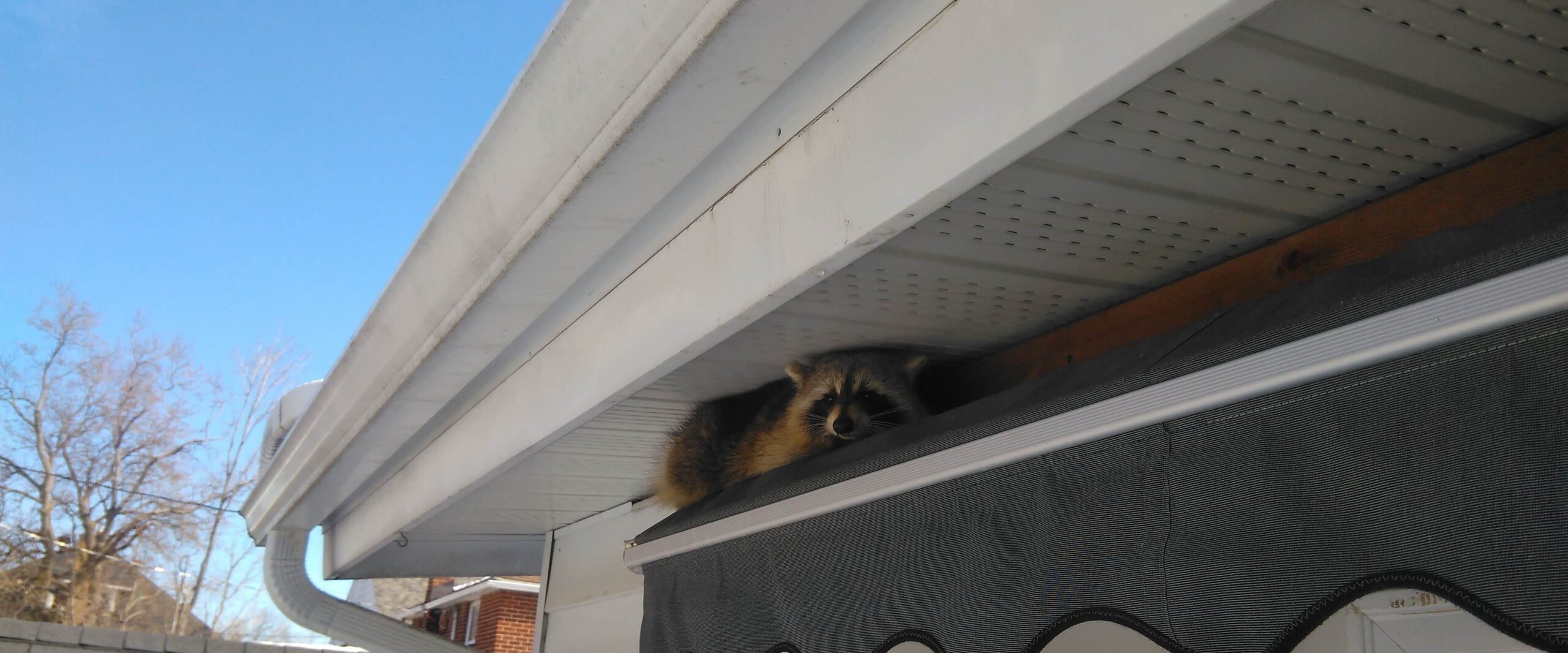
As winter fades, homes start to change. Snow melts, temperatures rise, and quiet spaces become active again. Spring is the time when animals look for warm, safe places to nest, and homes can offer exactly what they need.
Preparing for spring means acting before problems begin. Spring wildlife prevention focuses on stopping animals from moving in as activity increases. Small gaps, weak spots, and hidden spaces can quickly turn into entry points. When these areas are left open, it becomes harder to prevent wildlife home entry once nesting starts.
Protecting your home against a wildlife intrusion takes planning and the right timing. Our professional inspections, proper exclusion, and long-term protection all work together to reduce risk. In this blog, we explain how homes are protected during spring and how seasonal wildlife control helps keep problems from returning, with support from Skedaddle Humane Wildlife Control in London.
Spring Inspections Identify Hidden Entry Risks
Spring inspections are one of the most important steps in protecting a home. As snow and ice clear away, damage from winter becomes easier to see. Rooflines, vents, and exterior openings often weaken during colder months.
During our professional inspection, attention is given to:
- Roof edges, shingles, and flashing
- Vents, chimneys, and soffits
- Gaps where utilities enter the home
These areas are common entry points during spring. Small openings that look harmless can allow animals to move inside without being noticed. Inspections help identify where animals are most likely to enter before nesting begins.
Early inspections support spring wildlife prevention by catching risks while they are still manageable. Let’s break down each step.
Step 1: Entry Points Are Secured Before Nesting Starts
After an inspection is complete, vulnerable areas of the home are secured in the right order. Timing matters during spring because animals begin searching for nesting spaces quickly. Entry points are addressed only after confirming that no animals are already inside, which helps avoid trapping anything in walls or attics.
Our professional exclusion focuses on closing gaps along rooflines and siding, securing vents and chimney openings, and reinforcing areas where animals return each year. These spots are often used again if they are left open. Securing them early helps block access before nesting begins.
When entry points are handled properly, it becomes easier to prevent wildlife home entry throughout the season. Early exclusion reduces the risk of spring nesting and limits the chance of damage later on. Homes that receive this work early are far less likely to deal with repeat activity.
Step 2: Attics and Rooflines Are Protected
Spring nesting activity often starts above the main living space. Attics and rooflines provide warmth, quiet, and shelter, which makes them attractive nesting areas. If access stays open, animals may return to these spaces year after year.
Protection in these areas focuses on strengthening roof edges, securing soffits, and protecting attic vents. Areas with past activity are given extra attention because they are more likely to be targeted again. These steps help block the most common access routes.
Attics and rooflines are monitored closely during spring because they are often the first places animals explore. When these areas are protected early, animals are less likely to move deeper into the home. This step supports seasonal wildlife control, especially as the breeding season begins.
Step 3: Chimneys and Vents Are Common Spring Entry Routes
As temperatures rise, chimneys and vents become attractive nesting areas. They provide vertical access and lead directly into warm interior spaces.
Our professional work in these areas includes:
- Installing secure vent covers
- Protecting chimney openings
- Preventing repeat access without blocking airflow
When left unprotected, these openings can quickly turn into nesting sites. Securing them early supports spring wildlife prevention and helps avoid emergency situations later in the season.
Step 4: Foundations and Utility Openings Are Reinforced
Not all spring entry happens from above. Foundations and utility lines create access points at ground level. As soil shifts during thawing, gaps can widen without being noticed.
Our professional reinforcement includes:
- Sealing Foundation Cracks and Gaps: Small cracks can form in a foundation as the ground shifts during the spring thaw. These openings may seem minor, but they can allow animals to move inside from ground level. Over time, cracks can widen and become easier to access. Sealing them helps block one of the most common hidden entry routes.
- Protecting Utility Entry Points: Utility lines for water, gas, or power pass through the foundation to reach the home. Gaps can form where these lines enter, especially as materials age or shift. Animals can use these spaces to reach wall areas without being seen. Protecting these entry points helps stop access before nesting begins.
- Preventing Access to Wall Cavities: Once an animal gets past the foundation, wall cavities provide safe paths to move through the home. These spaces are dark, quiet, and often connect to upper levels. Blocking access at the lower level helps stop movement before it spreads. This keeps activity contained and easier to manage.
This work helps prevent wildlife from entering the home entry from lower levels of the home. When combined with roofline protection, it creates a full barrier around the structure.
Step 5: One-Way Doors Allow Safe Exit When Needed
When animals are already inside, exclusion must allow them to leave safely. One-way doors are used to guide animals out while blocking them from getting back in. This approach lets removal happen without force or panic.
These doors help reduce damage because animals are not trapped or stressed. They follow their normal habits and leave on their own time. This lowers the risk of scratching, chewing, or movement inside walls.
One-way doors are temporary and used only when activity is confirmed. Once the home is clear, permanent protection is installed. This process keeps seasonal wildlife control humane, calm, and effective.
Step 6: Timing Matters During Spring Baby Season
Spring often overlaps with baby season, which changes how protection is handled. During this time, young animals rely fully on their mother and cannot leave on their own. Nesting areas must be managed with care.
Because of this, removal timelines may be longer. Entry points cannot be sealed too early, and activity must be monitored before final work begins. These steps help avoid trapping young animals inside.
Rushing during baby season can lead to damage and repeated problems. Proper timing allows wildlife to leave safely before protection is completed. This ensures the home stays secure without creating new issues.
Step 7: Damage Is Addressed to Prevent Return Visits
Animals often leave behind damage that attracts future activity. Scents, nesting materials, and weakened areas can draw new animals later in the season.
What does our professional damage repair include?
- Fixing Weakened Entry Points: Entry points often become weak after animals push, chew, or scratch at them. Even small openings can invite new animals later in the season. Fixing these areas helps close off access that was already tested. Strong repairs make it harder for animals to return to the same spot.
- Removing Nesting Debris Safely: Nesting materials often carry strong scents that signal a safe space. If debris is left behind, other animals may follow the smell and investigate the area. Removing these materials helps break that signal. This step reduces the chance of new animals moving in after the first ones leave.
- Reinforcing Repeat Target Areas: Some parts of a home are targeted again and again. These areas may include roof edges, vents, or spots with past activity. Reinforcing them adds extra protection where it is needed most. This helps stop repeat visits before they begin.
This step helps ensure spring wildlife prevention lasts beyond one season.
Step 8: Seasonal Wildlife Control Keeps Homes Protected Long-Term
Spring is only one part of the year when animal activity increases. As seasons change, animals adjust how and where they look for shelter. Homes that are planned for season by season are less likely to face surprise problems later on.
Seasonal wildlife control focuses on watching areas that have caused issues before. Protection is reinforced as weather changes and new risks appear. This helps stop animals from finding new ways inside as activity shifts from one season to the next.
By planning ahead, homes stay protected through spring, summer, fall, and winter. This approach reduces repeat entry and limits damage over time. Long-term protection helps keep activity under control instead of reacting after problems start.
Professional Spring Protection Makes the Difference
Protecting your home against a wildlife intrusion takes planning and the right timing. As spring approaches, animal activity increases quickly, especially around roofs, attics, and exterior openings. Acting early helps reduce damage and limits the chance of animals settling in.
Spring wildlife prevention focuses on stopping problems before nesting begins. When entry points are secured properly, it becomes easier to prevent wildlife home entry throughout the season. A clear plan also supports seasonal wildlife control as activity changes from spring into summer.
For professional, humane protection tailored to your home, Skedaddle Humane Wildlife Control in London provides experienced support designed to keep animals out before issues grow.
Request an estimate to learn more about your options.

 Loading...