Homeowners and business owners know that winter brings unique challenges, but few are as persistent and concerning as winter mouse infestations in Minneapolis. As the temperatures drop and snow blankets the area, rodents instinctively seek the warmth and shelter of indoor spaces. This upsurge in indoor rodent activity is especially noticeable in January, prompting questions about why mouse problems tend to peak this time of year and how to effectively protect properties against these small but troublesome intruders.
At Skedaddle Humane Wildlife Control, we recognize that every property has unique vulnerabilities during the harsh winter months. Addressing January mouse problems in Minnesota isn’t just a matter of comfort—it’s essential for safeguarding health, property, and peace of mind. In this article, we explore why mouse infestations intensify as winter deepens, what makes Minneapolis homes particularly appealing to mice in January, and the best strategies to prevent mice in winter, tailored specifically to local conditions.
Why Do Mouse Infestations Peak in January?
January is notorious for rodent issues in Minnesota, and several reasons contribute to this surge. Understanding these root causes enables better protection for your home or business.
- Mice are driven indoors by freezing temperatures that often dip below zero for weeks.
- By January, available outdoor food sources are depleted further by long-standing snow cover.
- Mice that entered homes in the fall have been reproducing indoors, significantly increasing the population by midwinter.
- Homes remain warmer and less ventilated during colder months, making them even more attractive.
- Entry points formed or widened by seasonal contraction of building materials provide new access.
Consequently, properties that seemed secure in October may quickly become vulnerable, and even well-maintained buildings can experience sudden outbreaks. The internal rodent population can expand rapidly, with females reproducing every three weeks, turning a minor concern into a major winter mouse infestation.
Transitioning from the reasons for this peak activity in January, let’s delve deeper into how climate and housing features influence mouse behavior and susceptibility.
The Impact of Winter Climate on Mouse Behavior
Minneapolis winters are characterized by intensity, shaping both human and animal activity. The distinctive combination of sustained cold, rapid temperature swings, and heavy snow impacts mouse behavior in significant ways:
- Prolonged freezing spells compel mice to seek shelter indoors.
- Increased usage of heating systems draws rodents toward warm utility lines and vents.
- Freeze-thaw cycles widen cracks and create new openings in foundations and soffits.
- Snowdrifts piled against buildings provide alternate access routes to higher entry points.
Our climate’s unpredictability in recent winters—marked by sharp warming periods followed by swift refreezing—has made it easier for mice to find and exploit structural weaknesses. Consequently, mouse populations have adapted with increased ingenuity, making traditional prevention strategies less effective unless tailored to local conditions.
Recognizing these unique challenges allows us to design more effective approaches to mouse control. Next, discover how to identify when you might be facing a winter infestation.
How to Recognize the Signs of a Winter Mouse Infestation
Rodents are furtive and resourceful, making it challenging for property owners to spot their presence until an infestation has taken hold. However, you can look for telltale indicators in your home or business, especially during the winter months:
- Scratching or chewing sounds in walls or ceilings, often heard at night
- Small dark droppings in cabinets, pantries, basements, or along walls
- Gnawed packaging or food containers
- Ammonia-like odors in enclosed or unused rooms
- Nests made from shredded insulation or soft materials, particularly in attics and crawlspaces
Detecting these signs early, particularly in January, is critical. Mouse populations can explode quickly, turning a few hidden rodents into dozens within weeks due to their rapid reproductive cycle.
Understanding these signs of winter mouse infestations leads naturally to the question: why do some properties become targets while others remain secure?

Why Minneapolis Properties Are Prone to January Mouse Problems
Both new and older properties —ranging from historic homes near the Stone Arch Bridge to modern office buildings—offer mice opportunities for entry and shelter. Several factors contribute to this widespread vulnerability:
- Changes in construction over time leave behind unsealed gaps and holes.
- Many homes have aging utility lines, vents, and weep holes accessible to rodents.
- Local landscaping such as dense shrubbery, mulch beds, and stacked firewood near buildings provides cover.
- Building materials contract with winter cold, exposing gaps not visible in warmer months.
Mice need only a six-millimeter gap—the size of a dime—to gain entry. Once inside, they seek hidden areas like wall cavities, attics, and basements, where direct human detection is rare. Combining this natural behavior with the structural realities of properties illustrates why winter is such a hazardous time for infestations.
Let’s explore practical, locally tailored measures you can take to prevent mice this winter.
Effective Strategies to Prevent Mice in Winter
The best defense against infestations is proactive prevention. By understanding how mice exploit winter conditions, we can implement strategies that work with—rather than against—our climate realities.
Some highly effective actions include:
- Inspecting your building’s exterior for cracks, gaps, and holes, focusing on foundations and rooflines.
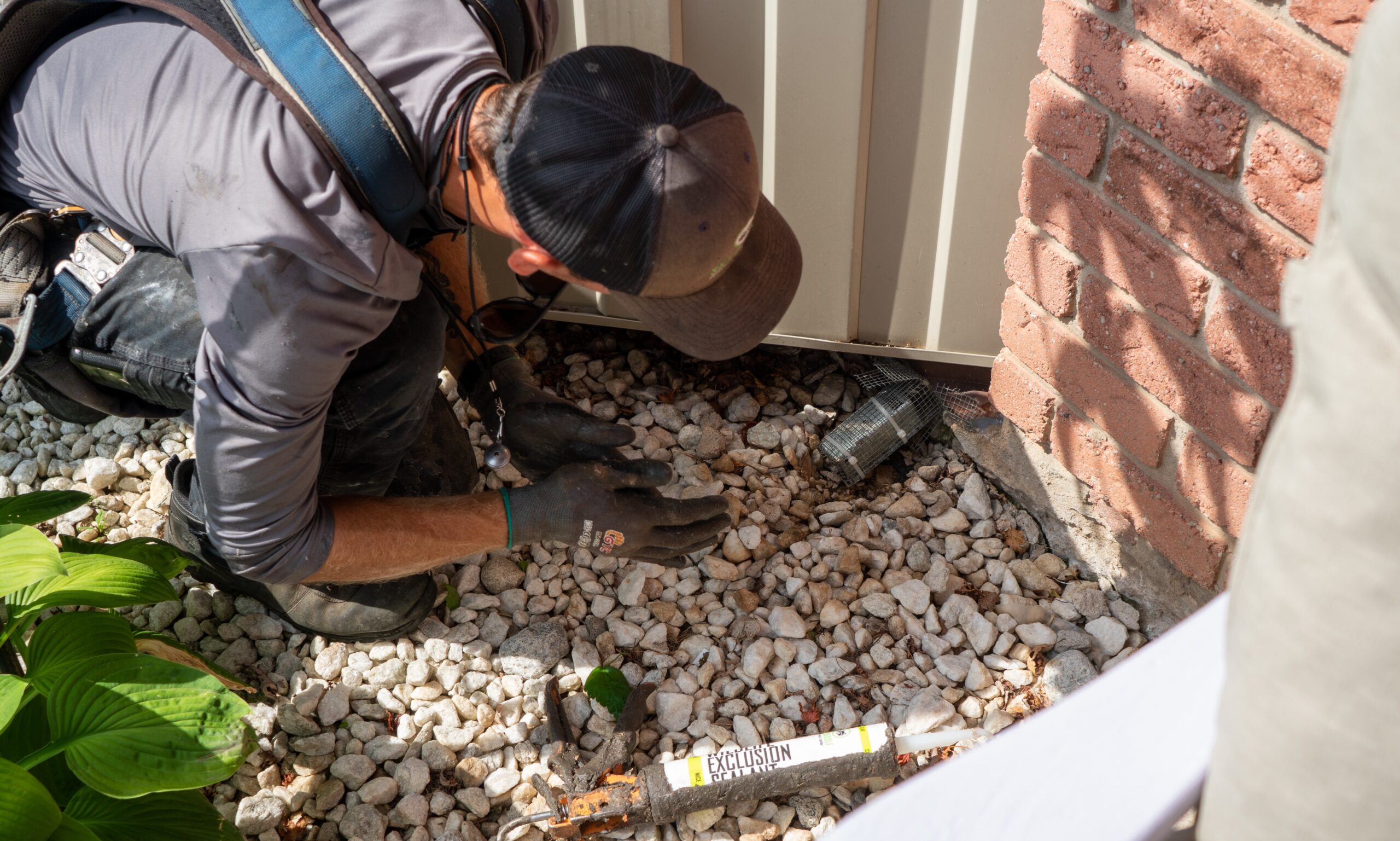
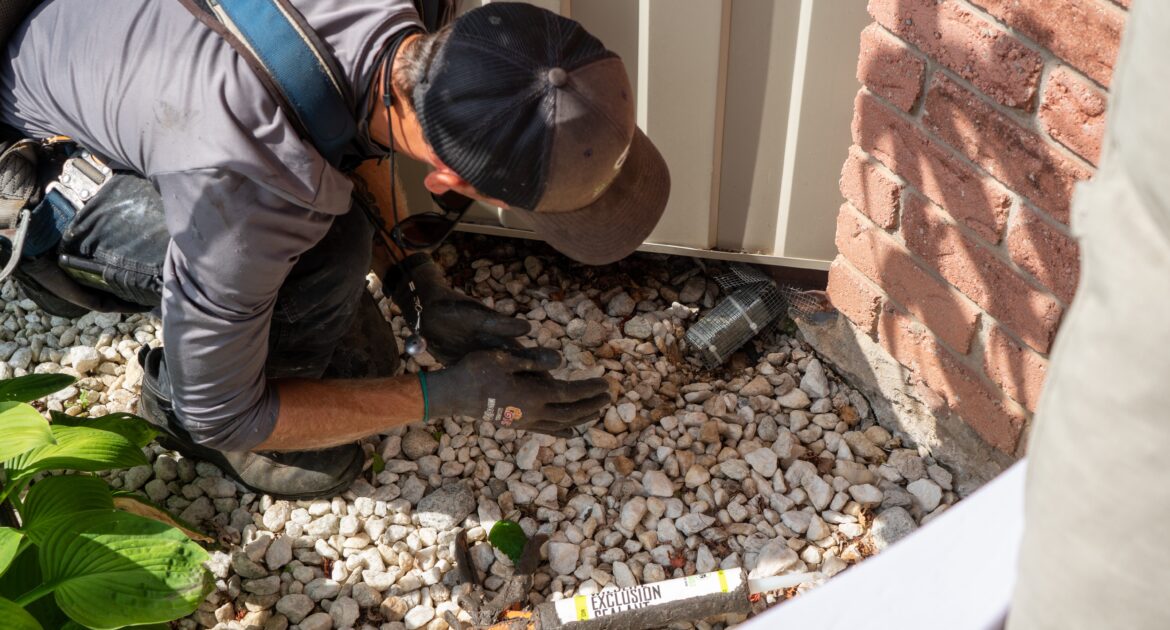
- Sealing all openings larger than a pencil with heavy-gauge steel mesh and weather-resistant sealant.
- Clearing outdoor debris, like leaves, woodpiles, and excess mulch, away from exterior walls.
- Keeping garbage bins tightly closed and stored away from building entrances.
- Regularly cleaning attic and basement spaces to eliminate nesting materials and stored food sources.
It’s essential to recognize that prevention isn’t a one-time effort. Minneapolis’ fluctuating winter weather can create new vulnerabilities after each freeze-thaw cycle, making routine checks an integral part of an effective defense. Tailored prevention—adapted according to recent weather patterns and your property’s history—is a vital strategy many overlook.
Transitioning from prevention to action, you might wonder: when is it time to call in professional help, and how can Skedaddle make a difference?
The Skedaddle Advantage: Humane, Long-Term Mouse Control
At Skedaddle, we believe every mouse problem is unique. Our technicians approach winter mouse infestations with proven expertise and empathy, focusing on permanent, humane solutions rather than quick fixes.
Our service provides a thorough property inspection from roof to foundation to locate all signs of mouse activity and potential entry points, along with a clear explanation of our findings, including contamination risks and hidden access areas. We safely guide mice out using one-way doors and seal every entry point with durable, weather-resistant materials. Any contaminated insulation or debris is carefully removed to protect your family’s health, and we create a customized prevention plan tailored to your property’s layout and the specific challenges of winter.
Choosing professional rodent removal is crucial because:
- Mice reproduce rapidly, making DIY efforts ineffective for long-term results.
- Trapping and poisoning often leave dead rodents in walls, causing odor and health risks.
- Unsealed entry points invite reinfestation within weeks, even after removal.
- Professional technicians recognize subtle clues and vulnerabilities missed by most homeowners.
When it comes to safeguarding health, property value, and peace of mind, professional intervention provides permanent protection.
Whether you’re a homeowner overlooking Lake of the Isles or a business owner near Nicollet Mall, understanding and addressing the unique risks of winter mouse infestations in Minneapolis ensures your property remains safe and secure, no matter how cold the season becomes.

Stay Ahead of Winter Mouse Infestations with Skedaddle
As Minneapolis endures harsh winter weeks, homes and businesses become prime targets for invading mice seeking shelter and food. January sees a significant spike in infestations, fueled by dropping temperatures and hidden vulnerabilities, even in well-maintained properties. Early detection and proactive, climate-smart prevention are critical to protecting your family’s health, your property’s structure, and your peace of mind.
Don’t let a minor rodent problem escalate into extensive damage and costly repairs. Trust Skedaddle’s humane, permanent solutions and decades of local experience to keep your property secure, clean, and rodent-free. Our expert technicians provide thorough assessments and customized exclusion strategies that target every entry point—eliminating infestations and preventing their return. Contact Skedaddle today and reclaim the comfort and safety of your space for the rest of winter and beyond.

 Loading...







