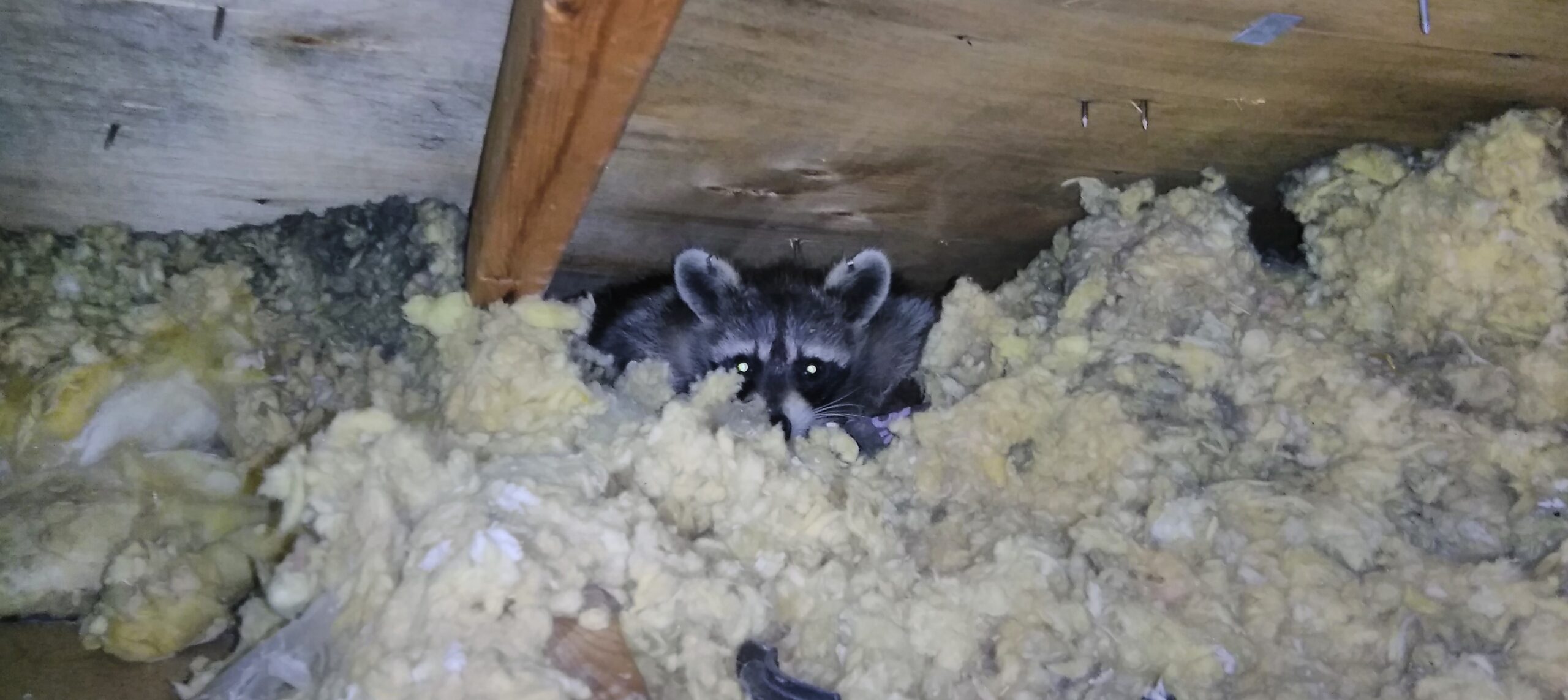
You’re sitting in your living room, enjoying a quiet evening, when suddenly you hear it—scratching, thumping, or maybe even a weird vocal sound coming from the fireplace. It sounds like something is right there, just behind the glass or screen. Is it a bird? A squirrel? Or could it be something bigger? If you’ve been hearing strange noises, you might be wondering: could a raccoon be in your chimney?
The short answer is yes. Chimneys are actually one of the most popular spots for raccoons to hide. To a raccoon, a chimney looks a lot like a hollow tree, which is their natural home in the wild. It’s dark, protected from the weather, and safe from predators. This makes it the perfect place for a mother raccoon to build a den and raise her babies.
If you suspect you have animals nesting in your chimney, it can be a stressful situation. You might be worried about damage to your home, strange smells, or even the safety of your family.
But don’t panic. Knowing the signs is the first step to solving the problem. At Skedaddle Humane Wildlife Control in Mississauga, we understand how worrying it can be to discover an unexpected animal guest in your home. That’s why we’re here to help with safe, humane, and effective solutions.
In this blog, we’ll walk you through exactly how to tell if you have a raccoon guest and what you should do about it.
Common Signs of A Raccoon In Your Chimney
It isn’t always easy to see inside your chimney, so you have to rely on your other senses to figure out what is going on. Raccoons are not exactly quiet houseguests, and they leave plenty of clues behind. Paying attention to these signs can help you figure out if you need chimney wildlife removal.
Strange Noises
One of the biggest giveaways is sound. Raccoons are much larger than mice, birds, or squirrels, so they make different noises.
- Heavy thumping: Because raccoons can weigh anywhere from 10 to 30 pounds, you will likely hear heavy thumping sounds as they climb up and down the flue.
- Scratching: You might hear loud scratching against the brick or metal liner of the chimney. This happens when the raccoon is climbing or making a comfortable spot to sleep.
- Vocal sounds: Raccoons talk to each other! If there are babies in the chimney, you might hear high-pitched chittering, squealing, or crying sounds. These noises are very distinct and often sound like birds, but if they are coming from a mammal, they will persist at different times of the day.
- Rustling: If you hear rustling debris, it could be the raccoon moving nesting material around.
Unpleasant Smells
Another strong sign is the smell. Raccoons are wild animals, and they are not potty trained.
- Droppings: Over time, waste will build up at the base of the fireplace or on the smoke shelf. This creates a strong, foul odor that can seep into your living room.
- Urine: The smell of urine can soak into the chimney materials and become very potent, especially on warm days.
- General musk: Raccoons have a natural musky scent that can become noticeable if they have been living there for a while. If your fireplace starts to smell like a zoo, you probably have a raccoon in your chimney.
Visual Clues
Sometimes, you can actually see evidence of the raccoon without looking up the flue.
- Footprints: Look for muddy footprints on your roof or around the chimney cap. Raccoon prints look a bit like small human hands.
- Soot Trails: If the raccoon has come down into the fireplace box, you might see sooty paw prints on the hearth or floor.
- Debris: You might find twigs, leaves, or insulation falling into your fireplace. This is often nesting material that the raccoon has brought in.
- The Animal Itself: In some cases, you might actually see the raccoon’s face peering through the glass doors of your fireplace or see them entering and exiting the chimney from the outside.
Why Do Raccoons Choose Chimneys?
You may wonder why a raccoon would choose your home. It’s not personal—it’s about survival.
In the wild, raccoons live in hollow trees. These spaces are high off the ground and protect them from predators and bad weather. They are safe, dark, and warm.
When trees are removed for homes, raccoons look for similar shelter. To them, a chimney works the same way. It is tall, enclosed, and often warm.
This is most common during baby season, from March to June. Mother raccoons choose chimneys because they are safe places to raise young. Once settled, they will defend the space, which makes removal risky without professional help.
The Risks of Having Raccoons in the Chimney
Having a raccoon in your chimney isn’t just a nuisance; it can cause real problems for your home and health. Ignoring the issue won’t make it go away, and it often makes things worse over time.
Fire Hazards
One of the biggest dangers is the risk of fire. Raccoons bring in nesting materials like dry leaves, twigs, paper, and insulation. They pack this material tightly into the flue to make a soft bed. This creates a blockage.
If you try to light a fire without knowing there is a nest, the smoke won’t be able to escape. It can back up into your house, causing smoke damage or carbon monoxide poisoning. Worse, the dry nesting material can catch fire, leading to a dangerous chimney fire that can spread to the rest of your home.
Structural Damage
Raccoons are strong and determined. They can cause significant damage to your chimney structure.
- Damaged Chimney Caps: They can rip off chimney caps or screens to get inside.
- Damaged Liners: Their sharp claws can tear up metal liners or scratch at clay tiles.
- Damper Damage: They often manipulate or break the damper (the metal plate that closes off the flue) to make more room for themselves.
- Brick Damage: Over time, the urine and waste can actually degrade the mortar and bricks of the chimney.
Health Concerns
Wild animals carry germs and parasites. When raccoons live in your chimney, they leave behind droppings and urine. As these dry out, dangerous particles can enter the air in your home.
Raccoon roundworm is a parasite found in their waste that can be harmful to humans and pets. They can also carry fleas and ticks, which might migrate from the chimney into your living room and infest your carpets or furniture.
What You Should NOT Do
If you think there is a raccoon in your chimney, your first instinct might be to try and get it out yourself. However, DIY methods are often dangerous and ineffective. Here are a few things you should never do:
Do Not Start a Fire
This is the most dangerous thing you can do. Many people think that lighting a fire will “smoke them out.” This is a bad idea for several reasons. First, if there are babies in the nest, they cannot climb out yet. Starting a fire will kill them, which is inhumane and will leave you with a much bigger problem of dead animals in your chimney. Second, adult raccoons might panic and try to come down into your house instead of going up. Third, the nesting material can catch fire and start a house fire.
Do Not Seal the Chimney
Never seal off the top of the chimney while the animal is still inside. If you trap a raccoon inside, it will become desperate. It might try to dig through the wall or damper to get into your house. If it cannot get out, it will eventually die in there, leading to terrible smells and a difficult removal job.
Do Not Try to Grab It
Raccoons are wild animals. If they feel threatened, they will bite and scratch. They are strong and have sharp teeth and claws. Trying to grab a raccoon or snare it yourself puts you at risk of injury and infection.
Chimney Wildlife Removal: How Skedaddle Can Help
If you hear thumping at night or notice bad smells near your fireplace, it’s time to act. The longer a raccoon stays, the more damage it can cause.
At Skedaddle Humane Wildlife Control, we know how stressful wildlife problems can be. Our Mississauga team has years of experience handling these situations safely and humanely. We work quickly to remove raccoons without causing harm.
We don’t rely on traps. Instead, we start with a full inspection to find where raccoons are getting in. Then we create a clear plan to remove them. Babies are handled carefully, and one-way doors are used for adults.
We also focus on prevention. Strong steel screens and sealants are used to secure chimneys and entry points. Our workmanship and materials are backed by a lifetime guarantee, so you can feel confident the problem won’t return.
Don’t Ignore a Raccoon in Your Chimney
A raccoon in your chimney is a problem that requires immediate attention. It poses risks to your property and your family’s health. But you don’t have to face it alone.
By recognizing the signs early—the noises, the smells, the footprints—you can take action before the damage gets worse. Remember, raccoons are smart and persistent, but professional help is the most effective solution.
If you suspect you have a raccoon in your chimney, or if you just want to make sure your home is protected against future invasions, reach out to us. We are here to help you reclaim your home and enjoy your fireplace with peace of mind.
Contact Skedaddle Humane Wildlife Control in Mississauga today to request an estimate and learn more about our chimney wildlife removal services. Let us handle the hard work so you can go back to enjoying a quiet, safe home.

 Loading...







