You might not realize it, but early spring is one of the busiest times for raccoons. As the weather warms up, they begin looking for safe, quiet spaces to raise their young, and your attic, chimney, or garage could be at the top of their list.
So, how does humane wildlife removal actually protect your home from problems before baby season starts? The answer lies in prevention, timing, and respect for both homeowners and animals. When you act early, you stop damage before it begins, while keeping the animals safe too.
At Skedaddle Humane Wildlife Control in Mississauga, we see it every year. Homeowners wait until they hear thumping above the ceiling, only to find a mother raccoon and her babies already settled in.
By following our 12 humane raccoon removal tips and planning ahead, you can protect homes before baby season and avoid stressful surprises later on.
Let’s explore how humane prevention works and what signs to watch for as the season approaches.
Tip 1. Early Inspections Catch Problems Before They Start
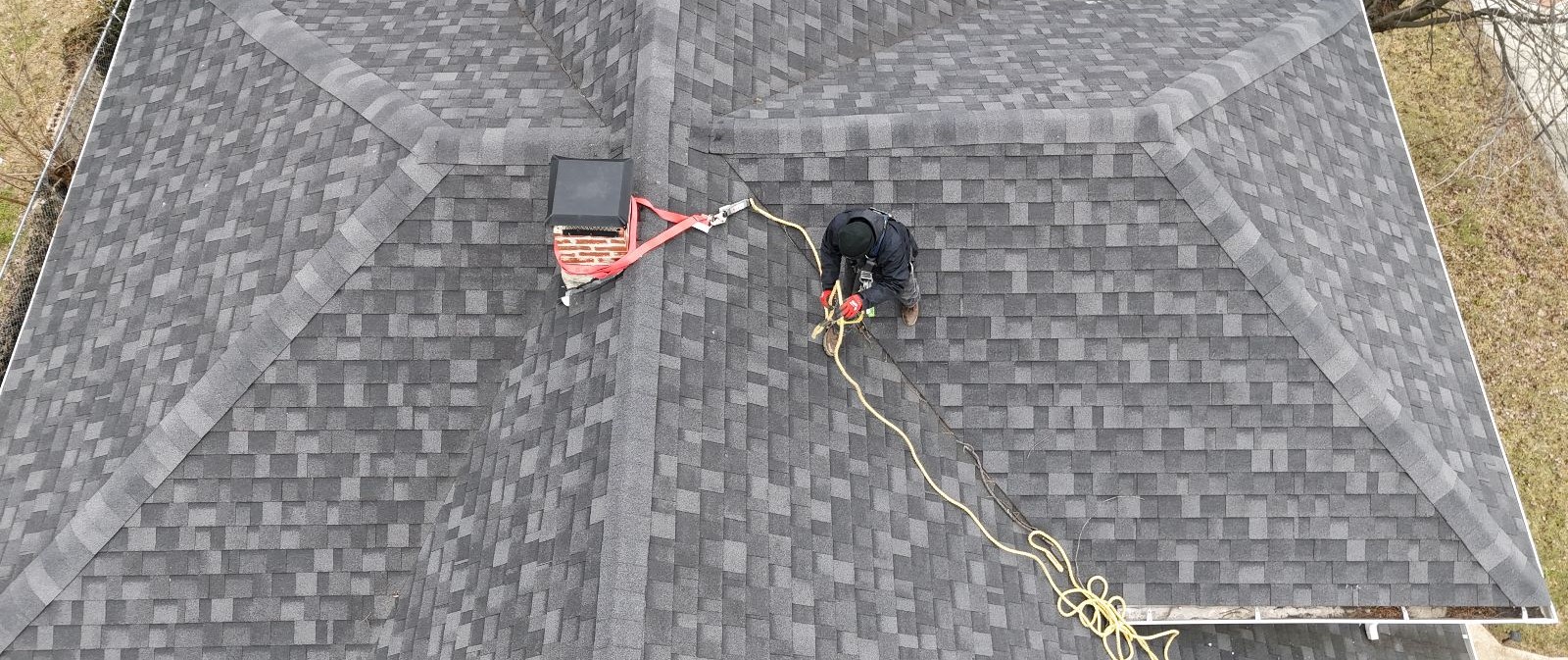
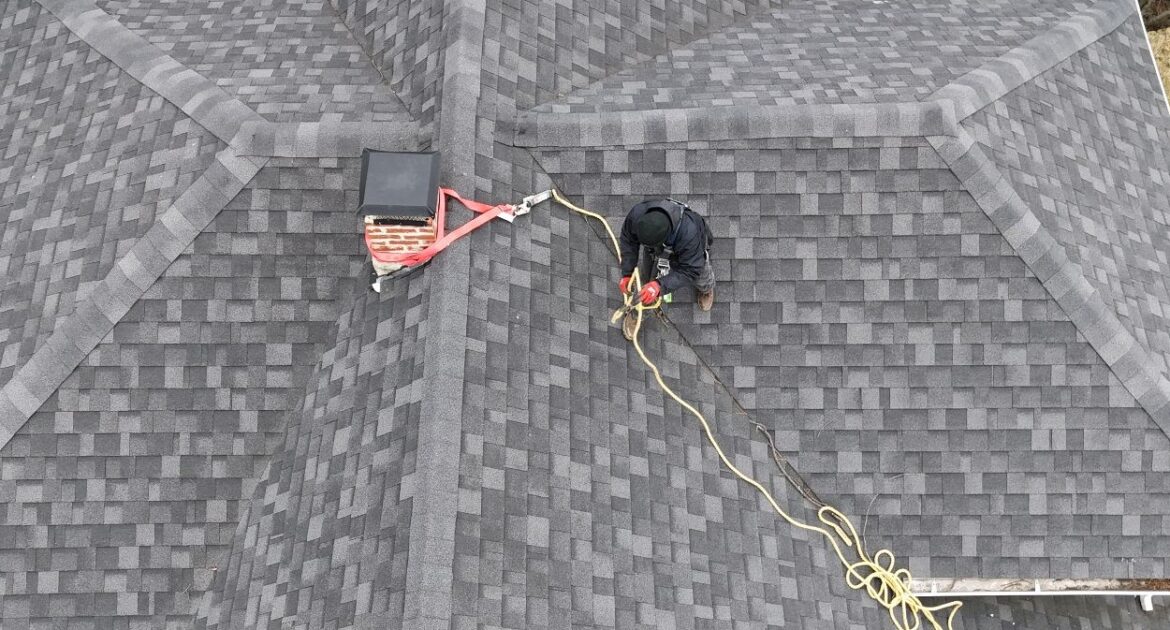
You may not notice gaps, loose shingles, or small holes around your roofline — but raccoons will. Before baby season, females actively search for safe nesting areas. They can tear through weak spots or push open vents to get inside.
When we perform inspections, we look for:
- Lifted roof shingles and torn soffits
- Bent vent covers or gaps around chimneys
- Loose siding or fascia boards
- Entry holes in attics, garages, or crawl spaces
Finding and sealing these openings early helps stop unwanted visitors before they choose your home as their nursery.
Tip 2. Attic Damage Often Starts Small
You might think your attic is secure, but raccoons only need one weak point to get in. Once inside, they tear insulation, flatten ductwork, and leave behind droppings or nesting materials.
Because it’s quiet and warm, the attic becomes the perfect place for a mother to raise her young. By the time you hear noise, there may already be babies inside. Humane removal prevents this by identifying and sealing potential nesting areas before the season begins.
This proactive approach is one of the best humane raccoon removal tips we recommend to homeowners every spring.
Tip 3. One-Way Doors Keep Families Safe
Traditional removal methods often cause harm or separate mothers from their young. Humane removal is different. We use one-way doors that let adult raccoons exit naturally but prevent them from re-entering.
This technique protects both the animals and your property. It allows us to safely guide them out without trapping, stressing, or relocating them. Once the mother leaves, we ensure the space is sealed properly so she can’t return later.
This method supports raccoon prevention during baby season, keeping both homes and wildlife safe in the process.
Tip 4. Females Are Most Active Before Baby Season
As baby season approaches, female raccoons become determined nest builders. They search for warm, sheltered areas close to food and water.
You’ll often notice:
- Scratching or heavy thumping noises in ceilings or walls
- Damaged shingles or vents on the roof
- Trails of muddy paw prints near entry points
If you notice these signs, you’re seeing the start of nesting behaviour. Acting early gives professionals time to handle the situation humanely before babies are born.
Tip 5. Vent and Roofline Repairs Prevent Future Entry
After humane removal, sealing entry points is the key to lasting protection. Even small holes can attract raccoons again if left open. Our technicians reinforce these areas using durable materials that blend with your home’s structure.
Some of the most important areas to secure include:
- Roof vents and attic fans
- Chimney caps and soffit edges
- Gaps where siding meets the roofline
- Basement window wells or crawl-space vents
A well-sealed home makes it much harder for animals to find another way in, reducing the risk of repeat visits.
Tip 6. Chimneys and Vents Are Hidden Nesting Spots
You might not think much about your chimney during winter, but to a raccoon, it’s the perfect hollow tree substitute. Female raccoons often climb down unused chimneys to give birth.
We often find:
- Damaged or missing chimney caps
- Debris and nesting materials are blocking airflow
- Scratch marks along the flue walls
Humane wildlife removal involves inspecting these areas carefully and installing secure caps that allow smoke to escape but block entry. It’s a simple, effective way to protect homes before baby season.
Tip 7. Yard Clean-Up Helps Reduce Attraction
Your property’s exterior plays a big role in prevention. Overgrown trees or clutter around your home make it easier for raccoons to reach roofs or attics.
You can help by:
- Keeping tree branches trimmed at least six feet from the roof
- Storing garbage bins in locked or sealed containers
- Removing pet food or compost from decks and yards
Even small changes outside can prevent animals from seeing your home as a safe nesting area.
Tip 8. Understanding the Timing of Baby Season
In Ontario, baby season usually starts in late March and runs through early summer. Acting before this period gives you the best chance to stop problems before they begin.
Once babies are born, removal becomes much more delicate — because mothers will do anything to stay near their young. That’s why humane prevention in late winter or early spring is essential.
When you stay ahead of the season, you avoid the risk of costly attic repairs and stressful situations later on.
Tip 9. Hidden Damage You Might Miss
Even if you don’t see visible entry points, raccoons can cause hidden damage inside walls or ceilings. Small openings may go unnoticed for months.
Common hidden problems include:
- Chewed wiring or damaged insulation
- Droppings in ceiling voids or behind drywall
- Flattened or contaminated insulation from nesting
These signs are easy to miss without a full inspection. Our team looks beyond what’s visible to uncover the true extent of damage and repair it safely.
Tip 10. Professional Cleaning Protects Health
Raccoon nesting areas often leave behind bacteria, urine, and droppings that can pose health risks. After humane removal, thorough cleaning ensures your home remains safe for your family.
While homeowners should never handle these materials, professionals have the right tools and protective gear to disinfect affected areas properly. This extra step supports raccoon prevention during baby season by removing lingering scents that could attract new visitors.
Protect Your Home Before Baby Season Begins
When you prepare early, you protect both your home and the animals that share your community. Acting before baby season gives you time to seal entry points, prevent nesting, and stop damage before it starts.
At Skedaddle Humane Wildlife Control in Mississauga, we specialize in humane raccoon removal tips that keep your family safe and your home secure. Our methods protect homes before baby season and support lasting raccoon prevention during baby season.
Request an estimate to learn more about our humane removal process and schedule a pre-season inspection today. Together, we’ll keep your home protected, safe and responsibly.

 Loading...