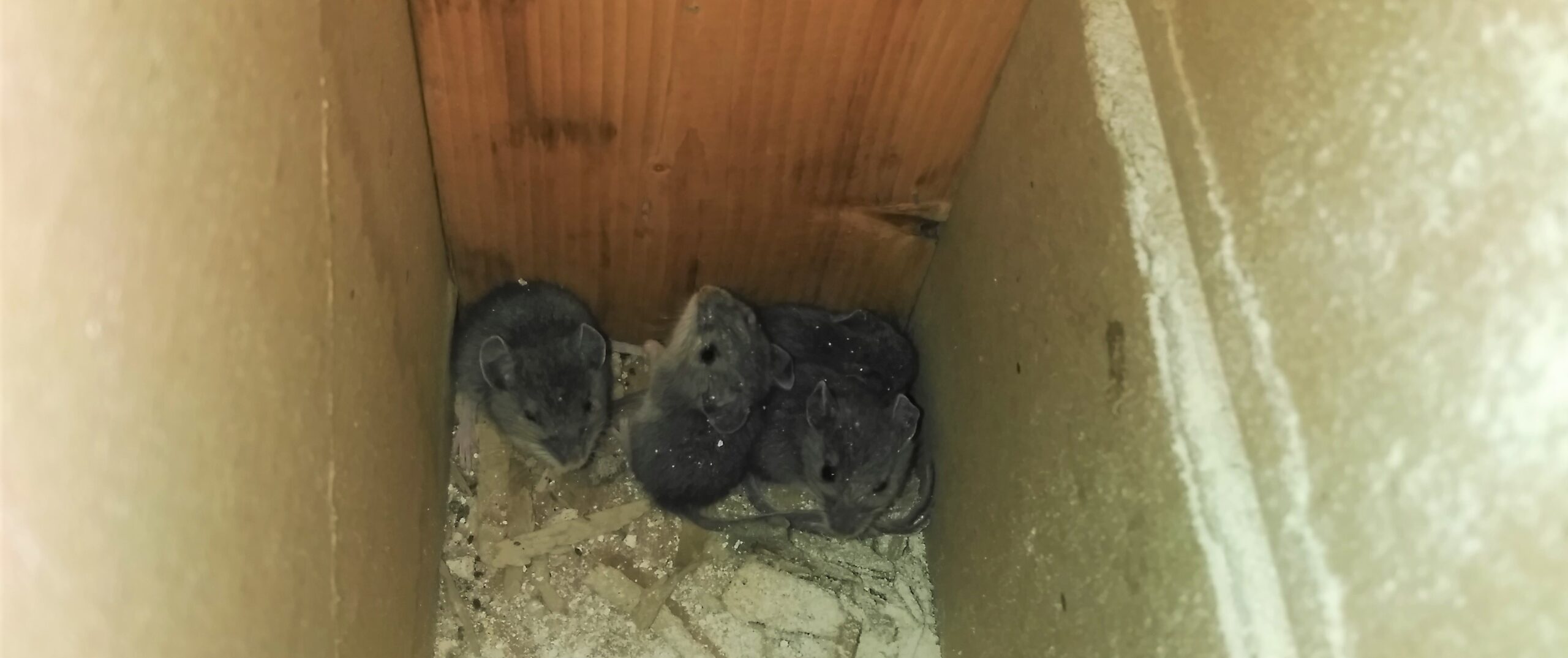

Winter is coming, and that means many RV owners are getting ready to put their vehicles away until spring. While storing your RV can keep it safe from snow, ice, and salt, there’s another threat you can’t ignore: mice. Small animals are always looking for warm places with food and shelter, and an unused RV is the perfect spot.
So, how do you avoid a mouse infestation in your RV during the winter months? The key is proper RV mouse infestation prevention. With the right steps, you can protect your investment, your health, and your peace of mind. At Skedaddle Humane Wildlife Control in Mississauga, we’ve seen how fast an RV can become a home for unwanted guests. That’s why we want to share important information about winter RV storage tips and the best methods for mice-proofing RVs.
This guide will walk through 10 major steps to keep mice out of your RV during winter storage. Each one explains why it matters and what happens if it’s ignored. By the end, you’ll see why professional help is often the safest way forward.
1. Seal All Entry Points
Mice can squeeze through openings as small as a dime. RVs often have small gaps around doors, windows, or utility hookups that are easy to miss. Once inside, they can move quickly through walls and floors, building nests in hidden spots.
Even one small hole can invite a whole family of mice. Sealing openings with the right materials stops this before it starts. Professional inspections ensure every weak spot is found. Without sealing, your RV becomes an open invitation for pests all winter long. Taking care of this step early helps you avoid costly damage later.
2. Protect the Undercarriage
The underside of an RV is full of wires, pipes, and warm spaces. Mice often climb in from below, especially when snow forces them to search harder for shelter.
By leaving the undercarriage exposed, you’re giving rodents easy access to your RV’s most sensitive areas. Our professionals use barriers and sealing techniques to stop them from climbing in. Ignoring this area almost guarantees an infestation. The undercarriage is often forgotten, but it is one of the easiest spots for pests to enter.
3. Secure the Vents
RVs have vents for heating, cooling, and airflow. Unfortunately, vents are also favourite entry points for mice. Once inside, they can chew wiring and build nests in your ventilation system.
Blocked vents not only allow pests in but also make your appliances work harder, increasing energy costs. Proper covers and mesh that still allow airflow but block animals are essential.
Skedaddle’s approach ensures vents stay functional without giving pests a pathway inside. Without secure vents, you could face poor air quality and unwanted smells in the spring.
4. Check the Storage Compartments
Most RVs have storage areas along the sides or underneath. These compartments are dark, warm, and rarely checked during the winter. To a mouse, that’s the perfect hiding spot.
Professionals check these compartments for gaps, damage, or nests. They also reinforce weak points with chew-proof materials. Without this step, you may not discover the infestation until spring, when the damage is already extensive. Storage areas may look harmless, but they can quickly become prime nesting spots for pests.
5. Watch for Food Sources
Mice are attracted to food above all else. Even small crumbs or spilled liquids in your RV can draw them in. Pantry goods, pet food, or garbage bags left behind act like neon signs saying “Come on in!”
- Leftover food creates a steady supply for pests.
- Once they find food, they almost never leave.
- Infestations grow rapidly when food is easy to access.
That’s why part of RV mouse infestation prevention is removing or protecting all potential food sources before storage. Even sealed bags may not be enough since pests can chew through thin plastic or cardboard.
6. Protect the Insulation
Mice love insulation because it’s soft and warm. They shred it to build nests, leaving behind droppings and urine. Once insulation is damaged, your RV loses efficiency, costing you more to heat or cool later.
Replacing insulation in an RV can be very expensive. Preventing damage in the first place is always cheaper and easier. Professionals know how to block off areas where insulation is exposed. A little prevention now saves you from major repair bills in the future.
7. Guard Electrical Wiring
Chewed wires are one of the most dangerous results of an infestation. Rodents chew constantly to keep their teeth from growing too long. Unfortunately, your RV’s electrical system often becomes the target.
- Damaged wiring can spark fires.
- Electrical repairs in RVs are costly and complex.
- Chewing also damages appliances and safety systems.
This makes wiring protection a critical part of mice-proofing RVs. Protecting wires doesn’t just save money—it keeps your RV safe for you and your family when you’re back on the road.
8. Monitor the Roof and Openings
The roof of an RV may seem safe, but cracks, gaps, or poorly sealed vents provide easy access. Snow and ice can even widen existing openings.
A professional inspection covers the roofline as well as ground-level entry points. If ignored, mice can enter from above and remain hidden all winter long. Repairing roof damage later can be much more expensive than preventing it now. Roof leaks combined with pest activity can quickly lead to double the trouble.
9. Watch Out for Nesting Materials
Even if you’ve cleared food, other materials can attract mice. Soft fabrics, paper, and cardboard are all perfect for nest-building. Many RVs stored for winter are filled with these materials, making them ideal for infestations.
Professionals recommend storing these items in sealed bins or removing them before storage. Without nesting materials, your RV is far less appealing to unwanted guests. Keeping these temptations out of reach is one of the simplest ways to reduce the risk of pests moving in.
10. Get Professional Support
Even with preparation, mice are determined and clever. They can chew through thin materials, squeeze into the smallest cracks, and reproduce quickly. That’s why professional help is the safest way to protect your RV.
At Skedaddle, we specialize in RV mouse infestation prevention. Our team knows where mice try to get in, how they behave, and what steps stop them for good. Using humane methods like one-way doors, we ensure pests can leave but can’t come back. With expert support, you don’t just prevent an infestation—you gain peace of mind all winter long.
Winter RV Storage Tips
Now that you know the main risks, here are some broader winter RV storage tips to keep your vehicle in top shape:
- Always inspect your RV before and after storage.
- Choose a storage location that is secure and not near heavy rodent activity.
- Keep the area around your RV clear of trash, compost, or debris.
- Schedule professional checks during the season for peace of mind.
By combining these tips with expert services, you lower your risk of costly infestations.
Why Professional Prevention Matters
Handling pests on your own is not safe. Mice carry diseases in their droppings and urine, and handling nests exposes you to health risks. More importantly, DIY fixes often fail, leaving your RV vulnerable.
Skedaddle Humane Wildlife Control in Mississauga focuses on long-term solutions. We prevent entry, protect sensitive areas, and ensure that pests don’t come back. With us, you can store your RV with confidence, knowing it will be ready for spring without hidden surprises.
Keep Your RV Safe All Winter
You’ve worked hard to enjoy your RV, so don’t let pests ruin it during storage. With the right RV mouse infestation prevention steps, you can avoid costly repairs, health risks, and stress. Protecting your vehicle means protecting your investment.
If you want expert help with winter RV storage tips or mice-proofing RVs, reach out to us today. Request an estimate to learn more about how Skedaddle Humane Wildlife Control in Mississauga can keep your RV safe all season long.

 Loading...