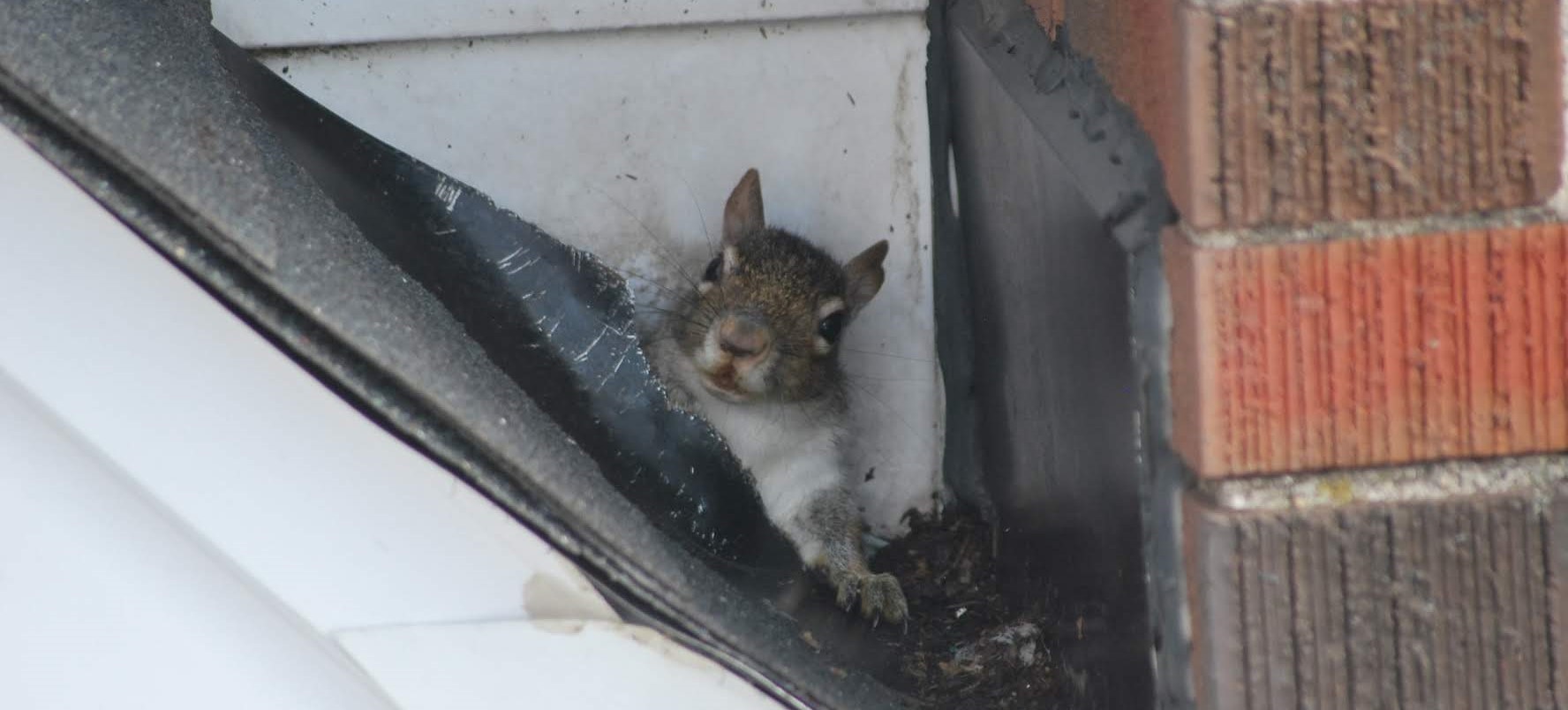
You may have seen a squirrel dart across your yard with a nut in its mouth and wondered—what’s really going on here?
The truth is, there’s an amazing connection between squirrels and acorns that shapes not only how squirrels survive the winter but also how oak trees thrive for generations. This relationship is about much more than hiding snacks—it’s about survival, memory, and even shaping forests.
So, what is the amazing squirrel and acorn connection? It comes down to squirrel acorn storage habits, the role of squirrels and oak trees, and how acorn hoarding by squirrels helps both the animals and the ecosystem. At Skedaddle Humane Wildlife Control in Mississauga, we’ve seen how fascinating this behaviour is—and also how it can bring squirrels a little too close to your home.
Let’s explore why this relationship matters, how it works, and what it means for homeowners like you.
Why Squirrels Store Acorns
Squirrels don’t hibernate like some animals. Instead, they prepare for winter by gathering food in advance. Acorns are their top choice because they are packed with fat, protein, and energy. By burying acorns in the fall, these animals create a pantry they can return to during the cold months when food is scarce.
This survival strategy is called scatter hoarding—storing nuts in many different places rather than in one pile. It gives them better odds of having food later, even if some stashes are stolen or forgotten.
Not All Acorns Are the Same
You might think an acorn is an acorn, but squirrels know the difference. They can tell which nuts will last longer and which ones need to be eaten right away.
- White oak acorns sprout quickly, so they often eat these first.
- Red oak acorns are more bitter but can stay fresh for months. Squirrels bury these for long-term storage.
This picky behaviour shows how advanced squirrel acorn storage habits really are. By choosing carefully, these animals make sure they have food that lasts all winter long.
Helps Oak Trees
Here’s the part that makes the connection truly amazing: squirrels actually help oak trees grow. When squirrels bury acorns and forget about them, those acorns may sprout into new oak trees in the spring.
This means squirrels and oak trees have a special partnership. The tree provides food, and the squirrel spreads its seeds. Without these animals, fewer oak trees would survive.
Acorn Hoarding
Squirrels are famous for burying thousands of nuts each year. Scientists have studied their behaviour and found they can remember where they hid up to 95% of their food.
But what about the other 5%? That’s where acorn hoarding by squirrels benefits the forest. Those forgotten nuts become the next generation of oak trees. So, these animals aren’t just hoarders—they’re gardeners too.
How They Decide Where to Bury Nuts
Squirrels don’t just drop nuts randomly. They make choices about where to bury them based on safety, competition, and soil.
- When other squirrels are nearby, they bury nuts farther away to prevent theft.
- They often spread out their stashes so one hungry thief doesn’t ruin everything.
- They may even “fake bury” a nut to trick onlookers before hiding it somewhere else.
This clever behaviour shows how strategic squirrels are when it comes to food storage.
What Happens When Acorns Are Short
Some years, oak trees produce fewer acorns. This is called a low mast year. During these times, squirrels struggle to gather enough food. They may look for alternative sources, including bird feeders, garbage bins, or even trying to get into homes and attics.
When acorns are scarce, you’re more likely to see squirrels closer to people’s property as they search for food and shelter. That’s when homeowners often call Skedaddle for help.
Squirrels and Their Memory
One of the most fascinating parts of squirrel acorn storage habits is their memory. Many people assume they rely on smell to find nuts, but research shows they mainly use spatial memory. This means they remember landmarks, patterns, and even distances.
Imagine hiding hundreds of tiny objects in your yard and trying to find them weeks later. That’s what squirrels do—and they’re very good at it.
Squirrels Don’t Work Alone
While these animals are the main players in this story, other animals get involved too. Chipmunks, blue jays, and deer also use acorns for food. Sometimes, chipmunks even dig up squirrel stashes and steal the nuts.
This competition means squirrels need to act fast and stay alert. Acorn hoarding is more than just storing—it’s a race for survival against other hungry animals.
The Downside for Homeowners
The same instincts that drive squirrels to bury acorns can cause problems for people. When squirrels can’t find enough safe spots outside, they may move indoors. Attics, garages, and walls can become storage areas for acorns.
This can lead to:
- Damaged insulation from digging and nesting.
- Droppings and urine that create health risks.
- Chewed wires that may spark fires.
If you hear scratching or find piles of nuts in your home, it’s likely a sign squirrels have moved in.
Why Squirrels Bury More Than They Eat
Squirrels bury far more acorns than they will ever eat. Why? Because they plan for the worst. If some are stolen, spoiled, or forgotten, they still have plenty left. This habit is like keeping a giant backup pantry.
By spreading out their food, they make sure at least some of it will be safe and ready to eat later. This over-preparation is another reason squirrels and oak trees are linked. The extra acorns they don’t retrieve give forests a chance to grow stronger and healthier over time.
The Role of Mast Years
Every few years, oak trees produce a huge crop of acorns. This is called a mast year. Squirrels gather more than usual, and many acorns go uneaten. During mast years, these animals are busier than ever, working long hours to collect food. These extra supplies help them survive harsh winters and raise more young.
Mast years are vital for oak forests because they allow more seedlings to sprout and grow into new trees. They also lead to population booms in squirrels, since more food means more energy for breeding and survival.
Why You Should Care About the Connection
You might think the squirrel and acorn connection is just a fun fact, but it actually shapes the environment around you. Forest growth, wildlife survival, and even your own yard are influenced by squirrel acorn storage habits. When squirrels bury more acorns than they eat, some of those forgotten nuts sprout into new oak trees.
This helps forests grow thicker and healthier over time. It also supports other animals, since many depend on oak trees for food and shelter. Understanding this relationship helps explain why you see so much squirrel activity in the fall and why acorns seem to disappear so quickly.
When Squirrels Get Too Close
Sometimes, squirrels take their acorn storage habits too far and end up inside your home. They may chew through rooflines or vents, carrying acorns with them. Once inside, they can cause damage that costs thousands to repair.
This is where we step in. At Skedaddle, we use safe and humane methods, including one-way doors, to allow squirrels to leave without letting them back inside. We then seal entry points so your home stays protected.
Keep Your Home Safe While Squirrels Stay Busy
The amazing squirrel and acorn connection shows just how smart and resourceful these animals are. Their storage habits help them survive, help oak trees grow, and even shape entire forests. But when squirrels bring these habits into your attic, garage, or walls, it becomes a real problem.
That’s when it’s time to call the experts. At Skedaddle Humane Wildlife Control in Mississauga, we handle squirrel acorn storage habits safely and humanely. We know how to deal with squirrels and oak trees, the risks of acorn hoarding by squirrels, and the damage they cause in homes.
If you want to keep wildlife out and protect your property, request an estimate to learn more today.

 Loading...







