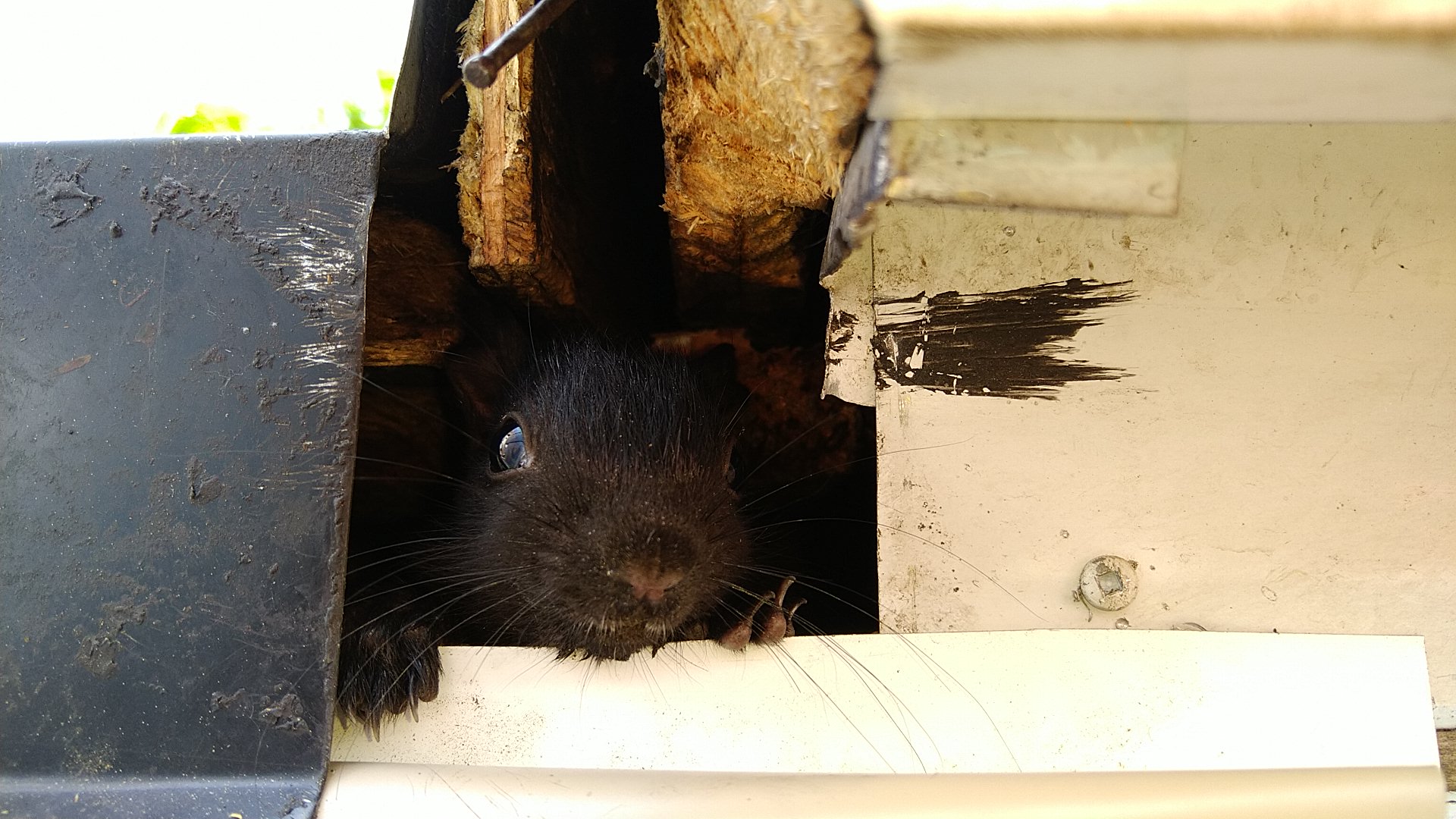
You are sitting in your living room, trying to relax after a long day. Suddenly, you hear it. Thump, scratch, scurry. The sounds are coming from right above your head. It sounds like a track meet is happening on your ceiling. Your stomach drops because you know exactly what that means. You likely have squirrels in the attic.
It is a stressful situation for any homeowner. You work hard to keep your home clean, safe, and secure. So, why is this happening to you? It is easy to feel like you have been targeted personally, but the truth is much simpler. These animals are just trying to survive. They are looking for the same things we are: food, safety, and a warm place to sleep.
Unfortunately, your house offers all of those things in one convenient package. To these furry climbers, your home is not just a building. It is a five-star hotel with a sturdy roof and a temperature-controlled environment. Understanding why they want to move in is the first step in solving the problem.
In this post, we will explain exactly what makes your property so attractive to wildlife and how our team at Skedaddle Humane Wildlife Control in Mississauga can help you get them out for good.
The Search for the Perfect Shelter
The most common reason animals enter homes in Mississauga is simple: shelter. In the wild, hollow trees offer basic protection, but they cannot compete with a house. An attic provides warmth, safety, and stability that squirrels cannot find outdoors. When conditions are right, your home becomes the best shelter available.
Here are the main shelter benefits your home provides:
- Warmth: Attic insulation traps heat, making the space much warmer than the outdoors. During cold months, this warmth can mean survival for wildlife. Even on cool spring or fall nights, the temperature inside an attic stays steady. Squirrels quickly learn that this warmth is worth breaking in for.
- Dryness: A solid roof protects squirrels from rain, snow, and strong winds. Unlike nests in trees, attics do not flood or sway during storms. Staying dry helps squirrels conserve energy and avoid illness. This protection makes homes far more appealing than outdoor shelters.
- Safety: Inside an attic, squirrels are hidden from predators like owls, foxes, and neighbourhood cats. Tight spaces make it hard for predators to follow. This sense of security allows squirrels to rest without fear. Safety is one of the biggest reasons they choose homes.
- Stability: Tree branches move, crack, and sometimes fall. A house does not. Solid walls and framing provide a stable place to sleep and nest. That reliability makes your home a long-term shelter option.
Easy Access to Food Sources
Food is the second major reason squirrels stick close to homes. Wildlife spends much of the day searching for meals. When food is easy to find, these animals stay nearby longer. The longer they stay, the more likely they are to notice weak spots on your roof or siding.
Common food attractants found around homes include:
- Bird Feeders: Bird seed is a high-energy food source for wildlife. Seeds that spill onto the ground are easy to reach. Squirrels will return daily once they discover a feeder. Over time, this regular activity increases the chance of roof access.
- Unsecured Garbage: Garbage bins often contain strong food smells. If lids are loose or bins tip easily, squirrels can help themselves. Leftover scraps are an easy meal. Once they associate your home with food, they keep coming back.
- Pet Food: Food left outside for pets is a major draw. Even small amounts can attract squirrels overnight. Wildlife quickly learns feeding schedules. This turns your porch or yard into a feeding station.
- Gardens: Vegetable gardens, fruit trees, and fallen nuts provide natural food. Squirrels will visit often during growing seasons. Oak and walnut trees are especially attractive. These food sources keep wildlife active near your home.
Identifying Weak Entry Points
Homes may look sealed, but small gaps are easy for squirrels to find. Wildlife uses sharp teeth and claws to test weak areas. If they sense warm air escaping, they focus on that spot. Over time, even small openings can turn into full entry points.
Key areas where they often break in include:
- Roof Vents: Many roof vents are made of plastic. Squirrels can chew through them quickly. Once damaged, the opening allows direct access to the attic. These vents are one of the most common entry points.
- Chimneys: An uncapped chimney is an open tunnel. These animals can climb down or build nests inside. This can block airflow and create fire risks. Chimneys without caps are a serious vulnerability.
- Roof Edges: Gaps where the soffit meets the fascia are easy to miss. If the wood is soft or damaged, squirrels can pry it open. These edges often lead straight into the attic. Warm air escaping makes them easy to detect.
- Plumbing Mats: Rubber seals around roof pipes wear down over time. Cracks form as materials age. Squirrels can chew or push through these weak spots. Once inside, they gain attic access.
A Safe Place to Raise a Family
Squirrels are driven to protect their young, which is a major reason infestations happen. In spring and late summer, mothers search for quiet, safe places to have babies. Attics offer warmth, darkness, and protection from weather and predators.
Insulation makes perfect nesting material because it is soft and dry. Once a mother settles in, she is hard to remove. She is protecting her babies, not just looking for shelter. This is why attic noise often increases during baby season and why professional help is usually needed.
Structural Vulnerabilities and Chewing
These animals do not need an open door to get inside. Their teeth never stop growing, so they chew to keep them worn down. This natural habit makes them very destructive in homes.
Wood, plastic, aluminum, and siding are easy targets, especially if materials are loose or rotting. Once inside, the chewing continues. Squirrels may damage wood beams or gnaw on electrical wires, which creates a serious fire risk and puts your family’s safety at risk.
Proximity to Nature
Where your home is located can affect wildlife activity. Homes near large trees often see more squirrels on the roof. Tree branches act like bridges, giving climbers easy access to shingles and vents. Even branches several feet away can still be close enough for a jump.
Homes near parks, ravines, or wooded areas in Mississauga are also at higher risk. These spaces support large wildlife populations. As squirrels search for new shelter, nearby homes often become their next choice.
Professional Removal is the Only Way
If you think squirrels are in your attic, do not try to deal with it yourself. Climbing on a roof is dangerous without training. Squirrels can also bite or scratch if they feel trapped, which puts you at risk.
At Skedaddle Humane Wildlife Control, we have helped homeowners in Mississauga and the Durham region for decades. Our team understands squirrel behaviour and uses safe, proven methods. You don’t need to handle the problem on your own.
The process starts with a full inspection to find where squirrels are getting in. Traps are not used, since they often fail and cause stress to animals. Instead, one-way doors are installed so squirrels can leave but not return. After the attic is clear, entry points are sealed with strong screening to protect your home long term.
Restoring Your Peace of Mind
Understanding why squirrels enter homes is the first step, but taking action is the second. Your home is your sanctuary, and you deserve to live there without the stress of unwanted noise and damage. These uninvited guests are drawn to your house for survival, seeking warmth, food, and safety. However, that does not mean you have to let them stay.
From the safety of the insulation for their babies to the structural gaps they exploit, the causes of the squirrel infestation are numerous. But there is a solution that keeps everyone safe. By removing the food sources in your yard and securing your home’s weak points, you can make your property less attractive to them.
If you are hearing noises or seeing signs of entry, do not wait. The longer they stay, the more damage they can do. Let our team at Skedaddle Humane Wildlife Control take care of the hard work for you. We will humanely remove the animals and secure your home so they cannot return.
Contact Skedaddle Humane Wildlife Control in Mississauga today to request an estimate and reclaim your home.

 Loading...