Have you ever heard faint fluttering above your ceiling and wondered what it might be? If you’re noticing strange noises in attic at night, you’re not alone—countless Montreal homeowners face the same mystery every year.
These sounds can be unsettling, but they usually have a straightforward explanation. It’s important to pay attention, though. Strange noises could mean wildlife has found a cozy spot in your attic, and while that’s common in urban areas, it should never be ignored.
Why Noises in Attic at Night Matter
When you first hear those strange sounds, it’s tempting to brush them off. But letting the issue go can actually make things worse.
Wildlife in your attic can cause a surprising amount of trouble—not just noise. For example, a 2022 study found that wild animals cause over $41 million in property damage annually in Canada, mostly from chewing on wires and insulation. This can lead to:
- Damage to your home’s wiring, creating a fire hazard.
- Compromised insulation, making it harder to heat or cool your home.
- Animal waste, which can cause lasting smells and, in some cases, pose health risks.
Addressing the source of noises in attic at night quickly is important for your home and your family’s peace of mind. Even if the sounds seem harmless, ignoring them could lead to bigger bills—and bigger headaches—down the line.
What Causes Fluttering Sounds in the Attic?
There are a few possible reasons you’re hearing fluttering sounds in attic spaces, and most of them have to do with animals looking for a safe place to stay. Birds and bats are often the main guests.
Let’s break down the likely culprits:
- Birds: Many local species look for warm, quiet spots to nest. Attics are perfect, offering shelter from the weather and predators. Birds often get in through open vents or small gaps under your roof.
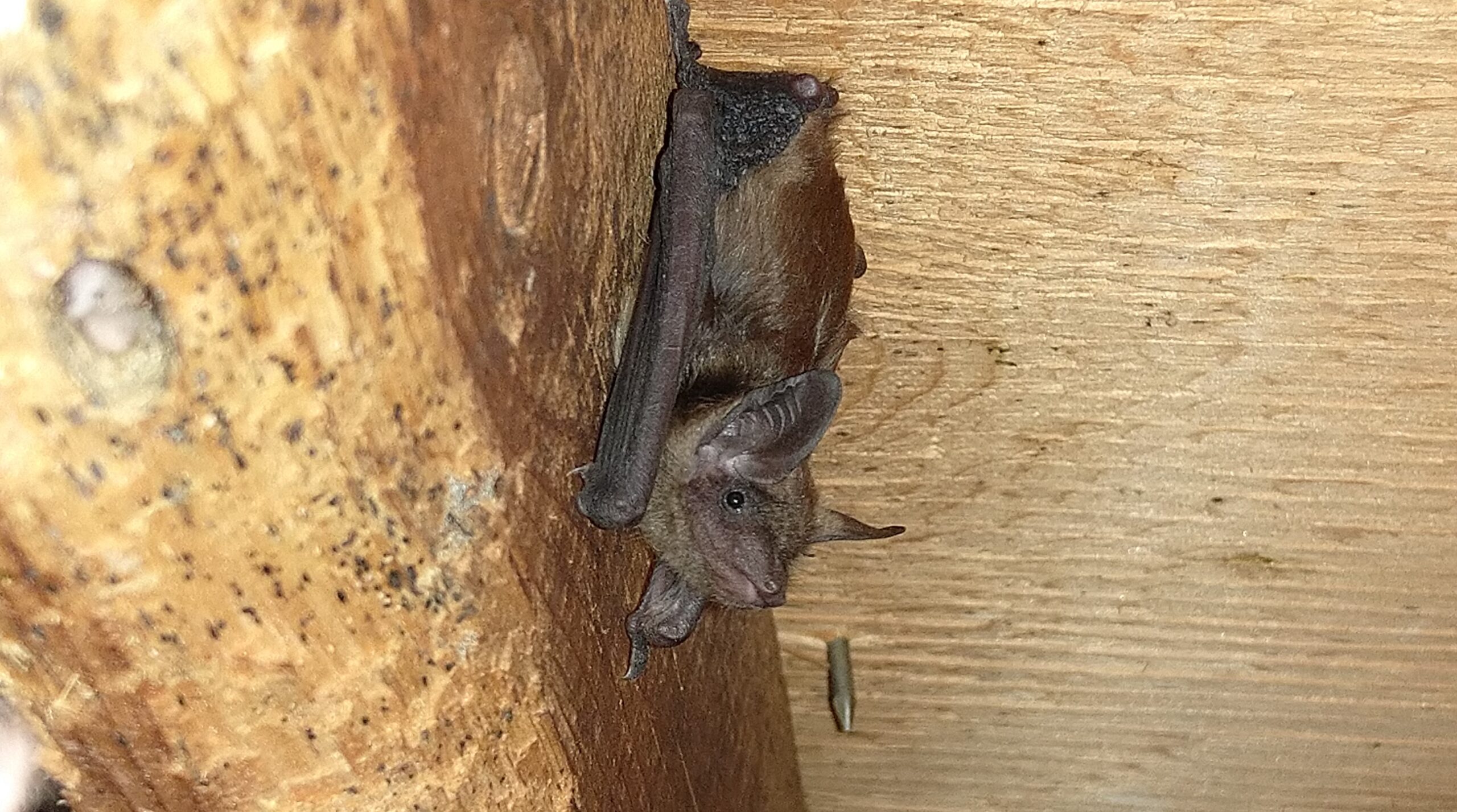
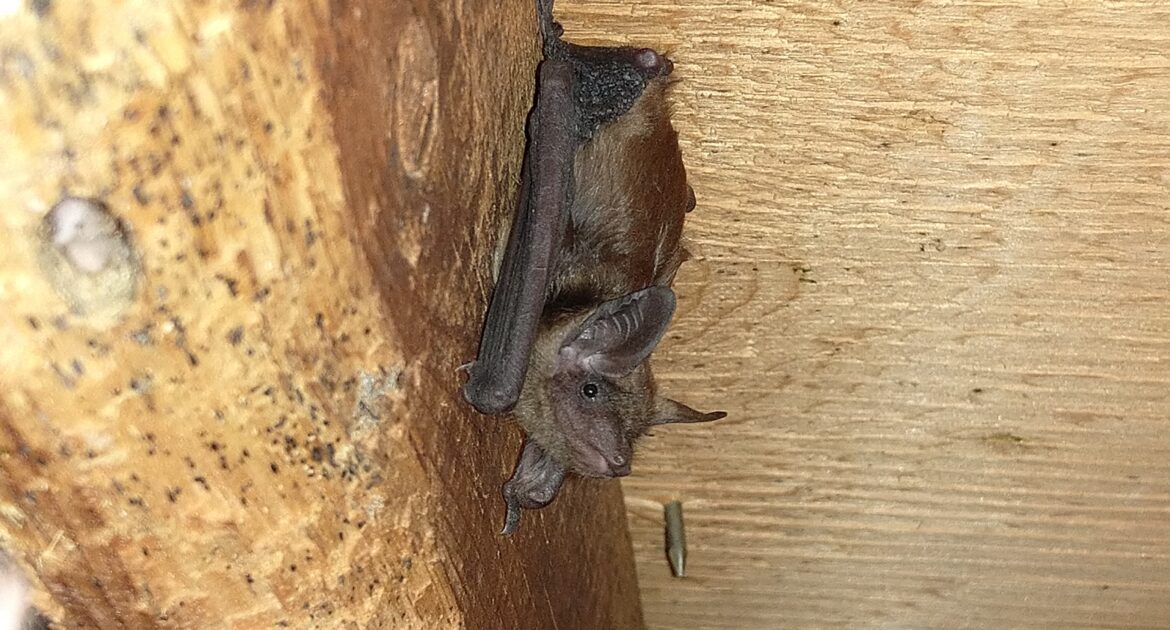
- Bats: These delicate flyers are active at dusk and pre-dawn, exactly when you’re most likely to notice new noises in attic at night. In Montreal and across Quebec, bats are protected by law, making professional intervention a must.
- Other Small Animals: Sometimes, squirrels or similar animals can create knocking or fluttering noises. However, their sounds are usually paired with scratching and gnawing.
Birds and bats have different habits, so learning to tell them apart can help. Birds are louder during the day, while bats are most active as night falls.
Identifying Attic Wildlife: Signs to Watch For
Trying to solve the mystery of attic noises? Identifying attic wildlife is easier if you know what clues to look for.
- Timing: Are the noises louder during the day? Birds are likely. If you mostly hear movement at dusk or dawn, you probably have bats.
- Physical Evidence:
- Birds: Look for feathers or wispy nesting material near vents or soffits. Bird droppings around entry points are another sign.
- Bats: Bat droppings (guano) are small, dark, and brittle. If you find shiny droppings or a musty smell in the attic, bats may be present.
You might also spot entry points around your roofline. Small openings—sometimes as tiny as a dime—are all birds or bats need to squeeze in.
It’s important to remember: identifying attic wildlife is best done from a safe distance. Do not attempt to approach or touch any animals you may find.
Why a Professional Wildlife Assessment is Essential
When it comes to attic mysteries, it’s best not to try and solve them on your own. Here’s why:
- Professionals have experience identifying attic wildlife quickly and safely.
- They know how to spot hidden entry points that are easily missed.
- Experts can check for young animals, which is especially important during spring and summer.
- Wildlife in Canada, especially bats, are protected species. Professionals understand local regulations and know how to handle each situation legally and ethically.
A trained technician also knows how to spot and address hidden problems. For example, did you know that bat colonies can leave behind as much as 1,000 kilograms of guano in a single season? That’s not just a cleaning hassle—it can damage insulation and wooden supports.
Here’s what you can expect from a professional inspection:
- A careful review of all likely and unlikely entry points.
- An assessment of any damage to insulation, wiring, or roofing.
- Safe methods for confirming exactly what kind of wildlife has moved in.
- Expert recommendations for humane, permanent solutions.
Skipping this step can lead to incomplete fixes—or worse, trapping animals inside your attic, which no one wants.
Humane and Ethical Wildlife Solutions
Hearing fluttering sounds in attic spaces is a reminder that Montreal is home to a variety of fascinating creatures. The key is finding a solution that works for your home and protects local wildlife.
Professional wildlife technicians focus on humane exclusion, not harm. This means:
- Sealing entry points with strong, wildlife-proof materials.
- Installing one-way doors, which let animals exit safely but don’t allow re-entry.
- Waiting until any babies are old enough to leave with their mothers, ensuring families aren’t separated.
By choosing humane methods, you protect both your home and animal populations that are important to Montreal’s natural environment. In fact, studies show that ethical exclusion is up to 95% more effective in preventing re-entry than older approaches.
How to Prevent More Nightly Noises
Once your attic is clear, the next step is prevention. Wildlife will always be attracted to warm, safe spaces—especially in urban areas.
Here are some proactive tips:
- Install covers on every roof vent and chimney.
- Seal small cracks along the fascia and soffits.
- Check the attic and roof for damage at least twice a year.
- Trim back tree branches to prevent animals from jumping onto your roof.
Professional wildlife services can handle most of these prevention steps as part of their service. An ongoing maintenance plan means you’re much less likely to ever hear those unsettling noises in attic at night again.
Simple steps now can save you from bigger expenses and disruptions in the future. Prevention is about making your home unwelcoming to wildlife without causing harm.
Peace of Mind with Skedaddle Humane Wildlife Control
DIY is never a good idea when it comes to wildlife in your attic. Handling wild animals can be risky, and you might accidentally seal an entrance while young animals are still inside.
The best approach is to reach out to trusted professionals with years of experience. Skedaddle Humane Wildlife Control has helped thousands of Montreal homeowners resolve wildlife concerns, focusing on ethical, safe solutions that last.
- We are experts in identifying attic wildlife and creating personalized plans.
- Our techniques are proven, respectful, and approved by Canadian animal protection laws.
- We’re dedicated to delivering reliable solutions that give you peace of mind—so you can relax without worrying about the next round of fluttering sounds in attic.
If you’re currently hearing strange noises in attic at night or want to make sure your home is fully protected, don’t wait. Get in touch with our expert team for a thorough, humane assessment—so you and Montreal’s wildlife can both feel safe and at home.

 Loading...







