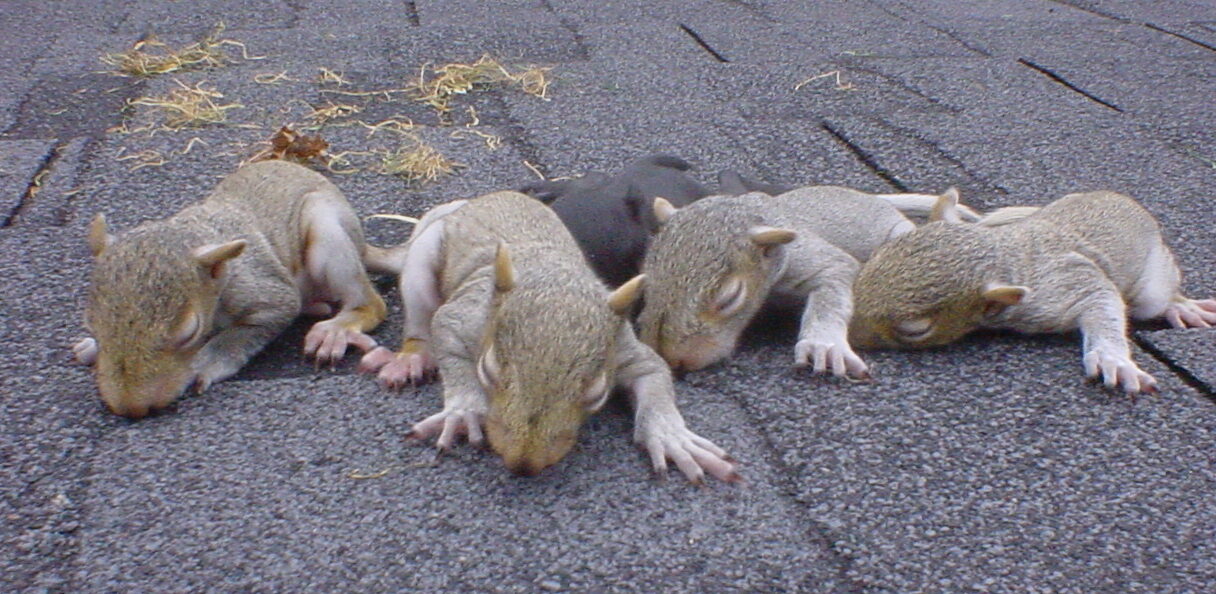
You hear quick footsteps race across your roof, followed by silence. Does that mean squirrels have moved into your attic? Not always. They may simply be using the roof as a bridge between nearby trees, fences, and neighbouring properties.
You should pay closer attention when the sound stops near the same vent, soffit, chimney, or roof edge. Repeated chewing, scratching, and movement above one room may point to damage or attic occupation. The time of day, location of the noise, and condition of your roof can all help explain what is happening.
Squirrels may chew through wood, shingles, plastic vents, or light metal to reach a protected space. Once inside, they may tear insulation, damage wiring, and build a nest. The problem may become more serious when dependent young are present.
At Skedaddle Humane Wildlife Control in Newmarket, we use a full inspection to separate ordinary outdoor travel from signs of entry. In this blog, we explain which sounds matter, when squirrels are most active, what exterior evidence our technicians consider, and how professional removal and prevention can protect your home.
What Should I Do if There Are Squirrels on My Roof?
If squirrels are on your roof, remain inside or watch from a safe place on the ground. Do not climb after them, chase them, or try to block where they are going. Pay attention to whether they run across the roof or keep returning to one area.
One quick visit may be normal outdoor activity. However, repeated movement near the same vent, soffit, fascia board, dormer, or chimney may mean they are testing or using an opening. Scratching and chewing that continue in one place also deserve attention.
You should not seal a possible entrance before the inside of the home has been inspected. A squirrel may still be in the attic, and dependent young could be hidden in a nest. Our professional team can determine what is present and create a humane plan.
Roof Activity Can Mean Different Things
Not every squirrel on a roof is causing damage. The way it moves and the amount of time it spends in one place can offer useful clues. Our technicians compare these patterns with signs found on and inside the building.
- Quick Travel Across the Shingles: Fast footsteps that move from one side of the roof to the other may be simple travel. The roof may connect two trees, fences, or nearby buildings. This type of activity usually passes within a few moments.
- Searching Along the Roof Edge: A squirrel may pause near soffits, vents, fascia boards, or gutters to inspect the structure. It may sniff, scratch, or move back and forth around the same area. Frequent visits can mean it has found a weak point.
- Chewing at One Location: Gnawing that remains in one place may point to active roof damage. Squirrels can chew wood, shingles, plastic, and lightweight metal. A small weakness can become a larger opening after repeated visits.
- Entering and Leaving a Gap: A squirrel disappearing through the same opening is strong evidence that it has moved beyond the roof. It may be using the attic as a nesting or resting space. Professional removal must account for the possibility of young inside.
Ordinary travel should not create ongoing sounds within the building. Once the noise moves below the shingles or above your ceiling, the situation has changed. A professional assessment can confirm whether the activity remains outdoors.
Time of Day Helps Explain the Noise
Squirrels are active mainly during daylight hours. The time when you hear movement can help a technician narrow down the source. However, timing should always be compared with physical evidence.
- Early-Morning Movement: Activity often begins around sunrise when squirrels leave their resting areas. You may hear quick running or scratching near the roof edge. Repeated departures from one spot may suggest an attic opening.
- Daytime Roof Crossings: Brief running during the day may be part of a normal outdoor route. A squirrel may cross the shingles while moving between trees or searching for food. The sound should move across the roof instead of staying in one place.
- Late-Afternoon Returns: Activity may increase again before daylight fades. A squirrel returning to the same vent or soffit could be going back to a sheltered nest. Technicians compare the timing with marks and damage around that area.
- Sounds After Dark: Squirrels usually settle down overnight, so their activity often becomes quiet after dark. Continued movement may have another cause or may be travelling through the structure. A professional inspection is needed instead of relying on sound alone.
You can note when and where the noise occurs without entering the attic. This information may help our team during an inspection. You should still avoid knocking on walls or disturbing a possible nest.
Exterior Evidence Technicians Look For
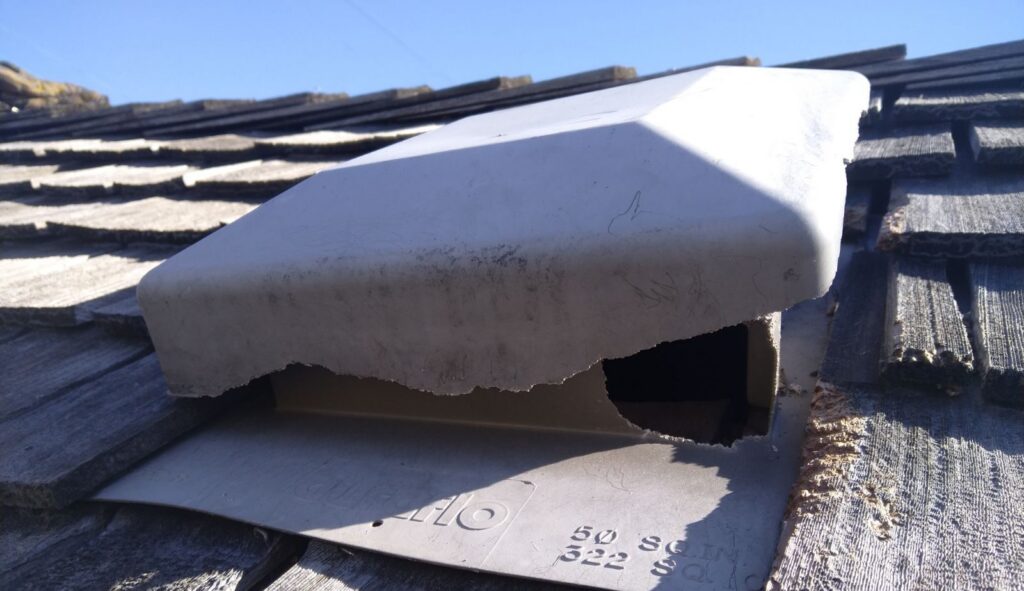
Sound patterns provide clues, but visible evidence can reveal whether the roof has been damaged. Our technicians examine the entire roofline instead of checking only the area where you heard noise. Several signs may appear around one active entry point.
- Fresh Gnaw Marks: New chewing often exposes clean, light-coloured wood beneath an older surface. Technicians inspect fascia boards, roof edges, vents, and soffits for these marks. Older damage usually looks darker and more weathered.
- Damaged Roof Vents: Plastic or lightweight metal covers can crack, bend, or pull away. A gap below the cover may provide direct access to the attic. Homeowners should not climb onto the roof to inspect a damaged vent.
- Loose Soffits and Fascia: A panel may hang down, move out of place, or show a widened corner. Squirrels can push or chew an existing weakness until it becomes large enough for entry. Nearby joints must also be checked for similar damage.
- Nesting Debris: Twigs, leaves, paper, or shredded insulation near an opening may point to a nest. Small pieces may appear in the gutter or on the ground below an eave. You should not pull at or handle this material.
- Stains and Rub Marks: Repeated trips through a tight opening may leave dark marks around its edges. These signs can show that the same route has been used many times. Our technicians compare them with tracks, chewing, debris, and interior evidence.
An opening may be partly hidden beneath shingles or behind a soffit edge. Damage can also occur above a porch, garage, or dormer where it is difficult to see. A safe roof inspection gives a clearer answer than a view from the driveway.
When Roof Activity Becomes Attic Occupation
The sounds often change after squirrels enter the home. Instead of quick footsteps crossing the roof, you may hear scratching or chewing that remains above one room. Rolling sounds may occur when they move nuts or nesting materials.
A nest may contain leaves, twigs, paper, fabric, and torn insulation. Squirrels may create paths through insulation while travelling between the nest and the opening. These hidden routes can spread activity beyond the first area where you heard it.
Repeated trips in and out may mean an adult is caring for dependent young. Closing the opening at this stage could separate the family and leave the young trapped inside. Skedaddle checks for nests and plans removal around the needs of the animals.
Damage That Can Develop After Entry
Squirrels need to gnaw because their front teeth continue to grow. Inside an attic, they may chew wood, ducts, storage items, or electrical wiring. Damaged wiring can increase the risk of an electrical problem or fire.
They may also flatten or tear insulation while building a nest. This damage can make the home less energy efficient and leave certain rooms harder to heat or cool. Waste and nesting debris may create stains and strong smells.
A chewed opening can allow more than squirrels into the attic. Rain and melting snow may pass through damaged shingles, vents, or roof edges. Moisture can then affect insulation, wood, ceilings, and other building materials.
You should not enter a contaminated attic or handle droppings and nesting materials. Disturbing dry waste may spread harmful dust. Our trained technicians can assess the damage and complete professional cleanup when needed.
Newmarket Roofs Face Seasonal Pressure
Newmarket has mature trees, parks, residential streets, and connected green spaces. Branches, fences, garages, and nearby roofs can form easy travel routes. This makes rooftop activity common in both older neighbourhoods and newer developments.
Spring activity may involve nesting and dependent young. During summer, young squirrels begin exploring and may travel across unfamiliar roofs. Fall brings a greater search for warm, protected shelter before winter.
Snow, freezing rain, strong wind, and changing temperatures can weaken roof materials. Soffits, vents, flashing, and shingles may shift or loosen over time. A small storm-related weakness can later become a target.
The risk is not based only on the age of your home. New buildings can have gaps around vents and roof junctions, while older homes may have worn materials. Each property needs its own professional assessment.
Why a Full Inspection Matters
The place where you hear noise may not be where the squirrel entered. Open attic spaces, rafters, and wall cavities can carry sound across the house. An opening near the garage may create noise above a bedroom farther away.
One damaged vent may not be the only vulnerable area. A squirrel could have widened one opening while other weak soffits or roof joints remain available. Repairing only the visible damage may leave the home open to another entry.
Our technicians inspect the roofline, soffits, fascia, vents, chimney, dormers, siding, attic, and nearby access routes. We look for current activity and areas that could become problems later. This full picture guides the removal and prevention plan.
Squirrel Removal and Prevention with Skedaddle
At Skedaddle Humane Wildlife Control in Newmarket, our process begins with a detailed inspection. We examine the roof, vents, soffits, fascia, chimney, dormers, attic, and nearby travel routes. Our team identifies active entrances, possible nesting areas, damage, and contamination.
We also determine whether dependent young are present. This step helps us select a humane removal method that keeps the family together when needed. Homeowners should never reach into an opening or disturb a suspected nest.
When appropriate, we install one-way doors that allow wildlife to leave but prevent re-entry. After the squirrels have left, our technicians secure the active entrance and other vulnerable areas with durable exclusion materials. We do not use live trapping and relocation.
Our team can also remove nesting debris, clean contaminated areas, and replace damaged insulation when required. You do not need to enter the attic or handle waste. We manage the work from the first inspection through long-term prevention.
Frequently Asked Questions
Does running on the roof mean the attic has been entered?
Not always. A quick sound that moves across the shingles may simply mean a squirrel is using your roof to travel between trees, fences, or nearby homes. Entry becomes more likely when the activity stops near the same vent, soffit, chimney, or roof edge each time. Scratching or movement that continues below the roof surface should be checked by a professional.
What does a squirrel in the attic sound like?
You may hear scratching, chewing, rolling, or quick footsteps above the ceiling. The noise may become stronger in the early morning when squirrels leave or during the late afternoon when they return. Sounds that stay in one part of the attic may point to a nest or a regular resting area. Our professional inspection is still required because sound can travel through rafters, walls, and open attic spaces.
Why do squirrels chew roof materials?
A squirrel’s front teeth continue growing throughout its life, so regular chewing helps wear them down. Wood, shingles, plastic vents, fascia boards, and lightweight metal may all become targets. Chewing can turn a loose edge or small construction gap into an entrance large enough to use. Once the route works, the squirrel may return and continue damaging the same area.
Can one squirrel cause serious roof damage?
Yes, one squirrel can cause major damage when it returns to the same area each day. It may widen a roof opening, tear insulation, damage air ducts, or chew electrical wiring inside the attic. An exposed opening may also allow rain or melting snow to reach wood and insulation. The damage can become more extensive if the attic is used for nesting or raising young.
Should a roof opening be sealed right away?
No, a suspected opening should not be sealed until a professional confirms that the space is empty. An adult squirrel may still be inside, or dependent young may be hidden in a nest and unable to leave. Closing the entrance too soon can trap them and lead to more damage as the adult tries to regain access. Humane removal must happen before the opening and nearby weak areas are permanently secured.
Should nesting material or droppings be removed?
Yes, nesting material and droppings should be removed because they can create odours and contaminate insulation. However, homeowners should not touch, sweep, or vacuum these materials because disturbing them may spread contaminated dust. The attic may also contain damaged wiring, hidden waste, or frightened squirrels. Skedaddle can remove the debris, clean and sanitize the area, and restore damaged insulation when required.
Turn Rooftop Noise Into a Clear Answer
A squirrel running across your Newmarket roof may only be passing through. Quick footsteps that move from one side to the other often point to outdoor travel. Repeated chewing, scratching, or movement near the same vent, soffit, or roof edge can signal a more serious problem.
The time of day offers another clue, but it does not provide the full answer. Fresh gnaw marks, damaged vents, loose panels, nesting debris, and sounds inside the attic all deserve professional attention. Acting early may help limit damage to roofing, insulation, wiring, and other parts of your home.
You should not climb onto the roof, enter a contaminated attic, or seal a suspected opening. At Skedaddle Humane Wildlife Control in Newmarket, we can inspect the full structure, complete humane removal, clean affected areas, and secure potential entry points.
Contact our team to schedule a professional assessment. You can request an estimate to learn more about squirrel removal and long-term prevention for your Newmarket home.

 Loading...