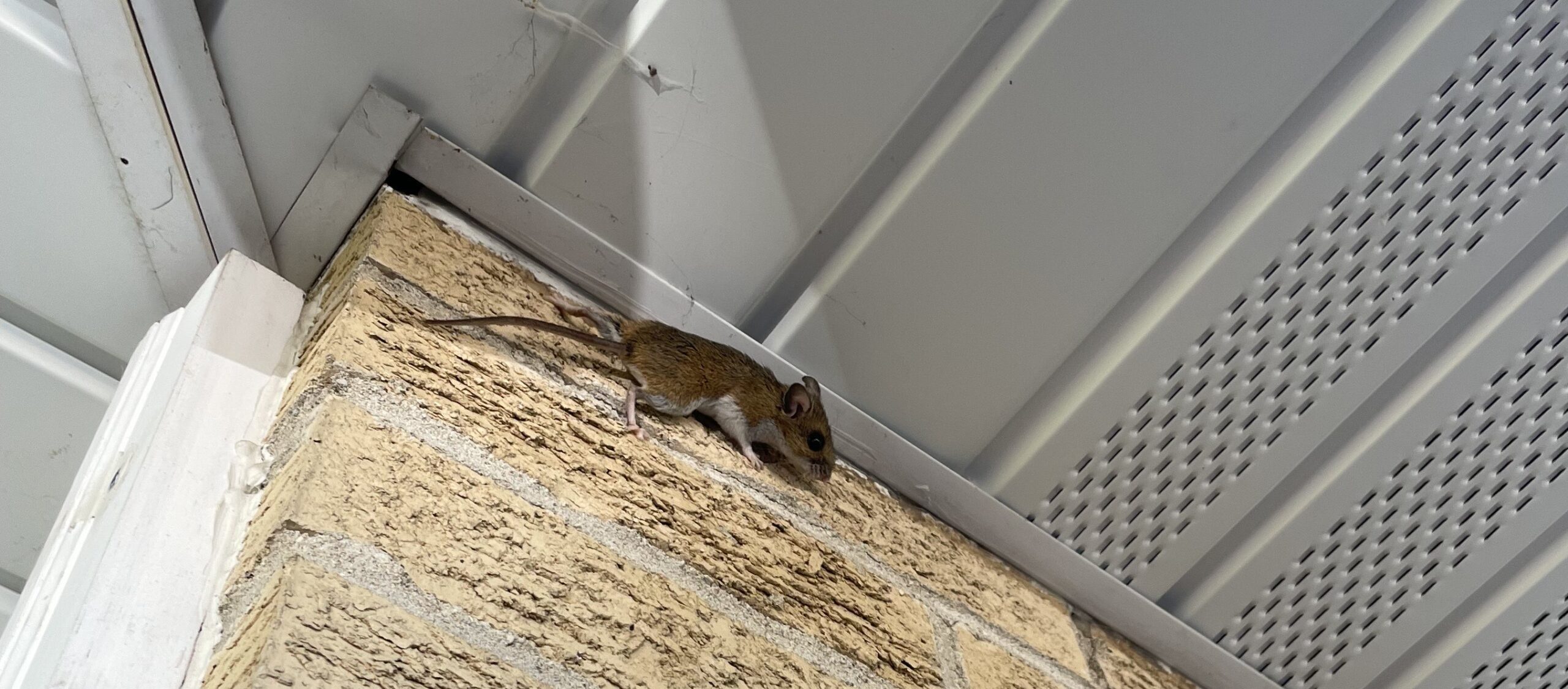
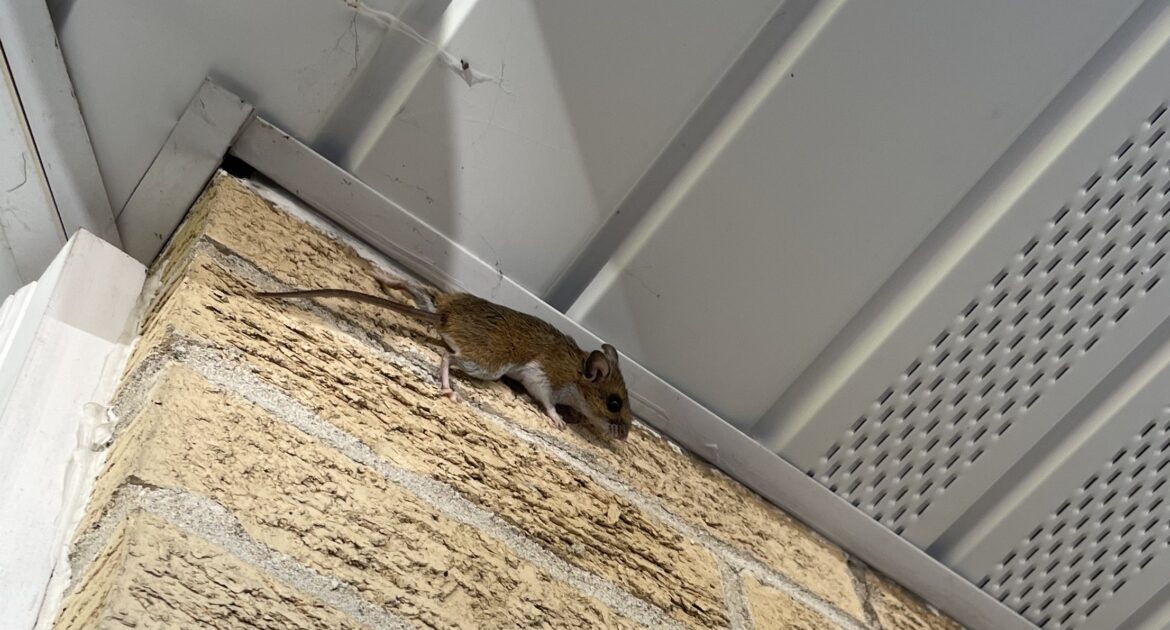
You don’t always see animals inside your Newmarket home during the winter, but you often notice little clues that something is wrong. You may spot dark specks on the floor, smell something strange near the walls, or hear light noises at night.
You start asking yourself, “What are the telltale signs of a hidden mouse infestation?” When you begin looking at mouse droppings infestation signs, you can learn a lot about what’s happening in your home—even when you never see the animals.
You want to know what those signs mean, how to read them, and why winter is the time when problems become more obvious. Cold weather pushes animals toward warm spaces, and your walls, attic, and basement become safe places for them to hide. When you learn how to identify mouse problems in the winter, you give yourself a better chance of catching the issue early. At Skedaddle Humane Wildlife Control in Newmarket, we help families recognize these signs every day.
Odours, droppings, and small marks can seem minor at first, but they are major warnings. They are the clear signs of a hidden mouse infestation, and each one tells you something important. In this guide, you’ll learn how to spot these clues, why they matter, and how our team uses humane strategies, like one-way doors, to safely remove animals and keep them from getting back inside.
Why Droppings and Odours Matter
You may think a few droppings don’t mean much, but they are one of the strongest signs you have a problem. They show where animals travel, where they feed, and where they hide. You can think of them as a trail that reveals where the pests are moving inside your home.
Odours are another major warning. When an infestation grows, the smell becomes stronger. It may smell musty, sour, or dirty, and it often gets stronger near walls, drawers, or closets. These smells help you notice hidden mouse infestation odours even when everything looks normal on the surface.
Both of these signs point to bigger problems you cannot see. They also help our team find the entry points, nesting spots, and places where the pests are most active.
1. Mouse Droppings: What They Look Like and Why They Matter
Droppings are the most common and obvious sign of an infestation. You may find them in places where food is kept or where animals travel through tight spaces. These droppings are small and dark, shaped like tiny grains of rice.
Where droppings often appear:
- Inside kitchen cabinets
- Under sinks
- Near baseboards
- In drawers
- Along attic beams
- Around stored boxes
Droppings may show up in groups. This means those spots are used often. When you notice these mouse droppings infestation signs, it means the pests are active, not gone. Each new pile shows that the problem continues to grow.
You should never touch or clean these areas yourself. They may contain harmful bacteria, and disturbing droppings can release particles into the air. When our team arrives, we handle everything safely and use proper protective gear.
2. Strong Odours: The Hidden Signs You Don’t Want to Miss
Odours are a powerful way to identify mouse problems in the winter. When the infestation grows, the smell becomes hard to ignore. It may get stronger as the weather gets colder. Warm indoor air traps smells inside walls and floors, making them easier to notice.
Common odours linked to hidden activity:
- Musty or stale scents
- Sharp ammonia-like smells
- Dirty or sour odours near walls
- Stronger smells in closed rooms or storage areas
These smells happen because animals urinate often and in large groups. The more pests you have, the stronger the smell becomes. Even if you’ve never seen a single animal, these hidden mouse infestation odours are a major warning.
If you smell something odd during winter—especially near quiet parts of your home—this may be the sign you’ve been missing.
3. Noises in the Walls: Light but Persistent Sounds
You may hear noises before you see any signs. These animals are small, so the sounds they make are soft. But when the house is quiet, especially at night, you can hear them moving.
Typical winter noises that point to activity:
- Soft scratching inside walls
- Light tapping behind baseboards
- Quick scurrying at night
- Faint gnawing on wood
- Movement in the attic
Winter makes these noises easier to hear because outdoor sounds are quieter. As animals search for food and warmth, they become more active indoors. If the noises repeat in the same areas, it’s a strong hint of a steady infestation.
4. Chew Marks: Tiny Damage with Big Meaning
You may find marks on food containers, wires, doors, or stored items. These pests chew constantly to keep their teeth from growing too long. That means they leave behind many signs of damage.
Chew marks may appear:
- On cardboard boxes
- Along wooden edges
- Near food bags
- On wires
- Around vents
- On insulation
Even tiny marks are important. They show where the animals travel, feed, and build nests. They also help our team locate active areas inside the home.
5. Visual Tracks: Smudge Marks and Trail Lines
As animals travel, they leave small dark marks along walls. These marks come from oils on their fur. When repeated over time, the lines become clear.
You may see:
- Smudges along baseboards
- Marks on pipes
- Dark streaks in crawl spaces
- Light trails on dusty shelves
These lines create a map of their movement. They show where the pests enter and exit, allowing our team to find the main nesting area quickly.
How Skedaddle Finds and Handles Mouse Problems
You shouldn’t try to handle any of these signs on your own. Our team uses safe training and protective gear to investigate areas inside your home. We locate the entry points, nesting spots, and signs of activity.
We also use humane strategies, including one-way doors. These allow animals to leave but don’t let them get back in. Once they are gone, we seal the entry points using strong materials that stand up to winter weather.
You stay safe, and your home becomes protected for the long term.
Stay Alert to These Signs This Winter
You should pay attention to what you hear, smell, and see. When you walk through your home, small clues like droppings, marks, or odours can reveal much more than you expect. These signs help you understand whether you are dealing with a hidden mouse infestation, even when you never see the pests directly.
You don’t need to open walls or go into the attic yourself. You simply need to notice what changes and reach out to our team. We find the source, handle the removal, and protect your home using proven steps.
When you spot problems early, you avoid damage, smells, and stress. Winter is the perfect time to stay alert.
Know the Signs Before the Problem Grows
You want your home to stay clean and safe during the coldest months. When you spot early mouse droppings infestation signs, you get a clearer picture of what’s happening. You may also notice hidden mouse infestation odours, which tell you something is active behind the walls. And once you start to identify mouse problems in the winter, you can catch the issue long before it spreads.
Our team at Skedaddle Humane Wildlife Control in York Region can help you move forward with confidence. You can request an estimate to learn how we find, remove, and prevent these problems so your home stays protected.

 Loading...