

It usually starts with a sound. Scratching in the attic, movement in the walls, or the unmistakable presence of wildlife where it shouldn’t be. For homeowners and businesses across York Region, including Markham, Vaughan, Richmond Hill, Newmarket, Barrie, and surrounding areas, these problems can quickly go from minor concerns to serious damage if left unchecked.
Humane Wildlife Removal You Can Count On in York Region
If you’ve noticed signs of wildlife activity, you’re not alone. As Skedaddle technicians, we work with property owners every day to safely remove animals like raccoons, squirrels, mice, rats, bats, birds, and skunks. Using proven, humane methods, including one-way doors and full home exclusion, we don’t just remove wildlife, we make sure it can’t get back in. Our goal is to protect your home or business for the long term with solutions that are safe, effective, and built to last.
Contact Skedaddle today to schedule your wildlife inspection and take the first step toward a wildlife-free property.
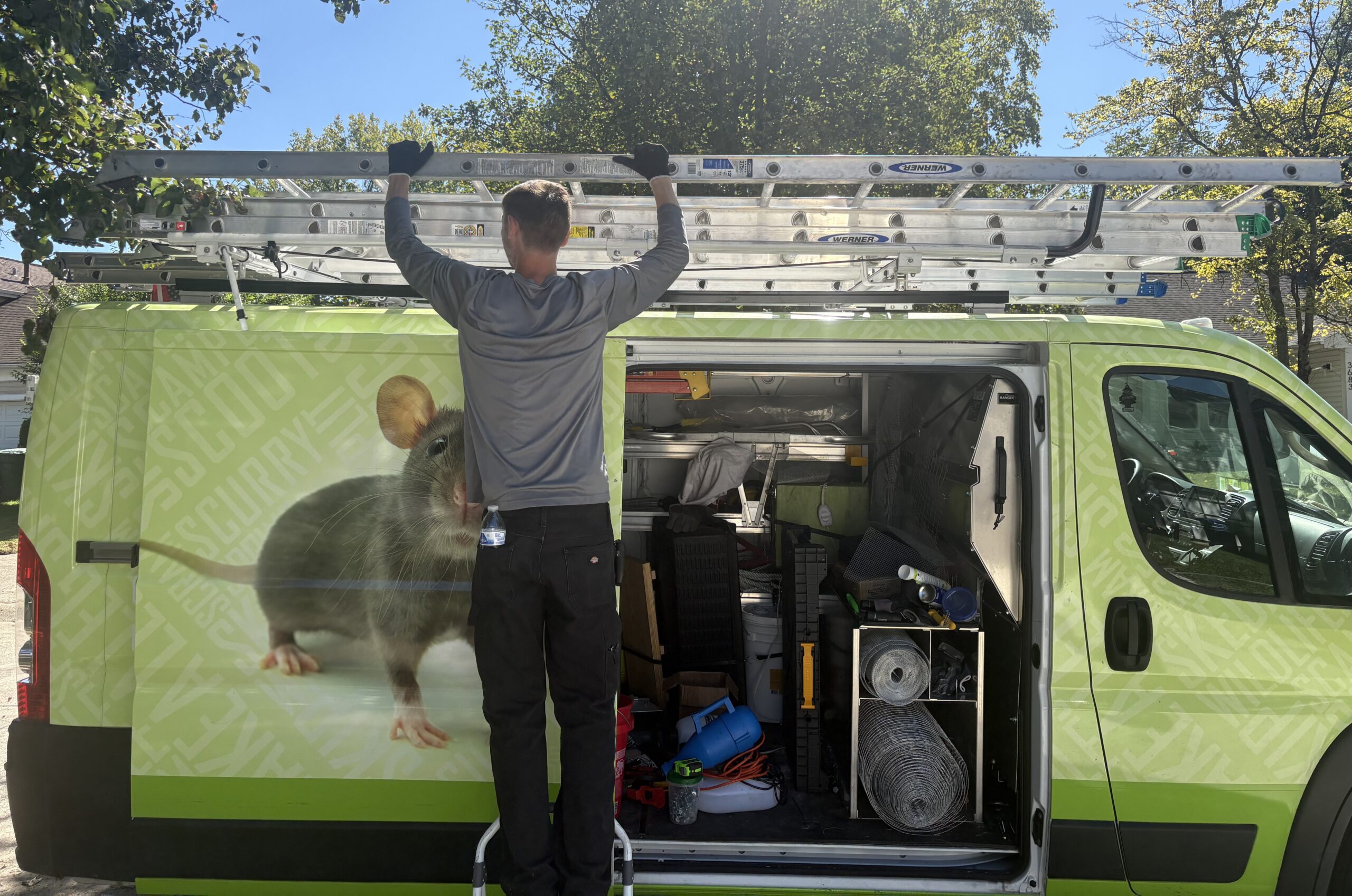

Wildlife Challenges Across York Region Properties
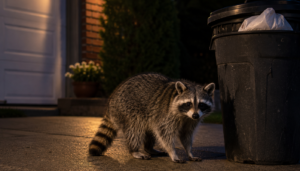
Across York Region, we commonly deal with wildlife entering homes and businesses in search of shelter. Raccoons are a frequent issue, often getting into attics through roof vents, soffits, or damaged shingles, especially during the spring when they are looking for a place to raise their young.
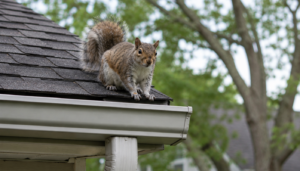
Squirrels are also very common in areas like Markham and Vaughan. They enter through small gaps along the roofline and can cause damage by chewing wood and wiring. They remain active year-round, making them a consistent concern, particularly in colder months.
Mice and rats are another major problem, as they can squeeze through tiny openings and quickly multiply once inside. Their presence often leads to contamination and ongoing infestations if not addressed early.
We also see skunks burrowing under decks and sheds, creating both structural concerns and the risk of spraying. Birds frequently nest in vents, which can block airflow and create hazards, while bats may roost quietly in attics, leaving behind guano that can pose health risks over time.
Each of these issues requires a targeted, humane approach to ensure effective and long-term protection.
Why York Region Properties Are Vulnerable
- Expanding residential areas near forests and ravines
- Older homes in Thornhill and Woodbridge with aging infrastructure
- Abundant food sources (garbage, gardens, pet food)
- Seasonal shelter needs during harsh Ontario winters
Our technicians regularly help homeowners and businesses across the local region resolve these issues quickly and humanely.
Understanding Seasonal Wildlife Behaviour Around Your Home
Understanding how wildlife behaves throughout the year is essential for preventing infestations in York Region. Ontario’s changing seasons significantly influence animal activity, and as technicians working across the region, we see clear patterns emerge each year. Wildlife adapts quickly to temperature shifts, food availability, and shelter needs, which often leads them directly into homes and businesses.
York Region Fall Wildlife Prevention for Growing Communities and Green Spaces
As temperatures drop across York Region, squirrels, raccoons, mice and rats look for warm shelter indoors and follow entry points into homes and attics. Chewing damage often increases at this time of year as animals create new openings or enlarge existing ones. Homes near ravines, parks and wooded areas, and in communities like Markham, Vaughan, Richmond Hill, Newmarket and Thornhill, tend to see activity rise quickly. Homeowners commonly report scratching in the walls or ceiling, chewed soffits and vents, and droppings in garages, basements and storage areas.
Animals that settle in during the fall usually stay through the winter, and the damage builds over time: torn insulation, chewed wiring and contaminated attic spaces. Skedaddle’s humane wildlife control in York Region starts with a full inspection of rooflines, vents and foundations, then removes animals safely, cleans affected areas and seals entry points so your home stays protected all winter.
Winter: Hidden Infestations
Winter in York Region may seem quiet on the surface, but much of the wildlife activity simply moves indoors. In local communities we often deal with infestations that have gone unnoticed for months. Once animals have established themselves inside attics, walls, or basements, they remain active throughout the winter, using your home as a source of warmth and protection.
During this time, homeowners may hear occasional noises but often assume the problem is minor. In reality, animals can continue to damage insulation, wiring, and structural components while remaining hidden. Bats may roost quietly in attic spaces, rodents build nests behind walls, and raccoons create dens in insulation. Because activity is less visible outdoors, infestations can grow significantly before being discovered. This is why winter inspections and early intervention are so important to prevent long-term damage.
Spring: Peak Activity & Baby Season
Spring is the most critical time of year for wildlife activity in York Region. As temperatures rise, many animals enter their breeding season, and this is when we see a sharp increase in calls from homeowners. Raccoons, squirrels, and skunks begin searching for safe, enclosed spaces to give birth, and attics are one of their top choices. These areas provide warmth, protection from predators, and a quiet environment for raising young.
In neighbourhoods across the region, it’s very common for us to find raccoons nesting in attics or squirrels burrowing into insulation during this time. Birds also become more active, often building nests in vents and chimneys. The challenge in spring is that removing wildlife requires extra care, as separating mothers from their babies can create serious problems. That’s why our technicians use specialized techniques to safely remove animals while ensuring their young are kept together and relocated properly. Acting early in the season can prevent a small issue from becoming a much larger infestation.
By understanding these seasonal patterns, homeowners and businesses across York Region can take proactive steps to protect their properties year-round.
York Region Summer Wildlife Prevention for Growing Communities and Green Corridors
York Region’s growing communities, ravines, parks and wooded areas can create frequent summer wildlife activity around homes. Raccoons, squirrels, skunks, bats, birds, mice and rats may move closer to residential properties while looking for food, water, shade and shelter. Attics, rooflines, garages, decks, sheds and crawl spaces can all become appealing when small openings are available. Homeowners may notice scratching sounds, droppings, damaged vents, chewed materials, disturbed insulation or digging near structures.
Seasonal prevention should include trimming branches away from the roof, securing waste bins, clearing clutter and inspecting soffits, vents, chimneys and foundation gaps. Skedaddle provides humane wildlife removal in York Region with a full-service approach designed to solve wildlife issues and prevent them from returning. Our team removes animals safely, cleans affected spaces and reinforces access points so homeowners can enjoy summer with greater peace of mind.
Why Choose Skedaddle in York Region?
When dealing with wildlife, experience matters. Our technicians have decades of hands-on expertise across the York Region.
What Sets Us Apart
- Humane Wildlife Removal
- No poisons or harmful traps
- Safe removal techniques that protect animals and families
- Permanent Solutions
- We don’t just remove animals—we prevent re-entry
- Sealing and reinforcing vulnerable areas
- The promise of a lifetime guarantee
- Experienced Local Technicians
- Deep understanding of York Region wildlife patterns
- Tailored solutions for each community
- Full Property Protection
- Roof, vents, soffits, and foundation secured
- Long-term exclusion strategies
- Clean-Up & Restoration
- Removal of contaminated insulation and debris
- Sanitization to protect your health
Across the region, we’ve built a reputation for reliable, ethical wildlife control.
A Humane Wildlife Control Process You Can Trust
At Skedaddle, our approach to wildlife control is built around one core principle: remove animals safely, keep them out permanently, and protect your property without causing harm. After servicing thousands of homes and businesses across York Region, Richmond Hill, Markham, Vaughan, Newmarket, Barrie, and surrounding areas, we’ve developed a detailed, proven process that prioritizes both effectiveness and humane treatment.
Unlike traditional pest control methods that rely on trapping or relocation, we use hands-on removal techniques and one-way door systems that allow animals to leave safely on their own—without the risk of injury or disorientation.
Step 1: Detailed Property Inspection
Every successful wildlife removal begins with a comprehensive inspection. Our technicians carefully assess your entire property to understand exactly how and why animals have entered.
We examine:
- Rooflines, soffits, vents, and chimneys
- Foundation gaps and utility entry points
- Attic spaces and insulation condition
- Signs of activity such as droppings, nesting, and damage
In homes across Thornhill, Woodbridge, and Whitchurch-Stouffville, we often find multiple entry points—not just the obvious one. That’s why our inspection is thorough and methodical. We identify all vulnerabilities and develop a customized plan to address your specific situation.
Step 2: Humane Removal Using One-Way Doors
The most important part of our process is how we remove the animals—and this is where Skedaddle stands apart.
We install one-way doors over the main entry points, which allow wildlife such as raccoons, squirrels, and skunks to exit the property naturally but prevent them from getting back inside. These doors are designed to work with the animal’s instincts. When they leave to search for food or water, they cannot re-enter, and they are encouraged to relocate elsewhere.
This method offers several key advantages:
- No trapping or relocation stress for the animal
- No risk of animals dying inside walls or attics
- Encourages natural behaviour, leading to more effective removal
- Safe for families, pets, and the environment
For example, in neighbourhoods like Markham and Vaughan, raccoons commonly enter attics to nest. By installing a one-way door over their access point, the mother raccoon will exit to forage and be unable to return—prompting her to move her young to an alternate den site nearby.
Special Care During Baby Season
Spring removal requires extra expertise. During the breeding season, many animals inside your home are mothers caring for their young, who are often unable to leave on their own.
Our technicians are trained to:
- Locate and carefully remove babies by hand
- Place them in a secure reunion box outside the entry point
- Allow the mother to retrieve and relocate them naturally
This process ensures that families stay together and avoids the serious problems caused by separating mothers from their young. It’s a critical part of humane wildlife control and something we handle regularly across Richmond Hill, Newmarket, and Barrie.
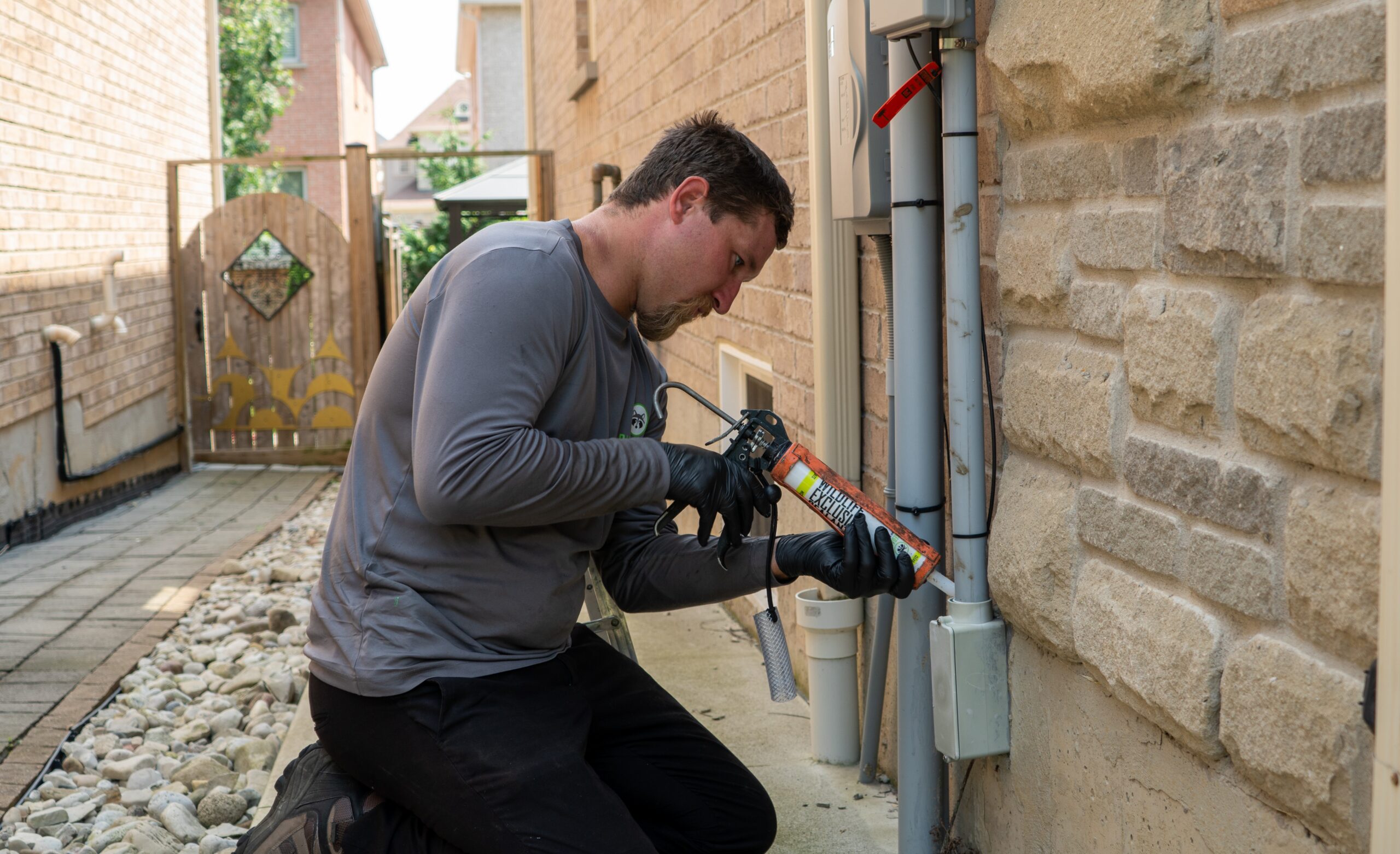
Step 3: Sealing and Exclusion
Once all animals have safely exited, we move immediately to secure your home.
Wildlife will almost always attempt to return to a successful nesting site unless it is properly sealed. That’s why we:
- Close all entry points with durable, wildlife-proof materials
- Reinforce vulnerable areas like roof vents and soffits
- Install protective barriers where needed
In many York Region homes, especially older properties in Thornhill and Woodbridge, we find that previous repairs were temporary or incomplete. Our goal is to provide long-term protection, not a short-term fix.
Step 4: Clean-Up and Decontamination
After removal and exclusion, we address the damage left behind. Wildlife contamination can pose serious health risks, so this step is essential.
Our clean-up process includes:
- Removing droppings, nesting materials, and contaminated insulation
- Sanitizing affected areas to eliminate bacteria and odors
- Restoring attic spaces to a safe condition
Odors left behind can attract new animals, so thorough decontamination helps prevent future infestations as well.
Step 5: Prevention and Long-Term Protection
Our job doesn’t end once the animals are gone. We make sure your property stays protected.
We provide:
- Reinforcement of common weak points
- Recommendations for property maintenance
- Guidance on reducing attractants like food and shelter
Across York Region, we’ve seen how proactive prevention can save homeowners from recurring issues year after year.
Local Health & Safety Risks
Wildlife infestations are more than just an inconvenience, they can create serious risks to both your health and your property. When animals invade a space, they often leave behind droppings that carry harmful bacteria and parasites, increasing the likelihood of illness. Damage to insulation can release airborne contaminants that affect indoor air quality, while certain wildlife species may carry rabies, posing an additional danger. In some cases, exposure to bat or bird droppings can even lead to histoplasmosis, a respiratory disease linked to fungal spores.
Beyond health concerns, infestations can cause significant property damage. Animals frequently chew through electrical wiring, creating a dangerous fire hazard. They can also damage roofs, vents, and other structural components as they enter and nest within a building. Insulation is often contaminated and must be replaced, and lingering odors or stains can persist long after the animals are gone.
For businesses, these issues can escalate even further. Infestations may result in health code violations, harm a company’s reputation, and disrupt daily operations. Addressing the problem quickly and effectively is essential. That’s why our technicians focus on safe, thorough clean-up practices designed to restore your space and protect your environment.
Protect Your York Region Property Today
Wildlife problems won’t resolve themselves—and delays often lead to greater damage and higher costs. At Skedaddle Humane Wildlife Control, we provide trusted, humane, and permanent solutions for homes and businesses across the York region.
Contact our team today to schedule your inspection and take the first step toward a wildlife-free property.
York Region Insights
Cottage Control: How Skedaddle Can Help Protect Your Second Home
Could There Be A Squirrel In My Wall?