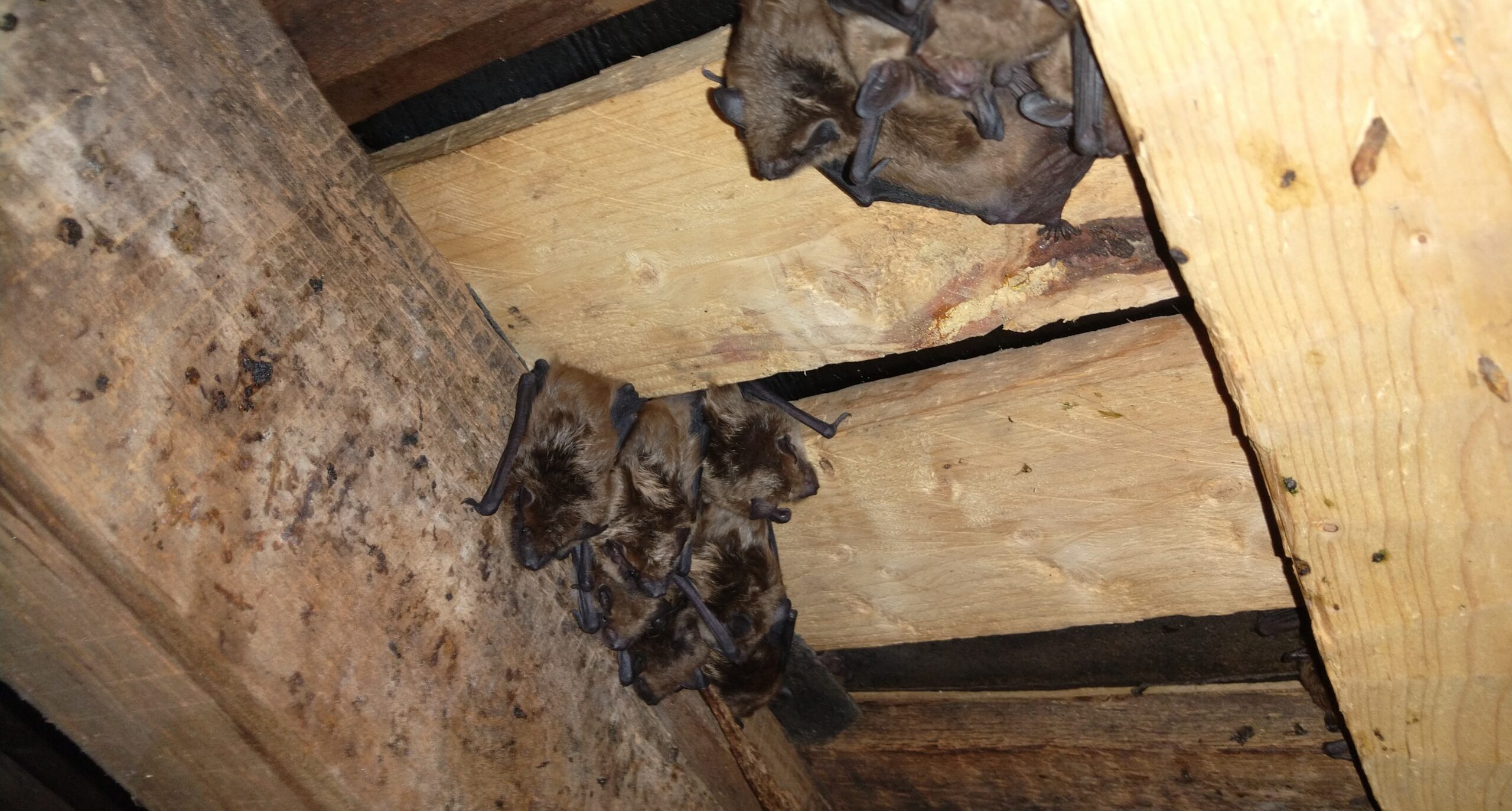
You should stay calm, leave the room, keep people and pets away, and close the interior door if you can do so without approaching the bat. Do not touch, chase, strike, or try to catch it. Call us at Skedaddle so a trained professional can remove it safely.
The next step also depends on whether direct contact may have occurred. A bite, scratch, or saliva entering a wound, mouth, nose, or eyes may create a rabies concern. You should contact Niagara Region Public Health promptly if contact happened or if you are not sure.
An indoor sighting may be an isolated event, but it can also point to an attic roost or hidden roof opening. Homeowners should not search the attic, clean droppings, or seal possible entry points. At Skedaddle Humane Wildlife Control in Niagara, we inspect the home and handle the work for you. In this blog, we explain how to isolate the room, assess possible exposure, contact public health, arrange professional removal, and prevent another entry.
What Should I Do if a Bat Gets Into My House?
Leave the room, keep people and pets away, close the interior door if it is safe to do so, and contact us at Skedaddle for professional removal. Do not move closer to the bat to take a photograph or determine where it landed. Keeping your distance lowers the chance of direct contact.
Do not swing an object, throw a towel, or try to catch it. These actions may cause the bat to fly into another room or make contact with someone. A professional has the training and equipment needed to manage the situation.
Possible exposure changes what happens next. If anyone may have been bitten, scratched, touched, or exposed to saliva, contact a doctor and Niagara Region Public Health. Do not release the bat because public health may need it to be collected for testing.
Isolate the Room Without Approaching the Bat
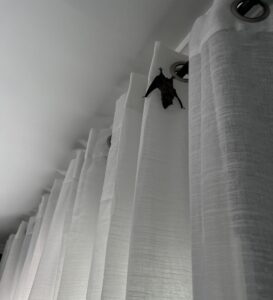
Limiting access to the room can protect the rest of the household. Any action should only be taken when it does not require someone to move close to the bat. Once the area is isolated, leave it undisturbed while help is arranged.
- Leave Calmly: Walk out of the room without chasing or striking the animal. Quick movements may cause it to fly into another part of the house. Once you are outside the room, remain there.
- Close the Interior Door: Close the door only if you can reach it without moving near the bat. This may keep it within one room while our team travels to your home. Do not enter again to check where it has landed.
- Keep Children Away: Children should not enter the room or try to look for the bat. A small bite or scratch may be difficult to see. Tell public health if a child may have had direct contact.
- Protect Pets: Keep pets outside the affected room. A pet may chase, catch, or bite the bat and create another possible exposure. Contact a veterinarian if the two may have touched.
- Remember Where It Was Seen: Note the last known location from outside the room if possible. Do not search behind curtains, furniture, or stored items. This information can help our technicians begin removal safely.
If the animal moves into another part of the house, continue to keep people and pets away. Do not follow it through the home. Tell our team where it was last seen when you call.
Why Direct Contact Must Be Avoided
Bat teeth and claws are small, so a bite or scratch may not always be clear. Rabies can spread when infected saliva enters the body through a bite, scratch, open wound, mouth, nose, or eyes. This is why direct contact must be taken seriously.
Seeing a bat in the home does not always mean that exposure occurred. Niagara Region Public Health defines bat exposure as direct contact together with a bite, scratch, or saliva exposure. However, public health should assess situations in which the details are uncertain.
Young children and adults who cannot give a reliable account need special care. They may not be able to explain whether touching occurred or where a mark came from. Homeowners should not make this medical decision without professional guidance.
Situations That May Require Public-Health Advice
Rabies is almost always fatal after symptoms begin, but prompt care after exposure can prevent the disease. You should not wait for someone to feel sick before making a call. Public health can review the details and decide what action is needed.
- A Known Bite or Scratch: Wash the affected area with soap and running water for 15 minutes. Contact a doctor and Niagara Region Public Health promptly. Do not delay the call while waiting to see whether a mark changes.
- Direct Touching or Landing: Contact may have occurred if the bat landed on or touched someone. Saliva entering a wound, mouth, nose, or eyes also creates concern. Public health should assess the event.
- A Sleeping Person: Finding a bat in a bedroom does not by itself prove exposure under current Niagara guidance. However, uncertainty about direct contact should be discussed with public health. Do not release the bat until they provide direction.
- A Young Child: A child may not notice or clearly describe a bite or scratch. Any possible direct contact should be reported. Public health can decide whether medical care or testing is needed.
- An Adult Unable to Explain the Event: Illness, disability, medication, or intoxication may prevent someone from giving a reliable account. Possible contact in this situation deserves prompt review. Explain the circumstances clearly when calling public health.
- Contact Involving a Pet: Call a veterinarian if a pet caught, touched, or shared the room unsupervised with the animal. The veterinarian will review the pet’s vaccination history and possible exposure. Household members should also report any possible human contact.
Niagara Region Public Health can be reached at 905-688-8248 ext. 7590 during regular hours. Its listed after-hours numbers are 905-984-3690 and 1-877-552-5579. A doctor or public-health professional must determine whether rabies treatment is required.
Why the Bat Should Not Be Released After Possible Contact
Releasing the bat may remove the chance to test it when an exposure could have occurred. Test results may help public health decide what medical response is needed. Keep the room closed and wait for professional instructions.
Homeowners should not try to catch or contain it. Doing so could cause another bite or scratch and make the situation more difficult. At Skedaddle, we can complete the physical removal and follow the direction provided by health authorities.
If no direct contact occurred, public health may provide different advice. However, uncertainty should be discussed before the bat is released. Medical decisions should never be based on a guess or the lack of a visible mark.
One Sighting May Point to a Hidden Entry Route
One bat may have flown through an open door or window. It may also have travelled from an attic, wall, chimney, soffit, or roof space. A professional inspection is needed to tell the difference.
- Roof and Soffit Gaps: Narrow openings near roof edges can lead into an attic. They may be difficult to see from the ground. Our team inspects the full roofline without asking homeowners to climb.
- Loose Vents: Damaged vents or screens may provide access to roof and wall spaces. Droppings or dark marks around the opening may show repeated use. The vent should not be covered before the connected space is inspected.
- Chimney Openings: An uncapped or damaged chimney may provide a sheltered route. A bat can later enter the living space through a fireplace or wall connection. We confirm that the chimney is empty before installing protection.
- Wall and Utility Gaps: Small spaces around pipes, wires, siding, or trim may lead into hidden cavities. A bat can travel through these areas before appearing indoors. Skedaddle traces the route from the room to the exterior.
- Doors and Windows: An isolated visit may happen through an open or unscreened entrance. However, this should not be assumed when other warning signs are present. Repeated sightings may point to a larger roosting problem.
Closing the first gap you notice may trap other bats inside. The visible opening may also be different from the route they normally use. Our inspection identifies every active and vulnerable area before exclusion begins.
Signs of a Larger Bat Problem
A single indoor sighting may be connected to a roost elsewhere in the building. Chirping, fluttering, scratching, droppings, dark stains, and repeated flights near the roofline can point to regular activity. The main roost may be far from the room where the bat appeared.
Homeowners should not enter the attic or handle droppings. Disturbing dry waste can release contaminated particles, while bats may remain hidden in narrow spaces. Skedaddle assesses the area with proper equipment and protective measures.
The season also affects what may be present. A summer maternity roost can contain young bats that are not ready to fly, while winter activity may involve one disturbed from hibernation. Our team determines the roost status and correct timing for removal.
What a Professional Inspection Checks
The room where the bat appeared provides only one clue. Our professional wildlife team examines the living area, attic, roofline, and exterior building materials. We connect the indoor sighting with possible roosting and entry areas.
- The Immediate Room: We locate and safely remove the animal without asking homeowners to assist. Our technicians also check for openings around fireplaces, vents, trim, and ceiling connections. These details may explain how it reached the living space.
- Attics and Roof Spaces: We look for droppings, staining, sounds, nesting areas, and repeated movement. The evidence can show whether one bat entered or a larger group is present. Homeowners do not need to enter the attic.
- Exterior Openings: Roof joints, soffits, fascia, vents, chimneys, siding, and utility connections are checked. Some openings may be small or hidden behind exterior materials. We determine which route is active before installing exclusion.
- Contaminated Areas: Droppings and affected insulation may remain after removal. Our findings show which spaces require cleaning or restoration. You will not be asked to touch or remove the material.
- Other Weak Points: Protecting one opening may not prevent another entry if similar gaps remain. We inspect the whole building rather than focusing only on the first problem. This creates a more complete prevention plan.
Bat Activity in Niagara Homes
Niagara contains older homes, barns, mature neighbourhoods, vineyards, farms, wooded spaces, and waterways. Roof gaps, soffits, chimneys, vents, and wall cavities can provide protected roosting locations. Buildings near natural feeding areas may receive more activity after dark.
The region’s changing seasons and lake-influenced weather affect movement. Warm summer nights support feeding, while cold conditions may send bats into protected spaces. An indoor sighting may occur when one becomes lost or moves out of a hidden roost.
Niagara Region Public Health lists bats among the region’s main rabies concerns. This does not mean that every bat carries the virus, but possible direct contact must be taken seriously. Residents should rely on public-health advice and professional removal.
Bat Removal and Prevention with Skedaddle
Our professional wildlife team safely removes the bat from the living area and inspects the home for a larger roost. We check attics, rooflines, soffits, vents, chimneys, siding, and wall connections. The inspection also identifies contamination and structural damage.
Removal timing depends on the season and whether flightless young are present. When appropriate, we install one-way doors that allow bats to leave but prevent re-entry. We do not seal an active roost while dependent young remain inside.
After removal, we clear contaminated material, clean the affected space, restore damaged areas, and secure entry points. At Skedaddle Humane Wildlife Control in Niagara, we handle every stage without asking homeowners to touch a bat, enter an attic, or clean droppings.
Frequently Asked Questions
Does one bat mean there are more in the house?
One bat does not always mean that more are living inside your home. It may have entered through an open door, window, or small gap by mistake. However, repeated sightings, chirping sounds, droppings, dark stains, or regular flights near one roof opening may point to a hidden roost. Skedaddle can inspect your home to find out what is present and where they may be getting inside.
Can a bat bite without someone feeling it?
Yes, a bite or scratch may be difficult to notice because their teeth and claws are very small. Any known or possible direct contact should be discussed with Niagara Region Public Health as soon as possible. This is especially important when a child or another person cannot clearly explain what happened. You should not wait for signs of illness before seeking medical advice because early care is important.
Should a bat be released after someone was sleeping in the room?
The bat should not be released until public health has reviewed the situation. Being asleep in the same room does not automatically mean that contact occurred, but a sleeping person may not know whether they were touched. Children and people who cannot give a clear account may also need special review. Keep people and pets away, close the room if you can do so safely, and wait for professional instructions.
Does every bat carry rabies?
No, most bats do not carry rabies. However, you cannot tell whether one is infected by looking at its appearance or behaviour. Rabies is very serious once symptoms begin, so any possible contact must be assessed quickly. Niagara Region Public Health can review the event and explain whether medical care or testing is needed.
Should bat droppings be vacuumed?
No, you should not sweep, vacuum, touch, or move bat droppings. Dry material can break apart and release contaminated dust into the air. The affected space may also contain urine, damaged insulation, nesting material, or hidden entry points. Skedaddle can assess the area and complete professional cleaning and decontamination when required.
Who should remove a bat from a Niagara home?
Our trained wildlife professionals should handle the physical removal and inspect the building. Skedaddle can determine how the bat entered, check for a hidden roost, and identify other weak areas around the home. Our team can then complete humane removal and install prevention materials, including one-way doors when appropriate. Public health and health-care professionals should address any possible bite, scratch, or other medical exposure.
Stay Calm and Make the Right Calls
You should leave the room, keep people and pets away, and close the interior door if you can do so safely. Do not touch, chase, strike, catch, or release the bat. Call Skedaddle for removal and Niagara Region Public Health if direct contact may have occurred.
A bite, scratch, or saliva entering a wound, mouth, nose, or eyes can create an exposure concern. Situations involving young children or adults unable to describe what happened require special attention. Washing an exposed area and seeking prompt medical guidance are important after known contact.
One indoor sighting may also point to an attic roost, chimney opening, loose vent, damaged soffit, or small roof gap. At Skedaddle Humane Wildlife Control in Niagara, we handle professional removal, inspection, one-way exclusion when appropriate, cleanup, restoration, and prevention. We make sure the building is empty before entry points are secured.
Contact us to request an estimate and learn more about safely removing bats and preventing another entry into your Niagara home.

 Loading...