You should have your roofline, attic, vents, chimney, exterior walls, foundation, garage, decks, sheds, and yard checked before winter. Falling temperatures make warm, dry buildings more attractive to mice, rats, raccoons, squirrels, skunks, birds, and bats. A small gap may provide access to a much larger space inside your home.
Fall is also a good time to find damage caused by summer storms, heavy rain, and normal wear. Loose vents, damaged soffits, foundation cracks, and open spaces beneath decks can all become winter entry points. However, a suspected entrance should never be sealed until the structure has been checked for current occupants.
You can watch for visible warning signs from a safe place, but you should not climb onto the roof, enter a crawlspace, or handle droppings. At Skedaddle Humane Wildlife Control in Coquitlam, we complete the detailed inspection and physical work for you. In this blog, we cover the areas included in a fall wildlife-proofing checklist, signs of current activity, and the professional steps used to protect a home before winter.
What Do I Need to Do to Prep My House for Winter?
Preparing your home for winter should include a professional inspection of the building’s exterior. The roofline, foundation, vents, garage, chimney, and ground-level structures should all be checked for damage. Our team can also look for evidence that wildlife is already inside.
Basic winter maintenance and wildlife prevention often support each other. A blocked gutter can lead to moisture damage, while rotting fascia may create an opening near the attic. Foundation cracks and loose vent covers can also become access points.
You should not seal a hole as soon as you find it. An adult or dependent young may remain inside the attic, wall, chimney, or crawlspace. Humane removal must happen before lasting exclusion work begins.
Roofline and Attic Areas That Need Inspection
The upper part of your home contains many vents, seams, and roof connections. These areas can be difficult to inspect safely from the ground. Our professionals should examine the full roofline instead of checking only one visible concern.
- Chimney and Cap: A chimney should have a secure cap that allows smoke and air to leave while blocking entry. Damaged screening or an open top may lead into the chimney. Our team also checks whether anything is already inside before protection is installed.
- Roof and Exhaust Vents: Bathroom, kitchen, dryer, and attic vents can provide warmth and shelter. Loose covers, damaged screening, and gaps around the base may allow access. Nesting material can also affect airflow and must be professionally assessed.
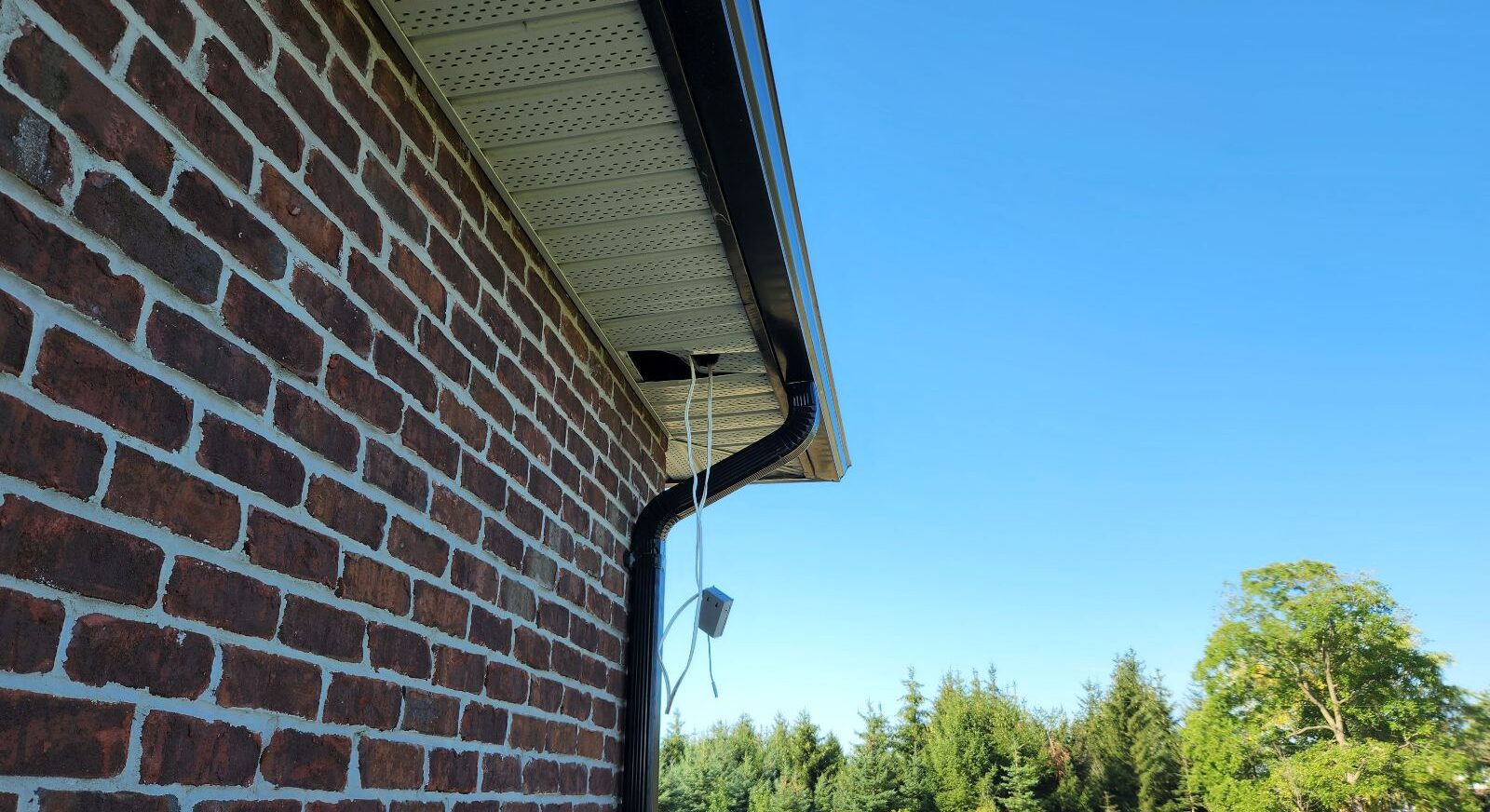
- Soffits and Fascia: Lifted soffit panels and damaged fascia may create openings along the roof edge. Corners and overhangs are easy to miss from below. A small gap can lead directly into the attic or another hidden roof space.
- Shingles and Roof Edges: Missing or lifted shingles may expose roofing material beneath them. Weak roof edges can become easier to enter when damage grows. You should not climb onto the roof to inspect these areas yourself.
- Dormers and Roof Intersections: Dormers, valleys, additions, and attached garages create complex seams. Different roof sections may shift or wear at different rates. Our technicians inspect these hidden connections for gaps and signs of use.
A quiet attic should not be assumed to be empty. Activity may occur only at certain times of day or during certain weather. Our inspection compares sounds, droppings, stains, damage, and exterior evidence before repairs begin.
Exterior Walls, Utilities, and Foundation Openings
Ground-level gaps can lead into basements, crawlspaces, walls, and utility rooms. Many are partly hidden behind siding, equipment, or landscaping. The entire perimeter should be checked before winter.
- Foundation Cracks and Sill Gaps: Soil movement and age can create cracks in concrete or masonry. Spaces may also form where the foundation meets the wall above it. Even a small opening may connect to a larger hidden cavity.
- Utility Penetrations: Electrical cables, plumbing, heating lines, and internet connections pass through exterior walls. Extra space may remain around these features. These openings can provide direct routes into basements or wall voids.
- Brick Weep Vents: Weep vents allow moisture to escape from brick walls. They should not simply be filled because the wall still needs drainage and airflow. Our professionals can protect these openings with suitable exclusion materials.
- Siding and Material Seams: Brick, siding, wood, and metal expand and shrink at different rates. Gaps can form where these materials meet. Seasonal temperature changes may make an existing seam wider.
- Crawlspace Openings: Damaged vent screens or loose access covers can expose the space beneath your home. Crawlspaces are dark, protected, and difficult to inspect safely. You should never enter one when activity or contamination is suspected.
One exterior hole may not be the only opening. Wildlife may enter at the foundation and then move through walls or ceilings. Our team follows the evidence to understand how the full route connects.
Garages, Decks, and Other Ground-Level Structures
Several structures around your home can provide shelter before temperatures fall. Some offer a direct route indoors, while others create denning space close to the house. Each area must be confirmed empty before it is secured.
- Attached Garages: Worn door seals and uneven thresholds can leave openings around a garage door. Gaps around pipes, wires, and shared walls may then lead toward the house. Stored food or clutter can also hide signs of activity.
- Decks and Porches: Low decks and raised porches may contain quiet, protected cavities. Disturbed soil or repeated movement near one opening may point to a den. Never block the entrance because an adult or dependent young may be inside.
- Sheds and Outdoor Buildings: A shed raised above the soil can provide a dry space underneath. Open edges may also allow entry into the building itself. Low foot traffic can make these areas feel even safer.
- Steps and Additions: Concrete steps, sunrooms, and extensions create seams where they meet the main structure. Soil may shift beneath them and expose a narrow gap. What looks small from outside may lead to a deeper cavity.
Fall is an important time to check these sheltered areas. An opening that seems unused on a mild day may become more attractive during a cold snap. Professional confirmation prevents an occupied space from being closed too soon.
Yard Conditions That Can Bring Wildlife Closer
Food, water, and cover can draw wildlife close enough to find a building gap. Garbage, compost, outdoor pet food, fallen fruit, and spilled seed may support repeat visits. The shelter offered by a deck, shed, or garage can make the property even more attractive.
Trees and shrubs also affect how animals reach the home. Overhanging branches may provide access to the roofline, while thick plants can hide movement near the foundation. Leaf piles and stored materials may cover small exterior openings.
Gutters and drainage areas require attention as well. Leaves and debris can hold moisture against fascia, soffits, and roof edges. Over time, wet materials may rot and create new entry points.
A professional assessment considers the house and the conditions around it. This wider view helps explain why one area receives repeated activity. It also supports a prevention plan that addresses more than the first visible opening.
Signs Someone May Already Be Inside
Wildlife-proofing cannot begin by closing every gap. Existing occupants may already be inside an attic, wall, chimney, basement, or crawlspace. Several signs should lead to a professional inspection first.
- Scratching or Movement Sounds: You may hear movement above ceilings, behind walls, or beneath floors. The timing and location of the sound can provide clues. Noise alone cannot confirm what is present or how it entered.
- Droppings and Stains: Waste may appear near walls, storage areas, vents, or hidden travel routes. You should never touch, sweep, or vacuum droppings. Disturbing dry material can release contaminated particles into the air.
- Damaged Materials: Torn insulation, chewed wood, loose screens, and damaged vent covers can point to activity. Electrical wiring may also be affected, creating a safety concern. Damage can extend farther than the visible area.
- Unusual Odours: Urine, droppings, nesting material, or a hidden occupant may create an unpleasant smell. The odour may seem stronger near a wall, ceiling, or vent. Smell alone cannot locate the nest or entry point.
- Repeated Exterior Activity: Regular movement near one roof edge, chimney, vent, or foundation gap may identify an active route. One sighting may only involve a visitor passing through. A repeated pattern deserves a closer professional assessment.
Different signs can appear in separate parts of the home. An animal may enter near the roof but leave waste in the attic, or enter a garage before reaching a wall. A full inspection connects these clues.
Why Suspected Entry Points Must Stay Open Until Checked
A visible opening should not be sealed before a professional determines whether it is active. An adult may be resting inside or may have left for food. Closing the entrance during that time could trap it in the structure.
Dependent young create another concern. They may remain hidden while their mother is outside. Blocking her return can separate the family and cause distress.
A trapped animal may move deeper into walls, ceilings, or living areas while searching for another exit. It may also damage materials around the sealed opening. The result can be more serious than the original problem.
Our team first identifies the species, entry route, and family situation. Humane removal is completed before durable exclusion begins. This order protects your home without leaving wildlife trapped inside.
Why Fall Timing Matters in Coquitlam
Cooler fall nights increase the value of heated attics, garages, basements, and walls. Animals may begin exploring these places before winter arrives. Early inspection provides time to identify activity and weak areas.
Coquitlam can have mild fall stretches followed by sudden cold snaps. Outdoor activity may continue during warmer periods and shift toward buildings when temperatures fall. A gap found earlier can become a quick route indoors.
Fall rain and leaves can also hide damage or block drainage. Later freeze-and-thaw cycles may widen cracks and move building materials. Our professional assessment before winter can catch these concerns while the exterior remains easier to inspect.
Wildlife Removal and Prevention with Skedaddle
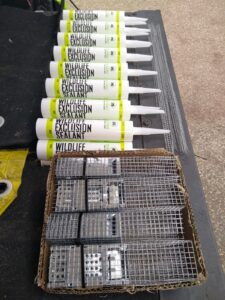 When wildlife enters your home, our professional team begins with a complete inspection. We examine the roofline, attic, chimney, vents, exterior walls, foundation, garage, decks, sheds, and crawlspaces. Our technicians locate active entrances and check for adults or dependent young. You do not need to climb or enter a contaminated space.
We then create a humane removal plan for the species and situation. When appropriate, our one-way doors allow wildlife to leave but prevent them from returning. We confirm that the structure is empty before closing the entry points. Skedaddle does not use live trapping or relocation.
Droppings, urine, nesting material, and damaged insulation may require professional attention. Our team can remove contaminated materials, clean affected areas, and assess damage. We then secure vulnerable openings with durable exclusion materials while preserving needed ventilation and drainage. This complete approach helps protect the home through winter and beyond.
Frequently Asked Questions
When should a fall wildlife inspection be scheduled?
Early fall is a useful time to schedule a professional inspection. It provides time to find damage before colder temperatures increase the need for shelter. However, active entry points must still be checked before repairs begin. The right timing depends on the species and whether dependent young are present.
What parts of a house are commonly overlooked?
Soffit corners, roof intersections, utility openings, garage edges, and areas beneath decks are often overlooked. These features may be hidden from normal view. A small visible gap may also connect to a larger space inside. Our professional inspection covers the whole exterior.
Can a small gap really let wildlife inside?
Yes, small openings can provide access to attics, walls, basements, and crawlspaces. Some animals need much less space than homeowners expect. Others may enlarge an existing weak area. The size of the outside opening does not show how much room is available inside.
Should an opening be sealed as soon as it is found?
No, the opening must first be checked for current activity. An adult or dependent young may remain inside the structure. Sealing too soon can trap them or push them into another part of the home. Humane removal must come before permanent exclusion.
Should homeowners clean droppings found during an inspection?
No, you should not touch, sweep, or vacuum droppings. Dry waste can release contaminated particles when disturbed. Nearby insulation and other materials may also be affected. Our trained professionals can remove the material and clean the area safely.
Does a quiet attic mean it is empty?
No, a quiet attic may still contain wildlife. Activity can happen at night, around sunrise, or during certain weather. An animal may also remain still while resting or caring for young. Our professional inspection is needed before the attic is considered clear.
Get Your Home Checked Before Winter Arrives
Your fall wildlife-proofing checklist should include the roofline, attic, chimney, vents, exterior walls, foundation, garage, decks, sheds, and yard. Drainage problems, loose materials, small gaps, and visible signs of activity all deserve attention before winter. However, finding an opening does not mean it is safe to close.
You should never climb onto the roof, enter a crawlspace, handle droppings, or seal a suspected entrance yourself. An adult or dependent young may already be inside. Removal and prevention must happen in the correct order.
At Skedaddle Humane Wildlife Control in Coquitlam, we can inspect your property, identify active entry points, complete humane removal, clean affected areas, and install lasting protection. Our team handles the physical work so you do not need to enter unsafe or contaminated spaces.
Contact us to schedule a professional assessment. You can request an estimate to learn more about fall wildlife-proofing and long-term prevention for your Coquitlam home.

 Loading...