
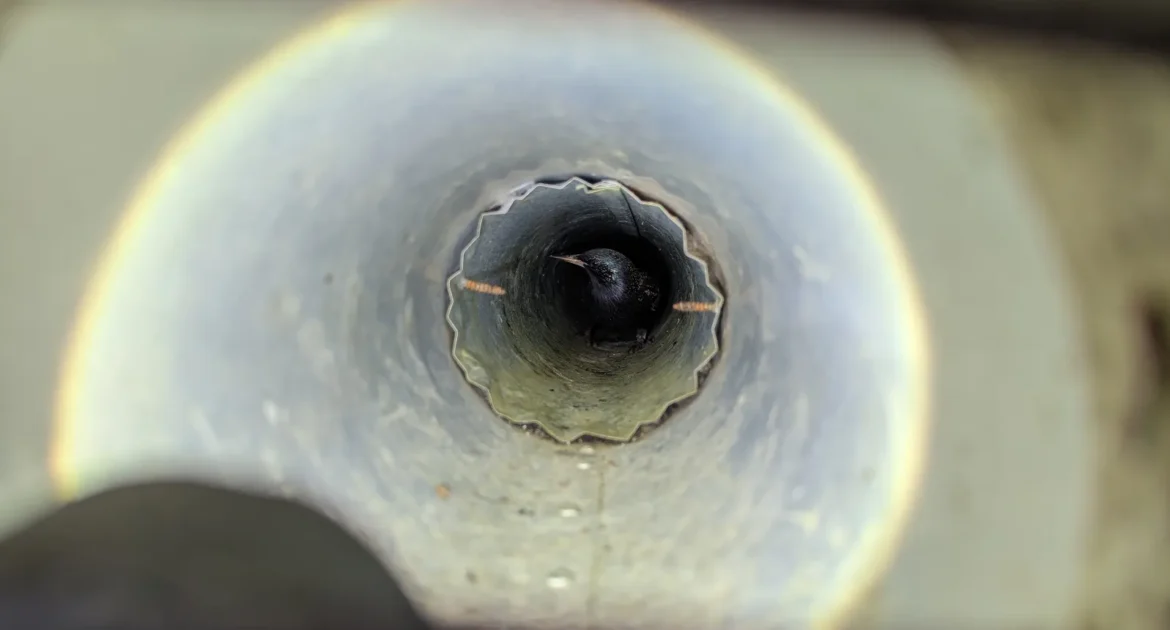
If you’ve noticed birds pecking at your house, it usually means they are searching for food, nesting materials, or safe places to roost. This behavior can signal that your property offers easy access, potential shelter, or abundant resources that attract local wildlife. While it may seem puzzling or harmless at first, repeated pecking can cause damage to siding, roofing, vents, and other exterior surfaces.
Understanding that birds are acting on natural instincts—and that your home inadvertently provides opportunities—helps you respond effectively. At Skedaddle, our expert team interprets these signs, protects your property from further harm, and provides humane, long-term solutions for birds removal and exterior bird management, ensuring your home stays safe and intact.
Why Birds Peck at Homes
It’s a common sight throughout neighborhoods near Stone Mountain—birds fluttering around eaves, pecking at siding, or tapping at vents. But why do they engage in this behavior? The answer often depends on the species and your property’s specific features.
- Nesting: Cavity-nesting species like starlings and sparrows are drawn to vents, eaves, and gaps, seeing them as prime nesting sites.
- Searching for food: Woodpeckers and other birds may target siding or trim to find insects hidden beneath the surface.
- Territory marking: Birds may see their reflection in windows or shiny surfaces and peck in response to perceived intruders.
- Communication and mating rituals: Pecking can be part of mating behavior or territory marking, especially in spring.
- Indicating hidden pests: Birds may signal underlying problems, such as insects or grubs within the structure.
Understanding the reasons for bird pecking can help identify whether you have an underlying issue like pest infestation or simply an inviting nesting environment. This insight is crucial before taking any next steps.
Immediate and Long-Term Damage from Bird Pecking
While the fluttering of wings and pecking sounds may seem harmless initially, birds attacking house structures can cause significant issues over time. The problems extend beyond surface appearance and can impact the safety and value of your property.
- Physical holes: Repeated pecking can create entry points in wood, siding, and vent covers, leaving your home vulnerable to water intrusion and other wildlife.
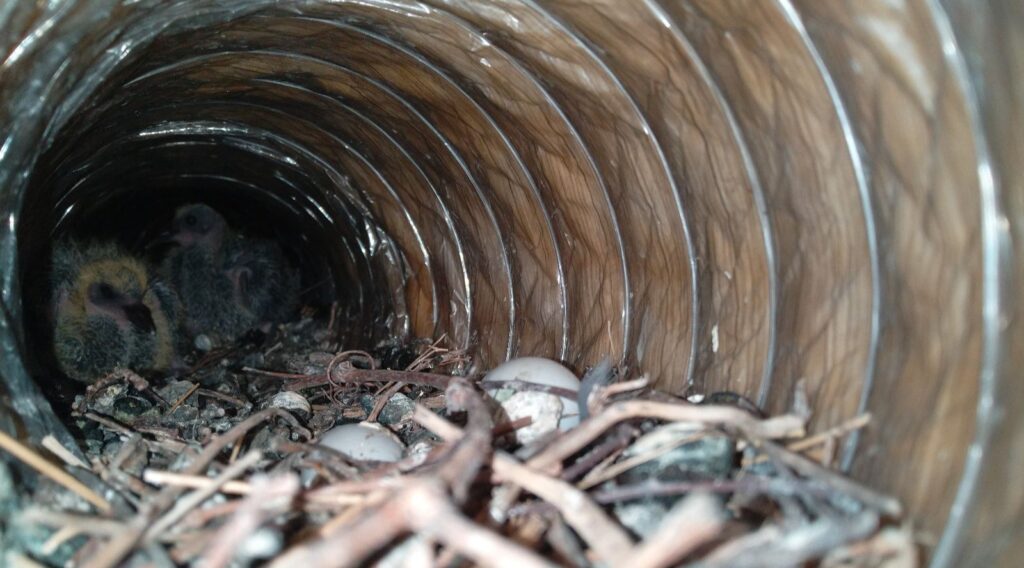
- Clogged vents: Birds nesting in bathroom or dryer vents may stuff openings with twigs, straw, and debris, increasing the risk of blockages and fire hazards.
- Structural weakness: Pecking at fascia boards, soffits, or support beams over time can lead to rotting wood and weakened structural materials.
Furthermore, staining and corrosion arise from bird droppings, which are highly acidic and can permanently stain sidings, brick, or stucco while encouraging mold and bacterial growth—posing health risks to humans and pets. Lastly, noise and disruption are common, as persistent tapping can be distracting, especially when it occurs early in the morning or near bedroom windows.
This damage isn’t always visible initially. Many homeowners discover issues during routine maintenance or when a sudden leak or pest problem arises. That’s why early detection and prevention are key.
Why Might a Bird Choose Your Home?
Birds don’t pick properties at random. They seek out certain features that suggest safety, shelter, or easy sources of food. If you notice frequent birds pecking at house elements, consider what might be attracting them. Unscreened vents and gaps provide easy access to interior spaces, while nearby trees or shrubbery offer overhanging branches that provide easy approaches to the roofline. Insect presence often attracts woodpeckers, as they are drawn to areas where they sense insect activity. Additionally, structures that offer warmth, like attics, chimneys, and soffits, become particularly appealing during fall and winter. Lastly, reflective surfaces often trigger territorial behavior during the mating season.
Recognizing these attractants enables a proactive approach to preventing bird damage and maintaining an undisturbed living environment.
Effective Techniques for Preventing Bird Damage
When it comes to preventing bird damage, a strategic, professional approach is essential. At Skedaddle, we combine knowledge of bird behavior and building construction to tailor solutions for each unique property in North Atlanta. Here’s how you can effectively deter birds from pecking at your house and avoid recurring issues.
Key Prevention Techniques
- Seal Entry Points: Secure all vents, soffits, and gaps with bird-proof screening or hardware cloth to remove easy access for birds looking to nest indoors.
- Maintain Rooflines and Siding: Repair damaged wood, loose siding, and cracked seals to eliminate weak spots that are attractive to birds and other animals.
- Install Physical Deterrents: Products such as netting, wire, or specific deterrent strips can prevent birds from landing or perching on ledges and beams.
- Use Visual Deterrents: Reflective tape, rotating mirrors, or moving objects may discourage birds temporarily, though professional exclusion is usually more reliable.
- Remove Food Sources: Address any insect infestations, keep outdoor eating areas clean, and trim back shrubs where birds may find shelter.
Implementing prevention as a layered approach often proves to be the most effective and sustainable way to protect your property.
Action Steps for Homeowners
If you’re tackling a bird problem, consider these actionable steps to minimize risk and nuisance:
- Inspect your property for signs of entry, such as droppings, nesting material, or unexplained holes.
- Contact Skedaddle for a professional inspection and tailored prevention plan.
- Schedule regular exterior maintenance, focusing on vulnerable areas along the roofline and exterior vents.
- Install exclusion materials with the help of trained technicians to prevent further access.
- Monitor for continued activity, especially during nesting seasons in spring and early summer.
Involving our team early in the process significantly increases your odds of a swift and safe resolution.
Signs Birds Might Be Indicating With Their Pecking
Birds use pecking as a method to communicate or signal their needs and intentions. Understanding these signals can provide homeowners with valuable insights about what’s happening on their property.
- Searching for a nest site: Birds spending time pecking at vents or eaves may be scouting locations to establish a nest.
- Foraging for food: Persistent tapping, especially by woodpeckers, can indicate an underlying insect or pest problem.
- Territory defense: Repeated pecking at reflections in glass or shiny surfaces is common during the spring mating season.
- Distress or confusion: Birds trapped in attics or between walls may make frantic noises and peck aggressively while trying to escape.
Recognizing these behaviors early allows you to intervene before issues escalate to expensive damage or persistent infestations.
Addressing Underlying Causes: A Dual-Action Strategy
In managing birds pecking at house structures, recognizing the potential link to underlying pest issues is crucial. Birds, such as woodpeckers and starlings, are often attracted to homes where insects have already established a presence. Simply discouraging birds isn’t enough; addressing pest infestations is often a necessary part of the solution.
Here’s how a dual-action approach boosts effectiveness: pest elimination involves treating wood-boring insects, termites, or ants that might be attracting birds to exterior surfaces. Home protection means sealing up former entry points to stop both bugs and birds from returning once pests are removed. Ongoing monitoring consists of regular checks for signs of insect or bird activity around the home.
Skedaddle provides both wildlife and exclusion expertise, helping you resolve both sides of the issue—ensuring you aren’t left dealing with recurring infestations or the costly damage that follows.
Skedaddle’s Approach to Safe, Effective Bird Removal
Homeowners near Stone Mountain trust Skedaddle for our thorough, humane bird removal and prevention strategies. Each situation is unique, so we begin by inspecting your property and identifying the bird species, their behavior, and all potential entry points.
Our comprehensive service includes assessing attic, vent, and roofline access for signs of bird and pest activity and safely removing birds, with special care for nests and baby birds. We professionally clean droppings and contaminated materials to prevent health risks, repair and reinforce affected areas, including screening and sealing, and deploy deterrents and exclusion products customized to your structure.
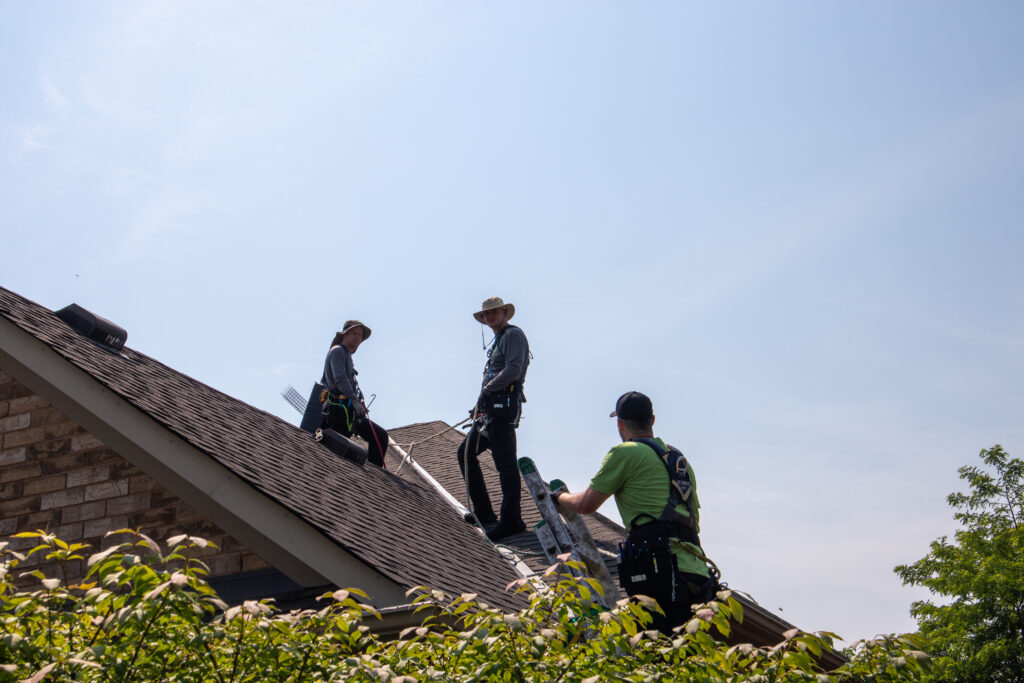
With ladders, safety gear, and decades of experience, our technicians can access and treat even the most hard-to-reach nesting areas. Backed by a lifetime guarantee, our service ensures your bird problem is solved and prevented—allowing you to enjoy peace of mind all year round.
Whether you’re struggling with persistent birds pecking at house siding, worried about nesting in your vents, or simply want to safeguard your property, we are ready to help. Your home or business stands tall in North Atlanta, and we’re here to ensure it stays protected, healthy, and bird-free for seasons to come.
Trust Skedaddle to Safeguard Your Home from Unwanted Bird Activity
Birds pecking at your home aren’t just an occasional nuisance—their actions can signal underlying issues, from hidden insect infestations to gaps that invite nesting and costly damage. Left unchecked, these persistent visitors can compromise your property’s structure, safety, and even the health of your family with hazardous droppings and blocked vents. Understanding what attracts these creatures and how their behaviors impact your home is crucial for timely, effective intervention.
Protect your investment with Skedaddle’s proven, humane approach. Our seasoned technicians don’t just remove birds; we address root causes, expertly clean contaminated areas, and implement long-lasting exclusion strategies. Don’t let birds undermine the comfort and security of your property. Reach out to Skedaddle today and ensure your home remains a safe, peaceful, and bird-free haven all year round.

 Loading...

