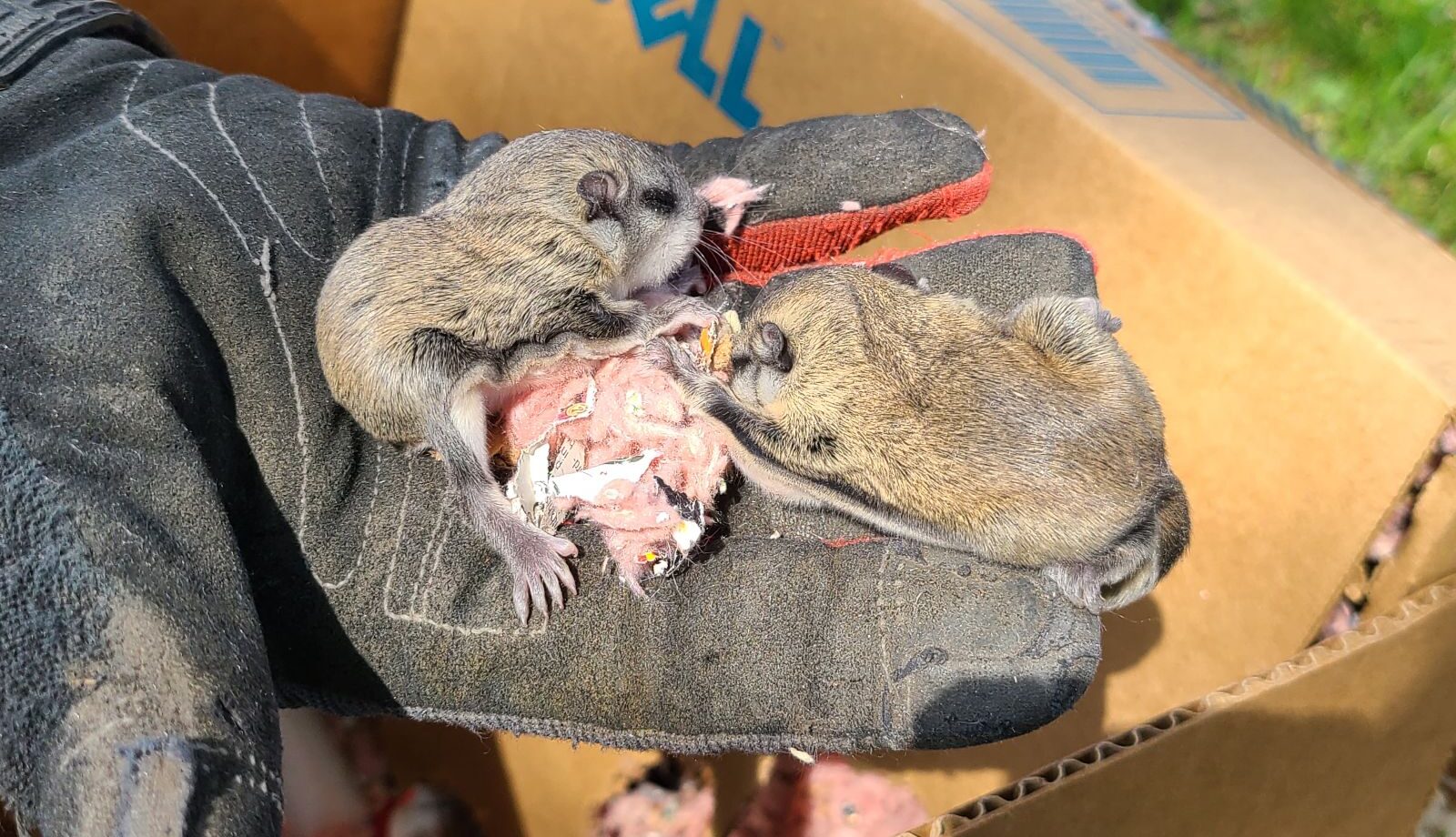
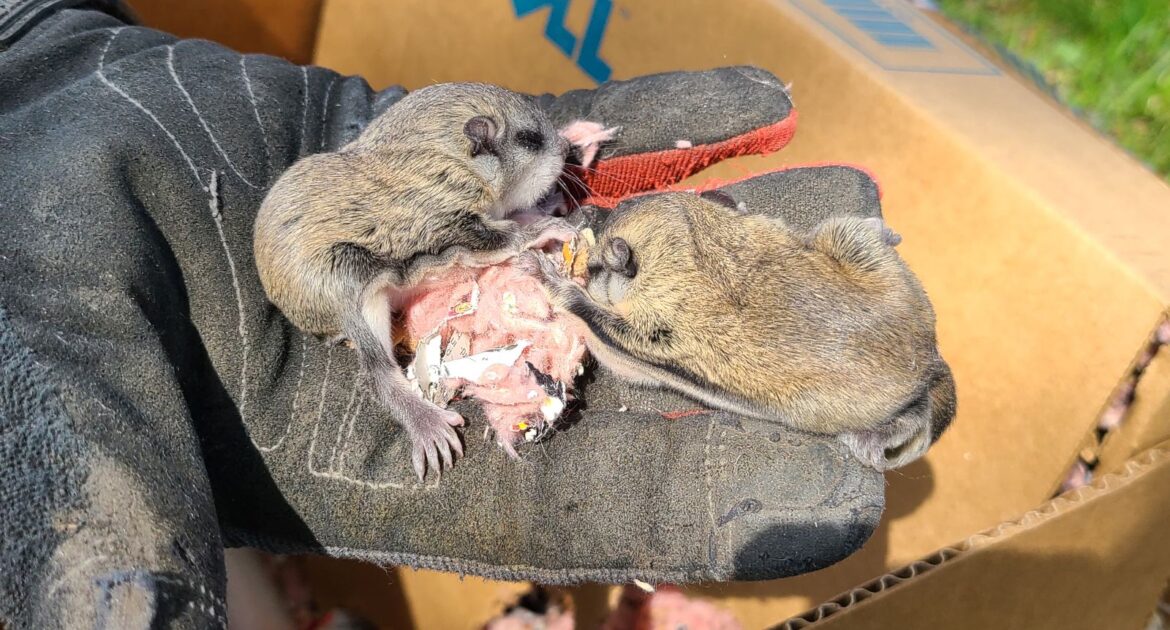
Winter days in Atlanta may feel mild at times, but nights drop fast. When that happens, many families start hearing soft scurrying, light tapping, or gliding sounds above the ceiling. These quiet noises often mean something has moved in. Flying squirrels in Atlanta attics become much more common during the winter, and the problem can grow quickly. You may wonder why this happens and why these animals choose attics over other places.
The answer is simple: winter changes everything. Cold weather pushes flying squirrels to find warm, safe, hidden spaces. Attics offer all of that, which is why winter flying squirrel problems rise across the city. You want to prevent flying squirrels in Atlanta, but first it helps to understand why they move inside and what makes your home the perfect target.
At Skedaddle Humane Wildlife Control in Atlanta, we see this pattern every year, and winter is always the busiest time. This guide walks through the biggest reasons why flying squirrels take over attics each winter and explains the conditions that make Atlanta homes so appealing.
Cold Weather Drives Them Toward Warm Attics
Winter nights create stress for wildlife. Flying squirrels stay active all year, but they cannot handle long hours of cold temperatures. When the temperature dips at night, they look for the warmest places they can find. Attics hold heat from the home below, which makes them one of the best shelter options in a neighborhood.
Even small temperature drops push them to explore new places. When they glide from tree to tree, they also scan for rooflines that feel warm or have vents releasing heat. A warm attic can draw them in quickly because they know it gives protection from the cold. Once one finds a good spot, others often follow. Their group behavior makes these winter entries happen fast, and attics become the top target during the coldest months.
Attics Offer Perfect Winter Shelter
Attics offer almost everything these animals want during the winter. The height, darkness, and structure make the space feel safe, and many Atlanta homes sit close to tall trees that give easy access to the roof. Once they glide onto the roofline, they can explore the attic area with very little risk.
The warmth inside the attic is one of the biggest reasons they move in. Rising heat from the home below gets trapped, keeping the space much warmer than the outside air. This allows them to rest, sleep, and nest without losing body heat. Attics also stay quiet because most people rarely go inside them. With little noise or movement, the space becomes an inviting place to settle and hide.
They also like that attics stay dry and protected from snow, wind, and rain. Soft insulation gives them material to burrow into, while beams and corners offer places to build nests. Because they often live in groups during winter, the open attic space gives them room to gather, store food, and stay warm together. This mix of warmth, safety, and shelter is why attics become their top winter home.
Winter Behavior Makes Attic Invasions More Likely
Their habits change when temperatures drop. This shift in behavior increases indoor activity and makes invasions more likely.
Here are some winter habits that play a big role:
- Longer Night Travel: Cold weather forces them to travel farther at night to find shelter and food. When they glide across neighborhoods, they test more roofs and openings. This extra movement increases the chances of finding an attic entrance.
- Searching for Heat Sources: Warm air escaping from vent openings, roof gaps, or chimneys helps guide them. They follow heat the same way people follow a warm breeze when stepping outside.
- Choosing High Spaces: Flying squirrels prefer high, protected spots so they’re safe from predators. Attics are the highest indoor space in a home, which makes them the perfect place to settle during winter.
- Returning to Familiar Homes: If they found a warm space in past years, they may return. Winter routines are strong, and they often repeat travel patterns each season.
These behaviors explain why winter flying squirrel problems feel more intense compared to the rest of the year.
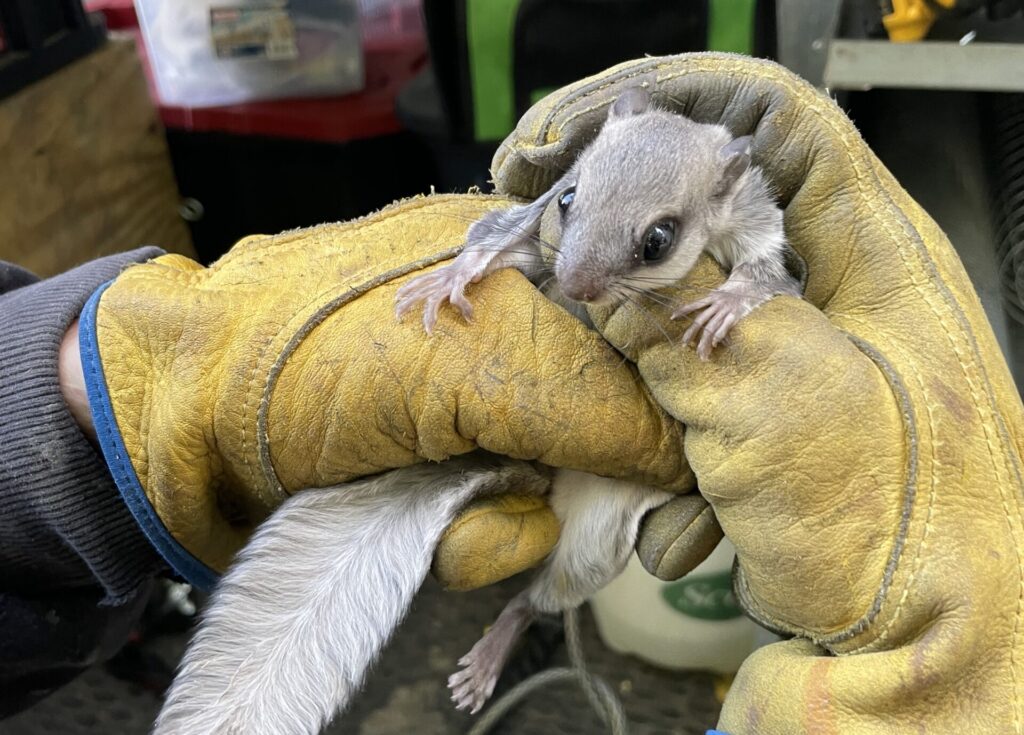
Atlanta’s Tree Cover Gives Them Easy Access
Atlanta is known for its large tree canopy. While beautiful, it creates prime travel routes for wildlife. Flying squirrels glide from branch to branch at night, and many neighborhoods sit right beside wooded areas.
This makes homes especially vulnerable for a few reasons:
- Close Trees Make Landing Easy: When branches hang over the roof, it becomes a direct path. They don’t need to climb walls or search for footholds. A short glide and they’re already exploring the roofline.
- Healthy Forests Mean Large Populations: More trees lead to more natural nesting spots in warmer seasons. When winter arrives, those same populations look for backup shelter.
- Connected Tree Lines Let Them Move Quietly: Linked branches allow them to cross entire neighborhoods without touching the ground. This helps them reach several roofs in one night.
Atlanta’s natural landscape plays a huge part in why flying squirrels in Atlanta attics rise so sharply each winter.
Urban Development Pushes Them Into Homes
As the city grows, more natural habitat is cleared. Flying squirrels that once lived in tree hollows now have fewer safe places to go. Winter makes this problem even worse. When food becomes limited and hollow trees fill up, they search for replacements.
Attics act as these replacements because they mimic what the animals used before:
- High nesting location
- Warm interior
- Safe walls to hide in
- A roof for protection
This loss of natural shelter pushes them into human spaces. Even homes far from forests experience this problem because flying squirrels can glide impressive distances. Their adaptability means they quickly choose attics as long as openings exist.
Tiny Winter Gaps Create Big Entry Points
Winter changes structures in subtle ways. Wood contracts, shingles shift, and vents loosen. Even a small gap becomes a doorway for wildlife.
Here are the most common winter entry points into attics:
- Shrinking Wood Around Roof Edges: Cold air makes wood tighten, leaving narrow openings that were sealed in warmer months. These changes are small but enough for flying squirrels to slip through.
- Vents With Loose Screening: Old or damaged screens push open with very little pressure. Winter winds can weaken them even more, letting wildlife get inside.
- Gaps Around Utility Lines: Where wires or pipes meet the house, insulation sometimes separates. This space becomes a hidden path into the attic.
- Storm Damage Left Unrepaired: Previous storms may have bent flashing or lifted shingles. Winter moisture worsens this damage, creating more access points.
Most homeowners cannot see these openings from the ground, which is why invasions often feel sudden.
Why Winter Infestations Grow So Quickly
Once inside, the problem rarely stays small. Winter makes flying squirrels settle deeper into attics, and several factors cause infestations to grow rapidly.
Attics let them stay hidden, move freely, and gather in groups for warmth. Their nighttime schedule keeps them active while the family sleeps. This gives them hours each night to move insulation, build nests, and explore the space.
Winter also raises the number of animals using the attic at the same time. Their group behavior makes them more social during cold months. That means:
- More movement
- More noise
- More damage
- Faster spread into different parts of the attic
One flying squirrel rarely stays alone during winter. Before long, several may enter the same space, and the infestation grows faster than many homeowners expect.
How Skedaddle Helps Prevent Flying Squirrels in Atlanta
This is not a problem homeowners can handle on their own. These animals move quickly, hide well, and enter through places most people never see. At Skedaddle, we use safe, humane methods to remove them and protect your home for the long term.
We inspect every part of the roof and attic to find openings, nests, and hidden travel paths. We install humane one-way doors that let flying squirrels leave but block them from returning. Then we secure the structure so winter flying squirrel problems do not come back. You get expert support, clear guidance, and long-lasting protection handled by trained professionals.
A Warm, Quiet Home Without Winter Guests
Flying squirrels in Atlanta attics spike during winter because the season gives them reasons to seek heat, shelter, and safety. Their gliding ability, group behavior, and nighttime habits make attics the perfect winter home. You deserve a peaceful space without unwanted noise or damage. Winter flying squirrel problems will not solve themselves, and the safest way to prevent flying squirrels in Atlanta is with trained help.
Our team at Skedaddle Humane Wildlife Control in Atlanta is ready to protect your home using humane, effective methods. We understand how these animals move, where they hide, and how to secure your home for good.
Request an estimate to learn more, and let us help you enjoy a safer, warmer home this winter.

 Loading...