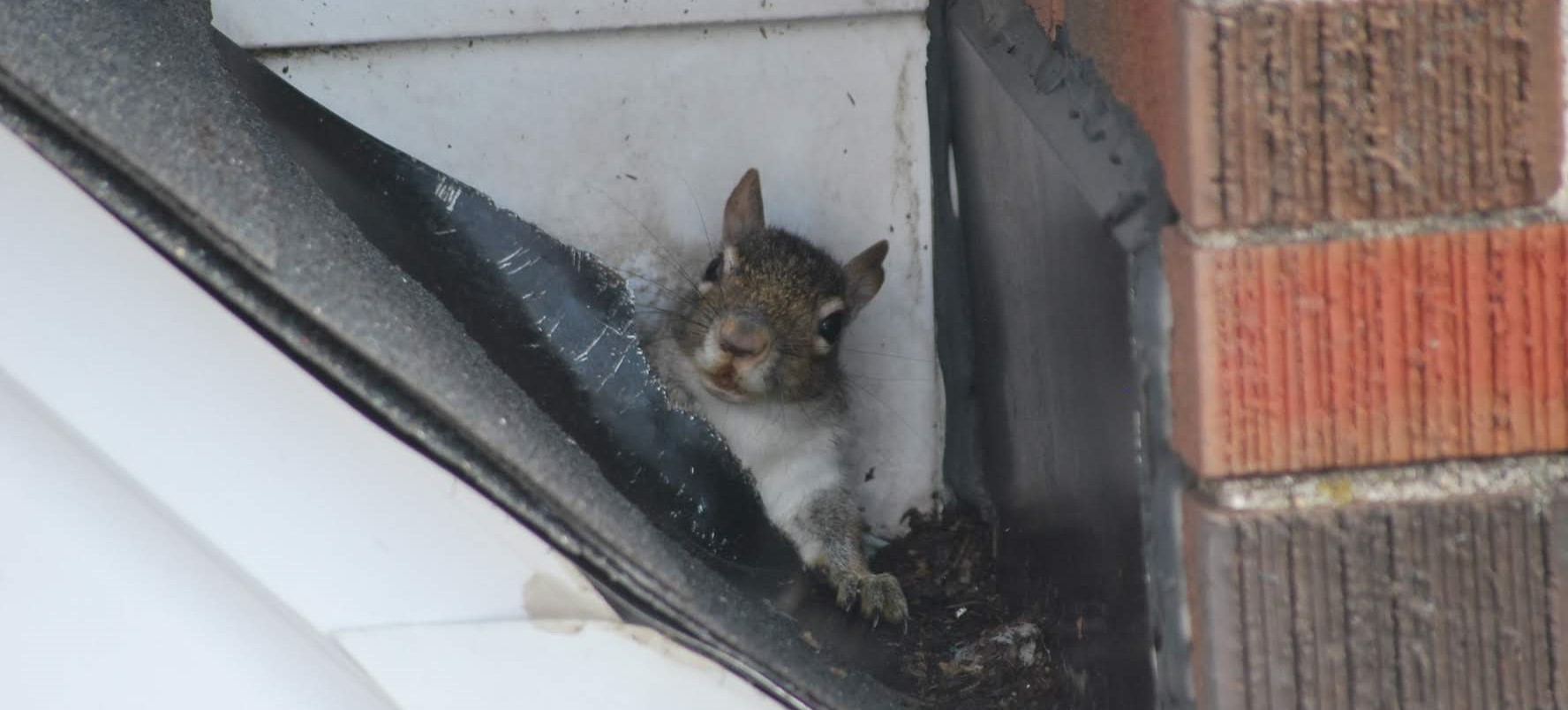
You may notice strange sounds, shifting insulation, or activity near the roofline and wonder how animals keep getting inside. Entry doesn’t happen by accident. Small gaps, weak building materials, and hidden openings create opportunities, especially during colder months. Once an animal finds a warm, quiet space, it will keep returning unless that access is properly addressed.
You don’t need to guess how wildlife gets into homes. Entry follows clear patterns, and sealing a home properly means understanding where those weak points are and why they fail. Effective home sealing for wildlife prevention focuses on blocking access without causing harm. When done correctly, wildlife-proofing your house protects the structure, reduces repeat issues, and keeps animals from returning season after season.
At Skedaddle Humane Wildlife Control in Oakville, we focus on long-term prevention, not short-term fixes. Below, you’ll see how wildlife entry happens, which areas are most vulnerable, and how sealing a home properly reduces risk over time.
Why Wildlife Entry Happens in the First Place
You may assume animals break in, but most entry happens through openings that already exist. Homes shift, materials age, and weather slowly creates gaps that are easy to exploit. Animals don’t need large holes. Many can enter through spaces no bigger than a few inches.
You’re more likely to see entry during colder months when natural shelter becomes scarce. Warm air escaping from the home signals safety, while quiet spaces provide protection from wind and snow. Once access is found, activity increases unless that opening is properly sealed.
Understanding how wildlife gets into homes is the first step toward preventing repeat problems.
Rooflines and Attic Openings Are Common Entry Points
You may not spend much time thinking about your roofline, but it’s one of the most common access areas on a home. Shingles lift, soffits weaken, and vents loosen as materials age and weather takes its toll. Because these areas are exposed year-round, even small issues can turn into larger openings over time.
- Damaged Shingles and Soffits Create Easy Access: Wind, ice, and aging materials can loosen shingles and soffits along the roof edge. Once a small gap forms, animals may push or pull at it during repeated visits. Over time, that minor damage can widen and become a regular entry point. What starts as normal wear can quickly lead to ongoing access.
- Unsecured Roof and Gable Vents Attract Activity: Roof and gable vents release warm air, which is especially noticeable during colder months. Many vents are made from lightweight materials that can shift or weaken over time. Without proper protection, these vents become easy access points that animals return to again and again. Continued use increases the risk of blockage and interior damage.
- Chimney Openings Offer Direct Shelter: Open or damaged chimneys provide warmth, darkness, and protection from predators. Animals can enter easily and remain hidden inside the structure. Without proper barriers in place, chimneys continue to invite repeat activity. Securing these openings helps prevent long-term use.
Proper wildlife-proofing your house means protecting rooflines, vents, and chimneys as a complete system, not fixing one spot at a time.
Gaps Along Walls and Foundations Go Unnoticed
You may not notice small openings along walls or the foundation, but animals notice them right away. Pipes, wiring, and utility lines often leave small gaps where they pass through the structure. Over time, weather, moisture, and normal movement cause these spaces to grow larger.
- Utility Gaps Expand With Weather and Movement: As temperatures change, building materials expand and contract. These shifts slowly widen gaps around pipes and cables. Once animals find these openings, repeated use makes them easier to access. What starts as a tight space can turn into a regular entry point.
- Cracks in Foundations Invite Burrowing Behaviour: Small foundation cracks may not seem serious at first, but they offer access to sheltered areas beneath the home. Animals looking for warmth or protection often use these cracks to reach hidden spaces. Once an entry route is established, it tends to be reused year after year. Early sealing helps prevent long-term damage.
- Siding Damage Creates Hidden Openings: Loose, warped, or damaged siding can hide gaps that aren’t visible from the outside. Animals can move behind these surfaces without being seen. Activity often continues until insulation or interior walls are affected. Proper sealing stops access before the damage spreads.
Sealing these areas correctly plays a major role in home sealing for wildlife prevention.
Doors, Windows, and Exterior Transitions Matter
You rely on doors and windows to seal tightly, but wear and tear reduces their effectiveness. Small gaps along frames allow animals to squeeze inside without being seen.
You’re more likely to see problems when weather stripping wears down or frames shift. These entry points don’t always lead directly indoors but often allow access to wall cavities or insulation spaces.
Addressing these transition points strengthens wildlife-proofing your house and reduces hidden movement inside the structure.
Yard Features Can Create Access Paths
You may not realize how your yard connects directly to your home. Overhanging branches, fences, and nearby structures can act like bridges that make access much easier. When these paths stay in place, animals can reach the home without touching the ground, increasing the chance of entry over time.
- Tree Limbs Provide Direct Roof Access: Branches that hang close to the roof make it easy for animals to reach upper areas of the home. Once that path is used a few times, it becomes familiar and dependable. Over time, repeated use can lead to damage along roof edges, vents, or soffits. Cutting off this access reduces how often animals return to the same spots.
- Decks and Porches Create Sheltered Entry Zones: Spaces beneath decks and porches offer cover from wind, snow, and predators. These sheltered areas often sit close to foundation walls, where small gaps or cracks may already exist. When animals use these zones regularly, the risk of entry through the foundation increases. Sealing these areas properly helps block access at ground level.
- Fences and Utility Lines Guide Movement: Animals prefer to follow stable paths rather than move through open spaces. Fences, utility lines, and narrow walkways guide movement toward the home. Once those paths lead to entry points, activity becomes more frequent. Redirecting or blocking these routes helps reduce repeat access.
Reducing access routes plays an important role in long-term home sealing for wildlife prevention.
Why Proper Sealing Requires a Whole-Home Approach
You may be tempted to focus on the most obvious opening, but partial sealing often leads to new problems. When one entry point closes, animals search for another nearby.
A proper approach looks at airflow, structure, and movement patterns together. Sealing must happen only after animals have safely exited, which is why one-way doors are used to allow animals to leave without re-entering. Once activity stops, openings are sealed to prevent return.
This approach explains how wildlife gets into homes and why prevention must be planned carefully.
Wildlife-Proofing Your House Requires a Complete Sealing Plan
You may think wildlife-proofing your house means closing one hole and moving on, but real protection takes a full-home approach. Animals look for the easiest path, and if one area is blocked, they often search for another nearby. That’s why home sealing for wildlife prevention focuses on consistency and coverage, not quick fixes.
- All Entry Points Must Be Addressed Together: Sealing one gap while leaving others open often shifts the problem instead of solving it. Animals will move along the exterior until they find the next weak spot. When every vulnerable area is protected at the same time, there’s no easy fallback option. This approach greatly reduces repeat entry.
- Sealing Must Happen After Animals Exit Safely: Entry points should never be sealed while animals are still inside. One-way doors allow animals to leave on their own while preventing them from coming back in. Once activity stops, openings can be sealed properly. This ensures the solution is both effective and humane.
- Durable Materials Matter for Long-Term Results: Temporary materials can fail under snow, ice, and temperature changes. Proper wildlife-proofing uses materials designed to hold up through freeze-thaw cycles and seasonal wear. Strong sealing reduces the chance of gaps reopening over time. This makes home sealing for wildlife prevention more reliable year after year.
- Prevention Protects More Than Just Access Points: Proper sealing helps protect insulation, walls, and ventilation systems from damage. When entry is blocked, animals are less likely to return or explore nearby areas. Over time, this reduces repair costs and protects the overall structure of the home.
Humane Solutions That Prevent Repeat Entry
You want solutions that protect your home without causing harm. Humane methods focus on exclusion, not force. Animals are guided out safely and prevented from getting back in.
This process avoids trapping or relocation and reduces stress on both the animal and the home. Over time, it creates a structure that no longer invites entry. When wildlife-proofing is done properly, it stops the cycle of repeated damage and seasonal return.
You don’t need guesswork to protect your home. Knowing how wildlife gets into homes makes it clear why proper sealing matters. Strong home sealing for wildlife prevention focuses on access points, structure, and long-term durability.
You can request an estimate to learn more about wildlife-proofing your house with our team. Skedaddle Humane Wildlife Control in Oakville is ready to help protect your home using proven, humane solutions designed to last.

 Loading...







