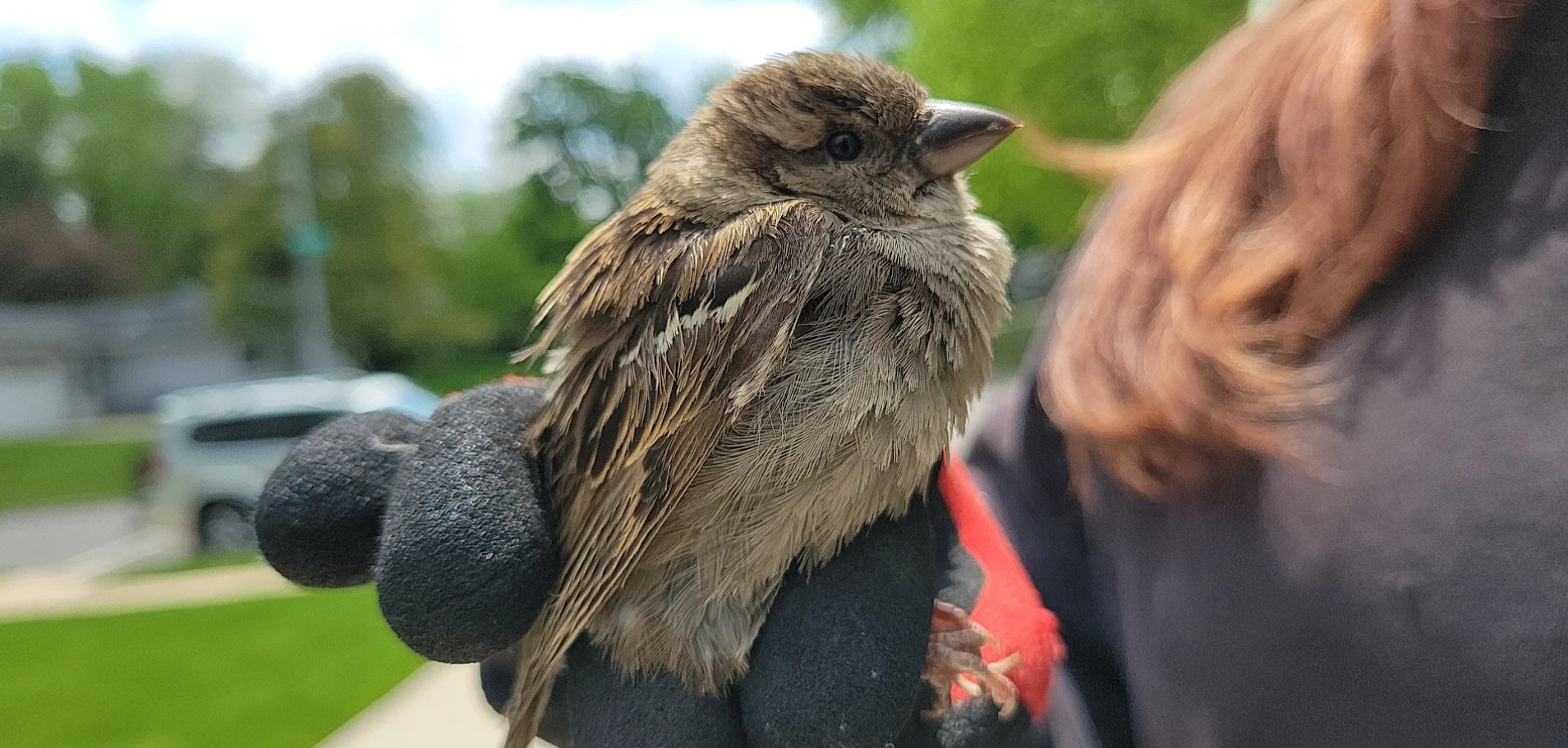
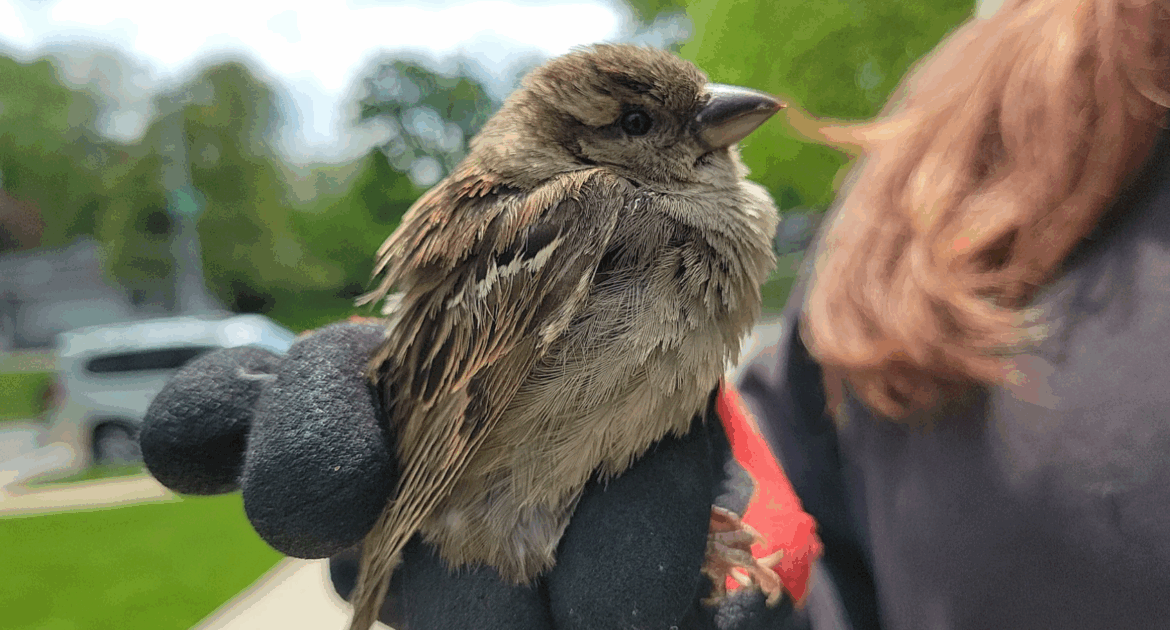
If you’ve noticed birds nesting in your dryer vent this winter, you’re not alone. Around Oakville—especially near natural areas like Bronte Creek Provincial Park—it’s common for homeowners to hear fluttering, chirping, or experience clogs in their exterior vents once the cold sets in. But why do birds choose dryer vents to nest in?
As temperatures drop, birds search for warm, sheltered spaces protected from wind and predators. Dryer vents provide the perfect combination of heat, dryness, and easy access, making them an attractive substitute for natural nesting spots that are scarce during Ontario’s winter months. Unfortunately, this behaviour can lead to serious problems, including fire hazards, reduced dryer efficiency, and health risks from debris and droppings.
Understanding what drives birds to these spaces helps emphasize the importance of proactive prevention. In this article, we’ll look at the key environmental factors behind winter vent nesting, the risks it poses to homes and businesses, and the most effective strategies to stop it from happening again.
Why Birds Choose Dryer Vents in Oakville Winters
The combination of cold weather and limited natural shelter drives birds closer to human homes every winter. While many species migrate south, some birds, including non-native starlings, house sparrows, and feral pigeons, remain year-round and adapt their nesting habits for survival in urban settings like ours.
Environmental Factors That Attract Birds
Dryer vents, kitchen exhausts, and bathroom fan vents mimic the natural cavities birds use in the wild. During winter, these vents offer several attractive features:
- Consistent warmth from household appliances running regularly
- Dry interior spaces safe from freezing rain and snow
- Protection from predators such as raccoons and squirrels
- Easy access, due to vent covers that aren’t always bird-proof
- Proximity to food sources around homes and businesses
Local features in Oakville, such as proximity to urban parks and older neighbourhoods with mature trees, also provide birds with ample foraging areas, making nearby homes convenient nesting spots. As communities expand and natural shelter becomes scarce, birds become even more resourceful in seeking out warm ventilation openings. This quest for safety and warmth moves us into discussing which species are most likely to nest inside dryer vents during winter.
Common Birds Nesting in Dryer Vents in Winter
Certain bird species are more inclined than others to exploit the shelter offered by vents. In Oakville, and across much of southern Ontario, three species stand out:
- European Starlings: These highly adaptable cavity-nesters can squeeze into tight spaces and construct sizeable nests from twigs, grass, and debris. They thrive in urban environments and are well-known for winter nesting in vents.
- House Sparrows: Known as inveterate nesters, sparrows find small gaps and coverable spaces irresistible, especially when natural shelters are hard to come by.
Risks Associated with Winter Bird Vent Blockages
Birds nesting in vents present more than a simple nuisance. The combination of biological mess and mechanical failure can cause significant disruption and real danger for Oakville property owners.
How Bird Nests Affect Dryer Vents
A bird nest in your dryer vent quickly leads to problems:
- Fire Hazard: Dry nesting material like twigs and grass can ignite if exposed to dryer heat.
- Reduced Efficiency: Blocked vents force dryers to work harder, resulting in longer drying times and increased energy costs.
- Mold and Moisture: Nesting materials can trap moisture, leading to mold growth and poor indoor air quality.
- Disease Risk: Bird droppings inside vents can carry diseases, including histoplasmosis and psittacosis, which may become airborne when disturbed.
Blocked vents also risk carbon monoxide exposure in homes where dryers are gas-powered. These risks make timely attention crucial, especially when birds seek shelter during winter’s harshest months. Transitioning from risks to solutions, it’s important to know what can be done to prevent and deter bird nesting activity before the problems start.
Preventing Bird Nesting in Dryer Vents
Effective vent protection doesn’t happen by accident. It combines keen observation, quality products, and professional know-how, especially in Oakville’s seasonally harsh climate.
How to Prevent Bird Nesting in Vents
Long-lasting solutions involve both proactive and responsive strategies. Key prevention methods include:
- Installing bird-proof vent covers that allow exhaust to pass but physically block birds
- Regularly inspecting all exterior vents (dryer, bathroom, kitchen) for signs of disturbance or debris
- Sealing gaps around vent pipes and where siding meets the wall
- Trimming shrubs, hedges, or tree branches away from exterior vents to limit attraction
- Scheduling professional inspections—especially before winter sets in
Many Oakville homes, especially those near wooded areas like Bronte Creek Provincial Park, benefit from routine property assessments to catch issues before nests are built.
Professional wildlife removal teams, like us at Skedaddle, can assess your property’s unique risk and install custom deterrents to prevent bird nesting vents from recurring year after year.
Our Process: Humane Bird Removal and Vent Protection
If birds have already settled into your vent, acting fast is key. As a company that’s served Oakville and the GTA for over 30 years, Skedaddle approaches every situation with safety, thoroughness, and respect for wildlife.
What Sets Skedaddle Apart
We offer a complete, hands-on approach:
- Technicians assess every vent, identify the species and nesting stage, and create a safe removal strategy.
- All birds and nesting material are carefully removed, taking precautions with young chicks where needed.
- Thorough cleaning and sanitizing follow, removing all nesting debris and harmful droppings.
- We repair or reinforce vent openings, using proven exclusion methods to keep birds away in the future.
- Our lifetime guarantee and ongoing support mean you have peace of mind well beyond the initial visit.
We ensure the job is done right, protecting both your property and Oakville’s wildlife through humane practices.
Moving forward, let’s discuss how you can recognize the signs of an issue before it becomes a major problem.
Signs That You Have Birds in Dryer Vents in Winter
Early detection helps avoid serious problems. Be alert to these indicators, especially when temperatures drop:
- Unusual sounds from dryer or bathroom vents, like chirping or rustling
- Visible nesting material or bird droppings around exterior vent covers
- Decreased dryer or fan performance (longer drying times, excess moisture)
- A persistent musty or unpleasant odour near vents
- Flapping activity observed near vent outlets
If you notice any of these signs, it’s time to investigate, as prompt action limits risks and prevents winter bird vent blockages from becoming full-blown hazards.
Awareness leads naturally to considering which innovative solutions can resolve and prevent this seasonal problem.
Take Control of Winter Bird Invaders Before Damage Sets In
As winter tightens its grip on Oakville, birds searching for warmth and safety often settle in dryer vents and other vulnerable spots around homes and businesses. Their instincts may be understandable, but the resulting blockages bring serious risks—from costly repairs and fire hazards to potential health concerns due to contaminated droppings. With adaptable species actively seeking your property’s comforts through the cold months, proactive prevention and quick intervention are more crucial than ever.
Don’t let nuisance birds disrupt your comfort or compromise safety this season. The experienced team at Skedaddle is ready to deliver comprehensive, humane solutions—removing existing nests, cleaning contaminated areas, and expertly sealing access points to keep unwanted visitors out for good. Give yourself peace of mind all winter by reaching out today, and let Skedaddle safeguard your home or business with proven, lasting protection.

 Loading...







