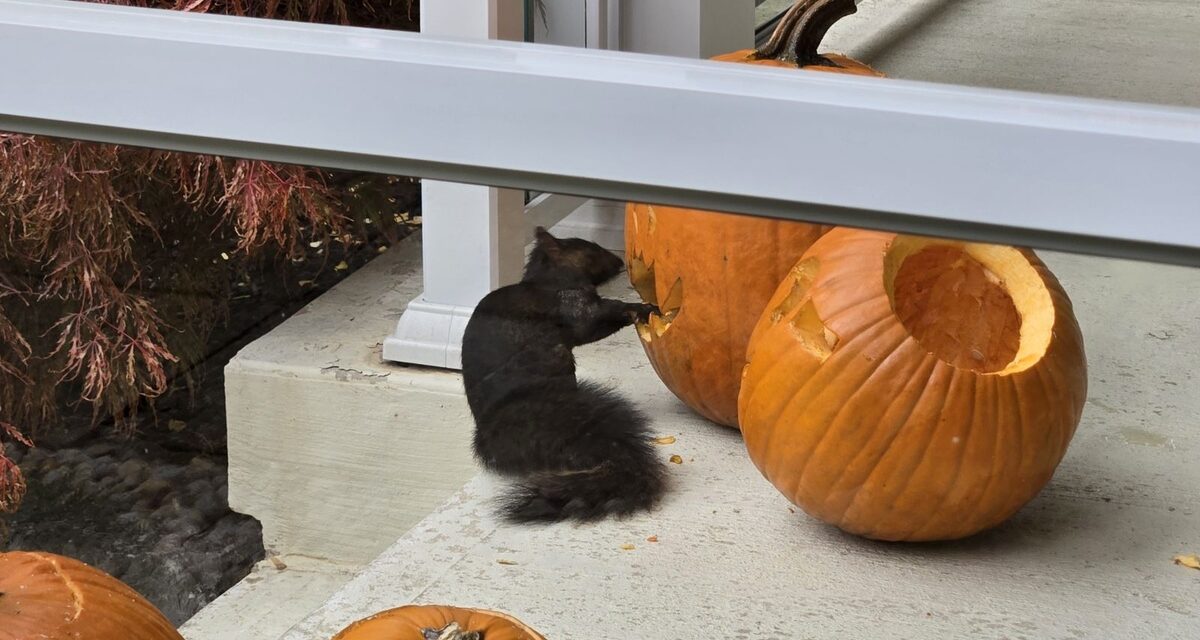
You may be bringing wildlife closer to your home when harvested fruit remains within reach on a porch, in a shed, or inside a garage with entry gaps. Fresh produce can provide an easy meal, even before it starts to spoil. Fallen fruit and accessible compost can add more feeding spots around the property.
Moving the harvest from a tree into an open box does not always remove the food source. It may simply move feeding activity nearer to your doors, walls, and storage buildings. However, repeated visits for fruit do not prove that anything has entered your home or established shelter nearby.
At Skedaddle Humane Wildlife Control in the Okanagan, we assess food access alongside building openings and signs of occupancy. You should leave droppings, nesting material, and suspected entrances untouched if those signs appear. We explain how stored fruit can support visits, which clues deserve attention, and how our professional team addresses confirmed entry and prevention needs.
Do Fruit Trees Attract Raccoons and Rats?
Fruit trees can attract raccoons and rats when ripe or fallen produce remains accessible. Fresh fruit offers an easy meal that encourages wildlife to revisit your yard. However, the presence of a tree alone does not mean pests have infested your home.
Harvested Fruit Can Move Feeding Activity Towards the Door
Fruit remains a food source after harvest if it can still be reached. The storage location affects which parts of the property may receive attention, especially when produce sits near a sheltered route or building gap. Our assessment considers both the fruit and the structure around it.
- Open Boxes on Porches: Exposed produce can provide food close to exterior doors, walls, and steps. A roof over the porch may protect the fruit from rain without making it inaccessible. Visitors may approach the boxes without ever entering the home. We assess repeat activity and nearby vulnerabilities before deciding whether building protection is needed.
- Produce Inside Sheds: A shed may contain accessible fruit even when its door stays closed. Gaps beneath the door or along the building base can provide routes into the storage area. Damaged produce or packaging may be the first clue noticed during normal use. Our team checks the structure and evidence without asking you to search hidden corners.
- Fruit in Garages and Utility Areas: Stored produce near worn door edges or service openings may support feeding inside these spaces. The garage can become part of a route between outdoor cover and available food. That does not establish where the visitor rests or whether it reaches the house. We assess the entry and relevant connected areas before recommending work.
Fruit Does Not Need to Be Spoiled to Offer a Meal
Fresh, ripe fruit can provide food long before it develops a strong smell. Produce does not have to be damaged or fermenting to receive attention. Accessible apples, pears, or other harvested fruit may be enough to support feeding.
As fruit softens, leaking juices and residue may add odour around the storage area. That change can make a food source more noticeable, but smell alone does not explain every visit. The amount of fruit, access, and surrounding conditions also matter.
You may notice activity while the harvest still looks fresh. Our team considers how the produce is stored and what other evidence appears nearby. We avoid assuming that spoilage is the cause or that removing visibly damaged fruit resolves the entire problem.
Fallen Produce and Compost Can Extend the Feeding Area
The stored harvest may be only one part of the food available around your home. Fruit beneath trees, scraps in compost, and discarded produce can create feeding opportunities in several locations. Our team assesses those sources together so the plan reflects the full pattern.
- Fruit Beneath Trees: Dropped apples, pears, plums, and other produce can remain accessible on the ground. Further drops may replenish the supply even after some fruit has been eaten. Activity beneath a tree does not establish where the visitors shelter. We consider that feeding area alongside routes towards storage buildings and the home.
- Accessible Compost Scraps: Fruit scraps in an open or damaged compost system may provide another source of food. Access depends on the system’s design, condition, and how exposed the material is. A nearby compost area could support visits even when the main harvest is enclosed. Our team assesses these conditions without asking you to handle potentially contaminated material.
- Discarded Produce Near Storage Buildings: Rejected fruit and damaged boxes beside a shed or garage can keep food available near the building. This may support visits after the remaining harvest has been moved elsewhere. The discarded material can be one source among several around the property. We follow the wider activity rather than assuming one container explains everything.
Different Visitors May Use Different Parts of the Harvest
More than one type of wildlife may feed on accessible fruit, and their routes can differ. Some remain outdoors, while others may enter vulnerable storage buildings through existing gaps. Our team identifies the activity from physical evidence rather than the food source alone.
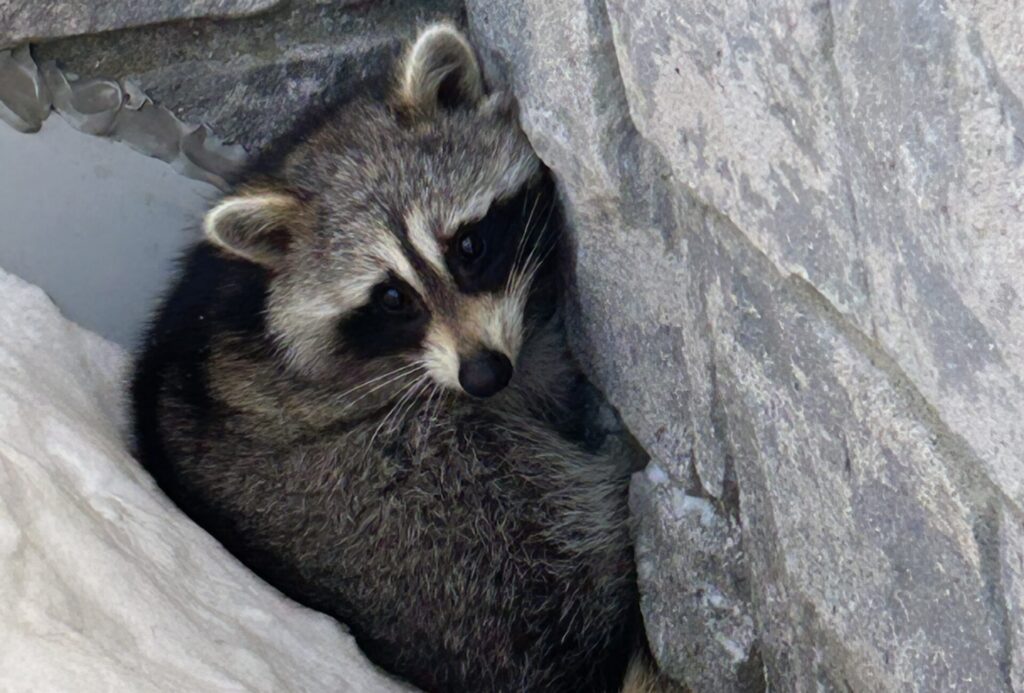
- Raccoons: Exposed produce and accessible containers may provide feeding opportunities during evening or nighttime visits. You might notice disturbed boxes or missing fruit without seeing the visitor responsible. Those changes do not identify the occupant or confirm a nearby resting place. We compare the disturbance with other evidence before planning removal or prevention.
- Rats: Fruit near sheltered ground-level routes may support regular feeding around the property. Gaps into storage areas can bring that activity closer to the building interior. Feeding and resting may still happen in different locations. Our team checks building connections when outdoor visits appear alongside indoor signs.
- Mice: Small openings may provide access to fruit stored in sheds, garages, or utility spaces. Damaged produce or chewable packaging may reveal activity before a visitor is seen. The affected storage area may be a feeding spot rather than the main nesting place. You should leave waste and nearby materials untouched while our team assesses the route.
- Other Outdoor Visitors: Squirrels and skunks may also use available fruit around a property. A feeding visit does not necessarily require removal from a building. The appropriate response depends on whether there is confirmed entry, shelter use, or another property concern. Our team assesses the evidence before recommending work suited to the situation.
Food Close to Shelter Can Encourage Repeat Visits
A food source near covered edges or sheltered routes may be easy to revisit. Fences, detached structures, and garden features can influence movement through the yard. Stored fruit may become one stop along a route that already exists.
Repeat visits do not prove that every visitor is nesting on the property. Feeding and resting may take place in different yards or separate parts of the same site. The location where you first notice movement may reveal only one part of its activity.
Our team assesses food access and shelter evidence separately. This helps us determine whether the concern involves feeding visits, occupied spaces, or both. Changing fruit storage alone cannot confirm that an occupied shed, garage, or home is empty.
Storage Damage and Indoor Evidence Need a Closer Look
Missing fruit can show that something reached the harvest, but it cannot establish entry or identify the visitor by itself. Damage, repeated routes, and indoor evidence provide a stronger basis for assessment. You can report signs noticed during normal use without moving materials or approaching suspected entrances.
- Chewed or Disturbed Packaging: Holes in bags, damaged boxes, and shifted containers may point to feeding activity. The type of damage needs to be compared with other signs before its source is confirmed. A damaged package does not reveal how access occurred or how long the space has been used. Our team checks the storage area and relevant entry routes.
- Repeated Use of One Building Edge: Regular visits near a door corner, shed base, or wall gap deserve closer attention. The route may lead inside, provide shelter beneath the structure, or simply pass beside it. You should not cover the opening to test whether activity stops. We establish the connection before choosing the removal or exclusion approach.
- Droppings or Nesting Material: These signs may indicate use of a storage space beyond a brief feeding visit. They can help guide the inspection, but they do not reliably show occupant numbers or the length of the problem. Evidence may also remain after activity has changed. Leave affected materials untouched so our professionals can assess occupancy and cleanup needs.
- Sounds or Damage in Connected Spaces: Scratching or disturbed materials elsewhere in the building may show that activity extends beyond the fruit storage area. Framing can carry sound away from the place where movement occurs. The loudest spot may not contain the entrance or nest. Our team checks relevant connections rather than treating the first room as the whole problem.
Removing a Food Source Does Not Confirm an Empty Building
Addressing accessible fruit can reduce one feeding opportunity, but it does not remove every reason to visit. Other food may remain available, and suitable shelter can still be useful. The effect depends on the wider property conditions.
A change in storage also does not secure the opening used to reach the food. An occupant may continue using the building for rest even if feeding shifts elsewhere. A quiet period after the fruit is moved does not prove departure.
Our team assesses occupancy before permanent exclusion begins. Adults and dependent young, where present, must be accounted for before routes are closed. The plan addresses the occupied space and access points alongside food-related recommendations.
Okanagan Harvest Storage Deserves a Local Assessment
Backyard fruit trees and garden harvests can create temporary storage needs around Okanagan homes. Produce may be held in garages, sheds, or covered outdoor areas before it is used or shared. Those locations vary in how well they limit access.
A household harvest does not need to be orchard-sized to receive attention. A few accessible containers may provide food near a vulnerable building edge. However, the amount stored does not establish whether wildlife has entered or sheltered nearby.
Our team considers the layout and condition of the individual property. A storage shed, attached garage, and porch each present different access questions. The assessment follows the evidence rather than assuming that every fruit-growing property has the same problem.
Protect Storage Spaces with Skedaddle Humane Wildlife Control’s Professional Team
Our professional wildlife team assesses food access, building vulnerabilities, and signs of occupancy. We identify the activity before recommending removal from a structure. The plan also accounts for dependent young where they are present.
Where suitable, our one-way doors allow wildlife to leave but prevent re-entry. Occupants unable to leave independently require an appropriate approach. We confirm that occupied spaces are clear before completing permanent exclusion.
Our team assesses affected materials for professional cleanup and sanitation, then secures vulnerable routes. We also explain how fruit containment and storage placement may contribute to repeat visits. At Skedaddle Humane Wildlife Control in the Okanagan, those recommendations support a plan based on the actual property findings.
Frequently Asked Questions
Can fresh fruit attract visitors before it starts to rot?
Yes, fresh fruit can provide food when it is accessible. Spoilage is not required for feeding visits to occur. Softening fruit may add odour, but access remains an important part of the picture. Our team assesses the storage setup alongside other available food sources.
Does a closed garage door make fruit storage secure?
No, a closed door does not confirm that the storage area is secure. Worn seals, damaged corners, or other building gaps may still provide access. The containers holding the fruit also affect whether it can be reached. We assess the structure and feeding evidence rather than relying on the door’s position.
Does missing fruit mean something is living inside the shed?
No, missing produce can reflect feeding without proving shelter use. A visitor may enter to eat and then leave for a resting place elsewhere. Other evidence is needed to establish how the space is being used. Our team checks access routes, waste, and nesting signs where relevant.
Will changing fruit storage stop scratching inside the home?
Changing storage may address one food source without resolving indoor activity. Shelter, other feeding opportunities, and open routes may remain available. The timing of quieter sounds does not confirm that every occupant has left. Indoor scratching needs its own assessment before removal or exclusion decisions are made.
Get Feeding Activity and Building Access Assessed Together
You may be bringing wildlife closer when stored fruit, fallen produce, or compost remains accessible near the home. Fresh fruit can support feeding visits just as spoiled produce can. Nearby cover and building gaps may add to the concern, but outdoor feeding does not automatically prove indoor shelter.
Damaged storage, repeated use of an opening, droppings, or scratching deserve professional assessment. You should leave affected materials untouched and avoid blocking suspected entrances. Changing a food source does not confirm that an occupied building is empty. Our team checks access and occupancy before removal, cleanup, or permanent closure.
At Skedaddle Humane Wildlife Control in the Okanagan, we assess the full pattern around the property. We provide humane removal when needed, professional cleanup, and exclusion suited to confirmed routes and vulnerable areas. We also explain which storage conditions may be supporting return visits. Contact us to schedule a professional assessment or request an estimate to learn more.

 Loading...