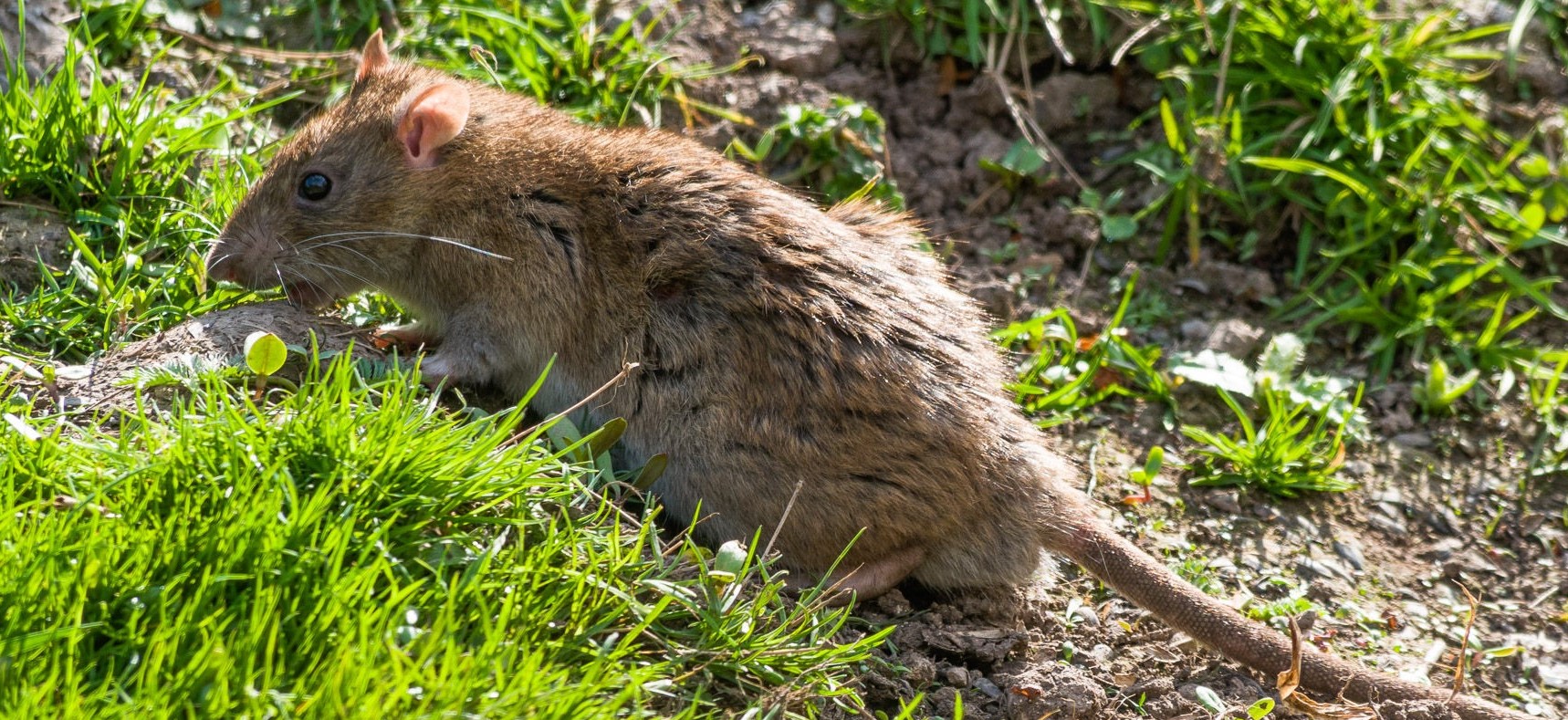
Rat sightings are going up across the Okanagan and if your home isn’t properly sealed, it could be their next stop. Recent regional reporting found a 50% increase in rat and mouse reports in areas including Kelowna, Vernon, and Penticton. You can read more about that here: Castanet — Rat Sightings Surging in the Okanagan. That kind of increase doesn’t happen by accident – these rodents are moving into residential areas in larger numbers, and homes with gaps, food sources, and easy access points are the ones they find first.
You might think your home is sealed up tight. But these animals can squeeze through a gap the size of a dime, climb tree branches right onto your roof, and move through utility openings that most people never think to check. Once they’re inside, they breed fast and spread through wall cavities, attics, and garages before most homeowners notice the signs.
At Skedaddle Humane Wildlife Control in Okanagan, we help homeowners find every entry point and fix the problem completely. In this blog, we walk you through how these animals get in, what to look for around your home, and what our team does to make sure the problem gets solved, not just reduced for a little while.
What Attracts Rats to Homes?
Food, shelter, and easy access are the three things that attract these animals to any home. Pet food left outside, unsecured garbage bins, compost containers, and fallen fruit from trees are all strong draws. Once they find a reliable food source near your property, they start looking for a way inside to nest and breed.
Shelter is just as important as food. These animals look for warm, dark, and quiet spaces: attics, wall cavities, garages, and crawl spaces all fit the bill. A home that offers food nearby and a gap to get inside is a home that will attract them and keep them coming back. The Okanagan’s mild climate compared to other parts of B.C. makes the region especially attractive – these rodents don’t need to go far to stay comfortable year-round.
Proximity to other infested properties also plays a role. These animals travel between homes, follow scent trails left by others, and move into new spaces quickly when conditions are right. If sightings are going up in your neighbourhood, the pressure on your own home goes up too. Getting your property inspected and sealed before they find a way in is always the smarter, faster, and less expensive approach.
How Rats and Mice Get Into Okanagan Homes
These animals are skilled at finding ways into homes and the entry points they use are often ones homeowners never think to check. Here’s where our team finds them most often:
- Tree Branches That Reach the Roofline: Roof rats, which are increasingly common in the Okanagan are excellent climbers. They use tree branches that overhang or touch the roof as a direct path onto the building. From there, they find gaps along the roofline, lifted shingles, and openings near soffits and vents. Any branch that makes contact with your roof is a potential access route that our team flags during an inspection.
- Roofline Gaps and Lifted Shingles: Gaps where shingles have lifted, where flashing has pulled away, or where the roofline meets the soffit are all common entry points. These animals can squeeze through very small openings and a gap that looks minor from the ground can be a fully active entry point. Our team checks the full roofline as part of every inspection.
- Utility Openings: Every pipe, wire, and cable that enters your home from the outside passes through a hole in the wall or foundation. If those holes aren’t sealed tightly around the line, they’re open entry points. Gaps around gas lines, electrical conduit, water pipes, and cable lines are frequently overlooked and frequently used.
- Foundation Cracks and Gaps: Cracks along the base of your foundation, openings around window wells, and gaps where different building materials meet at ground level are all spots these animals use to get in. Even a small crack can be enough, especially for mice, which can fit through a gap the size of a dime. Our team checks the full foundation line during every inspection.
- Attached Garages: The gap under a garage door that doesn’t seal tightly to the floor is one of the easiest ways these animals get into a home. From the garage, they move through gaps around the door that connects to the living space and into the rest of the house. The shared wall between an attached garage and the home is full of utility penetrations that are rarely fully sealed.
Why Roof Rats Are a Growing Problem in the Okanagan
Roof rats are different from the Norway rats that most people picture when they think of a rat problem. They’re smaller, more agile, and much better at climbing, which means they use routes that Norway rats can’t. Tree branches, utility lines, and rooftop entry points are their preferred access routes, which makes them harder to keep out and easier to miss during a basic inspection.
The Okanagan’s relatively mild climate compared to the rest of B.C. has allowed roof rats to become more established in the region than in colder areas. They don’t need to travel far to stay warm, and the region’s fruit trees, gardens, and outdoor food storage give them reliable food sources year-round. As the regional population grows and spreads, the pressure on residential properties increases, and the 50% increase in sightings across Kelowna, Vernon, and Penticton reflects exactly that pattern.
Roof rats are also faster breeders than many homeowners expect. A small problem can turn into a large one quickly, especially inside a home where they’re warm, protected, and have access to food. Finding and sealing every entry point before they establish a nest is critical. Once they’re settled in, removal and exclusion both become more complicated and more time-consuming.
An Exterior Inspection Checklist
After a rise in sightings in your area, your home’s exterior needs a close look by the right people and in the right way. Here’s what our professional inspection covers:
- Roofline and Shingles: Our team checks the full roofline for lifted shingles, gaps in the flashing, and any opening along the roofline where these animals could squeeze through. We look at the roof from multiple angles so nothing gets missed, including spots that aren’t visible from the ground.
- Tree Branch Clearance: Every tree on your property gets assessed for branches that make contact with or hang close to the roofline. These are direct access routes for roof rats. Our team maps out which branches create a clear path to the roof and flags them for attention.
- Vents and Utility Penetrations: Every vent, exhaust fan, and utility penetration on the exterior of your home gets checked. Damaged or missing vent covers, gaps around pipes, and loose flashing around utility lines are all common entry points that our team assesses and addresses.
- Foundation and Ground Level: The full foundation line gets inspected for cracks, gaps around window wells, and openings where building materials meet at ground level. These spots are easy to miss but frequently used, especially by mice looking for a ground-level way in.
- Garage and Outbuildings: The garage door seal, the perimeter of the garage floor, and any gaps in the shared wall between the garage and the home all get checked. Outbuildings and sheds on the property are also assessed for gaps that could shelter these animals close to the main home.
Why Removing Rodents Without Finding Every Entry Point Fails
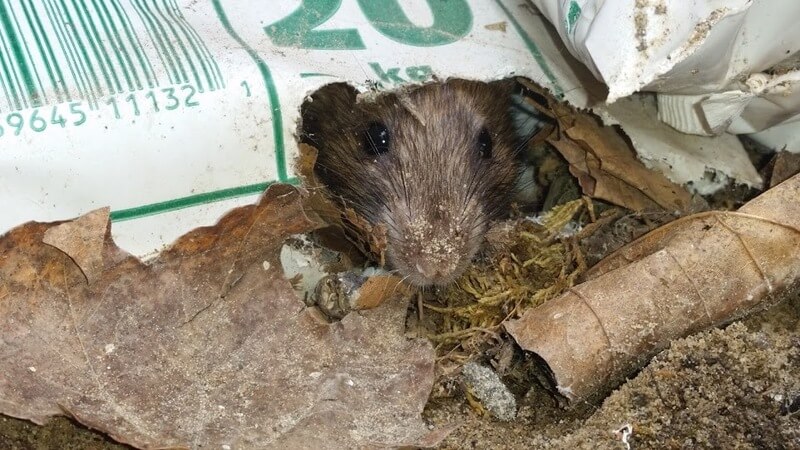
The most common reason a rodent problem keeps coming back is simple, not every entry point was found and sealed. Removing the animals that are currently present without closing every gap they used to get in just creates a temporary pause. New animals move in through the same routes, and the cycle starts over. This is one of the most important things homeowners need to know before they respond to a rodent problem.
These animals often use multiple entry points at the same time. Sealing the most obvious one without finding the others just changes which route they use – it doesn’t stop them from getting in. A complete solution requires finding every gap on the exterior of the home, confirming what’s already inside, and sealing everything in the right order so nothing gets trapped and nothing gets left open.
This is exactly why our inspection process is so thorough. We don’t just look at the spot where you noticed the problem. We check the full exterior – the roofline, foundation, vents, utility lines, garage, and any other area these animals are likely to use. Finding everything is the only way to make sure the solution actually holds. Anything less is a temporary fix that leaves the door open for the problem to come back.
Signs Rats or Mice Are Already Inside
These animals spend most of their time in spaces you can’t easily see: inside walls, in attics, and in crawl spaces. Here’s what to look for when they’re active in those hidden areas:
- Scratching and Scurrying Sounds: Light, fast scratching sounds, especially at night, are one of the clearest signs of activity inside your walls. Roof rats are active at night and move quickly through wall cavities and along ceiling spaces. If you’re hearing these sounds in multiple spots, the problem has likely spread through more of your home than just one area.
- Droppings Along Walls or in Cabinets: Droppings are small, dark, and appear along the routes these animals travel – usually along walls, behind appliances, inside cabinets, and near any food storage area. Do not attempt to clean up droppings yourself. They carry harmful bacteria and need to be handled by our professional team with the right protective equipment.
- Chew Marks on Wood, Wiring, and Packaging: These rodents chew constantly to wear down their teeth. Gnaw marks on wood trim, food packaging, and electrical wiring are all signs of active presence. Chewed wiring creates a hidden fire hazard inside your walls, if you find chew marks near electrical components, call our team right away.
- Grease Marks Along Baseboards: Roof rats leave behind greasy rub marks along the routes they travel repeatedly. You’ll often see these marks along baseboards, around pipes, and near entry points inside the home. These marks are a sign of regular, repeated traffic, not a one-time visit.
Rat Problems in the Okanagan
The Okanagan has warm summers, mild winters, lots of fruit trees, and a growing number of homes and all of that makes it a great place for these animals to live year-round. Kelowna, Vernon, and Penticton have all seen big jumps in reported sightings, and our team sees the same pattern on the ground. There’s no slow season here, rats stay active all year, which means the pressure on homes never really lets up.
Roof rats have become a real problem in the Okanagan over the past few years. They’re good climbers and prefer to get in through high spots like the roofline and upper siding, which makes them harder to keep out than ground-level rodents. Older homes with aging rooflines and big trees nearby are at the highest risk, but newer homes aren’t off the hook either.
Sightings going up across the region means even homeowners who’ve never had a problem should be thinking about whether their home is ready. Getting a professional inspection done now, before rats find a way in, is always faster, simpler, and less costly than dealing with a full infestation. Our team knows Okanagan properties well and knows exactly what to look for.
Rat Removal and Prevention with Skedaddle
If these animals have already found their way into your home, or if sightings in your area are going up and you want to stay ahead of it – call our team at Skedaddle Humane Wildlife Control. We start with a full exterior inspection that covers every possible entry point on your home. We don’t just check the obvious spots. We look at the roofline, nearby trees, utility lines, the foundation, and the garage so nothing gets overlooked.
We use one-way door systems that let animals leave on their own without being able to get back in. We pair that with exclusion work that seals every entry point with materials that last. We never seal an opening before we know what’s on the other side, closing a gap with animals still inside makes the problem worse, not better.
After removal and exclusion are done, we make sure the things that drew these animals to your home in the first place are dealt with too. The goal is to make your home as hard as possible to get into and to back that up with work that holds up all year long. We take care of everything from start to finish so you don’t have to do any part of it yourself.
Frequently Asked Questions
How do I know if it's a roof rat or a Norway rat?
Roof rats are smaller, have larger ears, and a longer tail relative to their body size. They're agile climbers and prefer high entry points like the roofline and upper siding. Norway rats are larger, heavier, and tend to burrow at ground level. Both are a serious problem, but roof rats require a different inspection approach that focuses on the upper exterior of the home.
Can rats really climb tree branches onto my roof?
Yes. Roof rats are excellent climbers and use tree branches, utility lines, and even rough exterior surfaces to reach the roofline. Any branch that touches or hangs close to your roof is a potential access route. Our team assesses all trees on the property as part of a full inspection.
Is one rat sighting a sign of a bigger problem?
Almost always, yes. These animals rarely travel alone. If you've seen one or found droppings, there are almost certainly more nearby. A single sighting is enough reason to call our team for a full inspection - don't wait for more evidence before acting.
Why do rodent problems keep coming back even after removal?
Because not every entry point was found and sealed. Removing the animals without sealing every gap they used to get in just leaves the door open for new ones to move in. A complete solution requires finding and sealing every entry point, which is exactly what our inspection and exclusion process does.
Do rats come out during the day?
Rodents are primarily nocturnal, but roof rats may sometimes be seen during the day, especially when the population is large or food competition is high. Daytime activity is a sign of a larger problem and a reason to call our team right away.
How quickly can a small problem grow into a large one?
Very quickly. A female can produce multiple litters per year with several young in each litter. In a warm, sheltered space with access to food, numbers can grow significantly within a few months. Acting at the first sign of activity is always the right call.
Rising Sightings Are a Warning — Make Sure Your Home Is Ready
Rat sightings are up 50% across the Okanagan, and if your home has gaps in the roofline, foundation, or garage, it could be next. These animals use tree branches, utility lines, and foundation cracks to get in, and they breed fast once they’re inside. The longer the problem goes without a complete solution, the harder and more expensive it gets to fix.
The smartest move you can make right now is to have your home inspected before these animals find a way in. A full exterior inspection finds every entry point and closes every gap, so the problem never gets a chance to start. You don’t have to figure out where they’re getting in or deal with any part of the removal yourself. That’s exactly what our team does.
At Skedaddle Humane Wildlife Control in Okanagan, we’ve got your back. We’ll inspect your home, find every entry point, and take care of everything from removal to exclusion. Contact us today to request an estimate and make sure your home is fully protected against rising rodent activity across the region.

 Loading...







