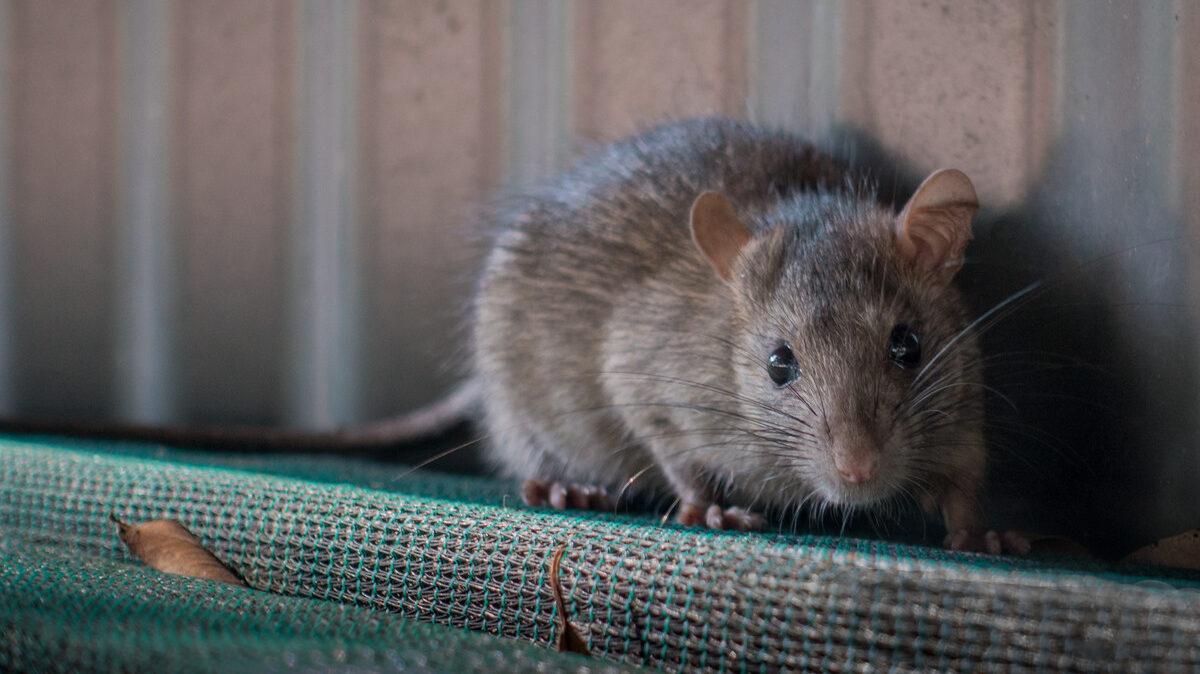
Construction activity in Montreal is one of the biggest reasons rat complaints are going up across the city. When digging, sewer work, and demolition break up the underground spaces these animals live in, they scatter. And when they scatter, they head to the nearest safe spot — which is often your backyard, your garage, or the inside of your home.
You might not think a construction site two streets away has anything to do with the scratching sound under your deck. But that’s exactly how it works. These animals don’t stay in places that feel unsafe. Big disruptions underground push them into neighbourhoods fast. Once they find food, shelter, and a way in, they settle down and start multiplying.
At Skedaddle Humane Wildlife Control in Montreal, we’ve seen rat activity go up in areas tied to nearby construction sites. In this blog, we walk you through how construction pushes these animals into your neighbourhood, what signs to look for around your home, and what our team can do to protect your property.
Are Rats Dangerous?
Yes, rats are dangerous. The risk is bigger than just knowing they’re nearby. They carry diseases that spread through their droppings, urine, and saliva. Leptospirosis, hantavirus, and Salmonella are some of the most serious illnesses linked to rodent activity in and around homes. You don’t even need to touch one to get sick – dried droppings can break down into dust that gets into the air you breathe.
Rats also cause real damage to your home. Their teeth never stop growing, so they have to keep chewing. They’ll chew through wood, insulation, electrical wiring, and plastic pipes. A rat inside your home will gnaw through whatever is in its way, creating fire hazards, water damage, and costly repairs. The longer they stay, the worse it gets.
This is why you need to act fast at the first sign of a problem. Do not go near any area where you think rats have been active. Don’t try to clean up droppings or block any holes yourself. The health risks are real, and the job needs to be done by a trained team with the right gear. Call Skedaddle right away and let us handle it safely.
How Excavation Disturbs Rat Populations
When the ground gets dug up in your neighbourhood, rats lose everything they’ve built underground and they have no choice but to move. Here’s what happens when excavation hits close to home:
- Tunnels and Burrows Get Destroyed Right Away: These rodents build large tunnel networks underground for shelter and nesting. When digging equipment hits the ground, those tunnels cave in fast. The animals inside scatter in every direction looking for the nearest safe spot and homes nearby are exactly what they find.
- Colonies Break Apart and Spread Out: A large group of rats doesn’t move together when they’re pushed out. They split up and head in different directions. One construction site can send these animals onto several nearby properties at the same time. That’s why rat complaints go up all across a neighbourhood when big digging projects begin, not just on the street where the work is happening.
- Food and Water Get Cut Off Too: Digging doesn’t just destroy burrows. It also wipes out the food and water sources these animals were using. Hungry and stressed, they move quickly toward homes, garages, and garbage areas. They take chances they normally wouldn’t and if there are any gaps in your home’s exterior, they’ll find them.
- The Work Doesn’t Have to Be Right Next Door: Rats can cover a lot of ground when they’re displaced. A site several blocks away can still push animals onto your property if the disruption is big enough. If you’ve seen more rodent activity around your home and there’s been digging nearby, the two are almost certainly connected.
How Sewer Repairs Push Rats to the Surface
These rodents love the sewer system. It gives them warmth, moisture, food, and a safe place to live underground. When sewer repair work breaks into that system, these animals get pushed out in a hurry. Here’s how it affects your property:
- Sewer Work Destroys an Active Habitat: These rodents that live in the sewer system set up routes and territories that stay the same for years. When repair crews break into a sewer line to fix it, that habitat gets wiped out without warning. The animals get pushed out in every direction – up through drains, out through broken pipe sections, and into the soil and yards nearby.
- Broken Drains Become Exit Points: When a sewer line cracks or breaks during repair work, it creates new openings these animals can use to get out. These rodents are very good at squeezing through small gaps – a crack in a drain pipe is all they need to surface in a backyard or basement. If you’re seeing activity near floor drains or basement entry points, sewer work nearby could be the cause.
- Sightings Go Up Fast After Sewer Work Starts: Homeowners near active sewer repair sites often start seeing more rats right after work begins. That’s no coincidence – it’s the direct result of animals getting pushed to the surface. If your property has food or shelter available, they’ll stay.
- Call Us Before Work Starts If You Can: If you know sewer repair work is coming to your street or a nearby area, call our team before it begins. We can check your property, find any weak spots, and put protection in place before displaced animals make your home their next stop.
How Demolition Displaces Established Colonies
Demolition is the biggest shake-up of all when it comes to rat activity. When a building comes down, every rat inside or underneath it gets pushed out all at once. They need a new place to go right away. This kind of sudden, large-scale disruption sends a wave of activity into nearby neighbourhoods that’s hard to manage without professional help.
Rat colonies in older buildings can be very large. Montreal has a lot of older housing that’s being torn down or renovated as the city grows. Some of these buildings have housed rats for decades. When that shelter disappears overnight, a huge number of animals gets pushed into the surrounding area all at the same time – all looking for a new place to settle in.
Timing plays a big role too. Rat populations are biggest in the warmer months when they’re breeding. Summer and early fall demolition projects push out the most animals. These are also the months when you and your family are spending the most time in the backyard. If there’s demolition happening near you during these months, your property needs to be looked at and protected before the work gets underway.
Signs to Watch For Around Your Property
Rats pushed out by construction are actively looking for a new home. They’ll check out your property carefully before they move in. Here’s what to look for in the most vulnerable spots:
- Around Your Foundation: Burrow holes near the base of your home are one of the clearest signs of rat activity. They’re usually two to three inches wide with loose soil around them. These animals dig burrows to get under structures where they feel safe. If you see holes near your foundation, call our team right away. Do not try to fill them yourself.
- In and Around Your Garage: Garages are an easy target. Gaps under the door, cracks in the floor, and openings around pipes all give rats a way in. Once inside, they nest in boxes, behind shelving, and in wall insulation. Look for droppings along the walls, chewed packaging, and gnaw marks on wood or plastic.
- Near Floor Drains and Basement Entry Points: Rats that come up through the sewer system often get into homes through floor drains and gaps around basement pipes. If you notice droppings near a floor drain, a bad smell from the drain area, or sounds of movement near your basement floor, call us right away.
- Around Garbage and Compost Areas: Displaced rats are hungry and move fast toward food. Garbage bins, compost containers, and anywhere food waste is stored are top targets. Signs include chewed bin lids, scattered waste, and small holes dug in the soil nearby. If you’re seeing this, these animals have already found a food source on your property.
What Montreal Advises About Rats and Construction
Montreal has confirmed the link between construction activity and rising rat complaints across the city. Residents have been calling for more action as the problem spreads into neighbourhoods. Here’s what the city says and what it means for you:
- Rats Surface During Excavation and Sewer Work: Montreal’s own guidance says rats may come to the surface when drains or sewers are damaged or when digging is happening nearby. This isn’t a guess, it’s a pattern the city has seen play out across many neighbourhoods. If there’s construction near your home, the city’s own advice supports acting right away to protect your property. You can read more about rising rat complaints and the city’s response here: Global News — Rat complaints in Montreal
- Residents Are Encouraged to Secure Their Properties: The city tells homeowners to make their properties less appealing to rats by securing garbage, cutting off food sources, and sealing gaps in the exterior. Our team helps with all of this as part of a full property assessment. We find every weak spot and deal with it properly so you don’t have to guess whether your home is protected.
- A Professional Assessment Goes Further Than General Advice: City guidance is a starting point, but a professional inspection goes much deeper. Our team checks every possible entry point, looks at the level of activity around your property, and puts a full protection plan in place. If rats are already there, we handle removal and exclusion so the problem gets fully resolved, not just reduced for a little while.
Rat Removal and Prevention with Skedaddle
If rats have been pushed onto or into your property by nearby construction, call our team at Skedaddle Humane Wildlife Control right away. We start with a full inspection — checking the foundation, garage, basement, drains, and every other area where these animals are likely to be active. We look at the whole picture so nothing gets missed.
We use one-way door systems that let animals exit without being able to get back in. This is combined with exclusion work that seals every entry point for good. Do not try to block any openings yourself before our team has looked at the situation. Sealing a hole with animals still inside makes the problem worse. Let us figure out what’s there first and handle everything from start to finish.
Prevention matters especially when construction is still going on nearby. If the disruption hasn’t stopped, new animals may keep heading toward your property. Our team puts measures in place that make your home as unappealing as possible and backs them up with physical barriers that hold up over time. We take care of all of it so you don’t have to deal with any part of it yourself.
Frequently Asked Questions
How far can rats travel when displaced by construction?
Rats can travel several city blocks when they're pushed out of their home. A construction site doesn't have to be right next door - big disruptions can send these animals much further than most people think.
How quickly do rats move in after being displaced?
Very fast. Displaced rats are stressed and hungry, so they move quickly toward food and shelter. A property with easy access to food or gaps in the exterior can attract them within days of nearby construction starting.
Can rats get into my home through the sewer system?
Yes. Rats are strong swimmers and move through sewer pipes with ease. Damaged or broken sewer lines create a direct path from underground into your home through floor drains and basement entry points.
What should I do if I see a rat in my backyard?
Don't go near it or try to chase it away. Keep children and pets away from the area and call our team right away. A rat in your backyard means they've found your property - the sooner we get involved, the better.
Do rats only come out at night?
Rats are mostly active at night, but hungry or displaced animals will sometimes move during the day. Seeing them in daylight is a sign of a larger population or serious stress; both are good reasons to call us right away.
Is one rat a sign of a bigger problem?
Almost always, yes. Rats rarely move alone. If you've seen one, there are almost certainly more nearby. One sighting is enough reason to call our team for a full inspection.
Construction Nearby Doesn’t Mean Your Home Has to Pay the Price
Rat complaints are going up all across Montreal, and construction is a big part of why. Digging, sewer repairs, and demolition push rats out of their home territories and into residential neighbourhoods. Your property can end up in their path without any warning. The signs show up around foundations, garages, drains, and garbage areas, and they need to be taken seriously the moment you spot them.
You don’t have to wait until rats are inside your home to call us. If construction is active near you or you’re seeing any signs of activity around your property, right now is the time to get a professional assessment done. Early action keeps the problem small and the fix straightforward.
At Skedaddle Humane Wildlife Control in Montreal, we’re ready to help. Our team will inspect your property, find any activity or weak spots, and put the right protection in place before things get worse. Contact us today to request an estimate and find out how we can help keep rats out of your home for good.

 Loading...