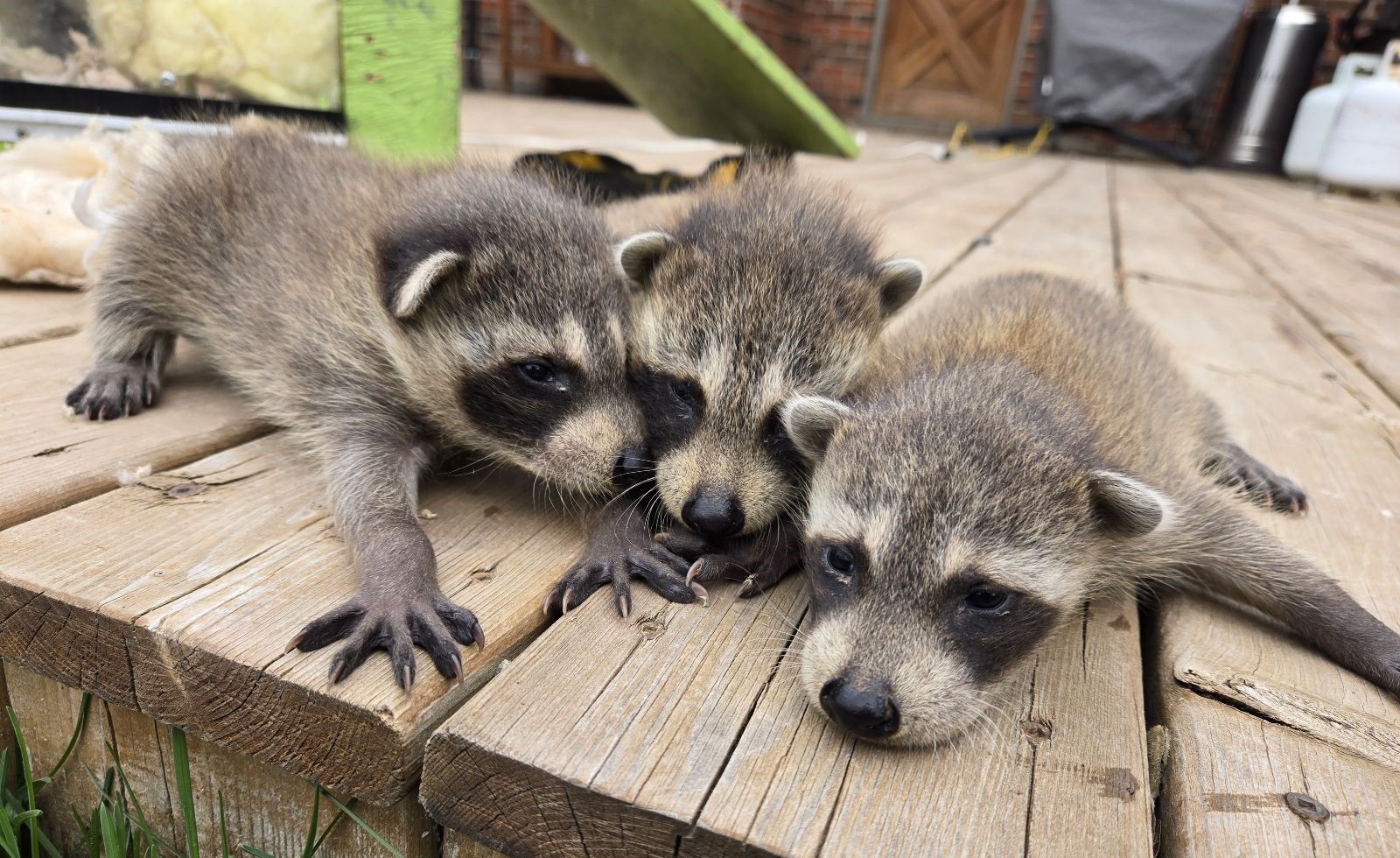
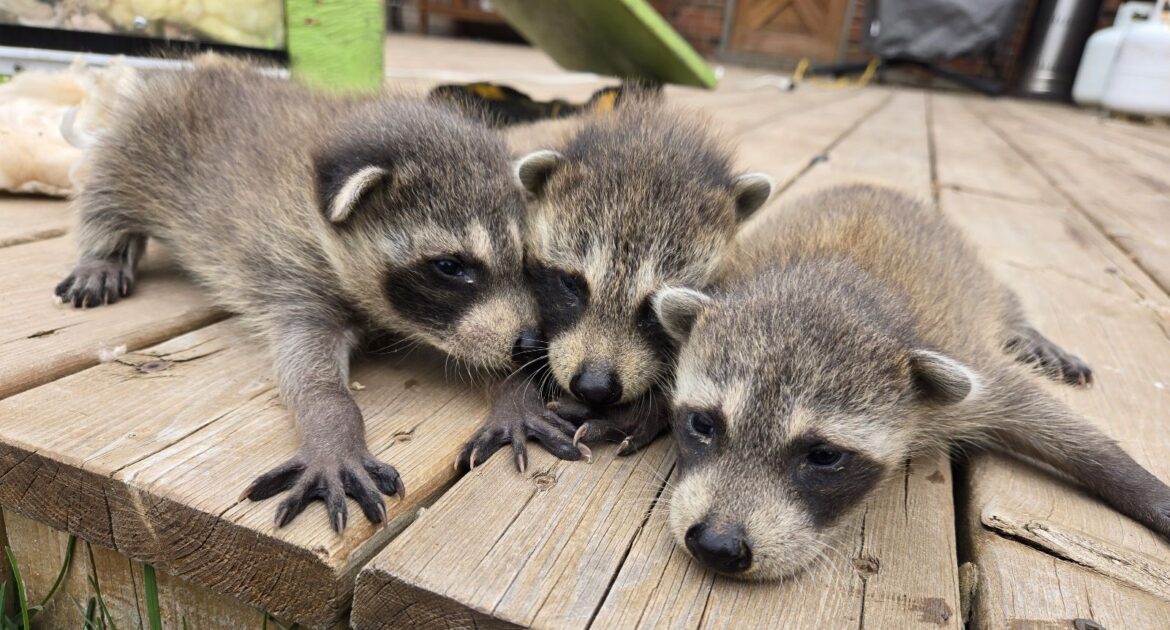
You might think winter in Oshawa is too cold for animals to be active, but raccoons are tougher than they look. When the snow piles up and the temperature drops, they don’t head south or hibernate like bears, they get smart.
If you’ve ever heard strange noises coming from your attic or seen tracks near your garage, you’re not alone. Raccoons in Oshawa in the winter often look for warm, safe places to ride out the cold months, and your home could be exactly what they’re looking for.
At Skedaddle Humane Wildlife Control in Oshawa, we know just how determined these animals can be. Let’s take a closer look at how winter raccoon survival works, why they pick your home, and how professionals can help you raccoon-proof Oshawa homes before the problem grows.
How Raccoons Survive Oshawa Winters
Raccoons don’t truly hibernate. Instead, they go into a light sleep called torpor. During torpor, they stay in their dens for long periods, waking only when temperatures rise. This allows them to conserve energy but still move around on warmer days.
Here’s how they make it through harsh Canadian winters:
- Thick Winter Fur: Their coats grow thicker in the fall, keeping them warm even when it’s freezing outside.
- Extra Body Fat: They eat more before winter to store energy for the cold months.
- Smart Denning Habits: They find hidden, insulated spaces like hollow trees, sheds, or attics where they can stay safe and dry.
- Limited Activity: They only leave their dens when the weather is mild enough to search for food.
This smart survival plan keeps them alive when food is hard to find and temperatures drop below zero.
Why They Choose Your Home
Homes across Oshawa are full of opportunities for warmth and safety. Raccoons don’t mean to be a problem, but they see your house as an easy solution to survive the cold.
They look for:
- Warmth: Attics and garages trap heat, making them perfect winter dens.
- Protection: Rooflines, soffits, and vents are great entry points that lead to quiet, hidden spaces.
- Food Sources: Garbage bins, compost, and pet food left outdoors attract hungry raccoons looking for quick meals.
- Comfort: Your home blocks wind, snow, and predators, making it a safer option than trees or burrows.
You might not even notice them right away. Most homeowners find out after hearing thumping or scratching sounds above the ceiling or finding insulation pulled apart.
What Makes Raccoons Excellent Winter Survivors
Raccoons are smart, adaptable animals. Over time, they’ve learned how to thrive in both forests and cities like Oshawa. Their ability to solve problems and find shelter makes them one of the most resilient animals around.
Here’s why they do so well in cold weather:
- Great Climbers: They can climb siding, fences, or trees to reach your roof with ease.
- Clever with Paws: Their front paws act almost like hands, allowing them to open latches or move obstacles.
- Night Activity: They move mostly after dark, which helps them avoid humans while scavenging.
- Flexible Diet: They’ll eat just about anything. Fruit, insects, small animals, pet food, and garbage.
This combination of intelligence and skill makes raccoons in Oshawa in the winter a year-round concern for homeowners.
Where Raccoons Build Winter Dens
When the snow hits, raccoons get to work finding the warmest, safest places to rest. In natural settings, they prefer tree hollows or rock crevices, but in cities, homes become a top choice.
Common den spots include:
- Attics and wall cavities
- Chimneys without proper caps
- Garages or sheds with open vents
- Spaces under decks or porches
- Crawl spaces and roof overhangs
Once they settle in, they can stay hidden for months, especially if the space is warm and food is nearby.
Why Winter is Breeding Season
You might be surprised to learn that late winter is breeding season. Females begin looking for den sites as early as February, choosing warm, dry spaces to raise their babies.
If your attic provides shelter, insulation, and privacy, it becomes the perfect nursery. Within a few weeks, you could hear squeaks or soft scratching sounds, signs that a litter has arrived.
This is one of the main reasons raccoon-proof Oshawa homes are so important before winter begins. Once babies are born, removal must be done carefully and humanely by trained professionals.
How Raccoons Get Into Homes
Raccoons don’t just stumble into homes, they work for it. They’re strong, patient, and excellent climbers, making rooflines and vents their main targets.
They often enter through:
- Loose shingles or damaged soffits
- Gaps around roof vents and chimneys
- Broken attic vents or rotted fascia boards
- Open garage doors or cracks near foundations
Once they find a small gap, they can widen it with their sharp claws and strong paws. That’s why even a small hole in your roofline can quickly turn into a full-blown winter den.
Signs of Raccoon Activity Around Your Home
If raccoons are using your home for shelter, they’ll leave behind some clear clues. Knowing what to watch for helps you catch the issue early before serious damage happens.
Look for:
- Scratching or thumping sounds, especially at night
- Torn insulation or nesting material in the attic
- Droppings or strong odours near vents or walls
- Damaged shingles, soffits, or roof vents
- Tracks in the snow leading to your home
These signs usually mean an animal has already made its way inside or is trying to. That’s the time to call in experts before it gets worse.
The Risks of Letting Raccoons Stay
While they may look harmless, raccoons can cause serious issues for your home. Their size, strength, and habits can lead to expensive repairs if left unchecked.
Some of the most common problems include:
- Structural Damage: They tear insulation, wood, and wiring while nesting.
- Health Risks: Their droppings can carry parasites or bacteria that aren’t safe for people or pets.
- Odours: The scent from waste or nesting can spread through your vents.
- Noise: Constant movement and scratching can keep families awake at night.
Even one raccoon can cause a lot of mess in a short time, especially during long, cold winters.
How Professionals Help Raccoon-Proof Oshawa Homes
At Skedaddle Humane Wildlife Control, we specialize in humane removal and prevention that keeps both people and animals safe. Our process focuses on long-term solutions, not quick fixes.
Here’s how our team protects homes:
- Thorough Inspection: We identify entry points and signs of activity.
- One-Way Doors: These allow wildlife to exit safely but prevent re-entry.
- Sealing and Repair: We close openings with durable materials that stand up to weather and wildlife.
- Prevention Planning: We help homeowners understand how to make their property less inviting.
By addressing every part of the problem, from entry points to prevention, we make sure the issue doesn’t come back.
How to Avoid Future Raccoon Problems
While professionals handle the removal, homeowners can reduce the chances of future invasions by keeping properties less attractive to wildlife.
Here are some helpful reminders:
- Keep garbage bins closed tightly with secure lids.
- Store pet food and birdseed indoors when not in use.
- Trim branches that hang close to the roof.
- Repair gaps in siding, soffits, or shingles right away.
- Make sure chimney caps and roof vents are in good shape.
These small steps go a long way in keeping animals from getting too comfortable near your home.
Stay Warm Without Unwanted Guests
So, how do raccoons survive Oshawa winters? They use their thick fur, stored body fat, and clever instincts to find warm shelter, often inside human homes. That’s why it’s so important to stay alert and protect your space before they move in.
If you suspect raccoons in Oshawa in the winter, don’t wait until the problem grows. At Skedaddle Humane Wildlife Control in Oshawa, we use humane one-way doors and secure sealing methods to ensure winter raccoon survival happens outside, not in your attic.
Keep your home safe, warm, and peaceful this season. Request an estimate today to learn how we can help you raccoon-proof Oshawa homes for good.

 Loading...







