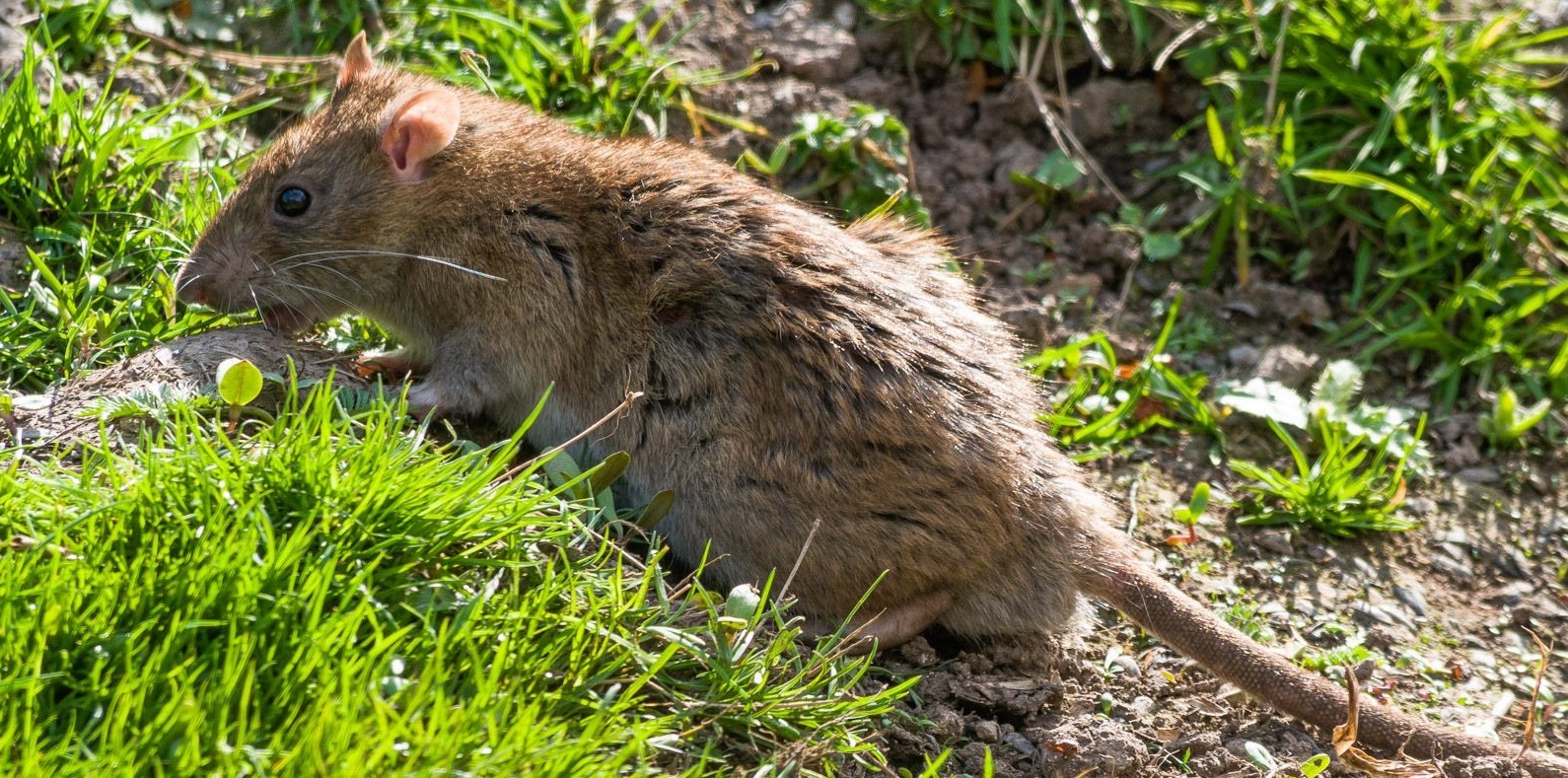
Have you ever wondered how mice seem to show up just about anywhere? Whether it’s a bustling city, a quiet suburban home, or a rural field, these small animals have a talent for survival that’s nothing short of remarkable.
Mice adaptability is one of nature’s best examples of how animals evolve to thrive in nearly any environment. From their incredible problem-solving skills to their resourceful behaviour, they’ve turned challenging habitats into places they can call home.
At Skedaddle Humane Wildlife Control in Ottawa, we often see firsthand how mice adapt to urban areas and homes. Their ability to squeeze through tight spaces, find food, and build nests in unexpected locations is part of what makes them so successful in both wild and urban settings.
That same adaptability can cause problems when they find their way into human homes or businesses. Fortunately, we use humane methods like one-way doors to safely remove and prevent their return.
But what makes mice so adaptable? And how do they manage to survive in environments as different as fields and city apartments? Throughout this post, we’ll uncover some of the secrets behind how mice survive and what makes them such successful animals.
Evolution of Adaptability: What Makes Mice Survivors?
Mice didn’t just become adaptable overnight. Their species has evolved over thousands of years to develop the traits that make them so tough to beat. From their physical build to their survival instincts, mice have been shaped by their need to endure and thrive.
- Size and Agility: Mice are small, nimble, and flexible. This allows them to squeeze through openings as tiny as a dime to gain access to food or safe nesting spots. Their size is a major advantage in avoiding predators or hiding in impossible-to-reach places. Because they are so small, they can easily travel through gaps in walls, under doors, and even through pipes. Their agility also helps them climb and balance on thin surfaces, making many areas accessible to them.
- Dietary Flexibility: These animals are omnivores, meaning they can eat almost anything to stay alive. Seeds, fruits, grains, or even scraps of bread left behind in your kitchen are fair game for mice looking to fuel their energy. They can even thrive on foods with low nutritional value, like crumbs, which makes them highly adaptable to urban environments. Their ability to survive on such a wide range of food sources allows them to live in environments where other animals might struggle.
- Reproductive Speed: Another key part of mice adaptability is their ability to reproduce quickly. A single pair of mice can lead to dozens of offspring in just a few months, ensuring their species survives even when some don’t make it. This rapid reproduction also helps them recover quickly from threats, such as predators or changing conditions. As a result, just a few mice can create a thriving population in a very short period of time.
- Quick Learning: Mice are surprisingly intelligent. They quickly analyze their surroundings, remember threats, and find clever ways to get to necessities like shelter and food. They can learn to avoid dangers such as traps or poisoned bait, which makes them tough to deal with once they’ve settled in an area. Their ability to learn from experience allows them to adapt to unfamiliar places and challenges with ease.
All these traits combine to make mice one of the most adaptive animals on the planet.
How Mice in Urban Areas Thrive
Mice have proven time and time again that they can adapt specifically to life in cities and towns. Urban areas are full of challenges, but for mice, they’re also full of opportunities.
- Nesting in Hidden Spaces: Urban mice excel at finding hidden nooks and crannies to build their nests. They can turn a wall cavity, attic, or storage box into their new home.
- Living off Human Waste: Cities are full of discarded food scraps and overflowing garbage bins, which mice use as a near-limitless food supply.
- Using Buildings for Warmth: Winters in Ottawa can be harsh, but mice stay warm by sneaking into homes and other buildings. Heating systems, insulation, and other human comforts inadvertently benefit these animals.
- Avoiding Predators: Cities typically have fewer natural predators compared to the wild, giving mice a safer environment to thrive. However, they must still stay on the lookout for other threats like traps and poisons.
This adaptability in urban areas has made mice a familiar sight in cities like Ottawa.
Unusual Adaptations That Help Mice Survive
Mice also have some lesser-known traits and behaviours that help them survive just about anywhere. These abilities make them uniquely equipped to deal with a variety of challenges.
- Climbing Skills: Many people don’t realize that mice are excellent climbers. They can scale walls, pipes, and even cables to get where they need to go.
- Chewing Power: Their teeth never stop growing, which means mice are always chewing. This trait allows them to gnaw through materials like wood, plastic, and even wires to expand their access to new areas.
- Night Activity: Mice are nocturnal, meaning they’re most active at night. This helps them avoid humans and other potential dangers during the day.
These “superpowers” are some of the reasons why mice adaptability is so impressive.
Why Customized Wildlife Control Matters
Though mice are fascinating, their adaptability is exactly what makes them a problem in many homes and businesses. At Skedaddle Humane Wildlife Control, we understand how clever and resourceful these animals can be. That’s why our methods are designed to outsmart them while staying humane.
We use specially designed one-way doors to allow mice to exit structures but not come back inside. This ensures their safe removal and prevents re-entry without resorting to harmful traps or poisons.
Our team doesn’t just remove mice—we also locate all possible entry points and seal them off to stop the cycle. Combined with our cleaning techniques, we create a safer, healthier environment for you.
By relying on professionals like us, you can trust that the problem will be resolved effectively the first time.
Why Mice Are Unique, Yet Troublesome
Despite their small size, mice make a big impact wherever they go. Their adaptability and resourcefulness mean they’ll continue to thrive in urban areas and beyond. While it’s fascinating to learn how mice survive, living alongside them is far less enjoyable. They can damage property, chew through important materials, and leave behind droppings that spread disease.
If you’ve noticed signs of mice in your home, it’s time to act quickly. Our team at Skedaddle Humane Wildlife Control in Ottawa is here to help. With our expertise and commitment to humane practices, we can provide a solution tailored to your situation.
Request an Estimate From Skedaddle Today
Mice adaptability is an incredible aspect of nature, but it doesn’t mean you have to share your space with them. If you’re dealing with mice in Ottawa, we’re here to help. Trust Skedaddle Humane Wildlife Control to safely and effectively remove mice from your home using our unique one-way doors.
Contact us today to request an estimate and take the first step in regaining your space.

 Loading...