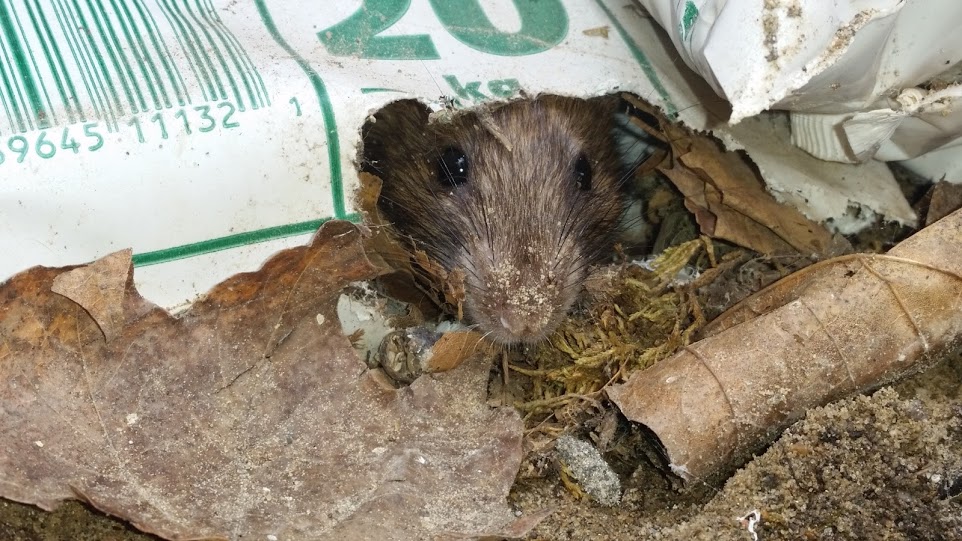
You might think your home is sealed tight for winter, but if you live in a connected townhome or condo, you share more than just walls. You share hidden passageways that make it easier for rats to move around.
During the cold months, rats in townhomes in winter become a serious problem. When temperatures drop and food becomes harder to find, they look for warmth, shelter, and steady access to food. Townhomes and condos give them both comfort and opportunity. Once one unit is infested, it doesn’t take long before the neighbours start hearing scratching in their walls, too.
At Skedaddle Humane Wildlife Control in Ottawa, we often see rats move quickly through shared buildings in winter. It’s not because your home is messy or unclean—it’s because connected structures make travel easy for these animals. They don’t recognize walls or property lines; to them, it’s one big shelter.
Travelling Through Shared Walls and Ceilings
Rats are incredible climbers and even better chewers. You might not notice it, but they can slip through a space the size of a quarter and use it as a doorway into another home. Once they find a gap in a shared wall or ceiling, they build pathways you’ll never see.
Inside those walls, they follow warmth, food smells, and vibration. In townhomes, a single plumbing or electrical gap can act like a tunnel connecting every unit. They run behind drywall, between floors, and along pipes until they reach new territory.
Over time, rats create entire networks inside connected walls. They can live for months undetected, moving silently between units and nesting above ceilings. You might hear faint scratching, or you might not hear anything at all, especially if the infestation started in your neighbour’s unit.
The worst part? Rats don’t stay put. If one home uses pest control or closes off an opening, they’ll simply shift to the next connected space to survive. That’s how winter rat infestations in condos spread so fast.
Using Plumbing and Utility Systems as Highways
If you’ve ever wondered how rats seem to appear in kitchens, laundry rooms, or bathrooms without an obvious hole, the answer lies in your plumbing.
Pipes and utility lines connect units together, carrying heat, water, and airflow. Rats use these same systems like roadways.
Here’s how it happens:
- Pipes and Drains: Rats follow the smell of food or moisture through drains and gaps where pipes connect between homes.
- Ventilation Ducts: The warm air inside HVAC systems attracts them, and they crawl through ductwork from one unit to another.
- Utility Chases: These vertical spaces behind walls hide electrical and plumbing lines, giving rats an easy route between floors.
Once inside these systems, they can travel from basements to attics in minutes. Even sealed pipes can have small gaps around their edges, and that’s all a rat needs to squeeze through.
For residents in condos or townhomes, this means a problem in one kitchen or utility closet can quickly become a building-wide issue.
Spreading Through Attics and Rooflines
Rats don’t just move horizontally, they also climb. In fact, many infestations begin from above. Rooflines, vents, and attics connect several homes together, creating warm, quiet spaces that are rarely checked.
When cold winds arrive, rats scale brick walls, siding, or even drainpipes to reach the roof. From there, they chew through vents or shingles and enter the attic. Once inside, they can easily travel across the entire length of a connected building through shared insulation or structural beams.
If one neighbour’s attic becomes infested, it’s only a matter of time before you start hearing activity above your ceiling, too. Insulation provides nesting material, and roof vents provide steady airflow. These spaces become winter homes for multiple colonies at once, hidden just out of sight.
The challenge is that attics and rooflines in connected buildings aren’t divided by solid wall, they’re often separated by thin partitions or open trusses. That allows rats to roam freely through the structure all season long.
Why Townhomes and Condos Are Perfect Shelter
Rats don’t just move inside to escape the cold, they choose connected buildings because they offer stability. Townhomes and condos have:
- Multiple Entry Points: Foundation cracks, vents, and shared walls.
- Consistent Warmth: Heat from neighbouring units keeps internal walls comfortable all winter.
- Food Availability: Shared trash bins and recycling areas provide steady meals.
- Quiet Nesting Zones: Attics, garages, and wall cavities stay undisturbed for months.
You can keep your own unit spotless, but if others nearby have gaps or food sources, rats will still move through the shared structure. They’re survivors, and once they find a network that works, they’ll use it until it’s professionally sealed off.
How Professionals Stop Rats From Spreading
Because rats move so freely through shared buildings, solving the issue takes more than setting traps. You need a coordinated approach that targets every connection point.
At Skedaddle Humane Wildlife Control in Ottawa, we start by inspecting the full structure, from basements to rooflines. Our trained team finds the exact routes rats use to move between homes. Then we use humane methods like one-way doors that let them exit safely without coming back.
Once they’re gone, we seal and reinforce all possible openings so the problem doesn’t spread again. This process not only clears your home but also protects neighbouring units from future activity.
We’ve helped countless Ottawa residents take back control of their living spaces while keeping wildlife safe.
Preventing Rats From Connecting to Homes
Even with professional help, prevention is key to long-term peace of mind. Simple changes can make a big difference, especially when everyone in the building takes part.
Here’s how to prevent rats from connecting to homes:
- Seal visible cracks around foundations, walls, and doors.
- Keep shared garbage and recycling areas clean and tightly closed.
- Store pet food, birdseed, and dry goods in sealed containers.
- Clear clutter in basements, attics, and garages to remove hiding spots.
- Trim shrubs and branches that touch exterior walls or roofs.
- Schedule yearly inspections with wildlife professionals to stay ahead of potential entry points.
These small steps reduce risk, but complete protection requires professional inspection and sealing. Rats only need one opening to restart the cycle.
Keep Your Home and Neighbours Protected This Winter
You might never see where they’re hiding, but rats in townhomes in winter can cause damage that affects everyone in the building. They use shared walls, pipes, and attics like hidden highways, spreading fast from one home to another.
If you’ve heard scratching sounds, found droppings, or noticed chewed wires, now is the time to act. Contact Skedaddle Humane Wildlife Control in Ottawa for professional, humane removal. We use proven methods to stop activity, close entry points, and prevent rats from connecting to homes all winter long.
Request an estimate today to protect your property and restore peace for you—and your neighbours.

 Loading...