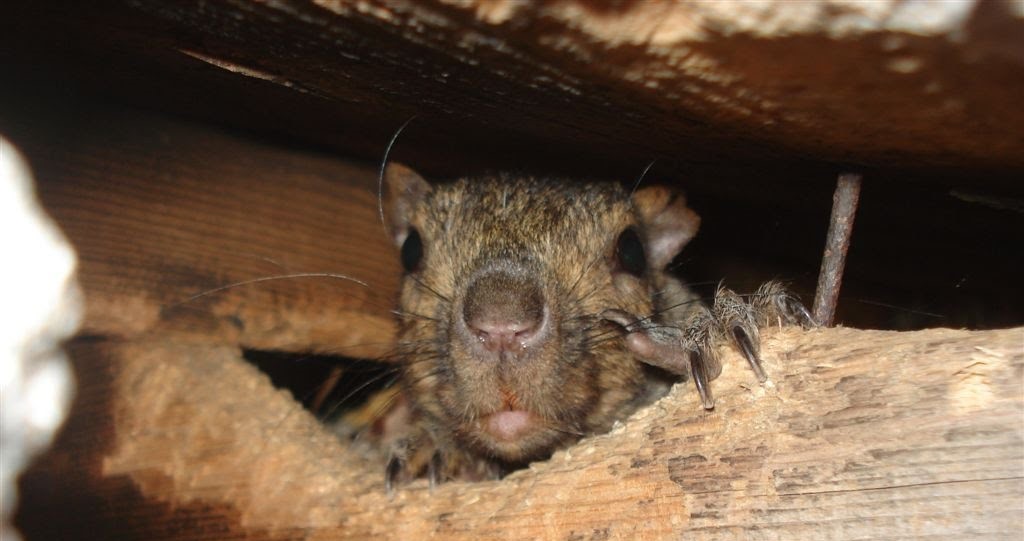
You walk into your garage on a cold morning and hear faint rustling. Maybe a thump. Maybe something small scurrying behind boxes. You freeze for a second, then think, “Could that be… a squirrel?”
If you live in Ottawa, chances are it is. Squirrels in garages in the winter are more common than most homeowners realize. When temperatures drop, these determined animals look for warm, sheltered places with easy access to food. Your garage checks every box—especially if it’s cluttered, unsealed, or a little warmer than outside.
You might not see them at first, but small clues; chewed cardboard, droppings, shredded insulation tell the story. Understanding how squirrels sneak into garages during the coldest months can help you spot the problem early and call professionals before things get worse.
What Makes Garages So Appealing in the Winter
You probably don’t mean to invite squirrels inside, but garages are perfect for survival. They offer warmth, shelter, and plenty of hiding spots.
Here’s what makes your garage so tempting during winter:
- Warmth From Your Home: Even unheated garages are warmer than outside. Heat seeps through walls, floors, and doors.
- Shelter From Predators: Inside, squirrels are safe from owls, foxes, and other threats.
- Food Nearby: Birdseed, garbage bins, and stored pet food all attract attention.
- Quiet Spaces: Garages are usually calm and dark—ideal for nesting or storing food.
You might not notice anything for weeks. Squirrels are quiet at first, exploring corners or wall cavities before bringing in nesting materials. Once they feel safe, you’ll start hearing movement, especially at dawn or dusk.
Hidden Entry Points Around the Garage
You might think your garage is sealed tight, but squirrels are persistent and can squeeze through openings as small as a golf ball. They also have sharp teeth that let them chew through plastic, wood, or even thin metal.
Common entry points include:
- Gaps Around Garage Doors: Rubber seals crack over time, creating easy access points.
- Vents or Exhaust Openings: Perfect for slipping inside unnoticed.
- Eaves and Roof Joints: Squirrels can climb brick, siding, or even drainpipes to reach these areas.
You’ll often see chew marks near these openings. Sometimes, nesting debris collects at the edge of the door or behind stored items. If you spot any of these signs, there’s a good chance you already have squirrels in garages in the winter.
You Hear Them Before You See Them
You don’t always need to see a squirrel to know it’s there. The sounds they make can be a clear giveaway.
Typical winter squirrel garage habits include:
- Scratching: As they climb walls, beams, or insulation.
- Rolling or Dropping Nuts: You might hear small thuds when they move food caches.
- Chewing: Constant gnawing helps keep their teeth short and sharp.
- Short Bursts of Activity: They’re most active early in the morning and late afternoon.
You’ll likely hear these noises when everything else is quiet. Over time, the activity can cause damage: chewed wires, shredded boxes, or insulation pulled apart for nesting.
How Squirrels Behave Once They’re Inside
Once they find a safe spot, squirrels quickly get to work building nests. They use insulation, rags, or even car seat stuffing to stay warm. Unlike some animals, squirrels don’t hibernate. They stay active all winter, moving between hiding spots and gathering food.
Their typical cold-weather behaviour includes:
- Nesting: Creating soft, hidden nests in corners, behind storage bins, or within wall cavities.
- Chewing: Constant gnawing on plastic or wood to keep teeth short.
- Food Storage: Stashing nuts or seeds in small piles near nests.
- Limited Movement: Short, quiet bursts of activity during daylight hours.
This explains why you might hear noises at specific times of day rather than constantly. These winter squirrel garage habits help them survive, but can leave a trail of damage behind.
What They’re Doing Inside
Once squirrels move in, their behaviour changes depending on what they need. You might notice certain patterns that reveal how long they’ve been there.
- Early Winter: They explore and collect materials to build nests.
- Mid-Winter: They stay quiet and rest more, using stored food.
- Late Winter: Activity increases as they prepare for mating season.
You might even notice chewed openings leading to the attic. Squirrels sometimes expand their territory, moving from garages to other parts of the house. That’s why quick, humane removal is so important before the problem spreads.
You Can Stop Future Break-Ins
You can’t stop animals from being curious, but you can make it harder for them to enter your space. Prevention starts with small, smart changes around your garage.
Simple prevention tips:
- Inspect Walls and Doors: Replace worn weather stripping or cracked seals.
- Store Food Properly: Keep birdseed, pet food, and garbage in sealed metal or thick plastic containers.
- Reduce Clutter: Clear corners and remove nesting materials like paper or fabric scraps.
These changes make your garage less attractive, but even the best prevention can’t stop determined squirrels forever. That’s when Skedaddle Humane Wildlife Control in Ottawa can help. We safely install one-way doors that let animals leave without coming back, then seal up entry points to keep your home secure.
Keep Your Garage Safe This Winter
You probably use your garage every day without thinking about what’s hiding inside. But when temperatures drop, these clever animals see it as the perfect place to wait out the cold. Once they’re in, they can cause damage that spreads beyond the garage—into walls, wiring, and even your attic.
If you suspect squirrels in garages in the winter, don’t wait for the problem to grow. Contact Skedaddle Humane Wildlife Control in Ottawa for professional help. We use humane, proven methods to remove animals safely and seal up entry points so they can’t return.
Request an estimate today to learn how we can prevent squirrel garage entry, protect your property, and restore comfort before winter damage sets in.

 Loading...