Winter in Ottawa can feel long, cold, and unforgiving. You bundle up, spend more time indoors, and count the days until spring. While many animals struggle during the colder months, some adapt surprisingly well. That includes squirrels in urban areas, especially in cities like Ottawa.
You might expect wildlife to disappear once snow covers the ground, but that rarely happens. Instead, winter squirrel behaviour changes in smart ways that help them survive. Food becomes harder to find, temperatures drop, and shelter matters more than ever. Urban spaces often provide steady warmth, shelter, and food sources that support wildlife through the winter.
In this blog, you’ll learn how squirrels thrive during city winters, why urban environments help them survive, and what this means for homeowners. You’ll also see when city squirrel control tips matter and how Skedaddle Humane Wildlife Control in Ottawa helps protect homes once wildlife starts using buildings as shelter.
Food Hoarding Helps Them Survive When Winter Hits
Cold weather doesn’t stop squirrels from eating. It just changes how they prepare. Long before winter arrives, they begin storing food to last through months when fresh options disappear.
Throughout the fall, squirrels collect nuts, seeds, and acorns and bury them in many shallow spots across their territory. This method is called scatter hoarding. Instead of keeping all their food in one place, they spread it out so one loss does not ruin everything.
This strategy works because:
- Strong Memory Guides Them Back to Food: Squirrels remember the areas where they buried food, even after weeks have passed. Snow may cover the ground, but they still know where to search. This helps them find meals when the ground looks empty.
- A Sharp Sense of Smell Helps Fill in the Gaps: When memory is not enough, smell takes over. Squirrels can sniff out buried food through snow and soil. This ability helps them recover food even when conditions change.
- Urban Areas Offer Extra Food Chances: City trees, gardens, and bird feeders often provide extra food. Trash bins and dropped scraps can also add to what’s available. These extra sources help squirrels in urban areas stay fed when nature offers less.
This mix of planning, memory, and flexibility is a big reason squirrels in urban areas stay active all winter instead of disappearing.
Insulated Nests Protect Them From Cold and Wind
Food helps squirrels survive winter, but shelter is just as important. Squirrels build nests called dreys high in trees or use natural tree holes when they can find them. These nests are carefully made using twigs for strength and soft materials like leaves, grass, and moss for warmth. The layers work together to block wind and keep heat inside during freezing weather.
In cities, nesting behaviour changes slightly. Nests are often built closer to buildings where temperatures stay a bit warmer. When natural shelter is hard to find, areas like rooflines, soffits, or attic spaces can feel safer than trees. This is why winter squirrel behaviour often brings wildlife closer to homes during cold months.
Sharing Space Helps Them Stay Warm
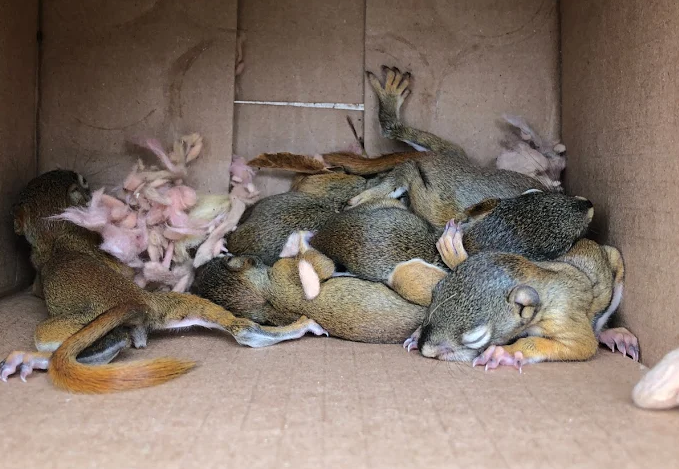
Cold weather pushes squirrels to find smart ways to save energy. During very cold nights, squirrels may share a nest instead of staying alone. By resting close together, they use less energy to stay warm and can avoid moving around during harsh conditions.
Sharing space helps reduce heat loss and allows longer rest periods when food is harder to reach. This behaviour does not happen all the time, but it shows how flexible they can be. In urban areas, where shelter spaces overlap, this shared nesting becomes even more common during winter.
Reduced Activity Saves Energy During Harsh Weather
Squirrels do not hibernate, but they slow down when winter gets rough. During storms or extreme cold, they spend more time inside their nests to save energy. You may notice less daytime movement and fewer trips outside.
During these cold periods, squirrels may enter a short rest state called torpor. Body temperature and heart rate drop slightly, which helps conserve energy. This allows them to survive long stretches of cold while still being ready to move when the weather improves.
Physical Changes Support Winter Survival
Behaviour helps animals prepare for winter, but physical changes are just as important. As cold weather approaches, their bodies adjust to handle lower temperatures and limited food. These changes help them stay warm, save energy, and survive long winter stretches.
Key physical adaptations include:
- Fat Reserves Built in Fall: Squirrels eat more in the fall to build extra body fat. This fat works like insulation and helps keep body heat in during cold days. It also gives energy when food is harder to find.
- Thicker Winter Coats: A denser coat grows in before winter arrives. This thicker fur traps warm air close to the skin and blocks cold wind. It helps protect the body during snow and freezing temperatures.
- A Bushy Tail Used for Warmth: The tail is often wrapped around the body while resting. This acts like a blanket and helps block wind. It also helps keep heat from escaping during cold weather.
Together, these physical changes help squirrels stay warm and stable throughout long Ottawa winters.
Cities Offer Extra Winter Advantages
Urban environments create conditions that make winter survival easier than in rural areas. Buildings, pavement, and human activity change how cold air moves and how heat is stored. These small differences add up during winter months.
Cities support winter survival through:
- Retained Heat from Buildings and Pavement: Concrete, brick, and asphalt absorb heat during the day. That warmth is released slowly at night. This makes city areas slightly warmer than nearby open land.
- More Shelter Choices: Cities offer many protected spaces, such as tree cavities, sheds, rooflines, and attics. These areas block wind and snow. They also stay warmer than outdoor shelter.
- Reliable Food Sources: When natural food is limited, urban areas still offer options. Bird feeders, outdoor pet food, and waste bins provide steady access to food. This reduces the need to travel far in winter.
These factors explain why squirrels in urban areas remain active all winter and why activity often increases near homes when shelter feels easy to access.
When City Survival Turns Into a Home Issue
Thriving outdoors is one thing. Using a home as shelter is another. When squirrels enter structures, problems begin.
Warm, quiet spaces feel safe during winter. If access points remain open, wildlife may return season after season. Over time, this can affect insulation, wiring, and indoor air quality.
That’s when city squirrel control tips matter. The goal isn’t reacting to noise or damage. It’s changing how the structure functions as shelter so wildlife no longer sees it as an option.
A Smarter Way to Think About Winter Wildlife
Squirrels thrive in city winters because urban spaces offer food, shelter, and warmth. Understanding winter squirrel behaviour helps explain why activity increases near homes when temperatures drop.
When shelter becomes the issue, city squirrel control tips help shift the situation back to balance. With the right approach, wildlife stays outdoors, and homes stay protected.
If activity has moved closer than it should, Skedaddle Humane Wildlife Control in Ottawa can help. Request an estimate to learn more. Taking action early helps prevent bigger problems once winter settles in.

 Loading...