You wake up one cold December morning and hear soft scratching above your ceiling. It’s early, still dark, and for a second, you wonder if it’s just the wind. Then you hear it again—fast, sharp movements that stop and start.
If you’re hearing sounds like this, you probably have squirrels in the attic. But which kind—red or grey squirrels? Knowing the difference can help you spot trouble early and explain what’s happening inside your home. At Skedaddle Humane Wildlife Control in Ottawa, we often find both species living in attics when the weather turns cold.
You don’t need to be an expert to tell them apart. Once you learn the key signs of red vs. grey squirrels in the attic, you’ll know who’s sharing your space—and how professionals like us can help remove them safely.
You Might Be Dealing With Red Squirrels If…
Here’s how you can tell it might be red squirrels:
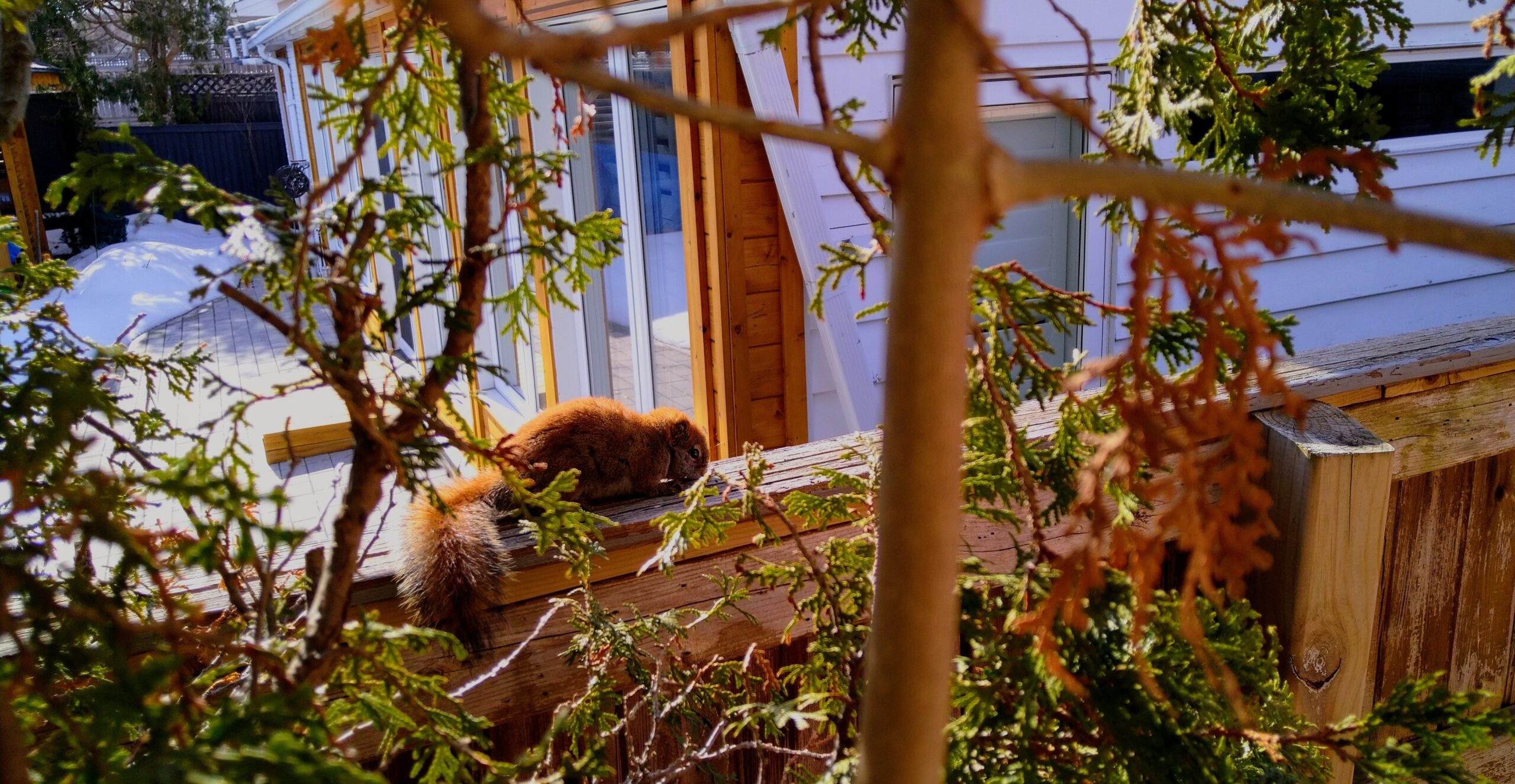
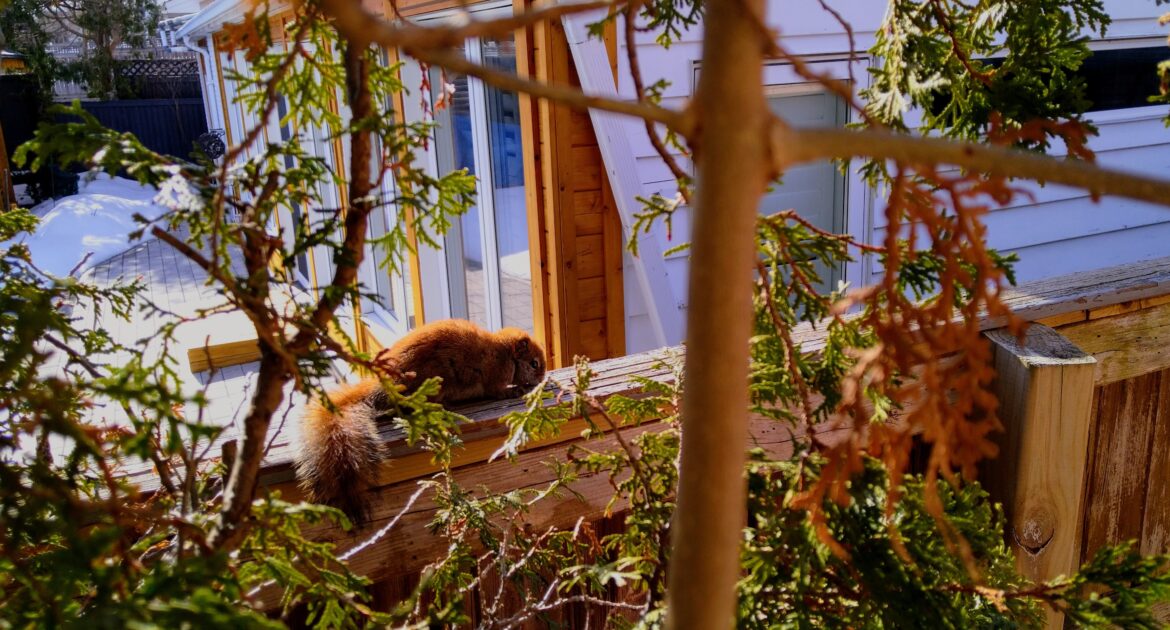
- Smaller in Size: Reds are about half the size of greys and have bright reddish-brown fur with white underbellies.
- Fast and Feisty: They move quickly and chatter constantly, especially if you get close to their nesting area.
- Tighter Nests: Reds love insulation, fabric, or paper. You might see shredded materials near vents or eaves.
You Could Have Grey Squirrels Instead
Grey squirrels are larger, quieter, and more relaxed—but just as determined to stay warm. They don’t hibernate, so when temperatures drop, your attic becomes the perfect shelter.
Here’s what you might notice with greys:
- Heavier Sounds: You’ll hear slower, heavier footsteps. Almost like something walking instead of running.
- More Damage: Greys are strong chewers. You might spot gnawed wood, frayed wires, or insulation scattered around.
- Bigger Nests: They build large, messy nests made of leaves, twigs, and insulation.
You’ll often see greys outside collecting acorns or climbing power lines. They prefer larger attic spaces and are more likely to share the area with others. If you’re hearing thuds, rolling noises, or long stretches of silence followed by movement, you may have grey squirrels in the attic instead of reds.
You’ll Notice Their Habits Are Very Different
You might think all squirrels behave the same way, but red and grey species act very differently once they’re inside. Knowing their habits helps you understand why they chose your home.
Red squirrel habits:
- They’re territorial and won’t share their space with other squirrels.
- They hoard food like pine cones, seeds, or nuts in one or two key spots.
- They prefer tight corners, wall cavities, or under roof insulation for nesting.
Grey squirrel habits:
- They’re social and may live in small groups.
- They build large nests and often chew through wood or drywall to expand their area.
- They move between the attic and outdoors more often, especially on warmer winter days.
You’ll hear more constant noise with reds and more scattered activity with greys. Either way, squirrels in the attic can chew wiring, destroy insulation, and leave droppings behind. That’s why calling professionals quickly is always your safest choice.
You Can Prevent Future Visitors
You can’t always stop squirrels from exploring your yard, but you can make it harder for them to get inside. While you should never try to remove them yourself, there are ways to make your home less inviting.
A few prevention tips we recommend:
-
- Trim Tree Branches: Keep branches six to eight feet from your roof so squirrels can’t jump across.
- Secure Vents and Openings: Strong mesh covers can block entry points without blocking airflow.
- Clean Gutters and Roofs: Debris piles create easy access routes.
- Keep Food Sealed: Pet food, birdseed, and garbage all attract squirrels.
At Skedaddle Humane Wildlife Control in Ottawa, we install one-way doors that allow animals to leave your home safely but stop them from re-entering. It’s the most humane and effective long-term solution.
You Should Never Try to Handle It Alone
It might seem tempting to scare them out or block holes yourself, but that can cause bigger problems. If squirrels are sealed inside, they’ll panic, chew through walls, or find new escape routes. You also risk being bitten.
That’s why our professionals should handle squirrels in the attic. We inspect every inch of your home, identify which species is inside, and remove them safely. Then we seal the entry points to make sure they don’t come back.
Keep Your Home Safe This Winter
You might not think much of a little scratching sound, but both red and grey squirrels can cause big problems if left alone. When you hear noises above your ceiling, you can use these tips to guess whether you’re dealing with red vs. grey squirrels in the attic.
If you’re still unsure, it’s best to get help from experts. At Skedaddle Humane Wildlife Control in Ottawa, we specialize in identifying and removing squirrels in the attic safely and humanely. We use proven prevention methods that let animals exit through one-way doors and keep them from getting back in.
Request an estimate today to learn how we can help you identify squirrel species in the attic and protect your home all winter long.

 Loading...

