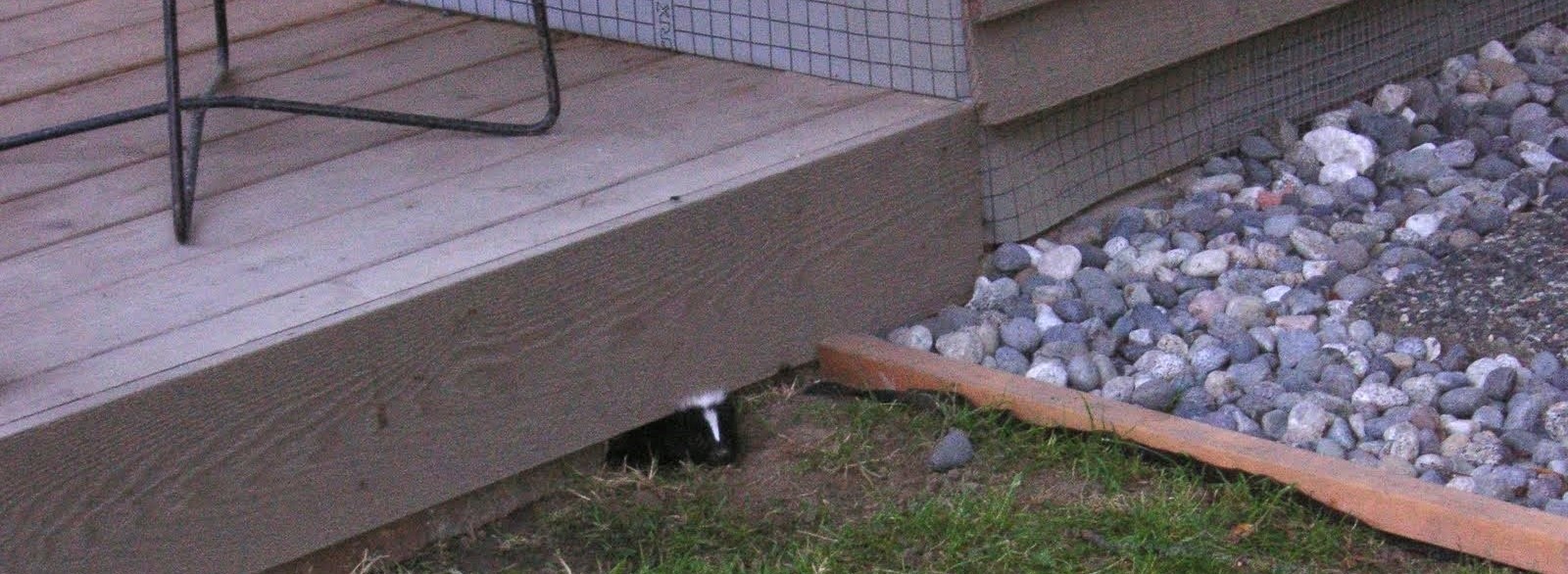
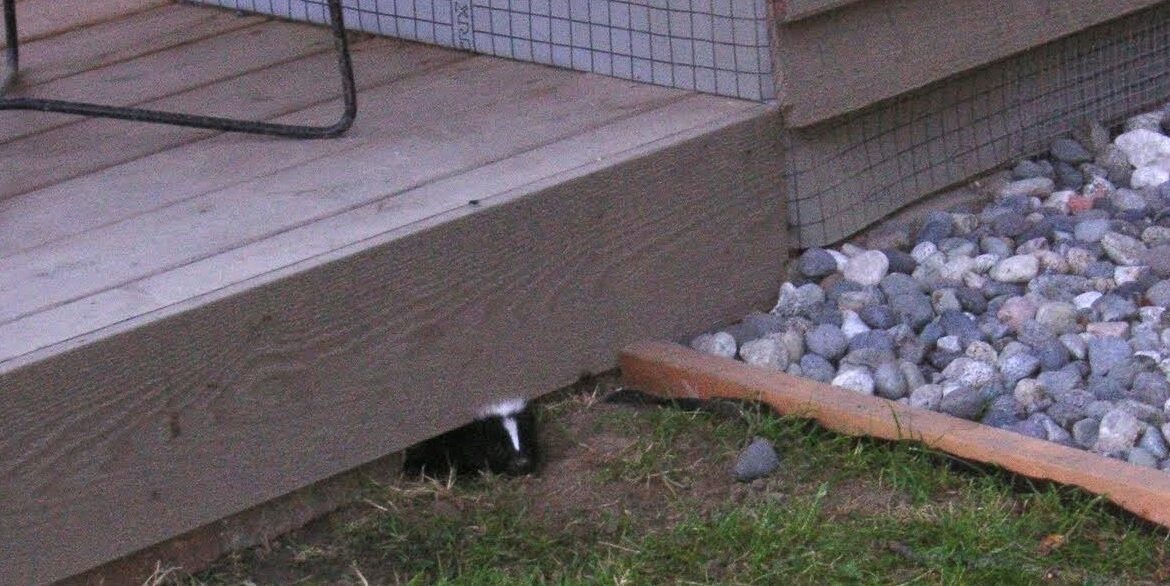
You may be asking yourself this simple question: Do skunks hibernate in winter or will you see them?
It’s an important thing to know, especially if you live in Ottawa or anywhere across Canada where cold weather shapes animal behaviour. The truth is that skunks don’t fully hibernate. Instead, they enter a lighter sleep called torpor, which lets them save energy during the coldest months.
That means you can still see them in winter. Skunks in dens during cold weather may come out during warmer days to search for food. Their patterns, known as skunk winter behaviour, can surprise homeowners. You might hear scratching under your deck, notice strong odours, or even see tracks in the snow.
When that happens, it’s time to act. Skedaddle Humane Wildlife Control in Ottawa helps people deal with these animals safely and humanely, especially when they become unwelcome guests in homes or businesses.
In this article, you’ll learn the basics of skunk winter behaviour, why they don’t fully hibernate, what signs to watch for, and why professional help is essential.
Do Skunks Hibernate in Winter?
Skunks don’t hibernate the way some animals do. Instead, they enter torpor. Torpor is like a deep rest where their bodies slow down to save energy, but they can still wake up and move when needed. Unlike animals that sleep through the entire season, skunks will sometimes come out of their dens on mild winter days.
This behaviour means you may still notice them around your property. Skunks in dens during cold weather often group together to stay warm. A single den can hold several animals, and that increases the chances of damage or strong odours spreading around your home. Knowing that they don’t fully disappear in winter helps explain why you may see signs of activity, even in freezing temperatures.
Skunk Winter Behaviour You Should Know
You may think winter keeps all animals out of sight, but skunks have habits that bring them close to people. Their winter behaviour includes:
- Sleeping for Days: During very cold stretches, skunks may sleep in their dens for several days at a time. This isn’t true hibernation, but more of a deep rest. While they seem hidden away, they will eventually become active again once the temperatures rise.
- Waking Up to Feed: As soon as the weather warms, even just a little, skunks leave their dens to search for food. At this time, garbage bins, compost piles, and pet food left outdoors become easy meals. If they find reliable food near your home, they’re more likely to stick around.
- Sharing Dens: Another habit is den sharing. Several skunks may crowd into the same sheltered space, like under a deck or shed, to stay warm. This not only increases odours but also creates more mess and damage if they’ve chosen a spot on your property.
These patterns make it clear: the animals don’t vanish in winter. They adapt, and your property can still be part of their plans.
Skunks in Dens During Cold Weather
Where do skunks go to stay warm? They search for safe, dark, and sheltered spaces. Natural dens like hollow logs or burrows are common, but in cities like Ottawa, they often use human structures. Common den spots include:
- Under decks or porches
- Inside sheds or garages
- Beneath steps or patios
- Gaps near foundations
When skunks move into these areas, they bring risks with them. Their spray odour can linger for months, even after they’re gone. They can dig up soil around decks or chew at weak spots to make their dens bigger. Once a family is inside, getting them out safely takes skill and experience.
What Is Torpor?
You may wonder about the difference between torpor and hibernation. Hibernation is a long, deep sleep that lasts the entire season. Animals in hibernation almost never wake up until spring. Skunk torpor is different. It’s shorter and lighter, so they wake up and move around when the weather allows.
This means skunks remain active and can still cause problems in the winter months. They may come out looking for food or even create more damage around your property. Understanding the difference helps explain why you may see tracks or smell odours even on cold days.
Skunks Around Your Property in Winter?
Even when Ottawa is covered in snow, you can still spot signs that skunks are nearby. Fresh snow makes it easier to notice paw prints leading to sheltered areas like under decks, sheds, or porches. These tracks often look like little hands, with clear claw marks that stand out against the white background.
Odour is another clear warning. A skunk’s spray is powerful enough to travel far, and in the cold air of Ottawa winters, the smell lingers even longer. If a skunk feels startled near your property, you and your neighbours will likely notice it right away.
You may also find small patches of disturbed ground in your yard. Even during the winter, skunks will dig when the soil softens, searching for grubs or insects. These little holes can add up quickly, leaving a lawn that looks messy and uneven.
Noise is another clue. On quiet winter nights, scratching or rustling beneath decks, porches, or even garages can reveal activity. Because the city is quieter after dark, these sounds may seem louder and more noticeable.
When you notice any of these signs, it’s a clear warning that skunks in dens during cold weather may already be closer to your Ottawa home than you think.
Why Skunks Pose Problems in Winter
Skunks may look harmless, but their presence brings real risks. In winter, these problems often grow worse:
- Property Damage: Skunks can dig around foundations, chew weak spots, or tear insulation when nesting.
- Health Risks: Their droppings can carry bacteria, and their spray can cause breathing issues if it gets inside.
- Unpleasant Smell: The odour is strong, lingers for months, and is very hard to remove from clothing, furniture, or wood.
- More Activity Together: Since skunks often share dens in winter, one animal can quickly turn into a group.
Each of these problems highlights why professional help is the safest solution.
Why Acting Early Matters
You might think waiting until spring is fine, but that often leads to bigger issues. Acting early:
- Prevents damage from spreading through your property.
- Stops strong odours before they become permanent.
- Keeps your family and pets safe from health risks.
- Saves money by dealing with the issue before repairs add up.
When you see the first signs of skunks in dens during cold weather, it’s better to deal with the issue right away.
Key Takeaways for Homeowners
You now know that skunks don’t fully hibernate. They stay active in short bursts throughout the winter, and that means they can still affect your home.
- Do skunks hibernate in winter? No, they enter torpor instead, which means they rest but still wake up.
- What does skunk winter behaviour look like? They hide in dens, come out on warmer days, and may group together.
- Where do you find skunks in dens during cold weather? Common spots include under decks, sheds, and patios.
- Why call for help? Professional removal keeps your family safe and protects your home.
These key points show why it’s important to stay alert and call for support as soon as you notice signs.
How Professionals Handle Skunks in Winter
At Skedaddle, we never use harmful methods. Instead, we use humane systems like one-way doors. These allow skunks to leave the den safely, but stop them from coming back in. Once the animals are gone, we secure entry points so new ones can’t take over the same space.
You get the peace of mind knowing the animals are safe, and your home is protected. Our team also checks for damage and helps prevent future issues. This kind of professional work makes all the difference, especially in winter when animals are more determined to find shelter.
Protect Your Property This Winter
So, will you see a skunk this winter, or do they hibernate? The answer is clear: skunks don’t fully hibernate. Their torpor means they’re still active enough to cause problems. From property damage to strong odours, skunk winter behaviour creates real risks for homeowners.
If you suspect skunks in dens during cold weather, don’t wait. Skedaddle Humane Wildlife Control in Ottawa is here to help. We provide safe and humane solutions that protect both your family and the animals.
Request an estimate today to learn more about humane removal and prevention services.

 Loading...